When Mac Holdsworth became the victim of an online sextortion plot, he felt totally alone.
Now, more than two years after Mac took his own life, his dad truly believes Australia's pioneering social media ban will show other kids isolated online that the entire country is there to support them.
Wednesday saw hundreds of thousands of teenagers locked out of accounts on 10 social media platforms, including TikTok and Instagram.
Wayne Holdsworth hopes his advocacy in getting the ban passed can help kids can look up from their phones and build stronger connections with the people who really care about them.

"We're trying to promote that family unit again, connection through friends and family as opposed to online," he told AAP.
"Today is really important - we're all in this together."
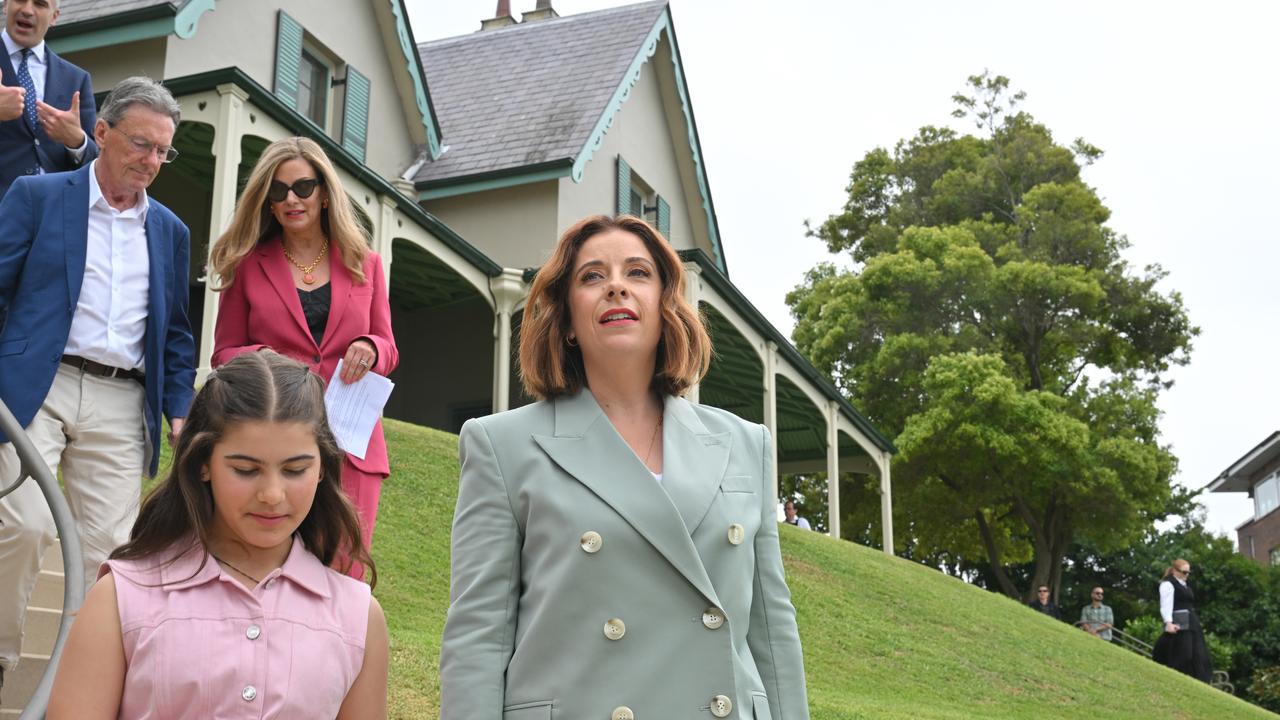
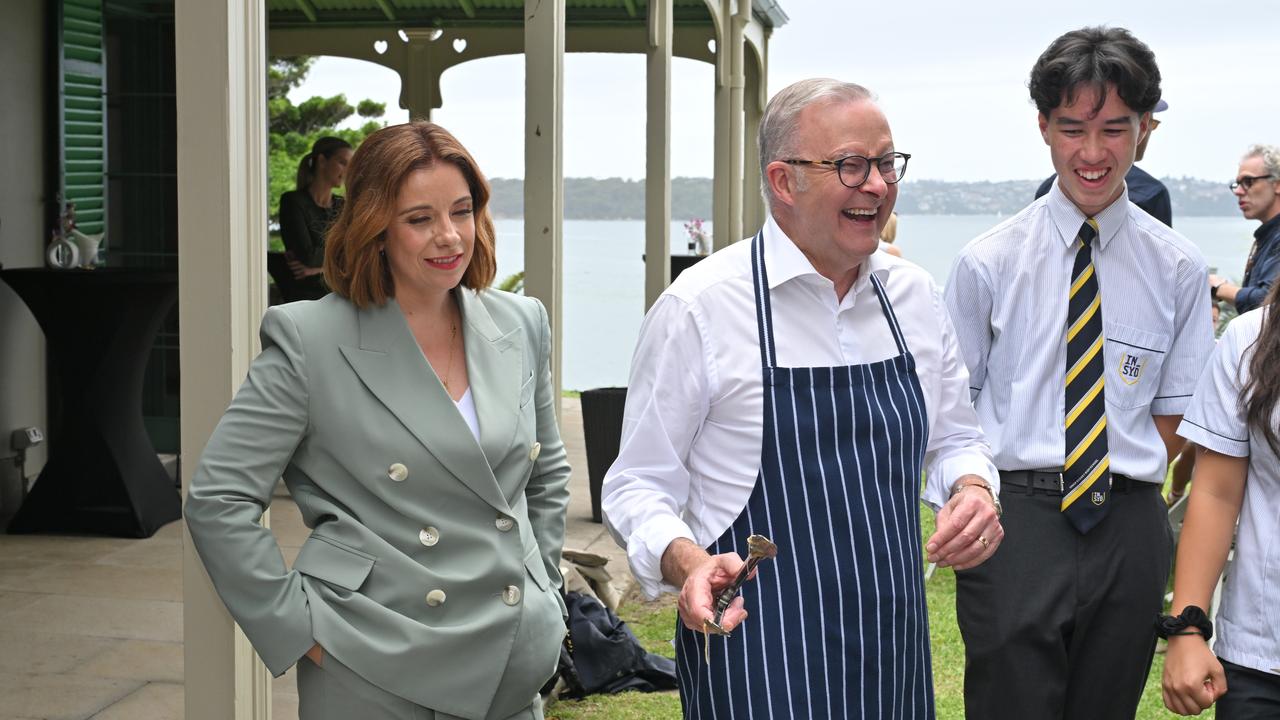
The prime minister hosted scores of the ban's advocates at a function in Sydney to mark the turning point for Australia's online generation, including some who have already found themselves with more free time.
When 15-year-old Paulo Da Rosa Delaney opened his Snapchat account on Wednesday morning, he was pleasantly surprised to find he could no longer send selfies to his mates.
"I just felt this relief, it was like pressure kind of lifted off me," he told AAP.
"The feeling of checking people's Instagram reels is no longer there, which is great."
Plans to play more saxophone and golf are how the once-addicted Sydney school student plans to spend his new-found leisure time.
While Paulo may only have four months to change his online habits, another supporter of the ban is trying to convince her much younger peers of the benefits of living in the real world.
Florence Brodribb, known almost universally as Flossie, has been telling anyone who will listen of social media's health impacts despite being just 12 years old.
Having been told by her mum she could only go on social media if she found any evidence it was beneficial, the Tasmanian primary schooler drew a blank.
"This ban is backed by science," Flossie told AAP.
"It's got a solid backbone which is a bunch of neuroscientists that have obviously done the research."
The astonishing political and community unity in support of the ban could not have been achieved without influential voices pushing the cause to millions.
Nova radio host Michael "Wippa" Wiplfi was one of the first to start a national campaign to protect vulnerable kids with a petition that gained more than 150,000 signatures from parents.
"It became very hard for anyone in politics to ignore the fact there was 10,000 a day signing up," he told AAP.
"I'm able to get on air and open some doors for the right conversations ... that helped push this through."
Lifeline 13 11 14
beyondblue 1300 22 4636
Kids Helpline 1800 55 1800 (for people aged 5 to 25)