Police are investigating reports of a social media post that apparently celebrated the death of Ann Widdecombe, who was killed in a “targeted attack”.
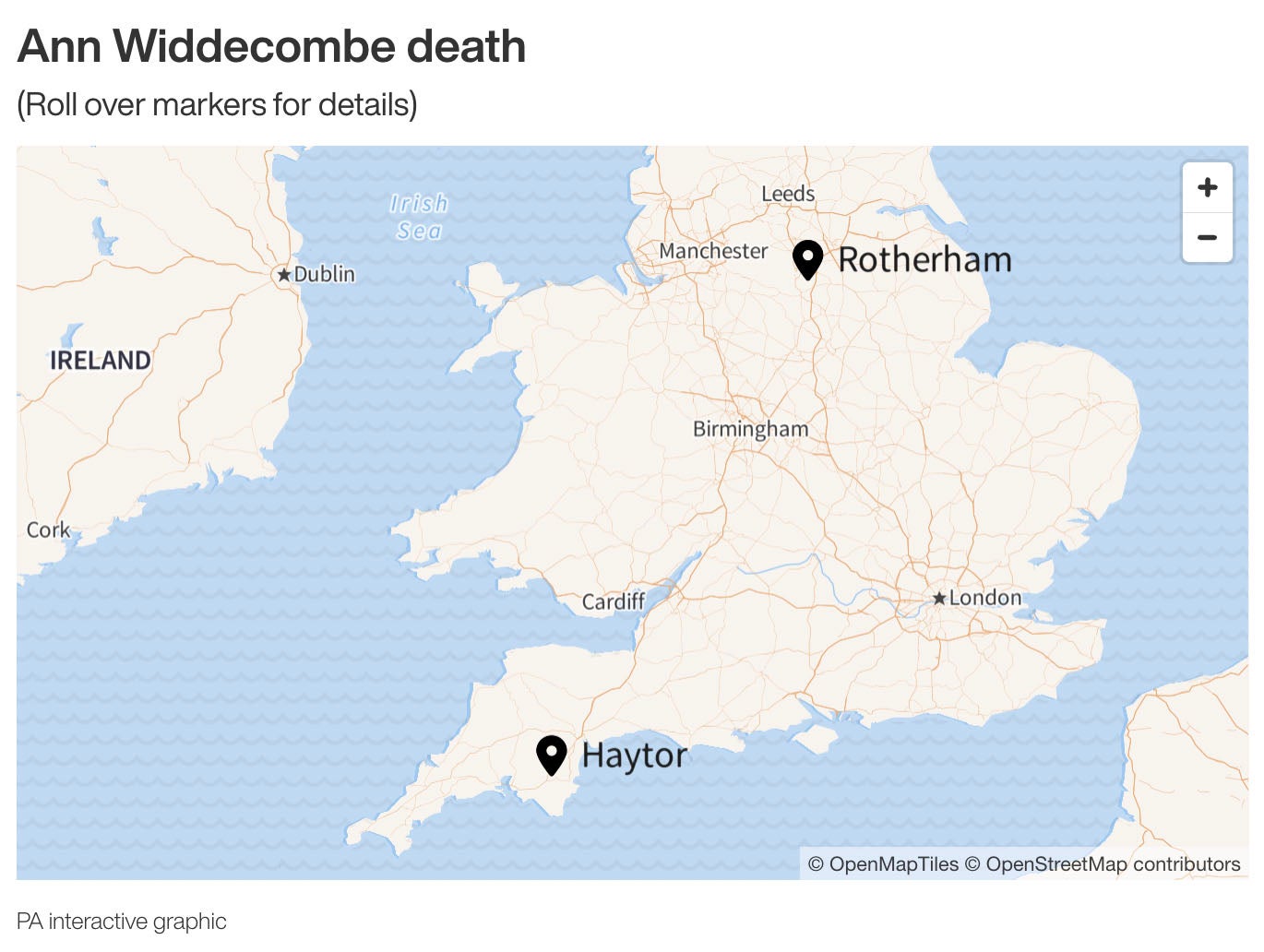
Former MEP Miss Widdecombe, 78, was found dead at her home in Haytor on Dartmoor, Devon, last Thursday.
On Tuesday, a Police Scotland spokesperson confirmed the force was looking into a post, allegedly made by a University of Aberdeen employee, claiming the former MP’s killing was “good news” and that they had hoped it was an “extremely painful death”.
Police said: “We received reports on Saturday, July 11 relating to a post made online.
“Following further assessment, additional enquiries are being carried out.”
A spokesperson for the university said: “The comments that have been shared are entirely the individual’s own and do not represent the views of the University of Aberdeen.
“We do not condone violence or hateful behaviour in any form.
“We are cooperating with Police Scotland as they carry out their enquiries and cannot comment further.”
Ann Widdecombe death investigation
Police have said it is “clear” Ann Widdecombe’s killing was targeted and officers were given more time to question their main suspect over the death.
Specialist counterterror officers have taken the lead on the investigation after detectives reportedly discovered material suggesting that political ideology could be a factor in the motive.
In an update Tuesday, head of Counter Terrorism Policing Laurence Taylor said it was “clear that this was a targeted attack”.
He said detectives were still working to understand the extent of any planning or preparation and the motivation behind that attack.
Investigators were “retaining an open mind” over whether foreign state interference may have played a part, he said, declining to be drawn on any theories about a motivation for the murder.
A 28-year-old man, who was arrested in Rotherham on Saturday on suspicion of murder, has since been re-arrested on suspicion of commission, preparation or instigation of acts of terrorism.
Suspects can now be held for questioning for up to seven days under the Terrorism Act.