Social media has become a main communication channel influencing Thai voters, as politicians are expected to target their advocacy even more in the next election, say social media and communication experts.
"Comparing this election with last one in 2011, social media reached more users and a variety of groups through different channels, making it a major media as the Election Committee's rules do not allow political advertising through broadcast and print media," said Mana Treelayapewat, lecturer in communication arts at the University of the Thai Chamber of Commerce (UTCC).
The Future Forward Party used Twitter to communicate and engage users via the hashtag #Fahrakpao.
Mr Mana said at times an Information Operation (IO) strategy using fake news was chosen to attack competing parties or mislead.
"IO has been used in war, but now it has come to the cyberworld," he said.
In the next election, Mr Mana believes social media will be used as a targeted tool to attract special groups and for engagement/loyalty, such as with LGBT (lesbian, gay, bisexual and transgender) and others.
Pawoot Pongvitayapanu, a social media analyst, said Thai politicians still use social media in a conventional way -- communicating directly with voters and purchasing advertising.
The most effective way for social engagement is to use social listening to analyse and connect with voters. The Future Forward Party efficiently used social listening to reach first-time voters, while major parties still use social media in a traditional way, he said.
Apisilp Trunganont, co-founder of Pantip, Thailand biggest online forum, said there are two sides of social media -- open/public channels, like Facebook and Twitter, and closed group communication such as Line.
"There were a lot of attacks on the existing prime minister though social media, but this channel does not represent the majority of voters," said Mr Apisilp.
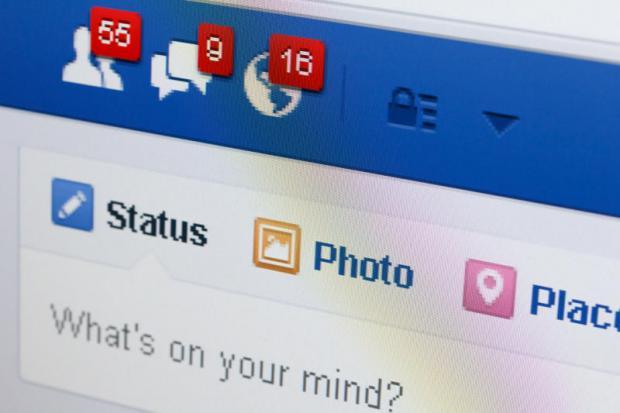
Sophis Kasemsahasin, senior vice-president and partner of FleishmanHillard, said Thais are social media addicts. Bangkok, the site of much political movement in recent months, is home to one of the highest number of Facebook users in the world, with 90% of city residents using the channel for communication.
Bangkok's 7.5 million social users are ranked fifth by Czech social media monitor Social Bakers, while Thailand has 50 million Facebook users as of January 2019.
The unrest in 2013 saw protesters taking selfies in anti-government demonstrations, while voters in the March 24 election snapped selfies as they participated in political activities.
Whether at demonstrations or at the polls, Thais rely on each other for the latest news.
On the evenings of March 23 and 24, #ThailandElection2019 ranked as the top trend on Twitter, making it a social media phenomenon for Thais the world over to engage in after waiting so long for a general election.
Popular social platforms have created a medium for public debate that previously didn't exist. These are all developments that encourage the growth and strength of democracy and must be supported, said Ms Sophis. More Thais are becoming citizen journalists, as they become informed on government.