Sochi 2014: where has the money gone – in pictures
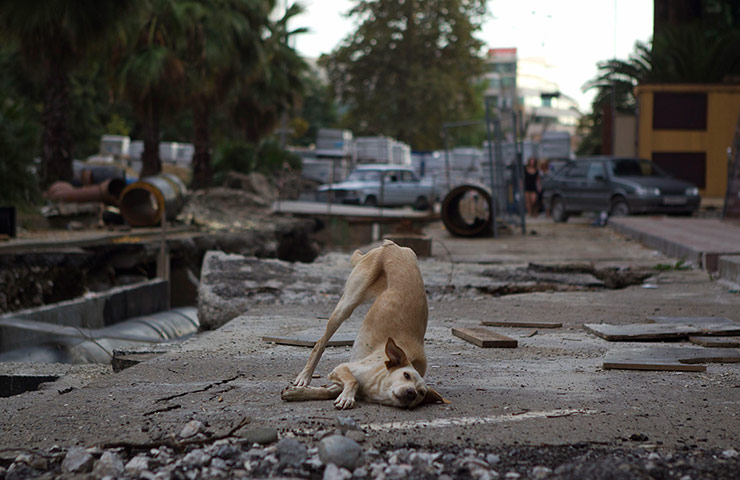
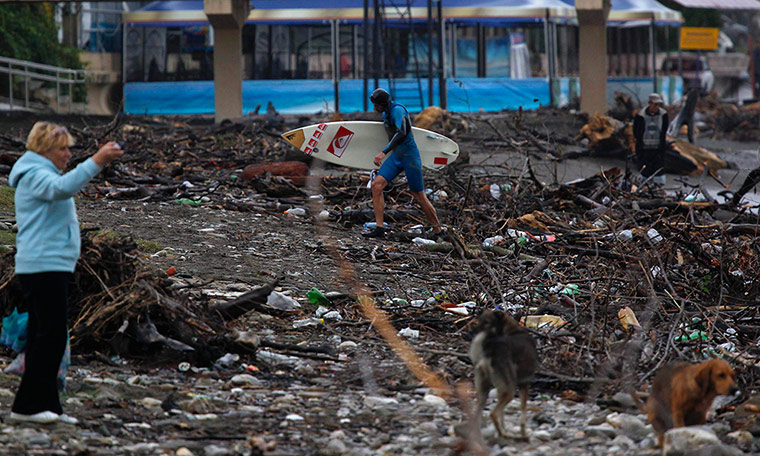
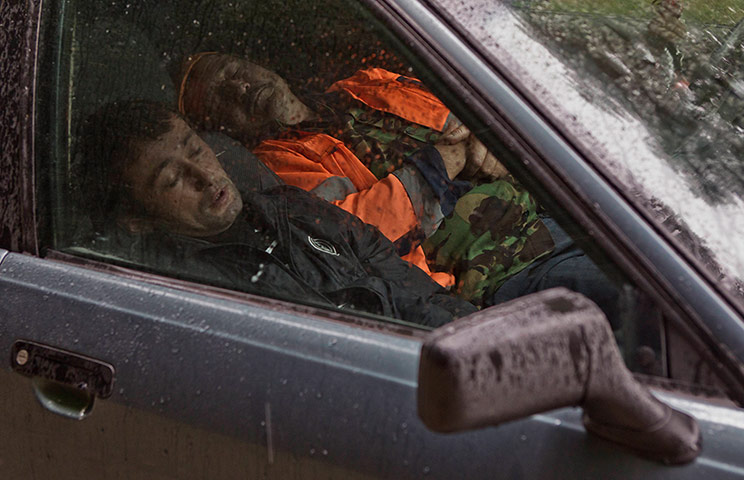
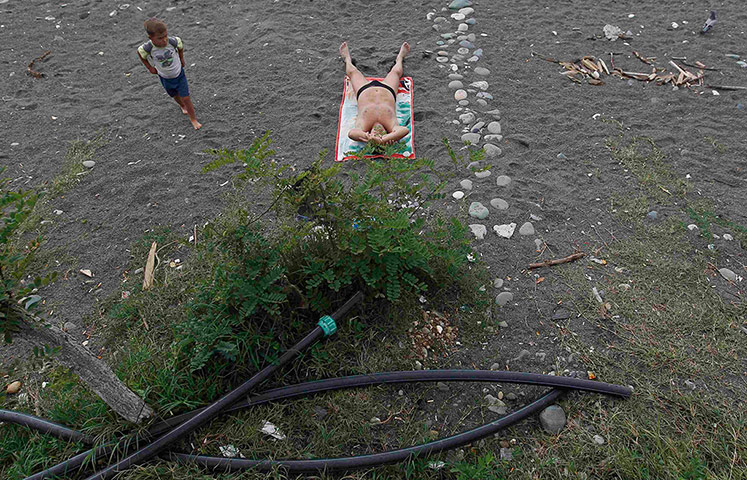
A dog rolls in the street in central Sochi as construction continues. With 120 days to go until the opening ceremony, around half the $51bn spend is alleged to have disappeared in corrupt building contractsPhotograph: Maxim Shemetov/ReutersA surfer walks through storm debris on the beach of the Khosta district of Sochi on 25 September. A report in May stated that 'an absence of fair competition, clan politics and the strictest censorship about anything related to the Olympic Games have led to a sharp increase in costs and a low quality of work'Photograph: Maxim Shemetov/ReutersMigrant workers sleep in a car in the village of Krasnaya Polyana. A human rights report accused firms contracted to build venues – including the Olympic Stadium, the main Olympic Village, and the main media centre – of cheating workers out of wages and requiring them to work 12-hour shifts with few days offPhotograph: Maxim Shemetov/Reuters
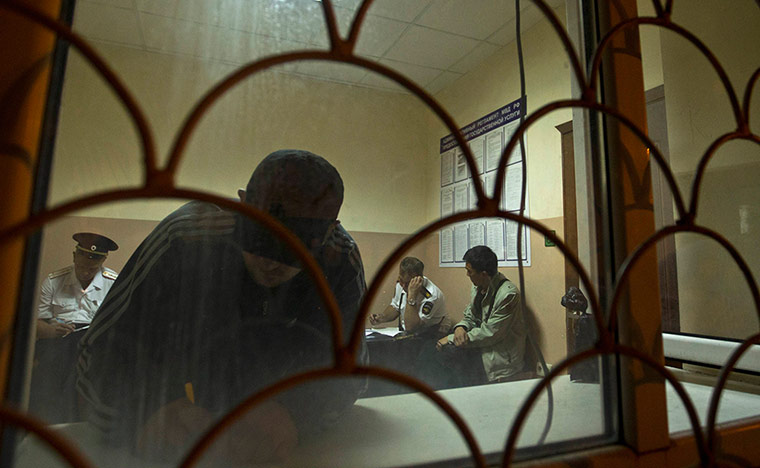
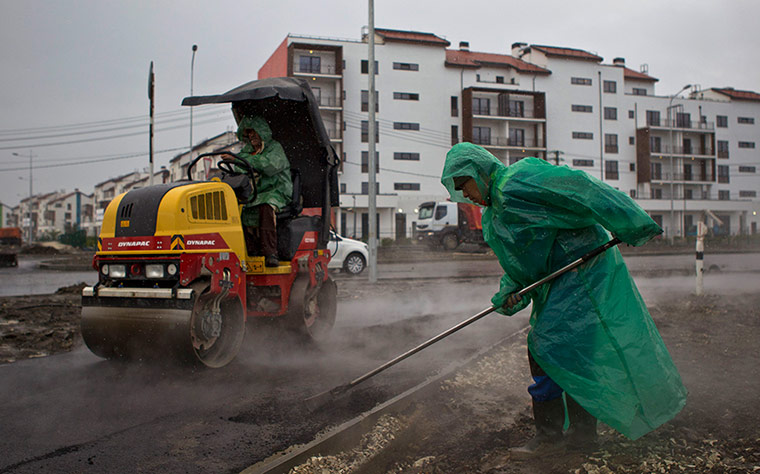
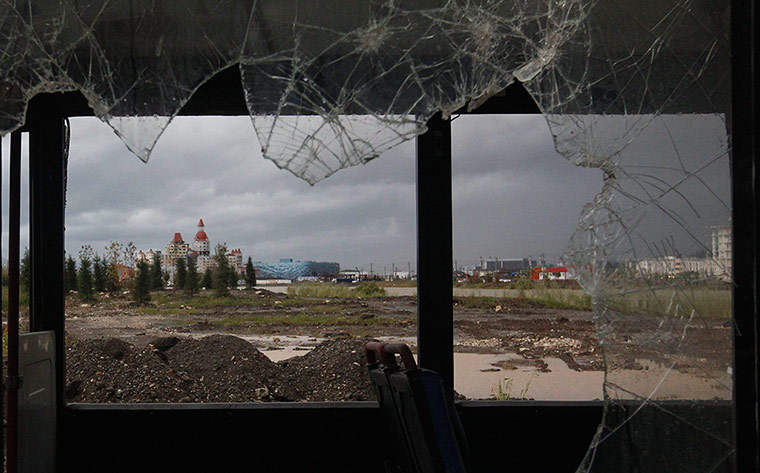
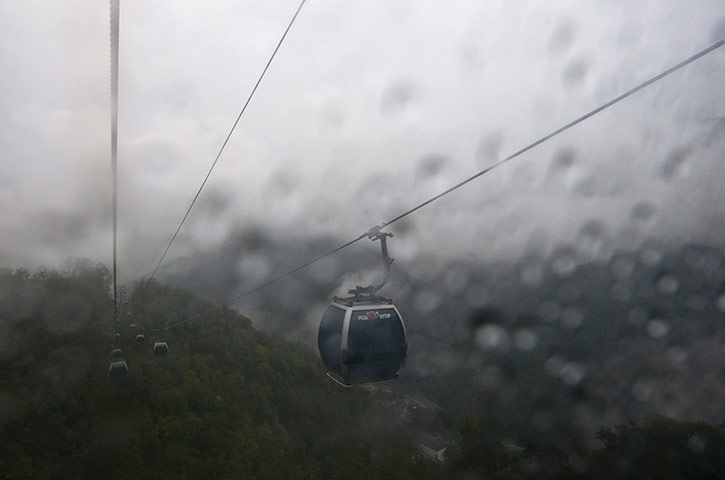
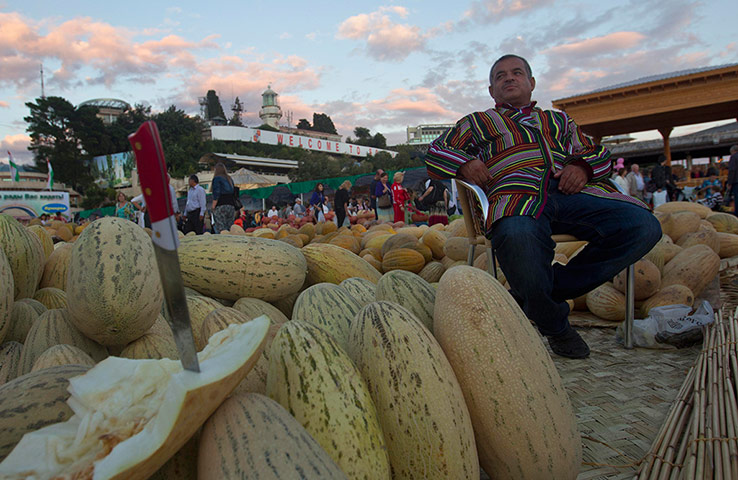
Police officers process documents of migrant workers detained in a sweep by authorities at a police station in central Sochi. Companies are also accused of confiscating passports and work permits, apparently to coerce employees to remain in exploitative jobsPhotograph: Maxim Shemetov/ReutersWorkers lay asphalt in the Olympic Park in the Adler district of Sochi. The 18-mile road between Sochi and the mountain sports cluster of Krasnaya Polyana has become a symbol of the huge cost increases. 'You could have paved this road with five million tons of gold or caviar and the price would have been the same,' said opposition figure Boris NemtsovPhotograph: Maxim Shemetov/ReutersSochi is known as a beach resort, and there are concerns as to whether there is going to be enough snow in a resort where temperatures reach 30C in the summer and remain a relatively mild 10C even in FebruaryPhotograph: Maxim Shemetov/ReutersA view of the Olympic complex through the window of an abandoned bus. There are concerns that Sochi's remote location will impact on the atmosphere and spectator numbers, prompting the authorities to cap rail and air prices to the regionPhotograph: Maxim Shemetov/ReutersAmid the fears of lack of snow, organisers began stockpiling snow in February this year and will employ 400 snow machines to ensure they are not embarrassedPhotograph: Maxim Shemetov/ReutersShadi Madaminov, a vendor from nearby Tajikistan, sits on a chair at the Tajik market. Russian authorities are planning to limit public demonstrations and access to neighbouring territories during the GamesPhotograph: Maxim Shemetov/ReutersOrganising Committee president Dmitry Cheryshenko has argued that it is unfair to conflate the money spent on infrastructure with the direct operational cost of the Games. But it is a line that is harder than ever to hold in an area that will struggle to make full use of all the upgrades when it reverts to being a luxury holiday resort after the GamesPhotograph: Maxim Shemetov/Reuters
Sign up to read this article
Read news from 100’s of titles, curated specifically for you.