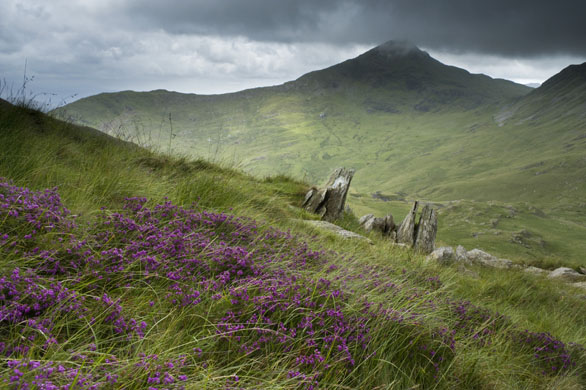
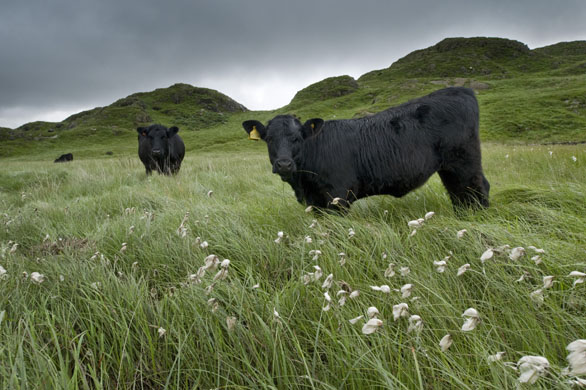
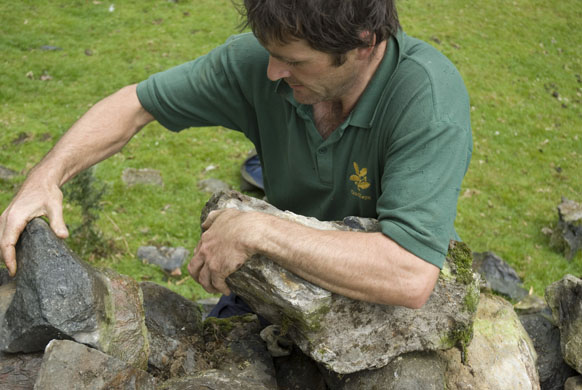
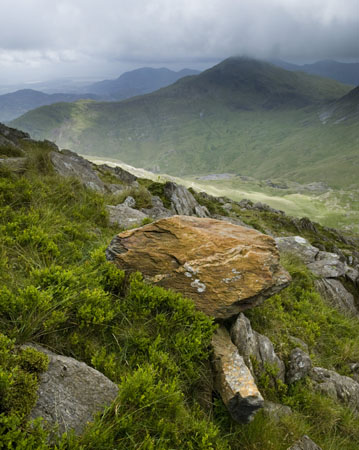
The glaciated landscape which inspired a nation of poets and song, and where Sir Edmund Hillary trained to climb Everest, was suffering from intensive farming when the National Trust bought it 10 years agoPhotograph: Joe Cornish/PRA Welsh Black cow and calf among the cottongrass. Re-introducing cattle to the farm not only produces organic beef but also helps the regeneration of the land because their hooves break up the ground, enabling new plants to growPhotograph: Joe Cornish/PRRepairing the traditional dry stone walls which criss-cross the Snowdonia National ParkPhotograph: Paul Harris/PR
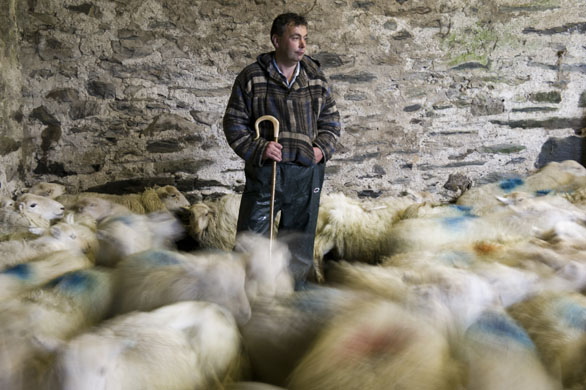
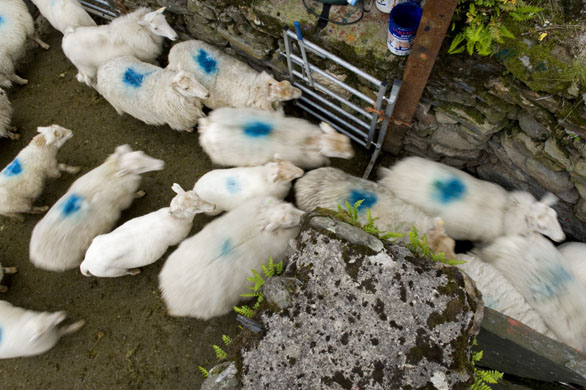
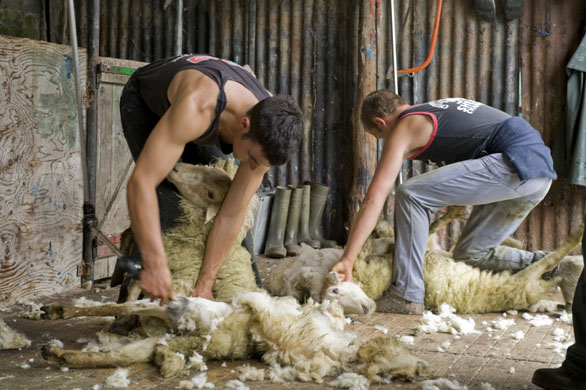
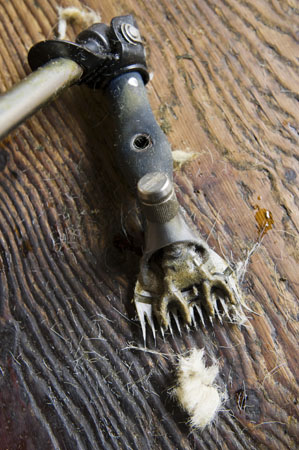
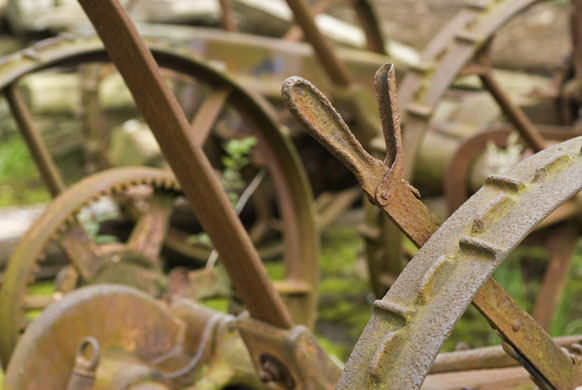
Farm manager Arwyn Owen with Welsh Mountain sheep. The sheep flock at Hafod y Lan was cut down to 1,500 plus 500 lambsPhotograph: Joe Cornish/PROverhead view of the Welsh Mountain sheep in the sorting pen before shearing. The flock was reduced from 5,000 sheep because they were relentlessly eating the sweetest grasses, bilberry and heather, and chomping down any saplings that might have grown into woodlandPhotograph: Joe Cornish/PRHafod y Lan fleeces are used, among other things, to insulate boxes of lamb sold directly from the farmPhotograph: Joe Cornish/PRHafod y Llan farm Snowdonia, WalesPhotograph: Joe Cornish/PRFarm machinery on Hafod y Llan farm, Snowdonia Photograph: Paul Harris/PRTen years on, the uplands of the farm show more diversity with heather, bilberry and Sundew and mosses. "It’s looking more diverse: more of a pattern of colours and textures,” says the National Trust's local managerPhotograph: Joe Cornish/PR
Sign up to read this article
Read news from 100’s of titles, curated specifically for you.