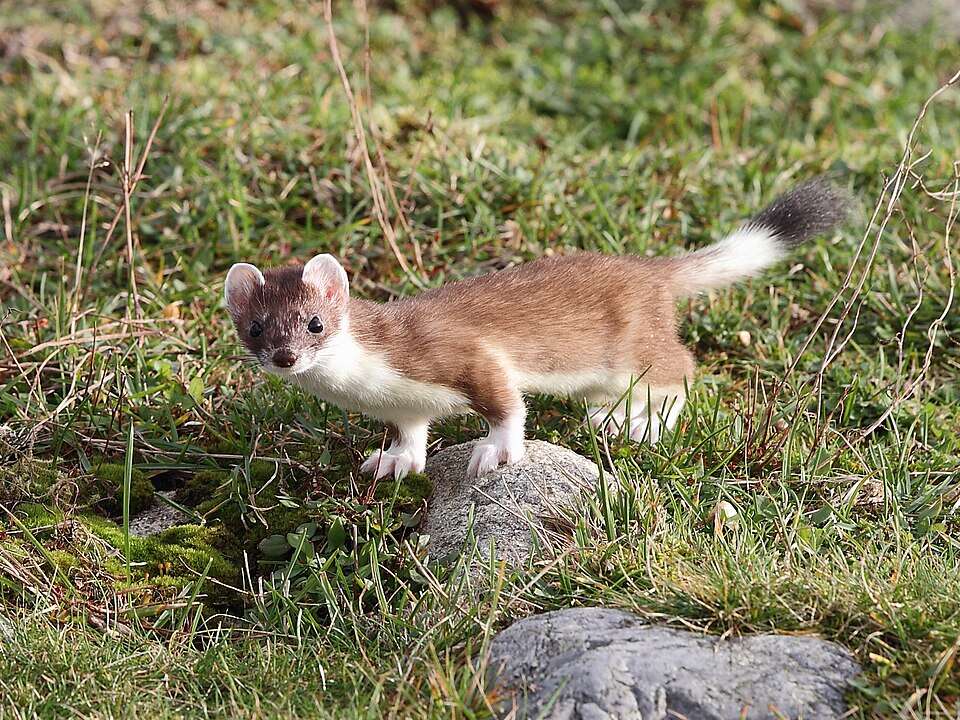
Climate change is posing another warning sign in the Italian Alps. A recent scientific report says reduced snow cover could shrink the stoat’s habitat, while changes in its prey may further disrupt alpine ecosystems. According to research published in Mammal Research, available through Springer Nature , the suitable habitats of the stoat in the Italian Alps could decrease by 36 percent by the end of the century in a high-emissions climate scenario.
Get breaking news anytime, anywhere. Download the TOI app now!
The research analysed how changes in snow cover and in the snow vole’s distribution might affect stoat populations. Scientists from several Italian research centers used species distribution modelling to assess how the two species may respond to future climate conditions. Climate projections were conducted until 2100 under various greenhouse gas emissions scenarios.
Why is snow important to the alpine stoat
Stoats (Mustela erminea) are adapted to survive in the coldest habitats. In the winter season, some stoats grow white fur that makes them invisible while hunting and hiding from predators in snowy terrain. However, in winters that are becoming shorter with less snow, this evolutionary adaptation can become a disadvantage. White stoats walking on snowless terrain become more visible to their predators, including birds of prey.
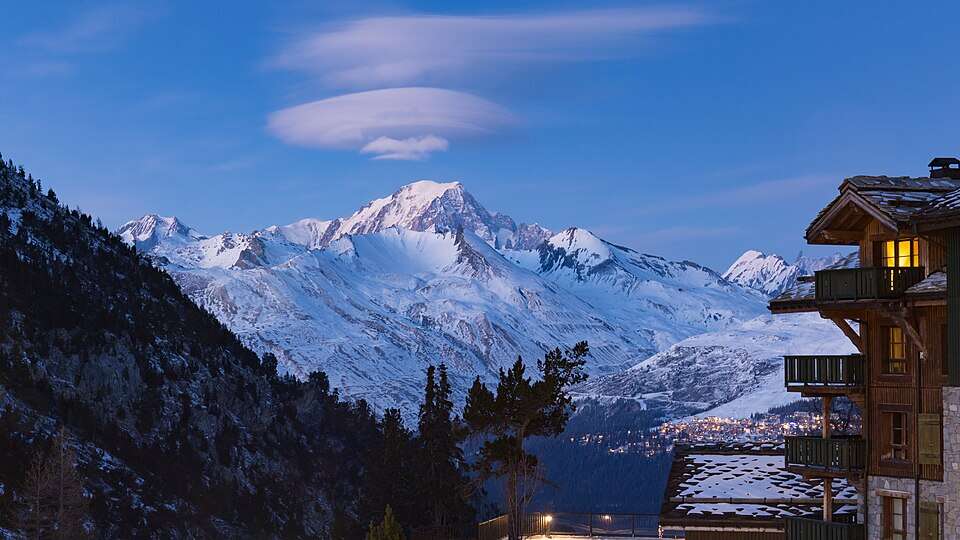
In the study, the number of snowy days was the strongest predictor of stoat habitat suitability in the Alpine region. The Mammal Research paper says snow cover and snow vole presence explained more than 64 percent of the variation in stoat habitat suitability. Climatologists have already described climate changes leading to warming in the Alps. According to the European Environment Agency (EEA), annual snowfall and snow cover extent have generally decreased across Europe, particularly at lower elevations.
Prey shifts add another challenge
The problem concerns not only the diminishing snow. Along with it, researchers also considered the interactions between the stoat and Chionomys nivalis, which is the rodent species constituting the major component of the stoat diet in the Italian Alps. Scientists forecast that the rodent’s habitat range may increase under both future climate scenarios.
According to the research, while stoats will tend to go upwards seeking better climatic conditions, snow voles are likely to undergo a minor change in elevation downwards. Thus, the interaction between predator and prey may become increasingly problematic. Although stoats eat several rodent species, researchers say snow voles are especially important because they are larger and provide more energy. Thus, losing them at high altitudes might prove to be rather damaging to the predator.
Broader warning for mountain wildlife
The research highlights a growing concern among scientists: climate change affects not only individual species but also the interactions between them. According to researchers, mountain habitats are some of the most at-risk habitats due to the fact that many species living in mountain areas are adapted to colder climates and therefore do not have much choice when the temperatures increase.
Research has shown that climate change is driving elevational shifts in mountain biodiversity. A study published in Nature Communications found that warming is leading to widespread upward shifts in mountain species distributions, increasing pressure on species restricted to higher elevations.
Relevance of the research outside Italy
The Italian Alps are part of a larger European mountain range and are home to unique wildlife, including animals adapted to cold, snowy climates. The shifts in the alpine landscape may have consequences for species other than the one studied. The authors said the stoat can serve as an indicator of climate-related change because it depends heavily on snow and is closely tied to its prey.
Better long-term monitoring was proposed by the scientists in addition to the citizen science approach and wildlife tracking techniques. The results are also relevant to countries like the UK, where stoats are widespread. While the UK stoats do not live in such conditions as the Italian ones, there were also studies about the influence of environmental changes on them.
Preservation of fragile mountain habitats
The research does not imply an imminent disappearance of stoats from the Alps. Rather, the possibility of gradual extinction is mentioned if warming remains at the same level. If the level of emissions was reduced to a moderate one, scientists projected a less severe decline of stoat habitat, and in the case of the highest level of emissions, there was the biggest decrease. The authors pointed out that mitigation of general threats to the alpine ecosystem, including habitat degradation and human presence, could contribute to resilience.
As the snow line rises, the alpine stoat’s future will depend on how quickly it can adapt to a changing mountain environment. For scientists, studying animals such as the stoat provides important information on the consequences of climate change in a fragile ecosystem.