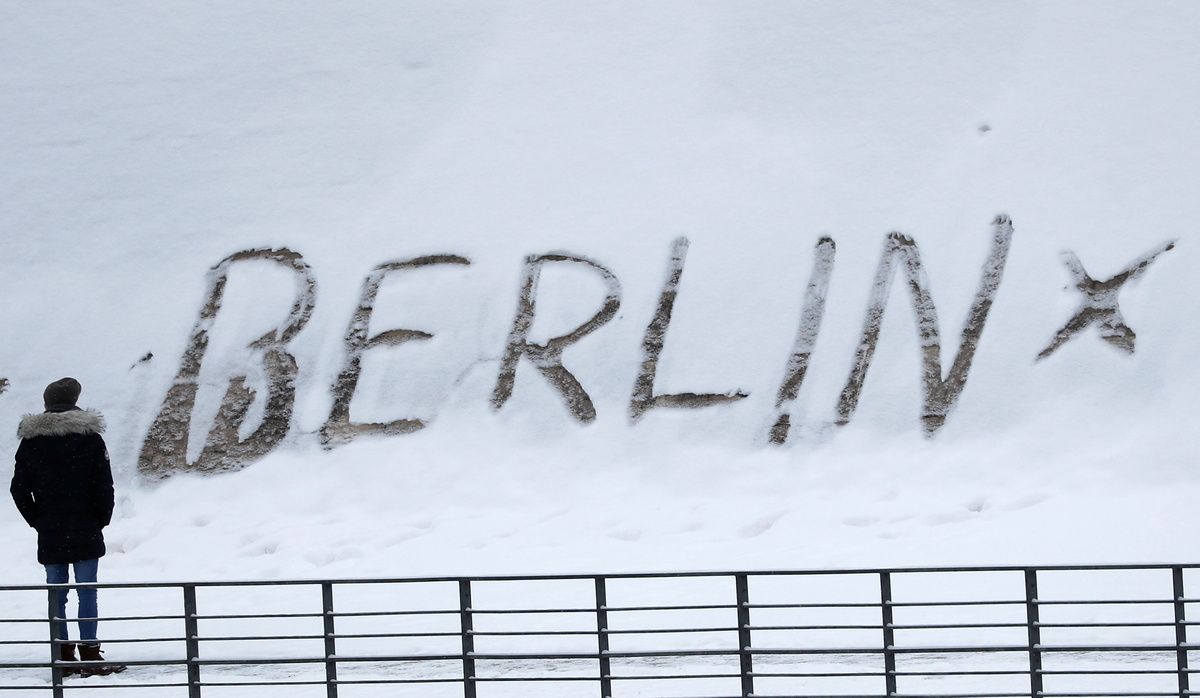
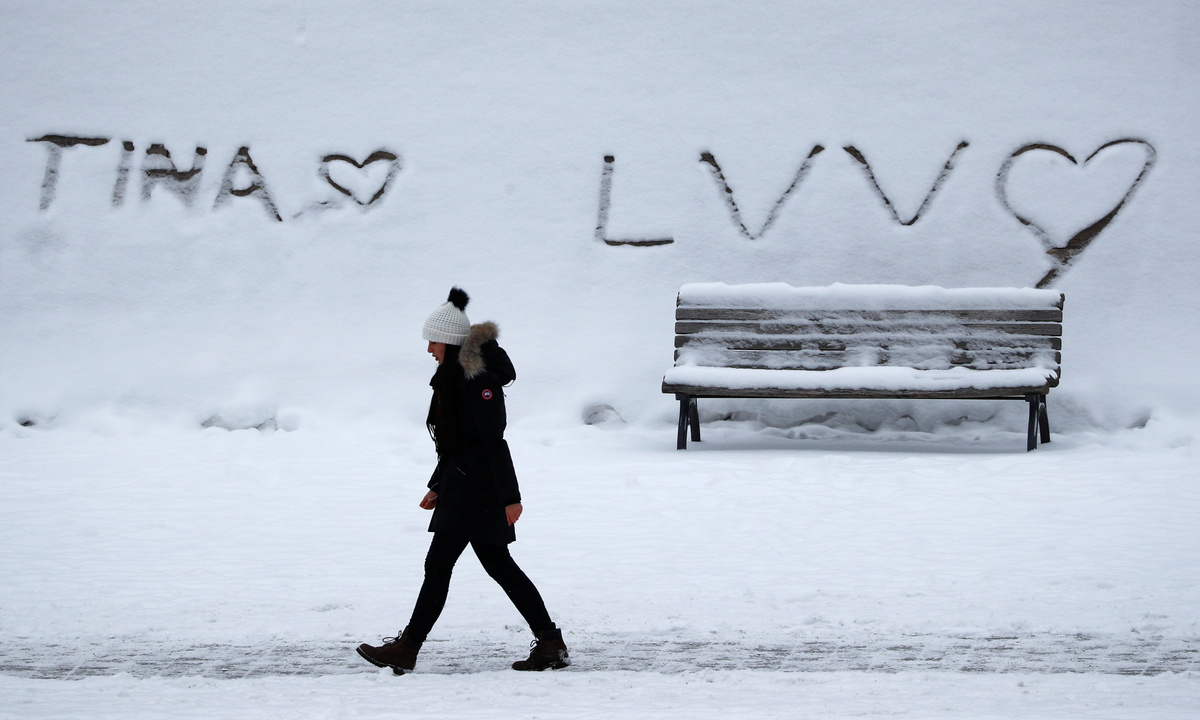
Heavy snowfall across Germany has disrupted flights and road and rail travel, with locked-down Germans warned to stay home as temperatures plunge to their lowest so far this winter.
Thousands of people in and around the southern city of Nuremberg were even told by utility N-Ergie to turn down their heating after a fire at a plant hit its ability to provide heat.
Many trains were cancelled or delayed across large parts of the country, and commuter rail services in the northern states of Lower Saxony and Bremen were halted altogether, said operator Deutsche Bahn.
Flights at Dortmund Airport were suspended on Sunday due to the weather and should resume on Thursday, a spokeswoman for the airport said.
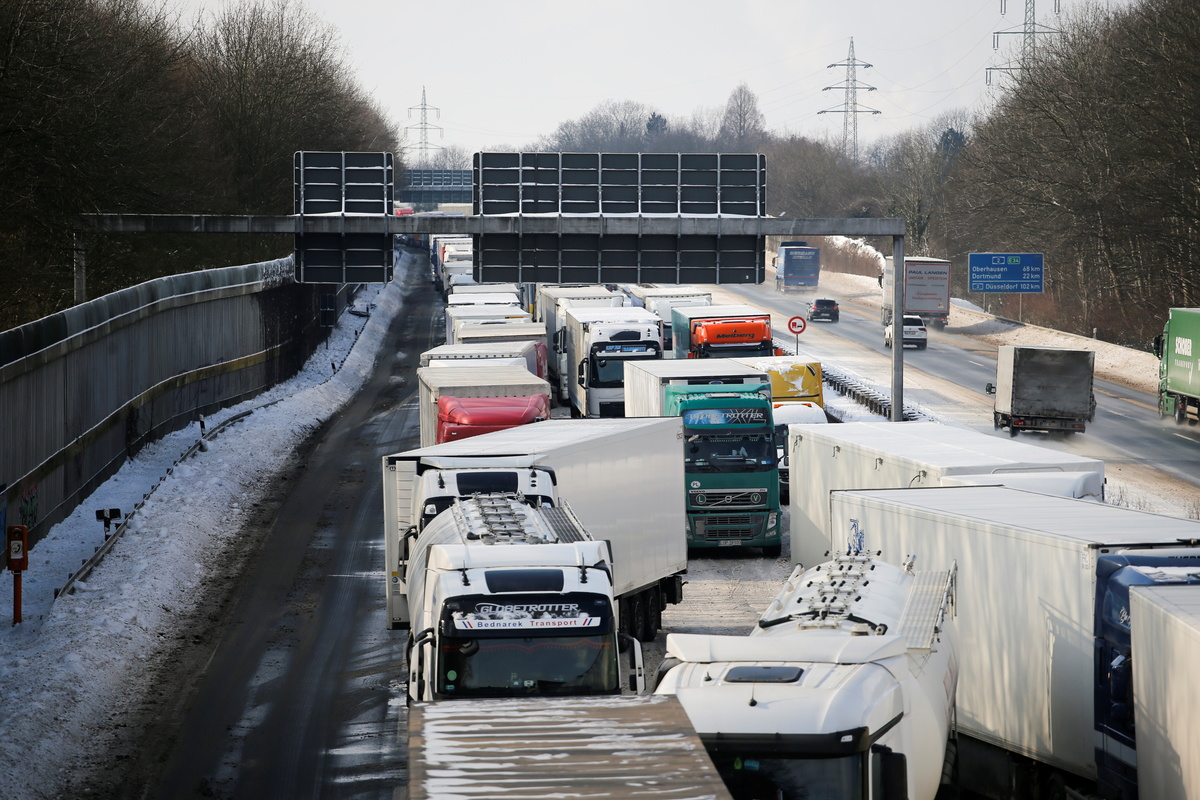
Drivers forced to spend the night in their cars on the A2 motorway in northern Germany were given blankets, hot tea and food by the Federal Agency for Technical Relief (THW) which deployed teams across Germany to free vehicles and clear snow.
Transport Minister Andreas Scheuer has urged Germans, already in lockdown due to the coronavirus crisis, to stay at home, expecting transport disruption to remain at least until Wednesday.
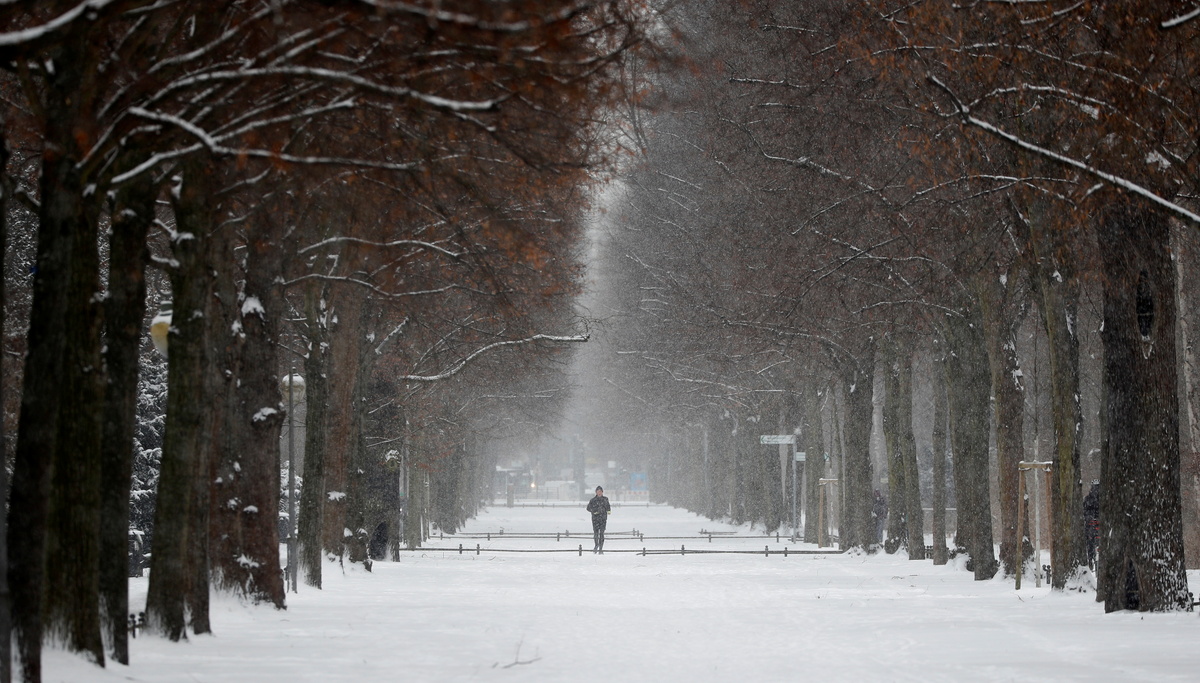
Temperatures on Tuesday fell to -6 degrees Celsius in Berlin and are projected to dive to -16 degrees at night, freezing many of the German capital's canals and prompting Berlin police to warn Berliners against stepping out on to the thin ice.
The German Weather Service said this February week was the coldest in Germany since 2012, but warned that global warming was making such cold snaps rarer.
"What we are experiencing now is an outlier to the cold side, but it has nothing to do with the general trend and it does not speak against climate change," the Service's spokesman Andreas Friedrich told Reuters.
(Reporting by Riham Alkousaa and Maria Sheahan; Editing by Alexandra Hudson)