A yellow weather warning has been issued for parts of the UK as a band of rain and snow is expected to sweep the country over the course of the day.
The weather warning for snow and ice is in place for parts of Scotland, including Central, Tayside & Fife, over Tuesday afternoon and early evening, according to Met Office forecasting.
With surfaces falling below freezing after dusk, patchy ice is likely to develop on untreated surfaces with the potential for some wash-off of previously treated surfaces where showers fall.
Meanwhile in South East England and Wales, Wednesday will bring a band of rain moving northeastwards, with downpours becoming heavy and persistent.
Affected areas included Cornwall, Devon, Plymouth, Somerset and Torbay as well as Blaenau, Gwent, Bridgend, Caerphilly and Cardiff as well as parts of South West Wales.

Rain will be particularly heavy over the high ground of south Wales and Dartmoor, with a few places likely to get 40 to 60 mm in 9 to 12 hours, before clearing during the afternoon.
Spray and flooding on roads was expected to make journey times longer with flooding of homes and businesses "likely", the Met Office said.
Train and bus services were expected to be affected while interruption to power supplies and other services also likely.

Weather radar maps from WXCharts shows large fronts of often torrential rain arriving from the Atlantic in several waves over the next few days, with this also expected to fall as snow in places.
The rain will continue on New Year's Eve, clearing at around 7pm as revellers head out to celebrate the start of 2023.
A Met Office spokesperson said: "Some roads and railways likely to be affected with longer journey times by road, bus and train services.
"A very small chance of interruptions to power supplies. Probably some icy patches on some untreated roads, pavements and cycle paths."
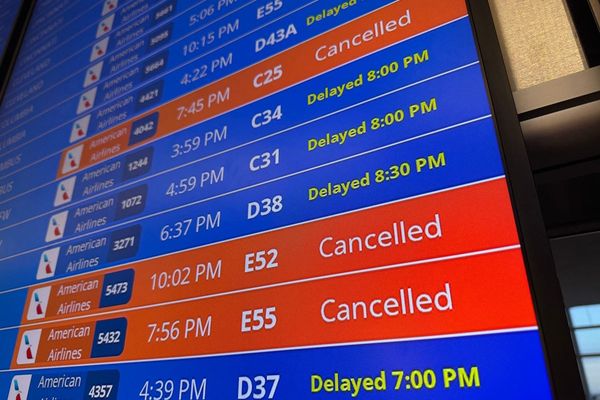
Brits were warned to take care as wintry showers are likely to lead to icy surfaces, causing some disruption to travel services – particularly higher routes.
A sudden change in wind direction in the week between Christmas and the New Year would send temperatures plummeting, according to Met Office meteorologist Alex Deakin.