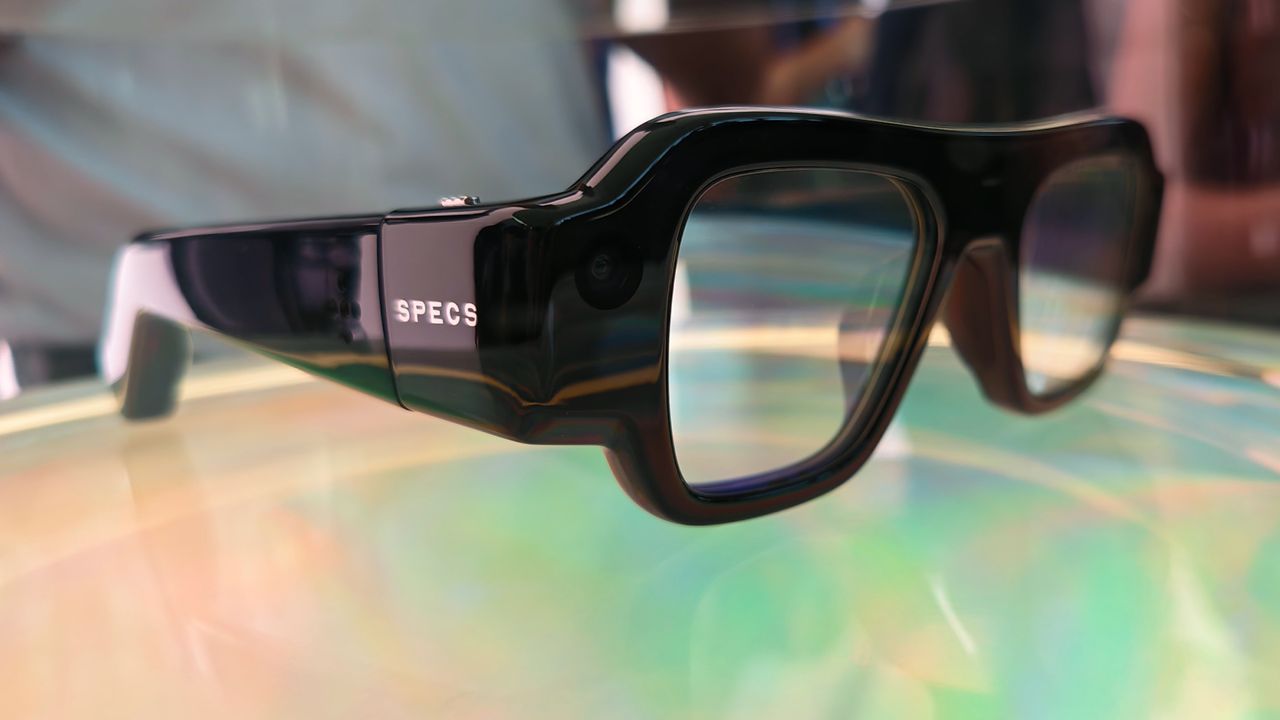
Snap finally revealed a new version of its intriguing Specs AR glasses this week during AWE 2026, but kept many things from the actual release date — "expected" this fall — and the type of chips in the device to itself.
CEO Evan Spiegel called the new glasses "the beginning of a new era in computing." But what's powering this new era?
The Snap Specs are powered by two Snapdragon processors that do all the computing. One of them powers the display and visualizations while the other is responsible for the computing power.
However, Snap refused to disclose which Snapdragon chips are in the glasses. While at AWE, I asked both a Snap engineer and one of their spokespeople. Each reiterated that the Specs use Snapdragon chips.
But which one?
More information was promised closer to the actual release of the glasses "this fall."
Qualcomm, which makes the Snapdragon chips, had a presence at AWE, and I was able to ask VP of XR Ziad Asghar which of its chips were being used in the glasses. He demurred but did say that the processors are part of the company's AR family of products.
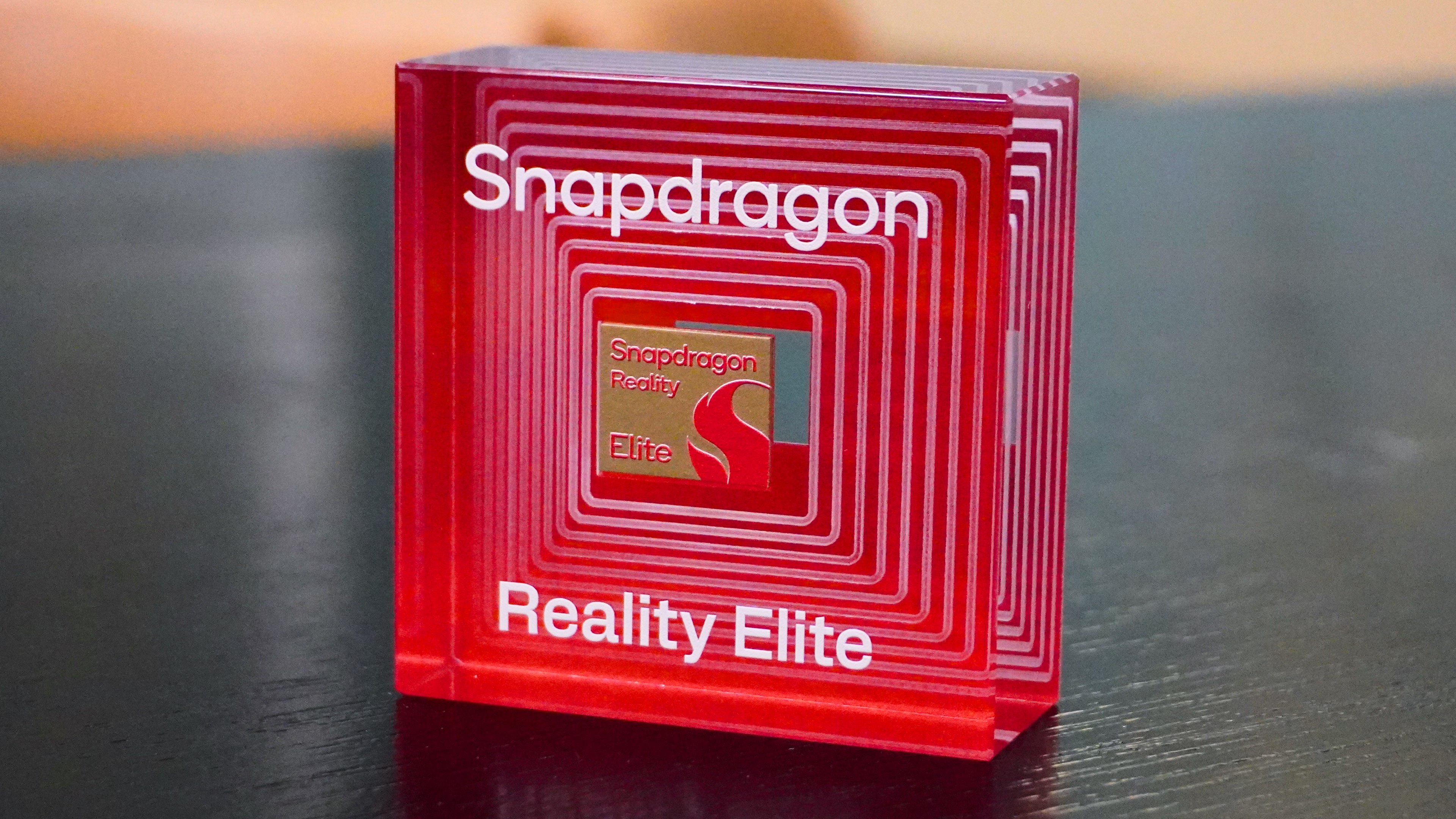
Notably, while the just-announced Snapdragon Reality Elite chip is technically the third generation of Qualcomm's XR lineup, it won't be featured in the Specs. Asghar said that the Reality Elite is for higher-end MR products like Samsung's Galaxy XR headset and the Xreal Project Aura glasses, which do feature the new SoC. Specs, apparently, are not considered part of that lineup.
"The device that Snap has is actually super exciting," Asghar told me, "I would say it's a different category of device."
But will Specs already be behind the eight-ball when it comes to processing power when they launch?
Which chip could it be?
All previous, chunkier versions of the Snap Specs have been powered by tandem Snapdragons, and given Ziad specifically said "AR Family," I'm thinking it may be the Snapdragon AR1 Gen 1 (or some modified version of it), which was announced at AWE 2025. In fact, several devices utilize the AR chip, including the Meta Quest 3S, Rokid Glasses, and RayNeo X3 Pro glasses.
Unlike Qualcomm's mobile processors, which see upgrades on an annual basis, the AR and XR lineup has been slower to update.
The Snapdragon XR2+ Gen 2, used in the Samsung Galaxy XR, for example, was announced in 2024. It's now being replaced by the Reality Elite, which will likely find its way into the next Galaxy XR headset.
I was told that the previous versions of Specs use an "older solution," the AR chip. Presumably that means the new Specs utilize a newer chip. However, Qualcomm hasn't announced any other XR or AR chips recently beyond the AR+ and Reality Elite.
@tomsguide ♬ original sound - Tom’s Guide
Snap would not confirm if Specs have a customized chipset, and Qualcomm deferred to Snap regarding announcing which silicon it uses.
Right now, the assumption is that Snap is using a customized version of the AR+1 Gen 1 chipset or possibly a new generation of it, though I doubt that since Qualcomm would want to announce those chips, especially considering all of its "collaborator" companies that would use said SoC.
Still, it's possible Qualcomm could reveal a new AR chip in September or October, when it holds its annual Snapdragon Summit where we typically see the new mobile SoCs such as the Snapdragon 8 Elite Gen 5 announced.
For now, Snap has left us with more questions than answers, except the Vision Pro-esque pricing, that we do know.
More from Tom's Guide
- Best of AWE 2026: The top gadgets that show us the future of XR
- Here's what the Snap Specs look like, as modelled by Jack Harlow, Imogen Heap and more
- Tested: Xreal Aura DOES work with Nintendo Switch over USB-C — they won’t tell me how they did it, but I think Snapdragon Reality Elite and Android XR is the way