Vacuuming is such an easy cleaning task that most of us just whizz through it as quickly as possible. However, experts say that switching up your technique at certain points in the year can benefit you and your home... especially if you choose the ‘slow vacuuming’ technique.
No home would be complete without one of the best vacuum cleaners. And while they’re a year-round appliance that gets more use than any other, there’s a high chance that you find yourself vacuuming more in the spring and summer months. That’s because open windows, increased airborne pollutants, and brighter light levels bring in (and show up) hidden dust and dirt in the home.
As a result, the hype around ‘slow vacuuming’ usually takes off in May. And if you’ve seen this trend floating around on social media, you’re probably wondering a few things: What is ‘slow vacuuming’? And is it worth it? Well, the experts all agree that it’s one of the best ways to use a vacuum cleaner more efficiently.
Whether you’re team corded or you’ve always loved the best cordless vacuum cleaners, you may already know that vacuuming is somewhat of a double-edged sword. On the one hand, this floorcare appliance works hard to remove surface-level debris and embedded dust, dirt and hair from your carpets and rugs.
On the other hand, vacuuming can spread dust and other pollutants as you clean, which ultimately lowers your air quality and wreaks havoc on those with allergies or hay fever. Especially when you're in a rush to get the job done.
This is echoed by Johnny Liang, Air Purifier Specialist at Levoit. He says, ‘When a vacuum is moved too quickly, the combination of rapid brush movement and fast motion can create turbulent airflow, which may cause fine particles to become airborne again and rise into the breathing zone, which is often referred to as “secondary dust dispersion.” This is one of the reasons why some allergy sufferers may feel discomfort while cleaning.’
Slow vacuuming, however, allows you to take your time and vacuum at a much slower pace than you typically would. And Paul Bagwell, Founder of Halo Appliances, says this is key to a clean home and stable air quality during the spring and summer months - and especially when vacuuming carpets.
He explains, ‘There’s a growing trend around ‘slow vacuuming’ and, fortunately, there is actually some science behind it. Moving more slowly increases the amount of time your vacuum head spends in contact with the carpet, giving it a better chance to lift embedded dirt and dust from the fibres.’
Paul adds, ‘Interestingly, vacuum cleaners are actually tested at a controlled pace. In laboratory conditions, vacuums are typically assessed at around 0.5 metres per second (roughly 1.1 miles per hour), which is significantly slower than our normal walking speed. To put that into perspective, vacuuming the length of a sofa should take around three to four seconds, but most people tend to rush it much faster than that.’
So, slowing down can not only pull more dust, debris and even pet hair from your floors, but it can also lead to cleaner air. And according to Johnny, those with a high-quality vacuum cleaner with a HEPA filter will benefit most here.
He says, ‘By vacuuming more slowly, the negative pressure zone around the floorhead remains more stable, giving disturbed particles a greater chance of being captured directly by the vacuum rather than escaping back into the surrounding air.’
And while ‘slow vacuuming’ alone can be helpful to remove as many pollutants from your house as possible during these months, it’s well worth adding in an extra layer of protection if you really want to pollen-proof your home.
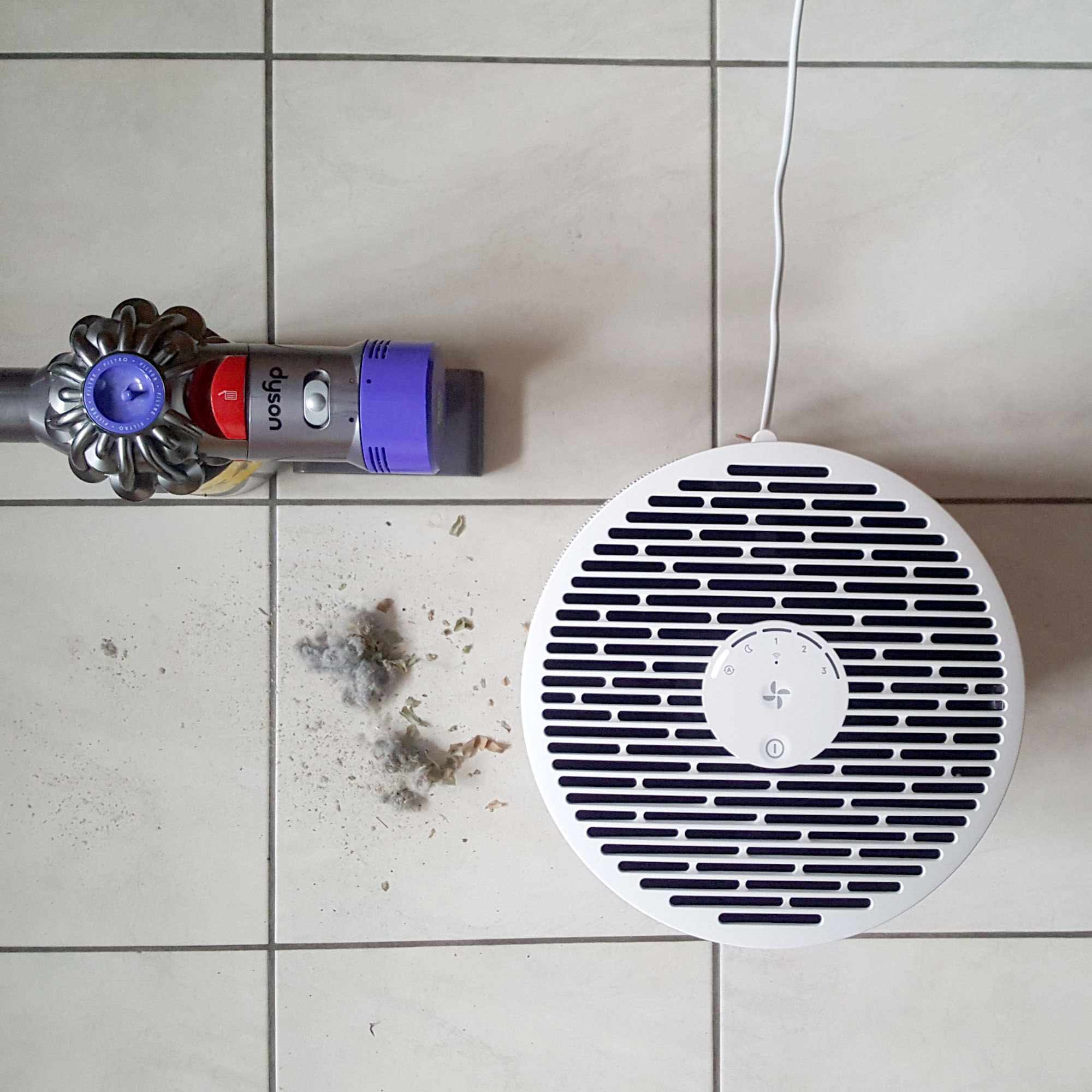
The best air purifiers are key to stable air quality levels, with experts urging anyone to use an air purifier while cleaning - not just when vacuuming. Our top-rated model is the Blueair Blue Max 3250i Air Purifier (£169 at Argos), which gets the job done quickly and quietly.
Jonny agrees, stating, ‘Many smart air purifiers equipped with particle sensors will often shift from “green” to “red” within minutes of vacuuming starting. This visually demonstrates that vacuuming can significantly increase the concentration of airborne particles indoors during the cleaning process.’
In fact, using an air purifier can help capture these particles and the odours they may cause, preventing them from re-entering the air. This will then ensure that both your floors and the air you breathe are clean.
However, it’s important to note that ‘slow vacuuming’ - and any vacuuming in general - will only continue to remove as many pollutants from your home as possible if you’re willing to put in the maintenance. This includes regularly cleaning your vacuum cleaner and its filter to keep it working at its best.
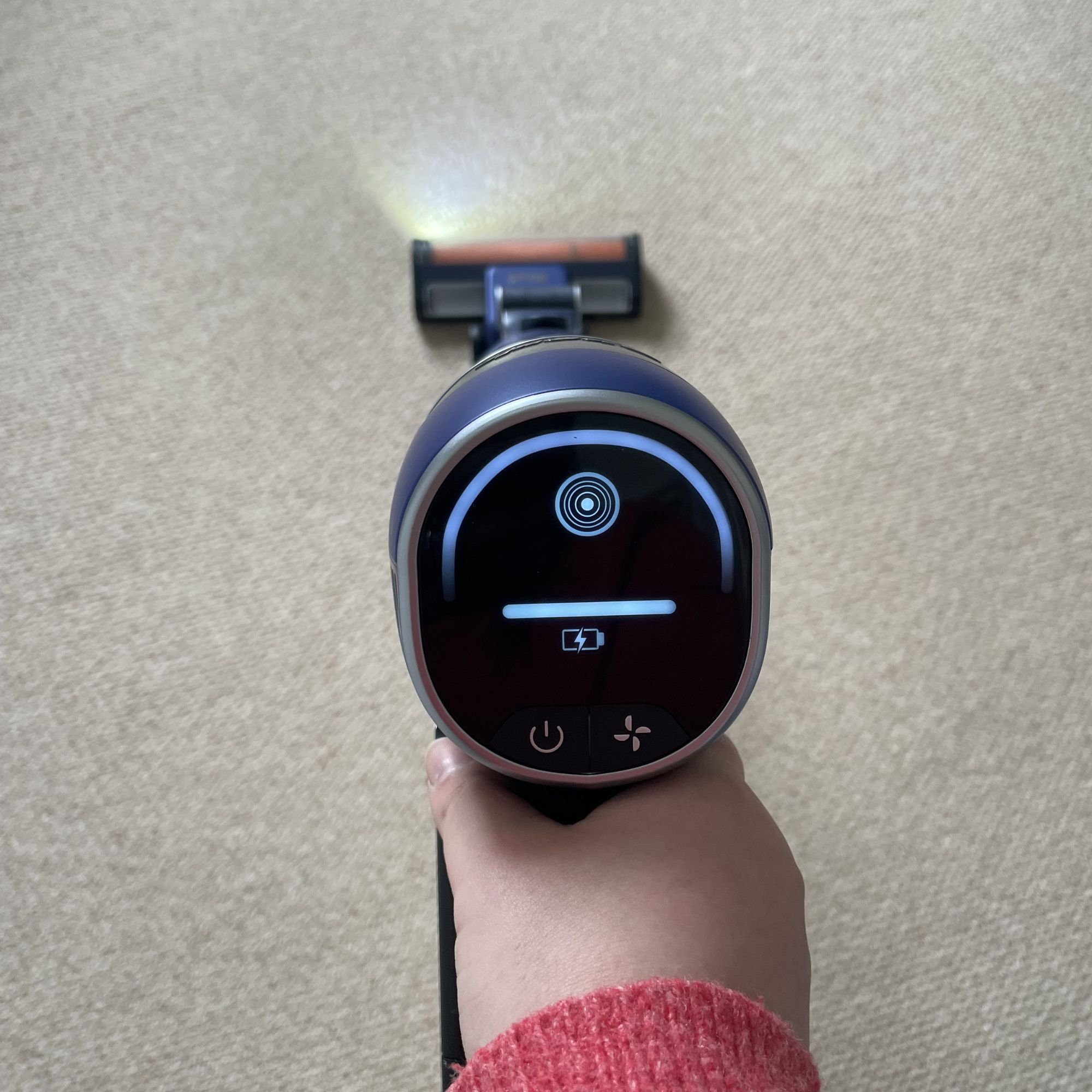
Slow vacuuming will make your dust bin fill up faster, so opting for an auto-empty model like this will limit the number of times you need to empty it. You can read my full review here.
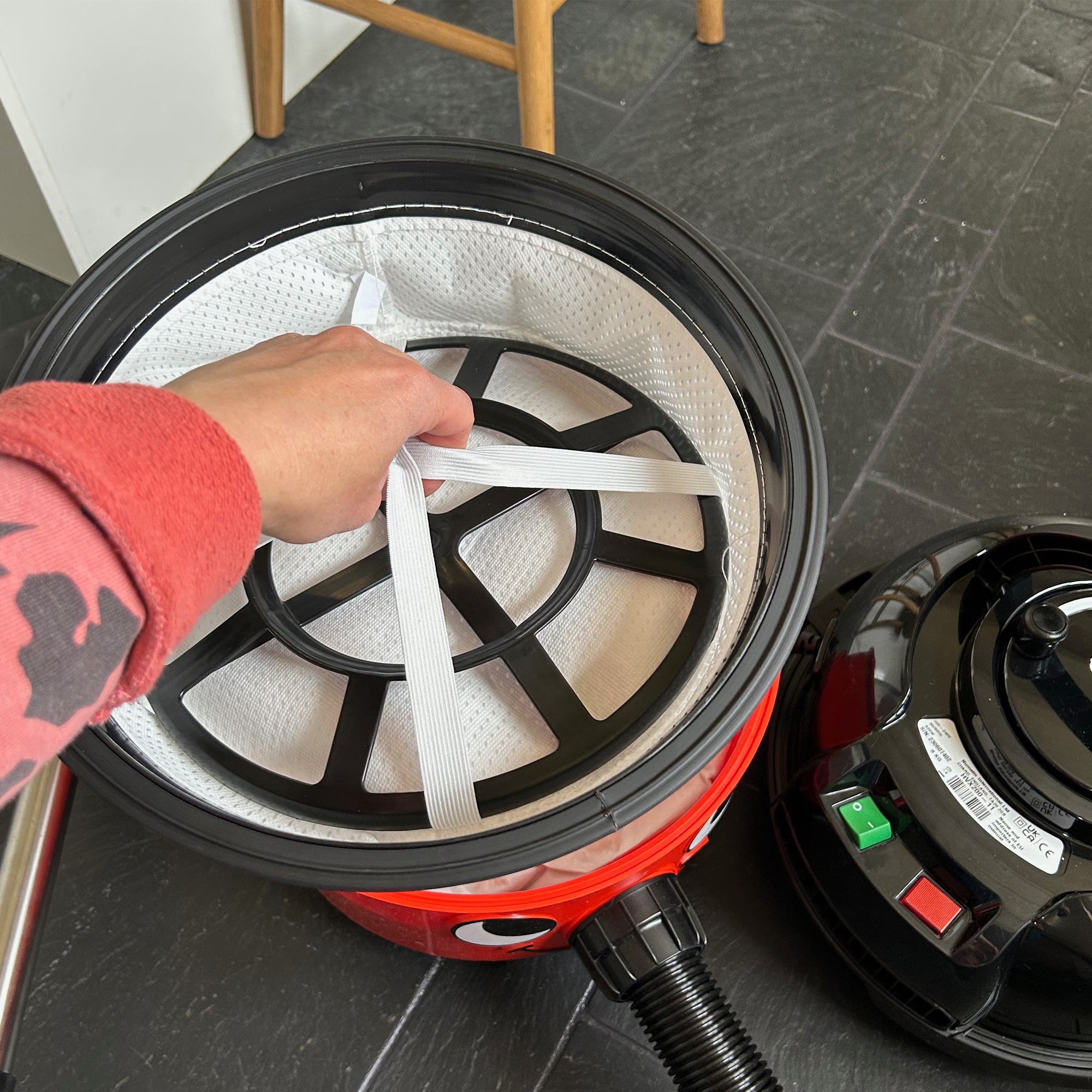
Corded AND bagged, the OG Henry vacuum was made for those who want power and protection. It has a large 6L capacity, and the bags are sealed to keep dust and debris inside. You can read our full review here.
Dyson vacuums use an onboard piezo sensor to count dust particles, which you'll be able to see on the LCD screen as you slow vacuum. This is my favourite model, and you can read my review of it here.
Of course, the elephant in the room is that ‘slow vacuuming’ will ultimately take you more time. But if you value your home’s overall cleanliness, a little patience can go a long way.
If you enjoyed reading this, sign up for the Ideal Home newsletter for all the latest home decor trends and inspiration delivered straight to your inbox