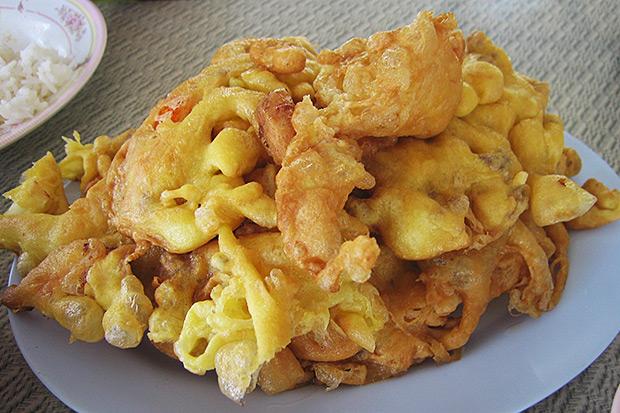
The cooking-oil industry is like an ongoing battle between various types of oils -- palm, soybean, corn, sunflower, rice-bran, canola and olive. Getting more and more serious every day, the oil war doesn't seem to have a winner or loser when it comes to benefits. Each has its own scientific studies and research as reference to underline advantages or otherwise.
Given that there are a number of analyses available out there, consumers are confused about which one they should believe and which oil brand they should trust. They can't help but question whether such analysis has any hidden agenda or is behind the cooking-oil businesses. The same kind of oil, such as palm, soybean and corn, is sold at different prices under different brands. Do these differences entail different quality too?
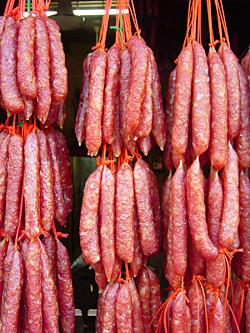
Chinese pork sausage usually has lard in the mixture.
As strange as it may sound, these new players have been recognised and used since the old days, even before the cooking-oil industry came into existence in Thailand.
Take coconut oil, for instance. It was one of the oldest and most widely used oils in the Kingdom. During the Sukhothai period, which had a history of over 700 years, evidence such as earthenware lamps which were fuelled by coconut oil were found. Traditional medicine back in the old days used coconut oil as massage balm and muscle relaxant. The oil was also applied on the skin to heal burning or on the hair to reduce itchiness. Small sips of coconut oil were also found to help with bowel movement.
The popularity of coconut oil gave birth to jobs and family businesses scattered in various areas. People stewed coconut meat until it became liquid before putting it in a tin can for sale. A very large pan called "lotus-leaf pan" was used in the process. So sometimes coconut oil was referred to also as lotus oil.
Coconut oil is used in household kitchens mostly for frying. Vendors who sell fried foods usually opt for coconut oil because it is cheap. But the downside is that coconut oil can smell rancid when stored for a long time. When used in frying, the food can smell rancid too.
Lard derives from Chinese cuisine. The Chinese are experts not only in raising pigs but in turning several parts of the animal into food. Examples include roasted pork marinated with herbs, called red pork. Only the meat part is used for making it. For moo palo (stewed pork), usually the pork belly is used. Pork neck is usually grilled or fried, and for this recipe the pork is marinated with soy sauce first. One of the most important parts is the fat or lard, which makes its way into many Chinese dishes such as pork sausage, in which people use grounded pork mixed with lard. Without lard, the sausage will end up with a hard texture. So incorporating lard into the recipe makes it more tender and tastier.
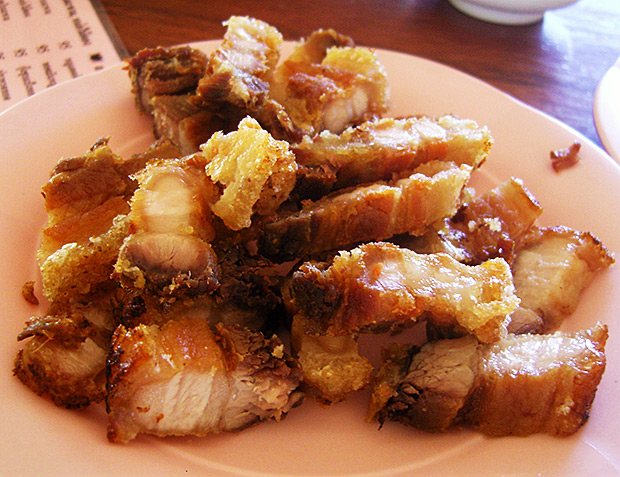
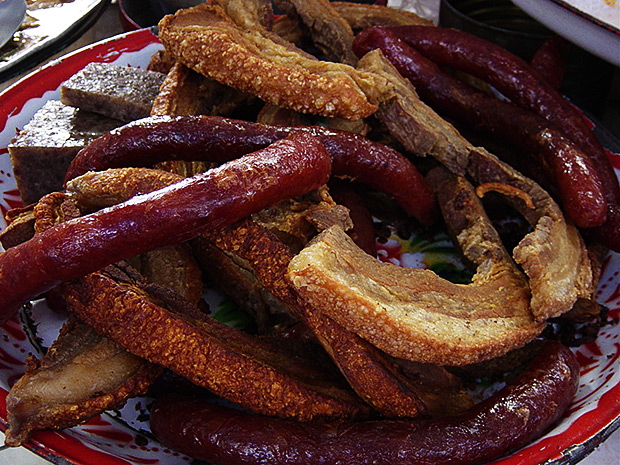
The Chinese usually turn lard into all-purpose oil. People will slice lard into small pieces and fry them. The fat will become liquid. The fried pork lard will become golden brown and can be stored for other dishes. Deep-fried chopped garlic with fried pork lard is usually added to dishes like noodles and clear soup.
No one owns the copyright on lard. Every kitchen uses it. A lot of people know how to make it. It is popular in the preparation of certain dishes like omelette, stir-fried vegetables and deep-fried fish. Many believe lard is a secret behind the taste of those dishes that please consumers after all these years.
The popularity of lard has started to fade away, ever since companies began selling bottled cooking oils, thought to be better, cheaper and more convenient. At first, there was just palm oil. Now brands are producing soybean oil and corn oil, among others. In a way, this means more alternatives for consumers' preferences and affordability. And of course, more brands means more competition, which has become fierce. Even coconut oil, which once disappeared from the food scene, now returns to the field.
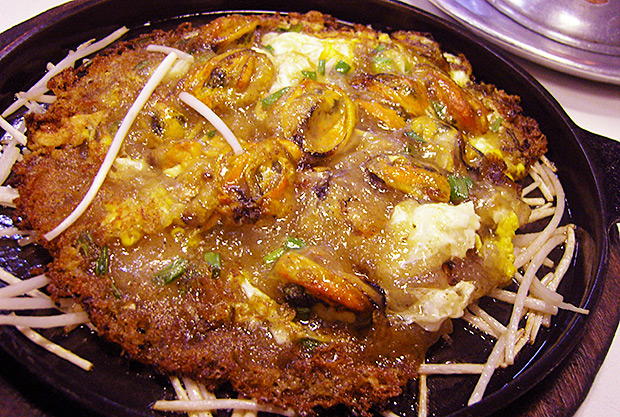
Lard is still being used, although the preparation is quite complicated and pork fat is quite expensive. Some restaurants and vendors that sell Thai-style fried mussel pancake or fried rice with crab use lard. Some experts came out and said lard is a good option that should not be overlooked.
Cooking oil is a kitchen necessity. Cooks must decide which one they prefer, which one they are confident to use and which one is suitable for certain dishes. Regardless, the cooking-oil war will not end easily.