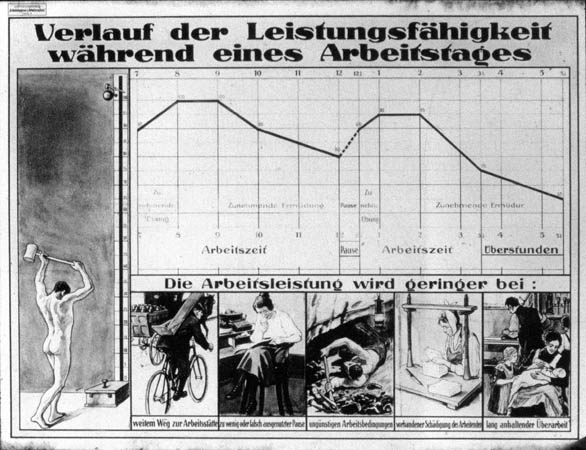
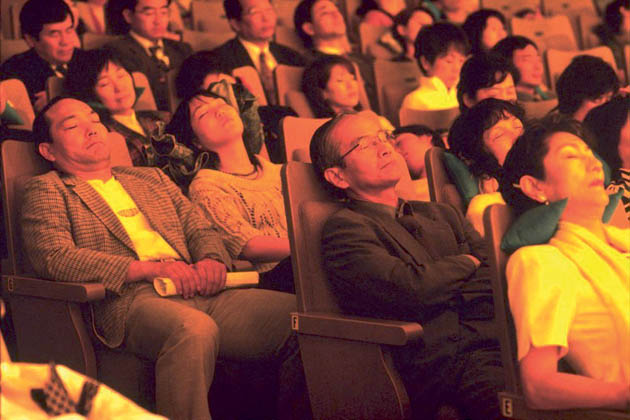
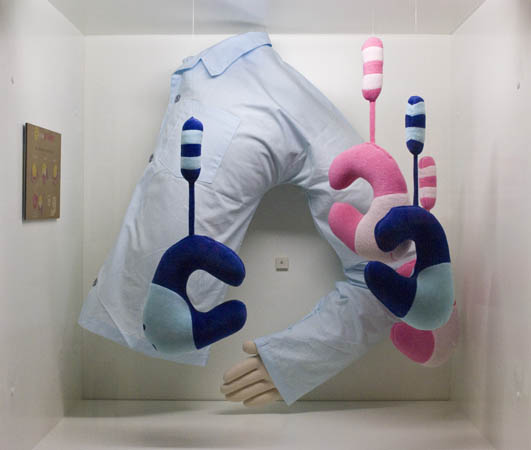
Levels of productivity during a working day From the illustrated series Health Care in Daily Life, around 1927. It was recognised early on that our productivity varies in the course of the day and that taking a break has a restorative effect. According to this graph, productive capacity is negatively influenced by travelling long distances to work, using breaks in the wrong way, heavy physical work, impaired health and over-long working hoursPhotograph: PRSleep concert Some Japanese people suffer so much from work-related stress that they can't get to sleep even at home; instead, they spend up to £29 to attend a concert aimed specifically at sending them to sleep. The first such concert, by Miyashita Fumio, was performed in 1999; now reclining chairs are providedPhotograph: PRUdemakura boyfriend pillow Mii Uniform Planning Co, 2006Photograph: PR
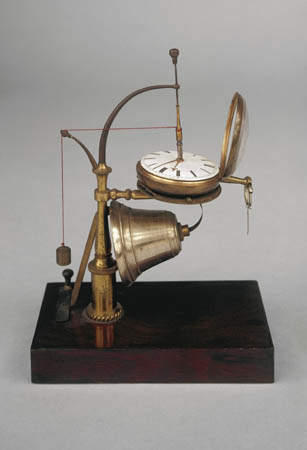
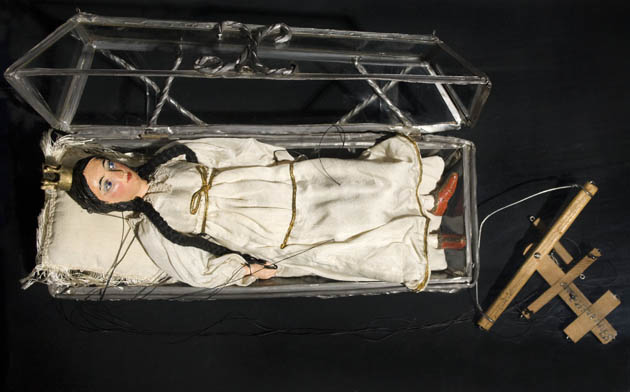
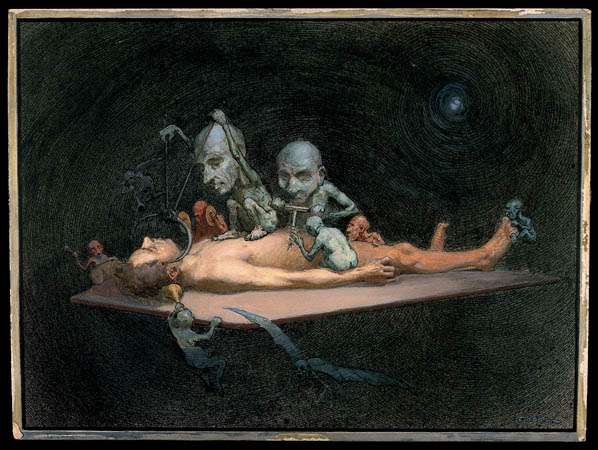
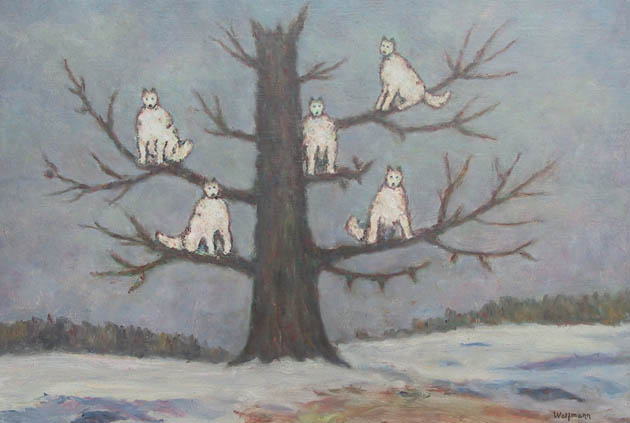
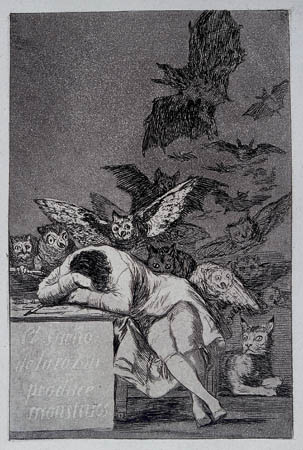
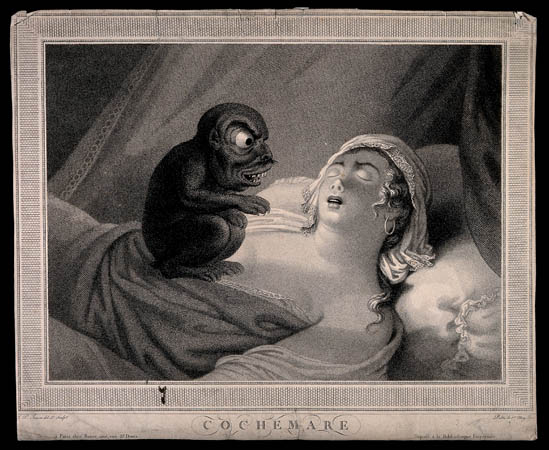
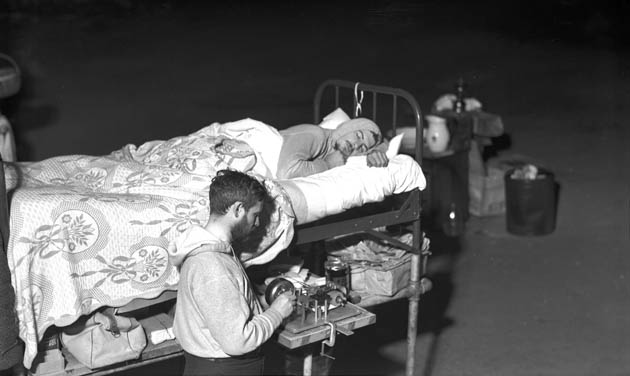
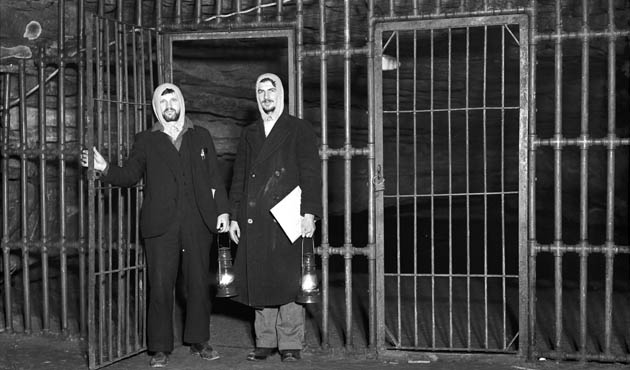
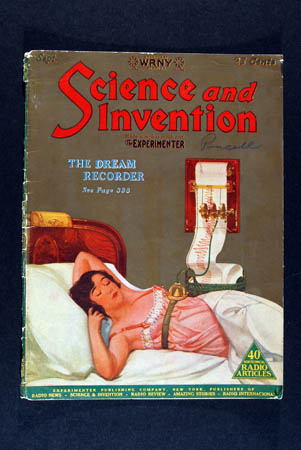
World record: Eleven days without sleep Over the New Year of 1963-64, Randy Gardner, assisted by two friends, achieved a new record for staying awake. His friends and attendants were constantly occupied with preventing him from falling asleep, for instance by taking him on night-time walks. At his press conference after 11 days still awake, Gardner was asked how he had achieved this feat, to which he answered, "It's just mind over matter"Photograph: PRAnonymous 19c century alarm attachment for use with pocket watchPhotograph: PRSnow White Heimattheater von Kuno Ossberger, 1930s (Münchner Stadtmuseum, Puppentheatermuseum)Photograph: PRAllegorical depiction of an operation under narcosis, Richard Tennant Cooper, around 1912. This watercolour portrays the fears that are aroused by the temporary loss of consciousness and the simultaneous violation of the integrity of the body that take place under narcosisPhotograph: PRMy Dream Sergei Pankejeff, 1964. When he was four years old, the "Wolf Man" had dreamed that the window of his bedroom opened by itself to show six or seven white wolves sitting motionless in a tree, wanting to eat him. By studying the associations that the "Wolf Man" built up during his therapy, Freud reached the conclusion that the dream reflected a "primal scene", witnessed by the patient, of his parents having sexual intercoursePhotograph: PREl sueño de la razón produce monstrous, Francisco de Goya y Lucientes, 1797/1798. This etching vividly illustrates the world of night and dreams. Night is shown, not just as a source of artistic imagination, but also as a warning against the parts of society where reason no longer holds sway. Goya said: "Phantasy, abandoned by reason, brings forth impossible monsters; united with her, she is the mother of the arts and the origin of their marvels."Photograph: PRNightmare, Martin Johann Schmidt after Johann Heinrich Füssli, after 1781. Interest in dreaming and "motions of the soul" was widespread around 1800. Artists responded to this with a huge number of reproductions related to the topic, such as this stipple engraving from 1810 by Jean-Pierre Simon, one of the best-known engravers of his day in England. It shows a rat-like little man sitting on the chest of a sleeping womanPhotograph: PRCave experiment Nathaniel Kleitman and Bruce Richardson tried to adjust their sleep-wake cycles to a 28-hour one. If they could do so, the normal 24-hour cycle might simply be a reaction to the surrounding world. The results were inconclusivePhotograph: PRCave experiment The researchers emerge from a highly publicized 32-day sojourn in Mammoth Cave, Kentucky.Photograph: PRThe Dream Recorder Incredible discoveries and fantastic ideas were the staple content of Science and Invention, a popular science-fiction magazine. In this issue, its editor, Hugo Gernsback, wrote of his theories about dreaming ("If you dream, see your doctor.") and about the supposed possibility of recording dreaming activity in terms of increased heartbeat and accelerated breathingPhotograph: PR
Sign up to read this article
Read news from 100’s of titles, curated specifically for you.