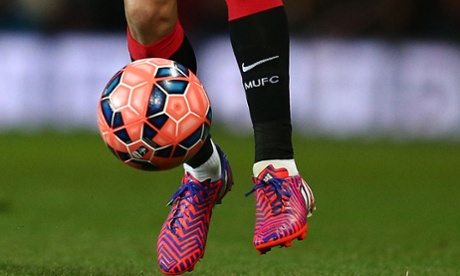
For sheer take-your-breath-away financial splurge, this is right up there with £35m for Andy Carroll. Sky is paying the colossal sum of £4.18bn for five plum prizes in the Premier League’s auction of rights for the next three seasons. As the satellite TV company admits, it will pay £1bn more than the City expected. On a per-game basis, the cost has risen from £6.5m today to £11m.
Ridiculous? In the grand scheme of things, absolutely. This will be the most expensive television that has ever been broadcast in the UK. The only certain beneficiaries will be the footballers, who hardly need a leg-up.
But is it also commercial madness? Probably not. Sky was right to be terrified of losing these rights. BT had already bagged Champions League football on an exclusive basis for the next three seasons. Sky was facing the possibility of a football-free future, or least a future with only the two packages that BT secured for £960m.
Sky likes to boast about the breadth of its content these days – not just in sport – but it’s another step entirely to tell Sky viewers to live without their football addiction. Nobody really knows how many subscribers would simply turn off.
Jeremy Darroch, Sky chief executive, tried to ease shareholders’ shock by saying the extra £1bn can be funded with “efficiency” gains. The cuts will have to be deep – £330m a year is 11% of the non-programming budget. But Sky is saying it can be done: it is sticking to its profit forecasts.
The guess here is that, when the dust settles, Sky’s share price will suffer only modest damage. Under the alternative scenario – BT grabbing wall-to-wall football – it would have plummeted.
HSBC shenanigans could silence regulation grumbles
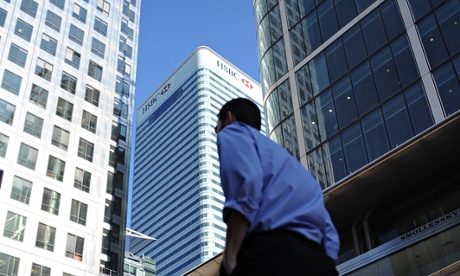
One minor consequence of HSBC’s Swiss shenanigans – let’s hope – is that we will hear fewer whinges from bankers about how new regulatory rules to claw back bonuses will make their life impossible.
Their chief grumble is that a deferral period of seven years is too long. How do you motivate people to work hard, they ask, if their winnings can be recouped seven years later? A bonus doesn’t feel real if they have to wait that long, runs the argument.
HSBC’s example, however, shows that seven years is no time at all. The revelations about how “black” accounts were concealed from the taxman and how untraceable “bricks” of cash were dispensed date from 2005-07.
Even if the Bank of England’s new rules of claw-back were backward-looking (they’re not), HSBC’s remuneration committee would not now have the power to recoup the bonuses of the directors of the day, assuming it even wished to do so. The deadline would have passed.
The seven-year period was designed to capture a business cycle. HBOS, for example, reported several years of booming profits before the wildness of its lending in commercial property was revealed. In that type of case, seven years seem sufficient. But reputation-damaging stuff is different. A decade seems a reasonable period there.
Would Stephen Green, chief executive and then executive chairman of HSBC from 2003-10, have acted differently if he had known he was at risk of losing, say, a few million quid if anything later emerged that was seriously undermining to HSBC’s reputation? It’s impossible to know, of course.
But Green would, at least, be obliged to show (if only to HSBC’s pay committee) that the bank under his control had taken reasonable steps to live up to his fine boasts about ethical practices. That would be better than his current vow of silence.
Beware bald supermarket sales figures
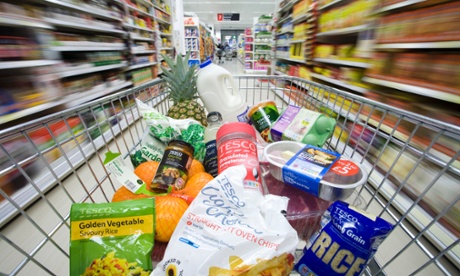
Are the tides turning in the supermarket sector? Discounters Aldi and Lidl are growing at their slowest rate since May 2012 – and even Tesco is back in growth, albeit at the less-than-splendid pace of 0.3%.
Be wary of easy interpretations. The numbers from research group Kantar just give bald sales figures, in this case for the 12 weeks to 1 February. They don’t reveal how many money-off vouchers had to be dispatched, nor how deep the prices cut went. What Kantar does say is that grocery inflation stood at minus 1.2% in the period. That remains a strong headwind.
What’s more, it’s a little early to conclude that Aldi’s and Lidl’s appeal is waning. As the German duo grow their businesses in the UK, their rate of growth was bound to slow. But the pair have 8.4% of the grocery market between them, up from 7.2% a year ago. They long ago passed the point where they could be dismissed as mere irritants to the big boys.