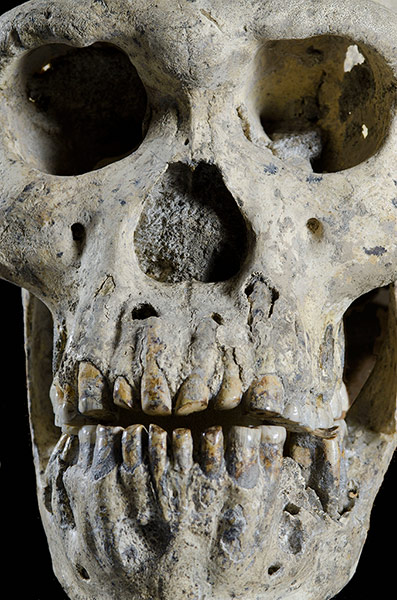
Skull of early human ancestor unearthed in Georgia – in pictures
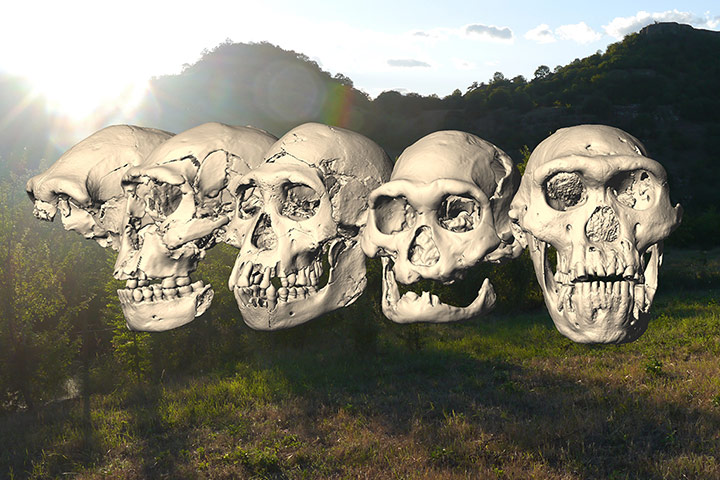
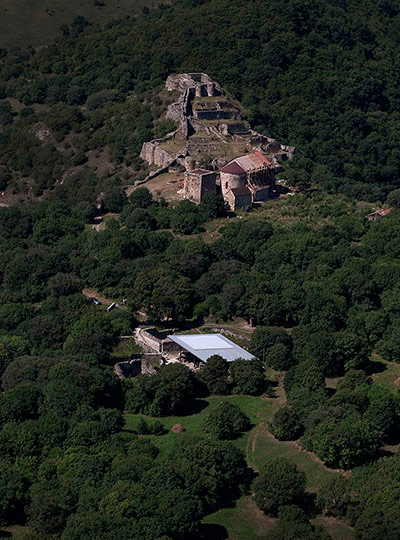
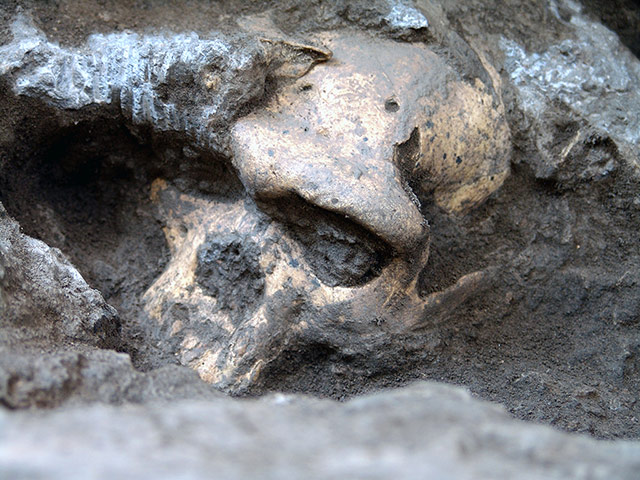
Five hominid skulls were found at Dmanisi in Georgia, together with simple stone tools and the remains of long extinct animals. They were dated to 1.8m years agoPhotograph: Courtesy of M. Ponce de León and Ch. Zollikofer, University of Zurich/ScienceThe Dmanisi excavation site (with the remains of a medieval town in the background)Photograph: Courtesy F Javier Urquijo/ScienceThe most recently discovered skull before it was completely excavated. All the individuals are thought to have died within a few hundred years of one anotherPhotograph: Courtesy of Georgian National Museum/Science
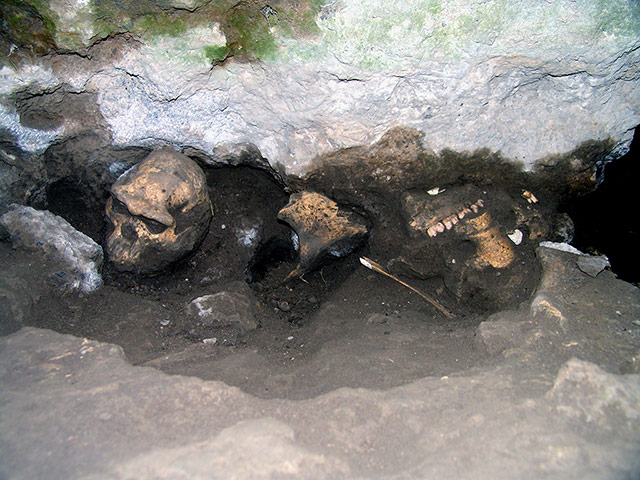
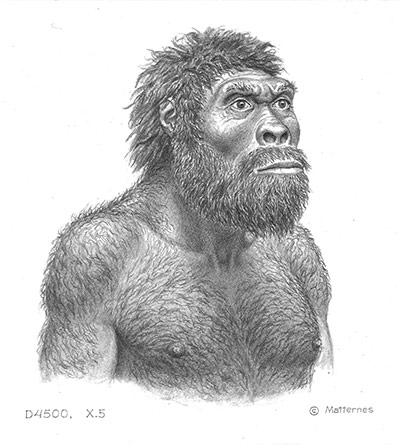
The early Homo cranium and a herbivore fossil. In the early Pleistocene the Dmanisi site was a busy watering hole that human ancestors shared with giant extinct cheetahs, sabre-toothed cats and other animals. The remains of the five hominids were found in collapsed dens where carnivores had apparently dragged their carcasses to eatPhotograph: Courtesy of Georgian National Museum/ScienceThe latest skull belonged to an adult male and was the largest of the five, with a long face and big teeth. But at just under 550 cubic centimetres, it also had the smallest braincase. The five skulls are so different, the researchers theorise that body form was highly variable among Homo erectus – suggesting that the half a dozen proposed species of Homo found in Africa are actually all H erectus Photograph: Courtesy of Guram Bumbiashvili, Georgian National Museum/ScienceAn artist's impression of the hominid's musculature Photograph: Courtesy illustration by J.H. Matternes/ScienceHow the creature might have lookedPhotograph: Courtesy illustration by J.H. Matternes/Science
Sign up to read this article
Read news from 100's of titles, curated specifically for you.