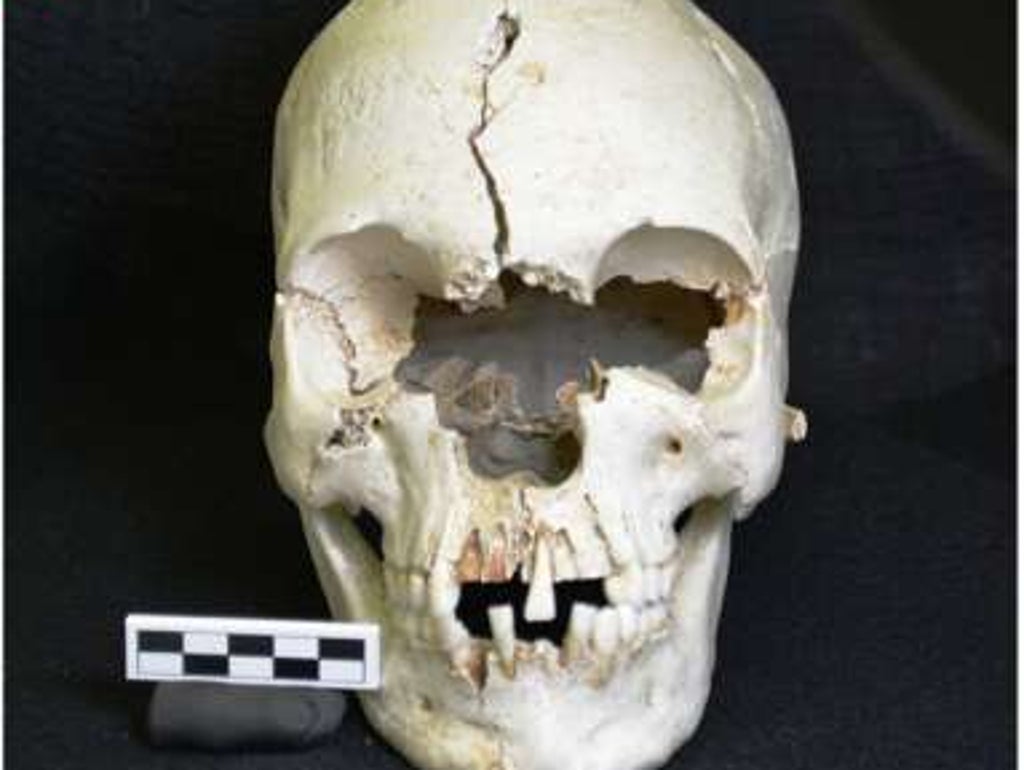
A human skull found on an uninhabited Caribbean island that dates back some 200 years and shows signs of leprosy could be the first-ever recorded case of the disease in the Americas, researchers believe.
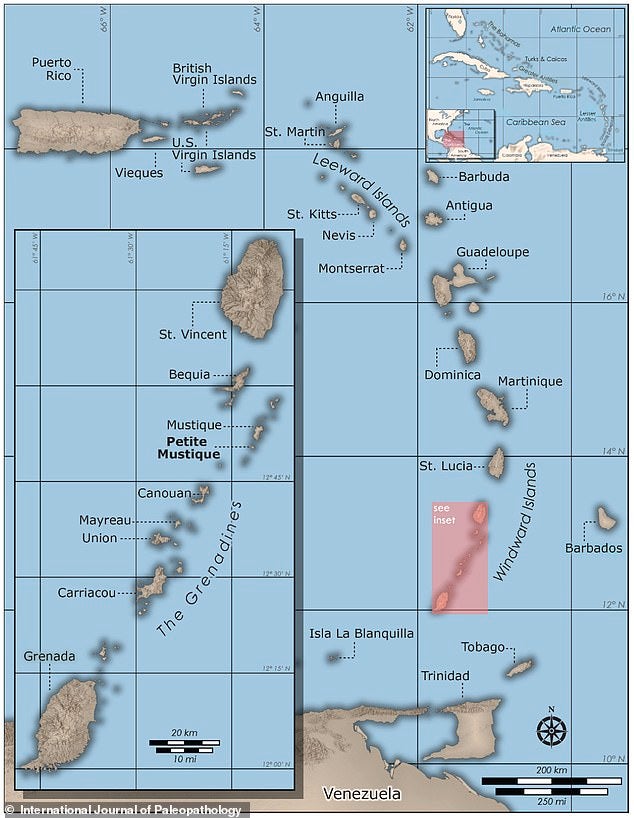
The skull - dating back to the late 18th or early 19th century - was first found in 2003 in Petite Mustique, a small island in the Caribbean nation off St Vincent and the Grenadines, south of the mainland.
Using radiocarbon dating methods, archaeologists from the University of Oregon (UO) determined that the skull was around two centuries old and found it showed signs of leprosy on the nose and upper jaw.
In their study published in the International Journal of Paleopathology, the archaeologists say their findings correlate with an attempt to run a leprosarium (a hospital for people with leprosy) on the island in the first decade of the 19th century.
“PM1 (the skull) represents the only directly dated individual with leprosy in the Americas and is, at present, possibly the earliest described,” the researchers concluded.
“In addition, it may offer a clue that there was a leprosarium on Petite Mustique at the beginning of the nineteenth century.”
Written evidence has documented the presence of leprosy in the Caribbean around the mid-17th century, although reports are incomplete.
The team of researchers, which was led by archaeologist Scott Fitzpatrick and included skeletal biologist Greg Nelson and former UO honors student Taylor Dodrill, say their findings will add to what they say is a scant body of work on skeletal evidence of leprosy.
“There are a number of pretty well-known cases in the Caribbean and Pacific where smaller islands were used as places to segregate people with leprosy, such as Molokai in Hawaii,” Mr Fitzpatrick said.
“Because of the disease’s limited time depth in the Americas, skeletal remains with leprosy are few and those that are known date to the mid-19th century, or later,” the research concludes.
“By tying together radiocarbon dating of the remains, historical records, and oral history, it appears that PM1 dates to an attempt to establish a leprosarium on Petite Mustique during the first decade of the nineteenth century.”
According to the World Health Organization, leprosy - also known as Hansen’s disease - is a chronic infectious disease caused by Mycobacterium leprae (bacteria).
“The disease mainly affects the skin, the peripheral nerves, mucosal surfaces of the upper respiratory tract and the eyes,” the WHO adds.
The disease is known to occur at all ages ranging from early infancy to very old age and can disfigure the hands, face and feet.
Leprosy is curable and treatment in the early stages can prevent disability. It is likely transmitted via droplets, from the nose and mouth, during close and frequent contact with untreated cases.