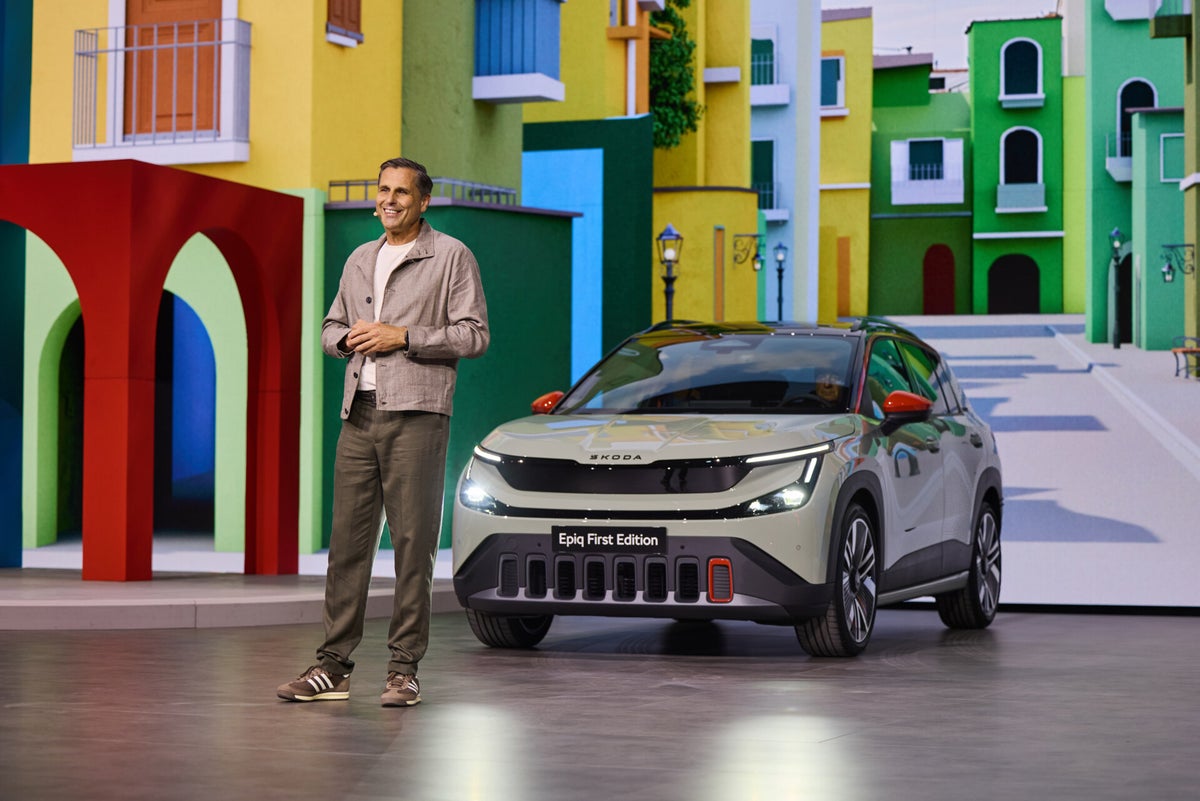
Artificial intelligence is set to change the way Skoda designs cars, runs its business and deals with customers, according to the company’s CEO Klaus Zellmer.
In an exclusive interview with The Independent, Zellmer said Skoda has already adopted a “no process without AI” approach inside the company, while future cars will use systems such as ChatGPT and Google’s Gemini to make voice control feel more like a conversation with a personal assistant than a traditional dashboard function.
It is a big shift for a brand that has built its reputation on value, space and common sense rather than chasing every new technology trend. But Zellmer believes AI can make cars easier to use, car companies more efficient and dealers more helpful, provided it’s used in the right way.
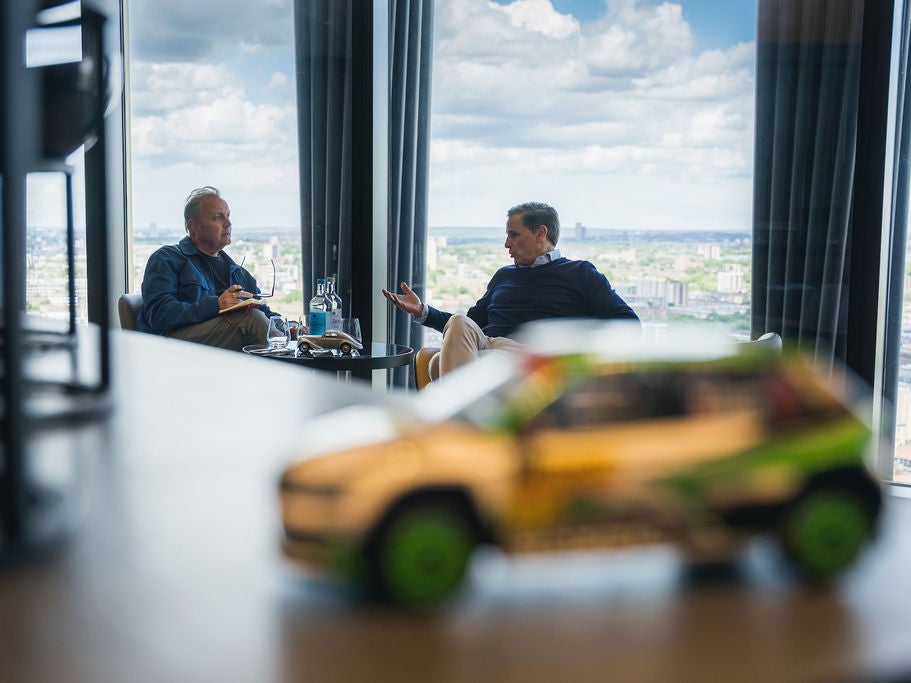
I met Zellmer at the trendy art’otel in Hoxton, London – a fitting venue for a brand that has shot from corny jokes to becoming cool in a relatively short space of time. Zellmer was about to head off to collect his award for being an outstanding industry leader from automotive business title Autocar.
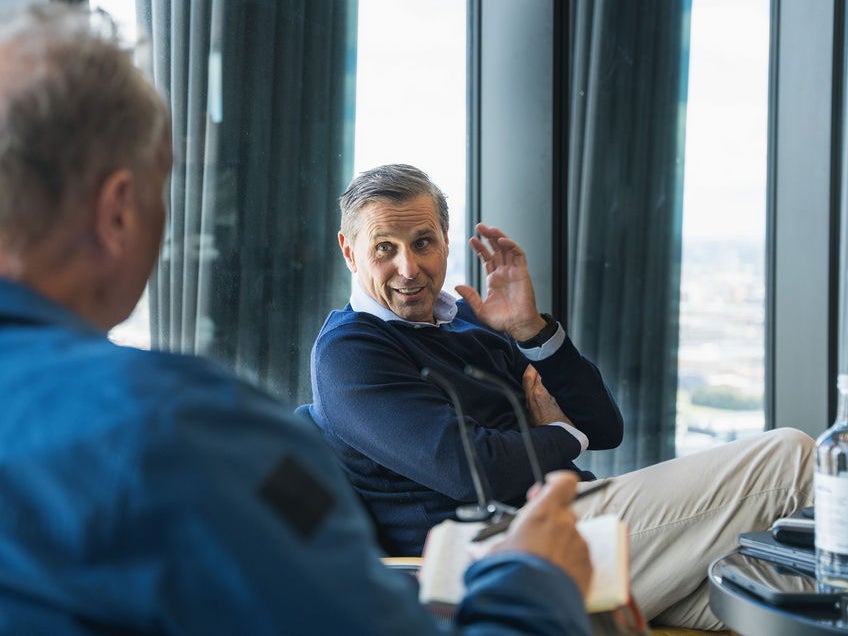
Having met Zellmer several times before, I’ve always found him one of the more thoughtful CEOs in the car industry, and Skoda’s recent success suggests his approach is working.
Under Zellmer, the Czech company has continued to grow, sharpen its brand, push harder into electric cars and retain that very Skoda-ish common sense at a time when much of the car industry has seemingly made things more complicated than they need to be.
And while our conversation took in Skoda’s success, the rise of Chinese car makers, the potential of the Indian market that Skoda is tapping into, electric cars and the future of the brand, one subject kept coming back again and again: artificial intelligence.
This isn’t in a slightly scary sci-fi way, either. Zellmer is much more interested in how AI will make cars easier to use, companies more efficient and car dealers more useful. And, crucially, how it can do all that without removing the human touch that Skoda sees as central to its appeal.
The most obvious place AI will show up for drivers is inside the car itself. Many manufacturers have already gone too far with screens, menus and touch-sensitive controls, but Skoda has been one of the brands that has held on to proper buttons for key functions. Zellmer reckons that was the right call.
“People want an intuitive user experience in the car and they want less complexity,” he says. “It’s not that difficult.”
He says the industry as a whole has been heading in a direction that “went too far in a digital user experience”, with too much visual noise on screens and too much distraction for drivers. Skoda, he points out, still has real buttons for things like seat heating and temperature adjustment because you can use them by feel rather than taking your eyes off the road.
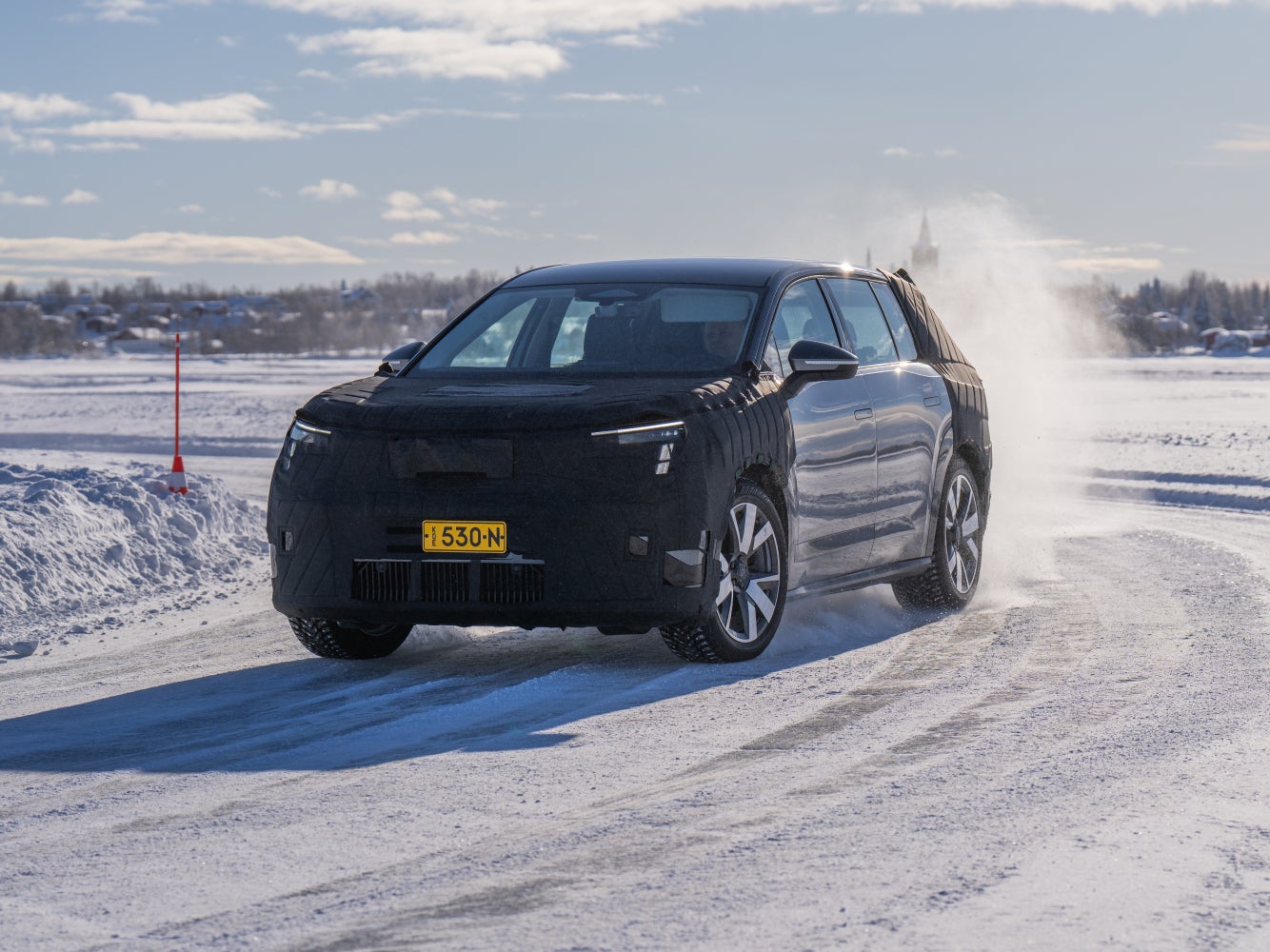
“We have real buttons that you don’t have to take your eyes off the road in order to start your seat heating because you can feel it – or increase your temperature or lower temperature,” he said. “I think this is really important.”
Zellmer says he is constantly pushing his teams to reduce complexity inside the car. “Of course you have a complexity you have to manage in the car with software, but I always say, can we take out visual noise from the screen?”
That phrase, “visual noise”, feels like a neat way of describing what has gone wrong in too many modern cars. Just because you can put something on a screen does not mean you should.
But could voice control be the technology that changes everything, if the car makers can get it right? “I think if we get it to be totally flawless, yes, and we’re getting there,” Zellmer said. “The answer is yes.”
He sees voice control going far beyond asking the car to turn on the heated seats or demist the rear window. The idea is that the car becomes something more like a travel companion or personal assistant.
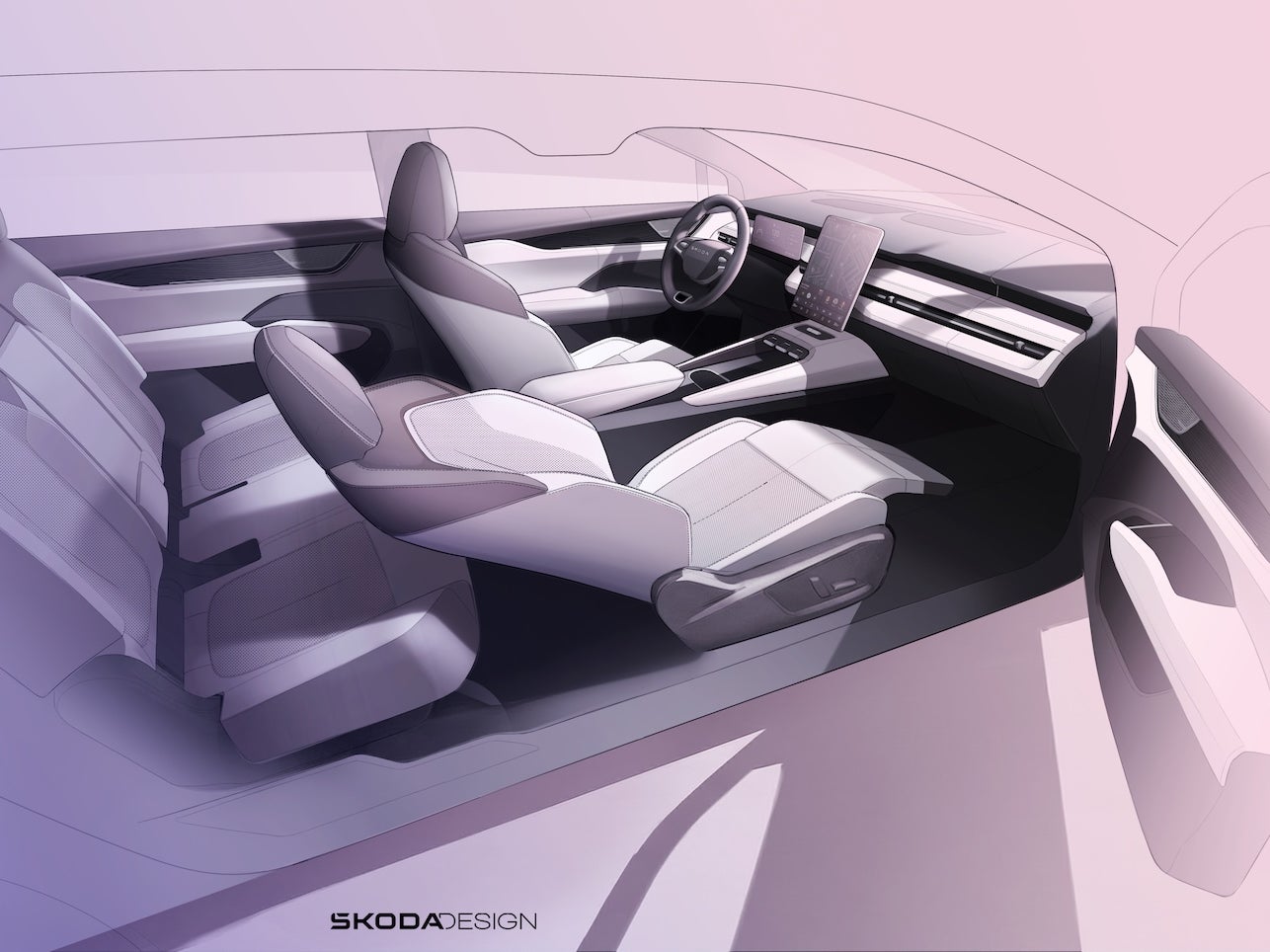
“It’s not about switching on seat heating or not, it’s about being able to ask the car anything,” he says. “I mean, if you were going to drive somewhere and say, ‘What’s that bakery called on that corner of that street?’ Or, ‘Where are we at the moment? What’s here to see? I have another 10 minutes. What could I have a look at now? I’m interested in art.’ Then the car could tell you to take a right, turn left, and there’s a parking space.”
That is a big shift from the old idea of voice control, which often meant shouting at the dashboard and hoping it understood you. Zellmer believes the next generation will feel more like a conversation.
“Your car will become your companion or your executive assistant – and that’s nothing you can do with switches or with sliding your finger on the screen in a menu,” he said. “That’s far too complicated. You’re going to talk to your car and your car is going to talk to you and it’s going to be a conversation.”
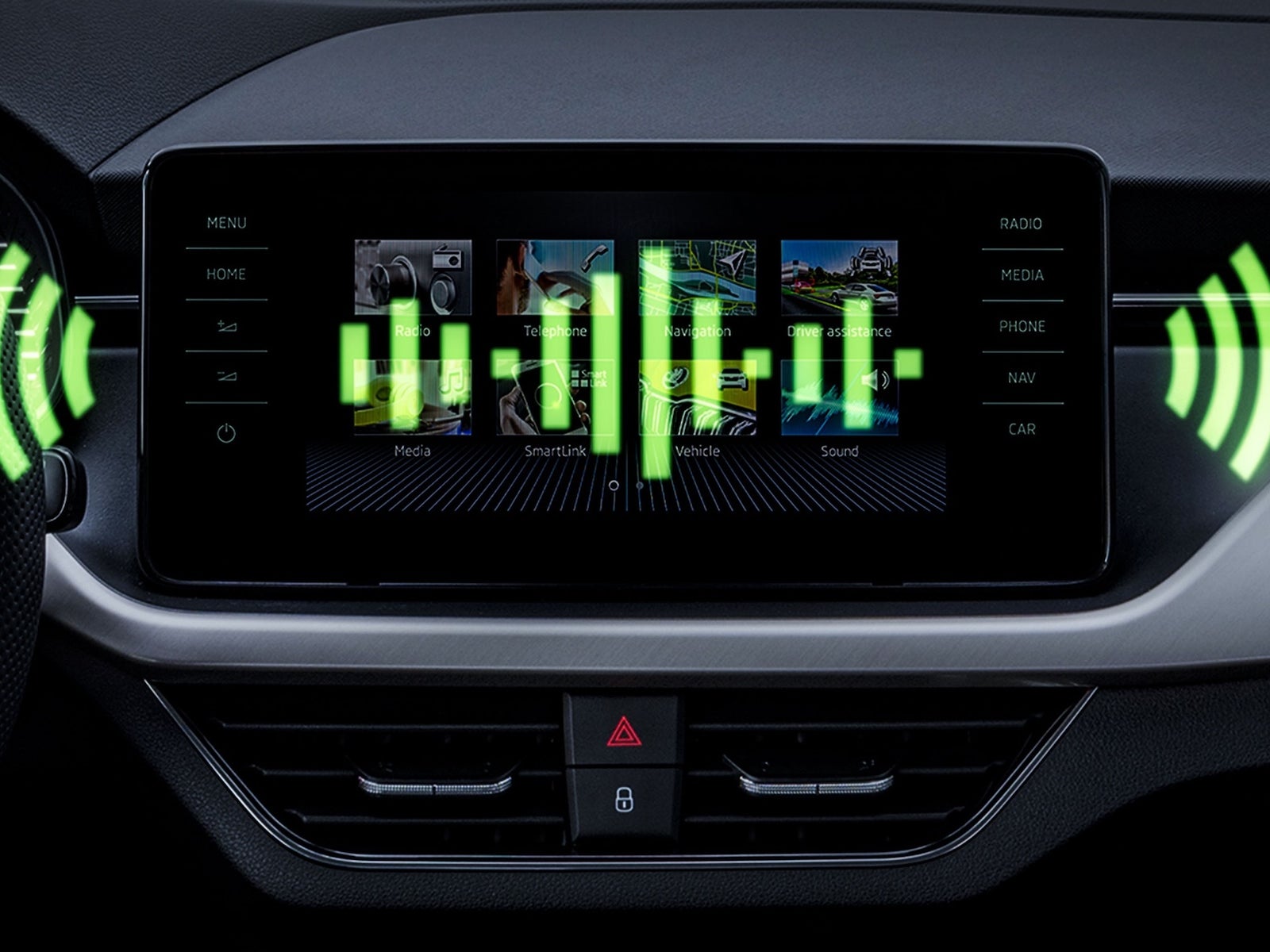
Skoda already uses ChatGPT in its cars, while Zellmer also talks enthusiastically about the possibilities of Google’s Gemini system. He says Gemini is in the background and very much part of Skoda’s thinking when it talks about the car becoming a companion.
“We have a mock up when we look into Gemini and there’s even a film that we produced with everything that Gemini can then theoretically do if you let Gemini do it,” he said. “It will tell you where you are, what angle, what your most likely location is. It would identify certain spots and would point out the most interesting things to see – so, it’s all there.”
That raises the obvious question of privacy, and who controls what the car is able to see and use. Zellmer is clear that Skoda, as the car maker, must remain in control of the safety-critical systems and the permissions around them.
“We are the ones who control the safety features of the cars such as the cameras,” he says. “We can make sure of privacy and whether you even want your software to be able to use your camera feed. We’re controlling that as Skoda.”
That also gives car makers a role that smartphone mirroring cannot fully replace. Zellmer says that while Android or Apple systems may be used as companions in some ways, they will not get access to camera feeds because those are safety features.
“You could use it as a kind of companion as well, but you will not get access to the cameras because that’s a safety feature that we wouldn’t allow,” he says. “We’re the ones who can offer that, which will give us, an advantage. And secondly, we have to control it and we will control it.”
There is another important point here: Zellmer does not want customers having to use one assistant for one task and another assistant for something else. In a Skoda, it has to feel joined up.
“Nobody will use two systems,” he says. “I very much believe that it has to be one Laura [the name of Skoda’s in-car assistant]. For us, it has to be one person or personality.”
Inside Skoda, AI is already much more than a car feature. Zellmer says the company has a clear mantra: “no process without AI.” That means every part of the business is expected to ask whether there is a smarter, safer or more efficient way of doing things using artificial intelligence.
“We’re talking about AI a lot at Skoda and we have actually defined a battle cry for Skoda two years ago: no process without AI,” he said. “So, anything we do will always be checked: is there a smarter way, a more efficient way, a safer way with AI to do anything in the company.”
Skoda is not simply telling staff to go off and play with whichever AI tool they like. Zellmer says one of the lessons so far is that different AI tools are better for different jobs, whether that is Claude, ChatGPT, Notebook LM or something else. The problem is that people tend to pick one and stick with it.
“There’s not one,” he says. “But what we found out now is that people gravitate towards one all the time, hence lose much better solutions from other software packages.”
To deal with that, Skoda is introducing an internal system called Skopilot. Employees ask it a question, and it chooses the most suitable AI tool to find the best answer.
“This Skopilot will use the AI functional software most suitable to get the best answer,” says Zellmer. “It will decide.”
In other words, staff do not have to know which AI tool is best for which task. They can ask Skopilot, and the system routes the job to the right place.
“You realise that if you have people using AI possibilities and you give them a choice of 10, they will only ever use one,” Zellmer says. “So, you have to integrate it and this – Skopilot will be a gatekeeper, a gateway in order to get the best solution for your problem.”
AI is also changing the workforce. Skoda employs more than 40,000 people, and Zellmer says the company has already been reducing the indirect side of the workforce by three per cent a year, while putting one per cent back into new transformational roles. For example, two years ago, Skoda also created 70 dedicated digital delivery centre roles to help departments find AI-led solutions.
Those 70 new roles act as AI experts inside the business. Zellmer says departments can go to them and say: “This is my challenge. This is what I do every day. Do you have a better solution?” The aim is to use AI to improve the way the company works rather than cut jobs.
Zellmer is realistic that some employees initially worry about AI replacing them. But his message to staff is blunt. “My answer always in every management conference is you’re never going to lose your job because of AI. You’re going to lose your job if you don’t employ AI. It’s very simple. It’s as simple as that.”
“The car industry currently is in a [Ford] Model T moment,” he says. “The Model T moment was when they turned car production from individually putting parts together to mass production. In the administrative corner of things, we have this Model T moment because artificial intelligence is massively changing administrative managerial work.
“I tell people, there’s no way to go back,” he says. “We’re going to not have this company if we ignore the possibilities to get more efficient with AI.”
That does not mean Skoda is simply throwing AI into the business and hoping for the best. Zellmer says the company runs programmes, hackathons, internal communications and competitions for the best AI solutions. Even the board has to report back regularly on new efficiency improvements.
“We have in our board every four weeks an agenda point called Booster,” he says. “And I want every board member to individually come up with at least two examples where we have embedded something new more efficiently through AI.”
So far, he says, Skoda has around 350 booster measures across the company, with progress tracked carefully. The German in Zellmer, he jokes, means every efficiency measure is allocated to a person, given a value and revisited.
The retail experience is another area where Zellmer believes AI could make a real difference. Buying a car is still one of the least loved parts of motoring, but AI will give customers far more information before they enter a showroom. That, Zellmer says, should change the role of dealers.
“At the end of the day, the good news is there’s going to be more trust because you can’t fool anybody about anything anymore because it’s out there,” he says. “The transparency with AI gets much bigger.”
He thinks salespeople will have to move away from simply explaining what a car can do and instead help customers work out whether that car is right for their personal circumstances.
“The retailer will then have to help somebody make a decision based on their personal situation, based on their typical usage of a car, long distance, short distance, urban, rural, whatever,” Zellmer says. “They’re going to turn into not so much talking about what the car can do. I think they’re going to talk whether what the car can do is good for you as a person, as a user of the car.”
That could mean understanding whether a customer mainly drives long distances, makes short urban trips, needs space for family life or simply wants something easy to live with. In other words, AI may make information easier to find, but the human role becomes more about judgement.
“For the retailers, I think their role as a consultant will change,” he said. “It will be much more that psychologically, you have to put yourself into your customer’s shoes, not about trying to sell something, but in order to find the right fit for them.”
For Zellmer, that human touch remains a big part of Skoda’s future. He does not see AI replacing the dealer relationship or turning showrooms into empty spaces full of robots.
“I can tell you with Skoda the human touch I consider is really important for the whole journey of your ownership,” he says. “I think this is really important and I think we’re going to get back to also times or to situations where you value that possibility of having human touch in important decisions that you make.
“After your real estate, it’s the most important decision from a financial point of view you ever make to buy a car or to lease a car,” he says.
That is probably the most interesting part of Zellmer’s view of AI. He is clearly fascinated by the technology and determined that Skoda should lead and use it everywhere it makes sense. But he is not suggesting AI should take over everything.
Instead, his vision is of a car that is easier to talk to, a business that works more efficiently and a dealer network that is better informed, more transparent and more helpful.
And while plenty of car makers talk about AI as though it is magic, Zellmer sees it more practically.
“It’s not wrong to say it’s a tool,” he says. “I think it’s a new operations system. It’s like your computer system. It’s not one program. It’s the way your computer operates as [a] whole and I think this is what AI is going to do.”
For a brand built on value, practicality and a bit of good old-fashioned common sense, that feels very Skoda indeed.