Australia doesn't have avalanches, does it? Wrong. While thankfully not on the same scale as those on the world's biggest mountain ranges, avalanches in The Snowy Mountains aren't as rare as some may think.
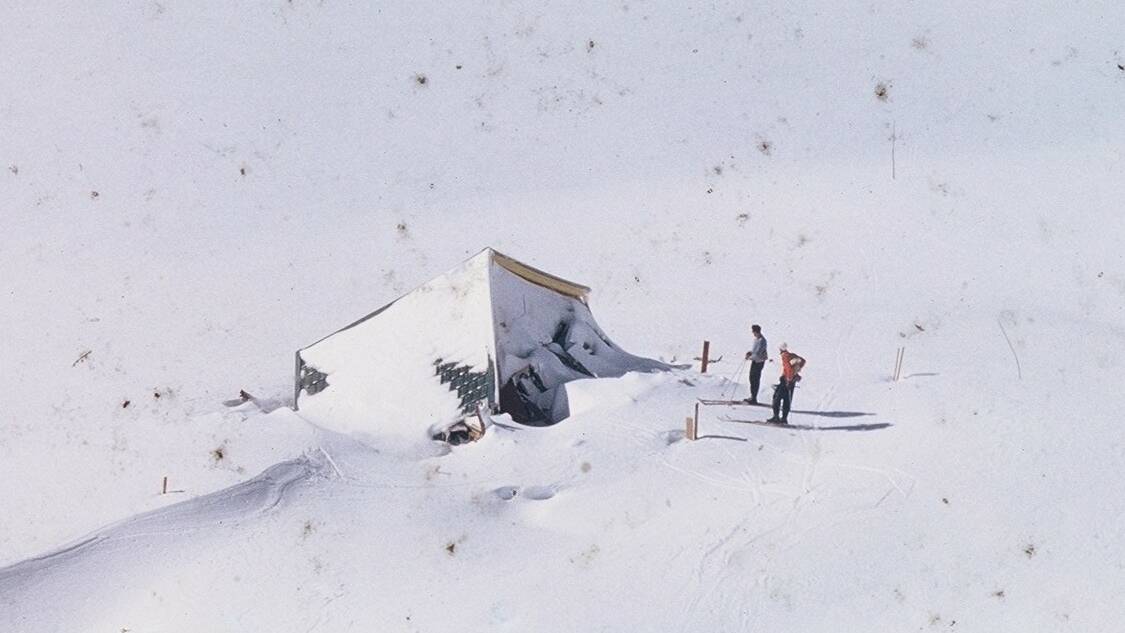
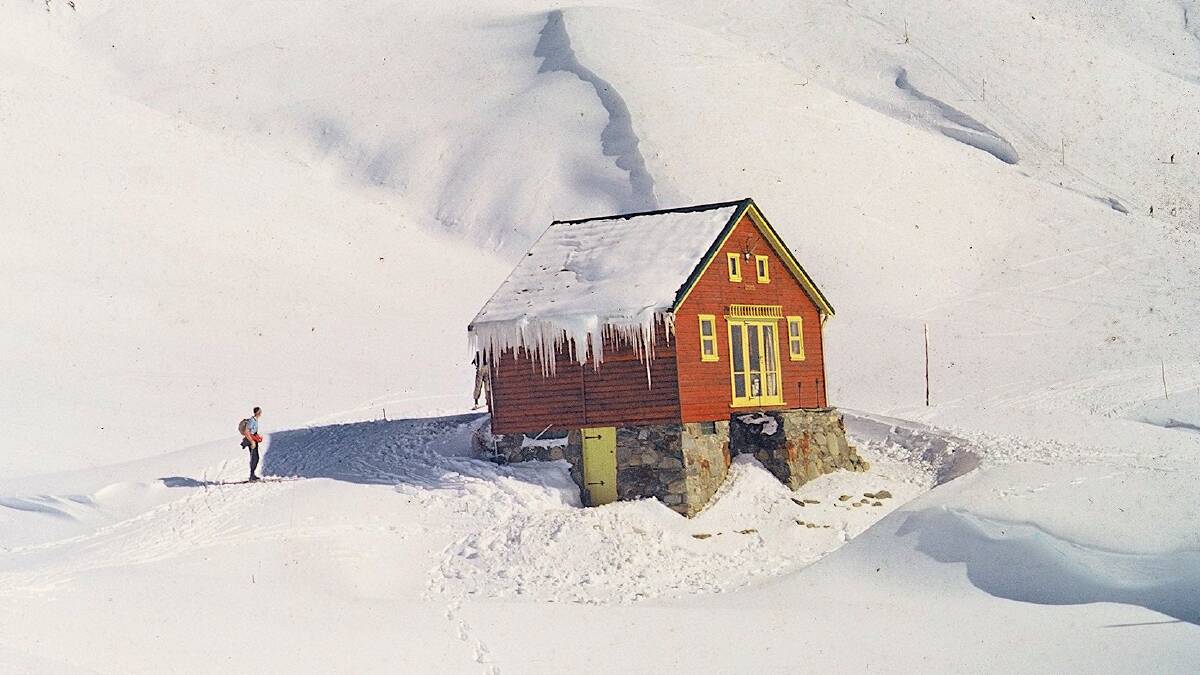
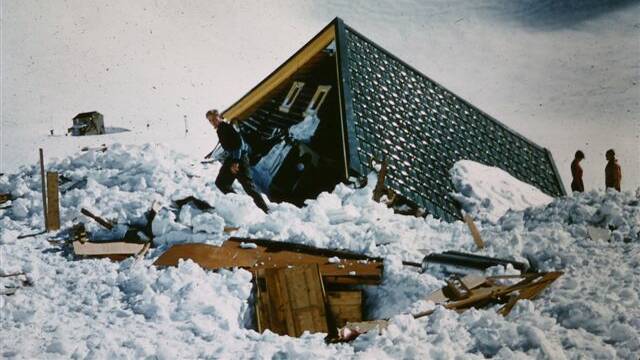
In fact, this week marks the 65th anniversary of one of Australia's deadliest avalanches when, on the morning of July 12, 1956, a wall of snow roared down the north face of Mt Clarke, sweeping Kunama Hutte, a remote back-country lodge, completely off its granite foundations.
Inside the eight-bed Tyrolean-style hutte built by the Ski Tourers Association in 1953 were 11 back-country adventurers. Some were still asleep; others had just awoken with the expectation of a big day's skiing after heavy overnight snow falls.
Kunama manager Peter Kelly was one of those who had just woken up. "I really don't know how we got out of it, we really should have all been killed," he told The Sydney Morning Herald two days after the disaster.
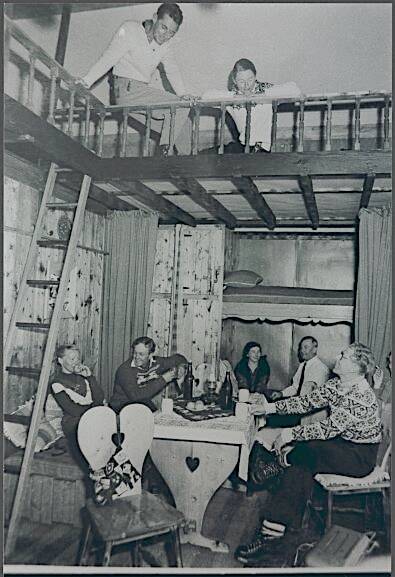
"I heard a sort of a whine like the wind might make and then, bang, we got it. The hutte started hurtling downhill and tipped forward. People were being thrown around everywhere, and beams and furniture were falling down from the top. As soon as I could, I called the roll and everyone answered but Roslyn. Then we all knew that something was wrong."
Tragically, Roslyn Twynam Wesche had just become the first victim of an avalanche in the NSW ski fields, killed, according to the coroner, "as the result of a fractured spine accidentally received when a heavy beam fell on her". The talented 20-year-old skier wouldn't have known what hit her.
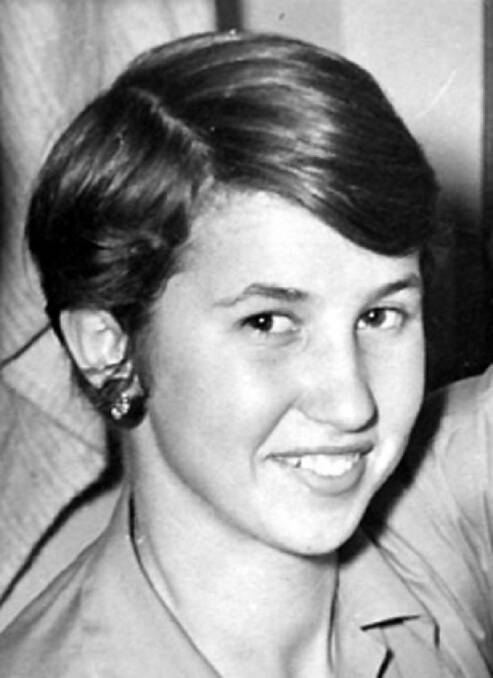
Remarkably, not only did the other 10 lodgers all survive, a sturdy kitchen table saving many of them from being crushed, but they all emerged from the destroyed hutte relatively unscathed.
Seeking shelter a few hundred metres away in the tow house of the Northcote Ski Tow, they were able to radio a message through to the Charlottes Pass ski patrol who sent out a rescue party.
One of those in the patrol that morning was Cees Koeman. Cees is a bit of a legend in The Snowy Mountains. In the early 1960s he worked as mountain manager at Thredbo and in 1964 he built Kasees Apartments & Mountain Lodge in Thredbo which, along with his wife and daughter, he has run ever since. No one has lived longer in Thredbo than Cees. However, back in July 1956 a fresh-faced Cees was working at Kosciuszko Chalet at Charlotte Pass where, like all staff, he was sometimes called upon to assist the ski patrol.
"We often got call-outs to pick up injured cross-country skiers, so when we got the call to pick up someone on the main range we set off as normal," he recalls.
However, nothing could prepare Cees for the terrible scene that greeted him at Kunama Hutte: "The hutte was completely squashed and there was a lifeless body lying on an Artic sled.''
"It was so, so sad," he says. The rescue team took Roslyn's body back to Charlottes Pass where her parents were waiting.
Understandably, there was much debate about the cause of the deadly avalanche. The Australian Alpine Club newsletter of 1972 provides some insights. "Weather conditions had previously caused a hard icy surface to form on the snow and this was followed by a sudden heavy fall of 46cm of dry snow coming from the south-east, instead of the west as is usual. The combination of the two factors built up a large cornice on Mt Clarke, which eventually collapsed and started the avalanche. Although Kunama stood on a knoll, the heavy fall of snow had filled up the depression and thus the snow-slide hit the building full on. The path of the avalanche was no more than 45 metres wide."
To mitigate the risk of further avalanches, gelignite to blast away snow on surrounding slopes was promptly stored in the Northcote Tow House. However, just three weeks after the avalanche, a faulty heater sparked an explosion which blew the tow hut to smithereens. Thankfully this time there were no injuries.
So what became of the hutte? Well, a year or so after the avalanche, while still working at Charlottes Pass, Cees returned to the Kunama ruins with engineer Bill Hawkins.
"The roof was still in one piece so with the help of a block and tackle we slipped the roof back over the foundation to serve as an emergency shelter," explains Cees.
"However, not long afterwards, the Kosciuszko State Park Trust got rid of it."
While the Ski Tourers Association wanted to rebuild the hutte, according to Rick Walkom in Skiing off the Roof (Arlberg Press, 1991), the Park Trust "was beginning to see such ventures differently". "It began to seriously question the advisability of having skier facilities scattered over a very fragile and often inhospitable landscape." The death knell had well and truly sounded for back-country ski lodges.
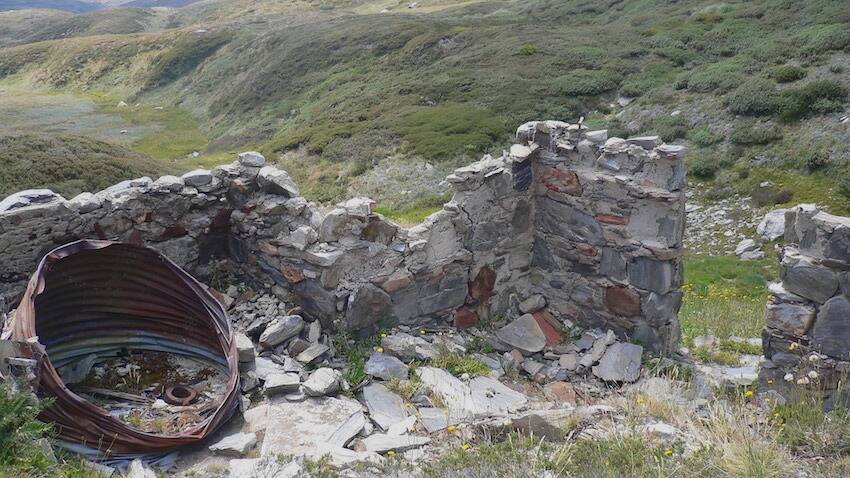
As such, today's ski lodges are concentrated in villages like Perisher and Thredbo and all that remains at the site of the hutte are its crumbling foundations and a scattering of other debris including a pile of broken bottles. In summer, while searching for wildflowers and views that seem to go forever, the occasional hiker stumbles on these ruins, a simple plaque the only reminder of that tragic morning of July 12, 1956.
Take care out there this winter.
Swiss-style hut boasted all the comforts of home
Kunama Hutte (1953-56): Located about three kilometres from Charlottes Pass, the hutte was pre-fabricated in Dee Why, trucked out to the saddle between Mt Northcote and Mt Clarke and then man-handled 250 vertical metres down the mountain. It was an eight-bed hut with a Swiss-style ridge roof of zinc anneal tiles and walls of round-backed weatherboards. Despite its diminutive size, it boasted all the comforts of a European ski lodge including a picture plate glass window which provided "a solarium for a skier who wishes to relax and enjoy the magnificent mountain scene". A rope tow took skiers up the steep slope of Mt Northcote.
A meeting of cultures: Kunama is an Aboriginal word for snow, and Hutte (pronounced Hoota) is a Swiss word for a small hut.
Hutte Life: Despite the hutte appearing in some winter photos to be two storeys high, it was actually three storeys, with the granite basement often buried in snow. Not surprisingly, the basement bathroom wasn't an overly warm place, but some found novel ways to make it more hospitable. In an interview posted on the Crackenback Ski Club website in 2005, regular Kunama visitor Ian Curlewis explained,"The toilet seats were freezing among the granite foundations. John Nagle, a senior lawyer, would send us junior lawyers down to warm one up each day for his use."
In the same interview, Ian explains how the long distance to carry in supplies impacted on their nightcaps: "...rum was the preferred choice as beer was too heavy. We had to carry everything out, so we would take plenty of rum and so we became pretty proficient at fixing hot butter rum, whiskey and the spirit drinks. There were some pretty rough nights out there!" I bet.
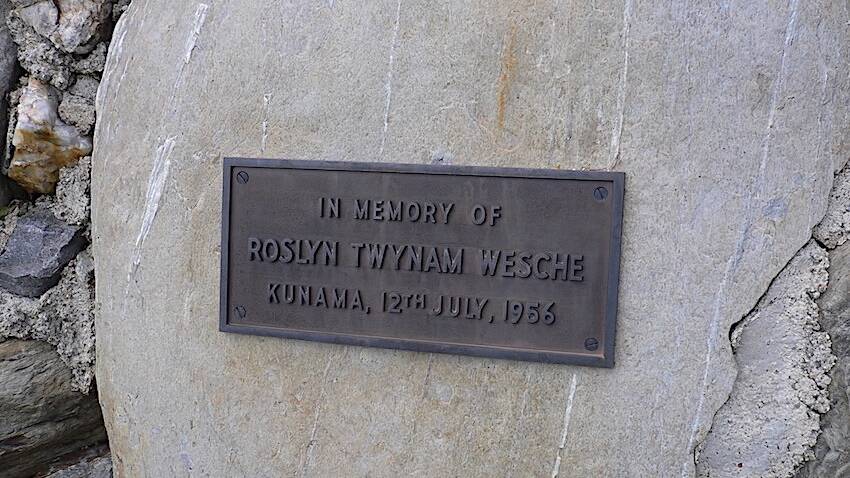
Legacy: Roslyn was the only child of Anne and Venn Wesche, whose writing on skiing in Australia was widely published in the 1940s and 1950s. Apart from the plaque at the ruins, Roslyn Lodge in Thredbo is also named in her memory.
WHERE IN CANBERRA?
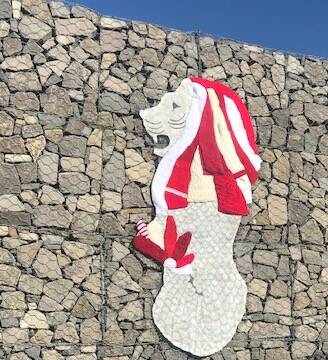
Clue: Colder here than in its 'natural' habitat
Degree of difficulty: Easy-Medium
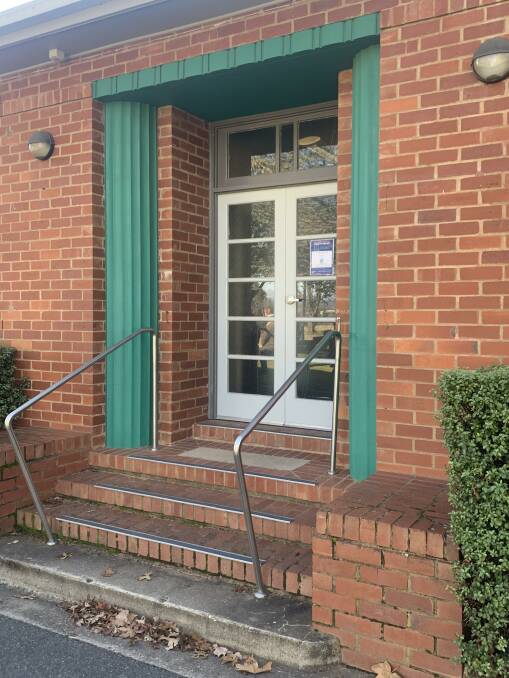
Last week: Congratulations to Melda Crawford of Kaleen who was first to correctly identify last week's photo as the doorway to the hospital at the former RAAF Base Fairbairn (1940-2007). Melda reports, "Until a few years ago the building was used as offices for the Australian Cancer Council." Alison Neil, who was just beaten to the prize, thinks "the art deco doorway looks a little like a theatre curtain". I tend to agree.
How to enter: Email your guess along with your name and suburb to tym@iinet.net.au The first email sent after 10am, Saturday July 10, 2021, wins a double pass to Dendy, the Home of Quality Cinema.
SPOTTED
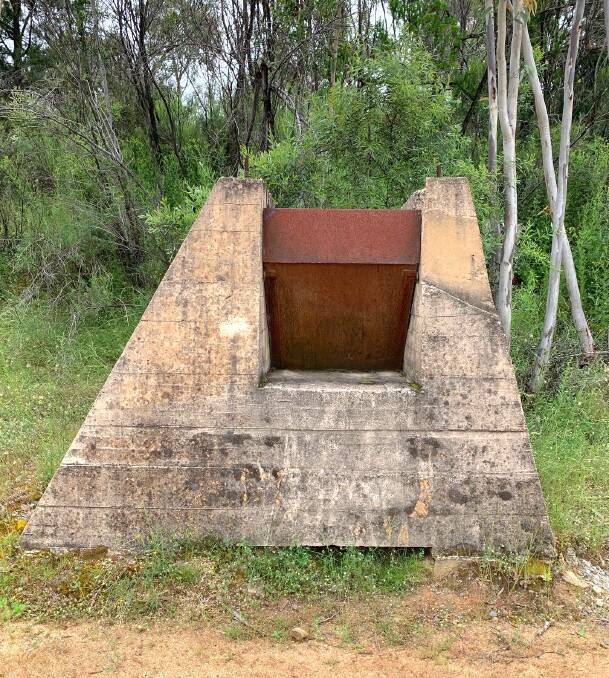
While exploring the walking tracks around Mt McDonald near the Cotter, several readers including Heather McInnes and Lesley Moore have been perplexed by the sight of this strange concrete object.
"It's located almost directly above the Cotter Dam spillway (heard but not visible from this point) and I wondered if it is a relic from the original dam," ponders Lesley.
"The sloping piece of metal appears to be some sort of chute," adds Heather.
Was it perhaps used in the construction of the original Cotter Dam spillway? Someone must know.
SPACE JUNK
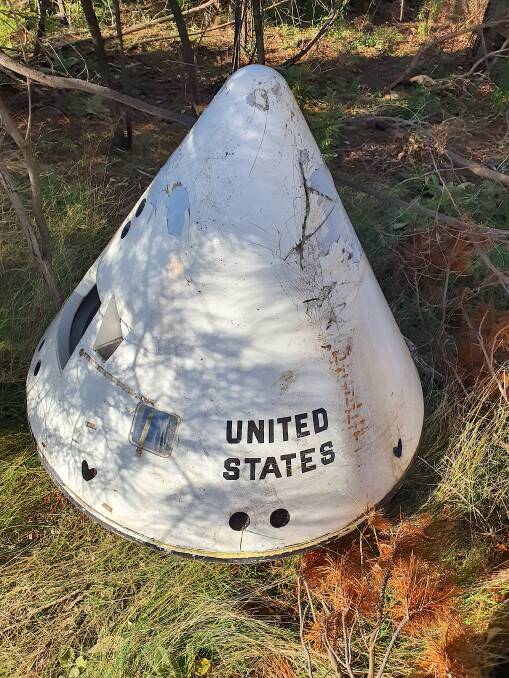
Meanwhile, it turns out the curious object emblazoned with the words 'United States' found in Pierces Creek Forest (May 8, 2021) was indeed a former exhibit from the nearby Tidbinbilla Deep Space Communication Complex. I'm reliable informed that an opportunistic geocacher plucked the Apollo Command Capsule model from the visitor centre's waste stream and planned to use it as a geocache. It's since been removed from the forest.