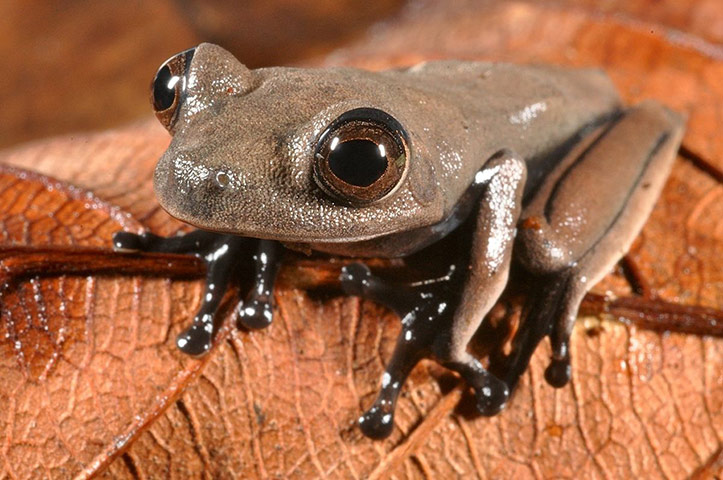
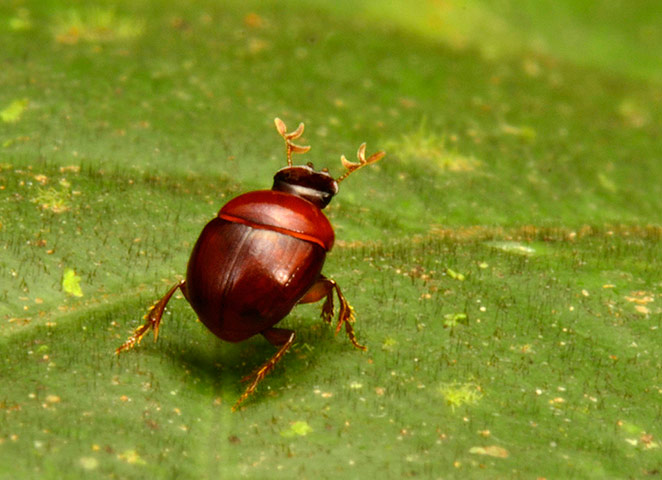
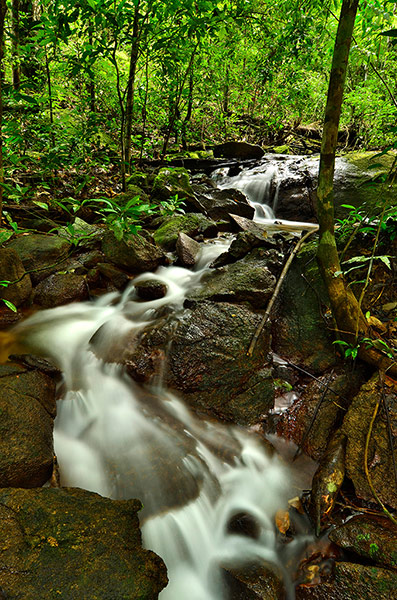
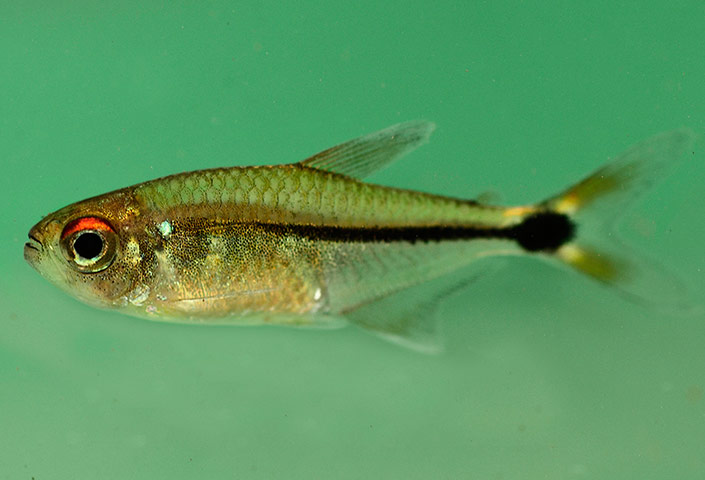
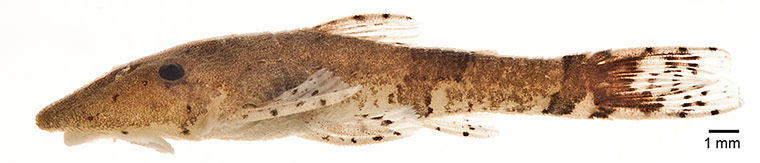
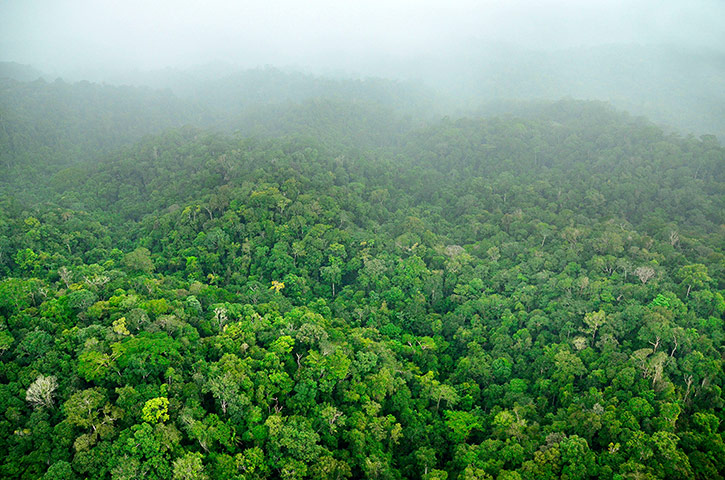
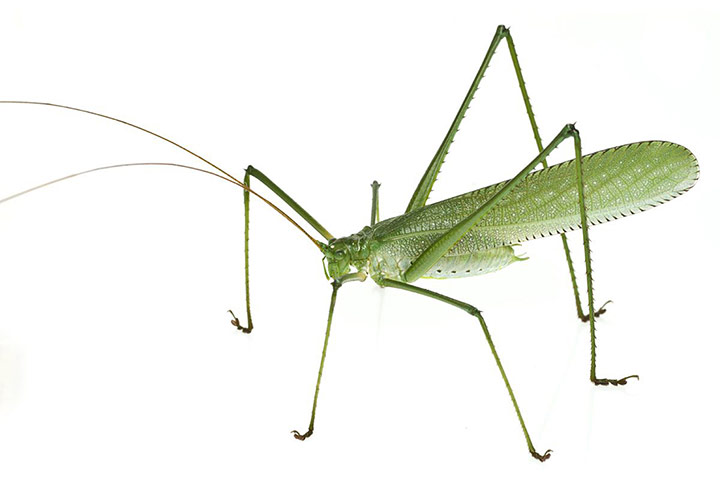
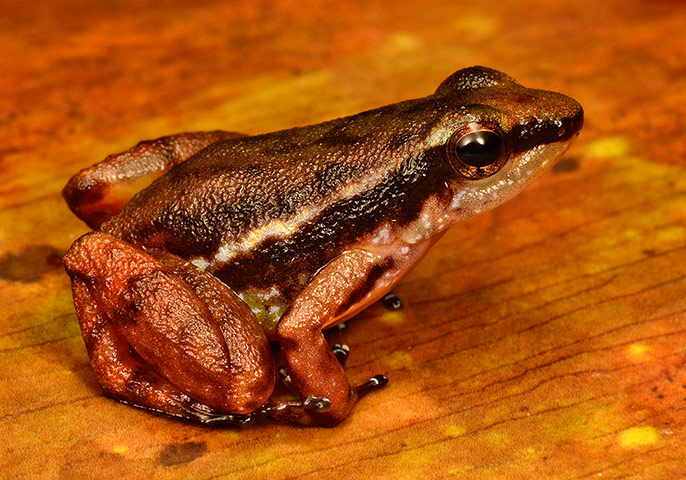
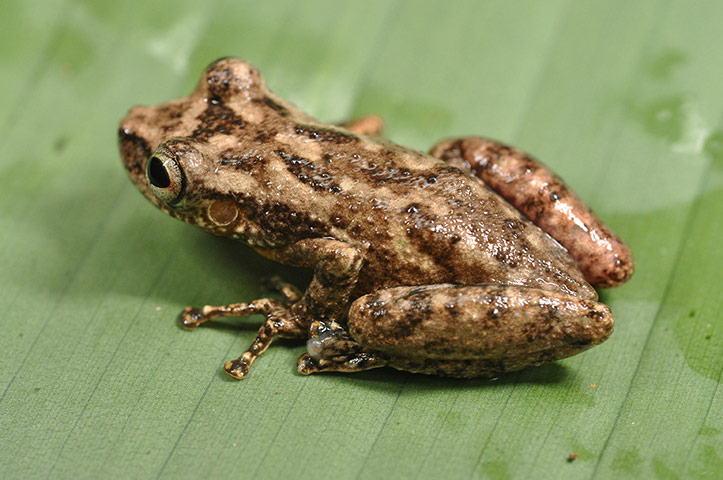
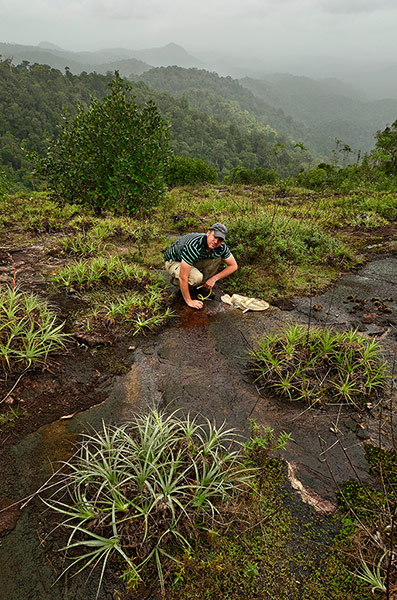
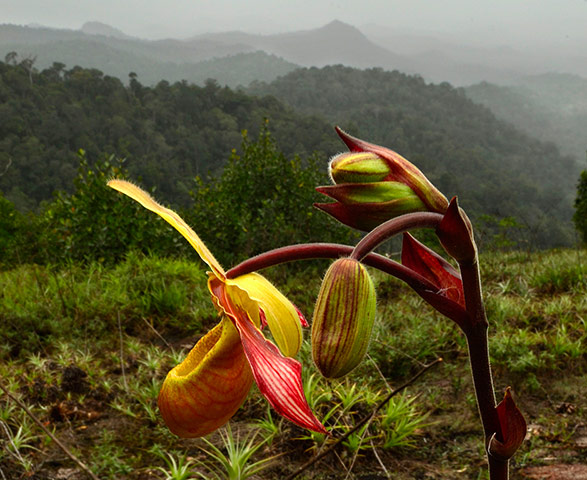
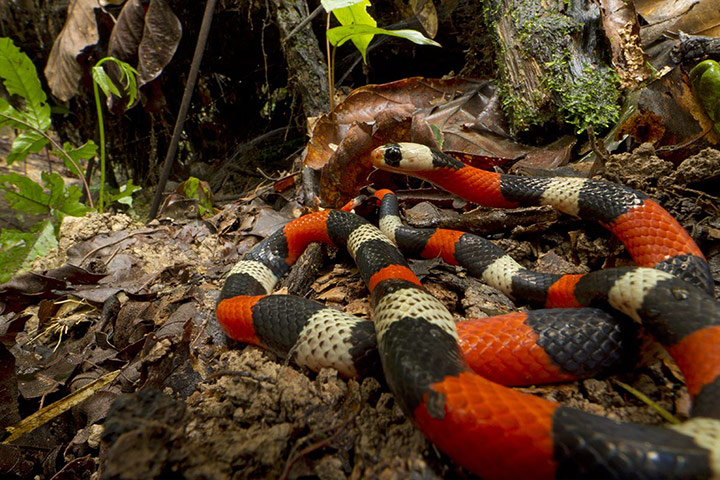
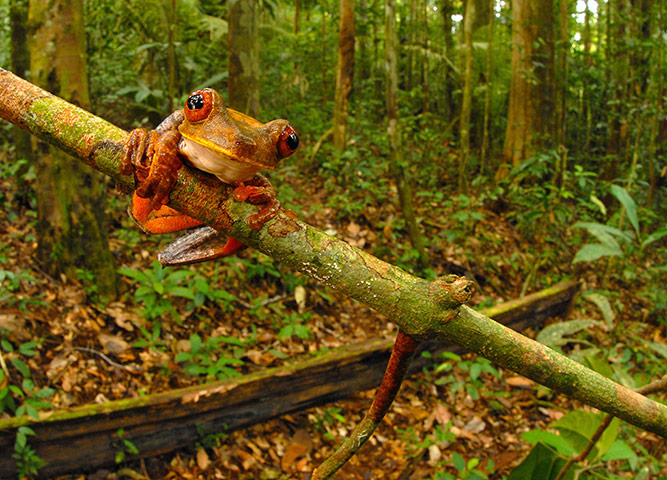
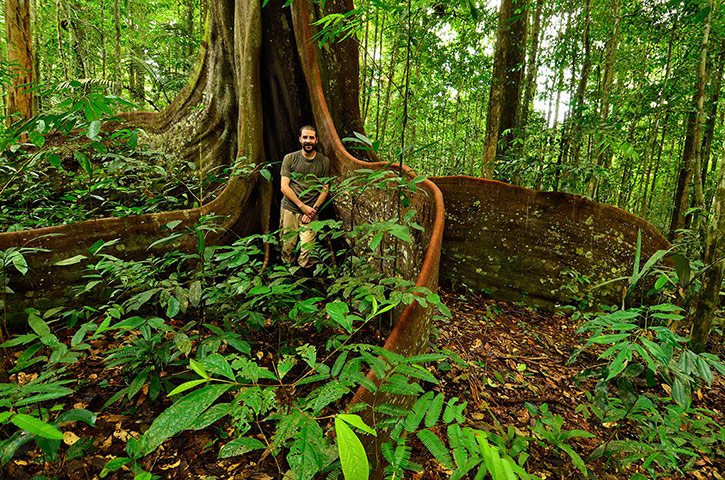
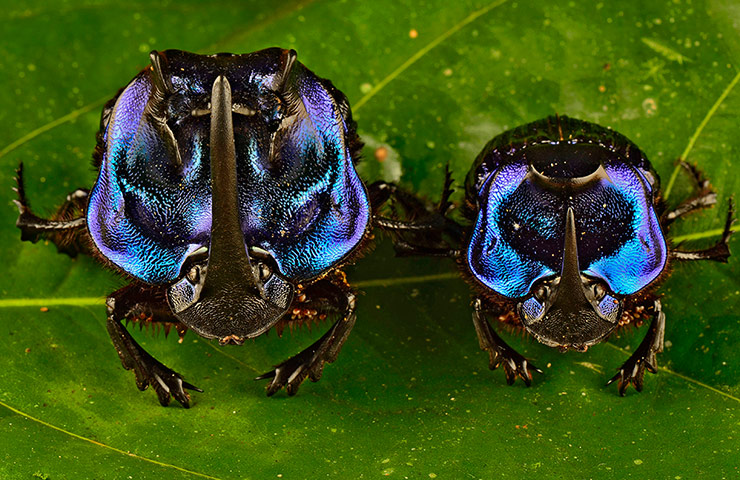
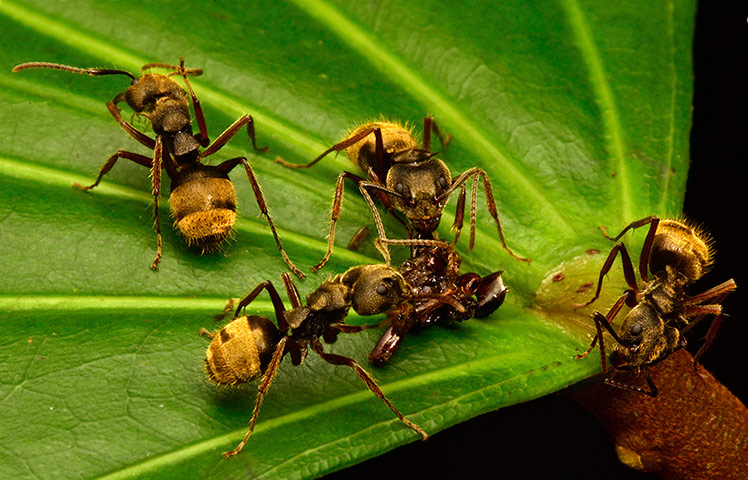
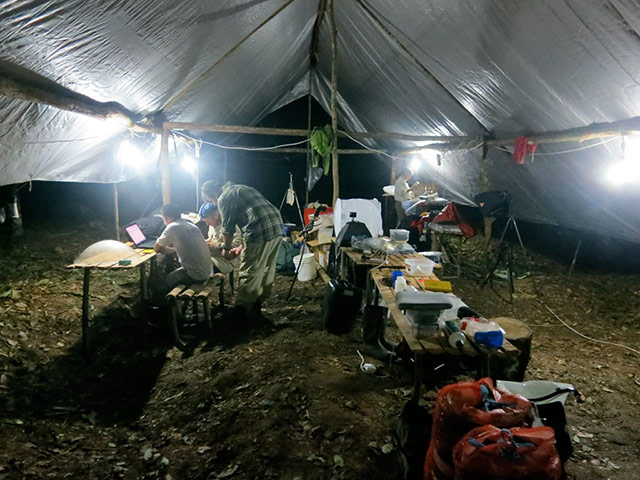
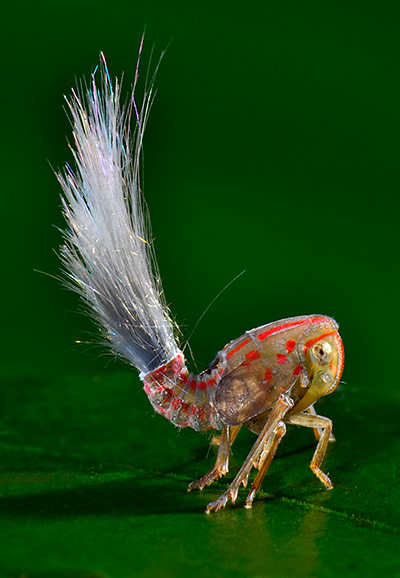
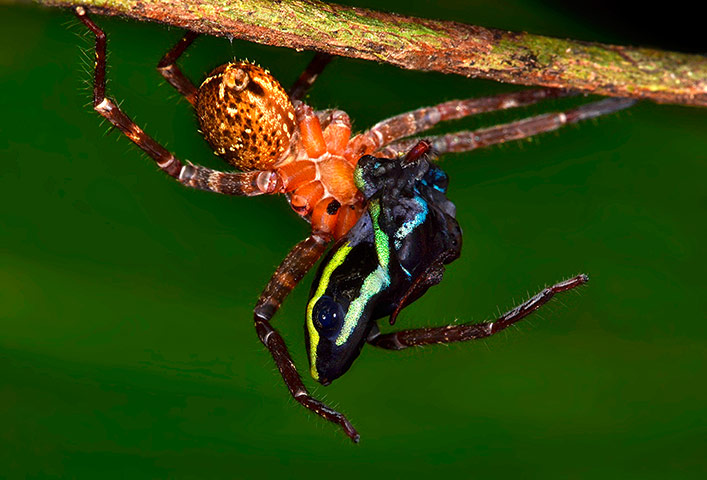
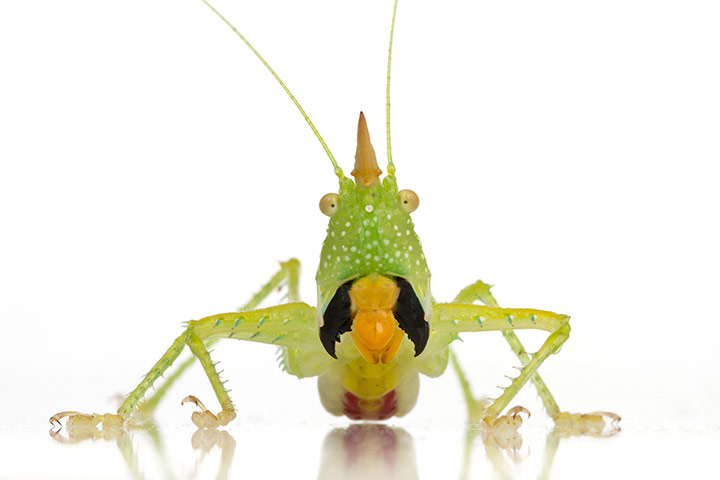
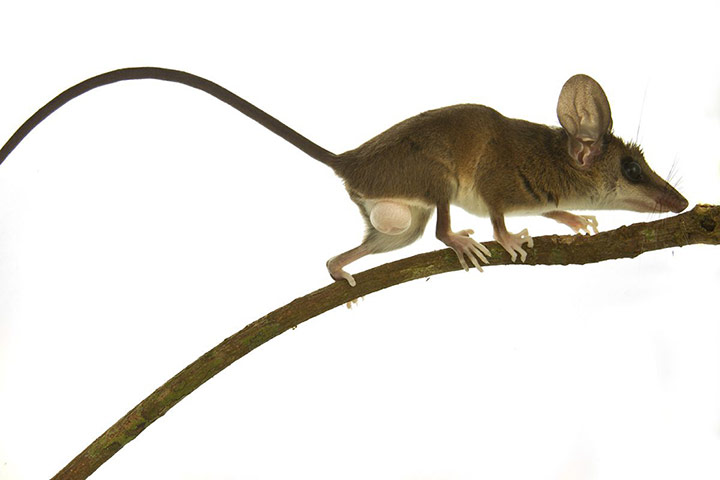
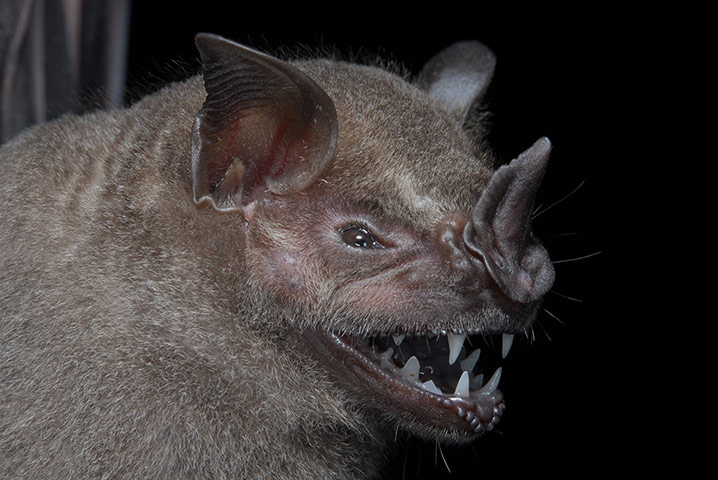
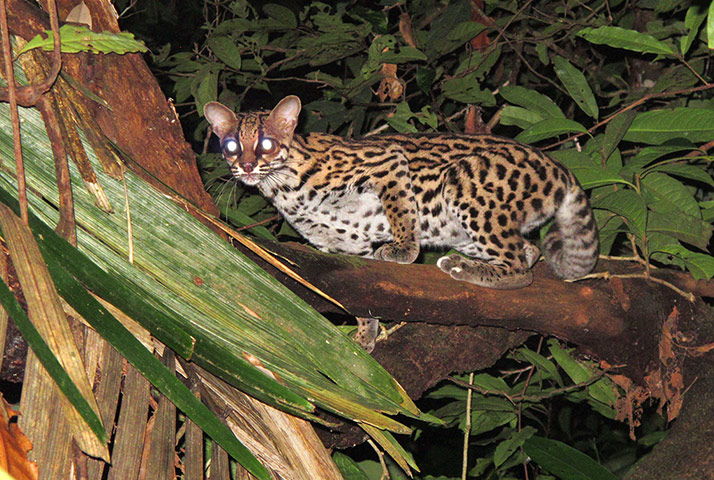
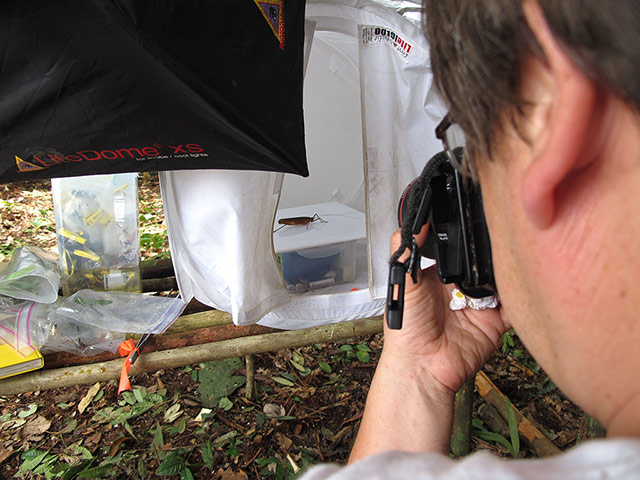
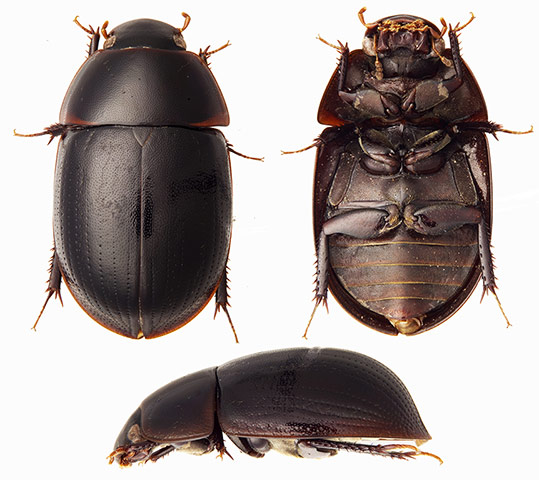
A head and tail-light tetra (Hemigrammus aff. ocellifer), closely related to a fish much appreciated by aquarium enthusiasts. This is just one of 11 new fish species discovered on the expedition, including a South American darter and a three-barbeled catfish. Fish were diverse and plentiful at the study sites, including many large fishes that were an important source of food for local peoplePhotograph: Trond Larsen/Conservation InternationalThis catfish species (Parotocinclus sp.) was collected in a tributary of the Upper Palumeu River. It has an unusual pigmentation pattern, similar to Microglanis catfishPhotograph: Conservation InternationalThe mountains and forests of south-eastern Suriname are often shrouded in clouds, and are among the wettest areas of the country. They provide an important source of freshwater that flows downstream where it sustains more than 50,000 people. These remote forests are in pristine conditionPhotograph: Trond Larsen/Conservation InternationalThis undescribed katydid species (Pseudophyllinae: Teleutini) is so strange that it actually represents an entirely new genus to science. Its unusually long, gangly legs are covered in sharp spines which help to deter predators. Many katydids are sensitive to habitat disturbance, and the species found on this expedition indicate the region is pristinePhotograph: Piotr Naskrecki/Conservation InternationalThe unusual dorsal coloration of this poison dart frog (Anomaloglossus sp.) differs from a similar species (Anomaloglossus baeobatrachus) found at the same sites. Poison dart frogs are famous for the powerful toxins they secrete – this poison is used by local people to hunt for food, but it also holds enormous potential to yield new medicines. Chemicals from some poison dart frogs have already been used to develop painkillers, muscle relaxants, and heart stimulantsPhotograph: Trond Larsen/Conservation InternationalSnouted tree frog (Scinax sp.) one of six new species of frogs scientists found during the expedition. This species represents the newest member of a diverse genus of very agile, fast-moving frogs with over 100 species. One individual leapt right onto the table during dinner at camp, and still nimbly eluded the numerous scientists Photograph: Stuart V Nielsen/Conservation InternationalAndrew Short, a Rapid Assessment Programme scientist, collects several water beetles on top of a granite rock in the Grensgebergte Mountains. With its steep, rugged slopes, the only way to access this mountaintop was by landing a helicopter on a small, precarious patch of rockPhotograph: Trond Larsen/Conservation InternationalThis orchid (Phragmipedium lindleyanum) is one of several rare and beautiful orchid species found in Grensgebergte Mountains. Many rare species occur on these distinctive granite outcroppings in Suriname. Species such as this that occur on mountaintops are highly vulnerable to climate change, since they are unable to migrate upslope in response to warming temperaturesPhotograph: Conservation InternationalThe bright colours of the false coral snake (Erythrolamprus aesculpi) lend it protection from predators, even though it lacks the deadly venom of the true coral snake. This is one of the 19 snake species encountered on the expedition, which included a true coral snake, a deadly fer-de-lance viper, and a species (Pseudoboa sp.) potentially new to sciencePhotograph: Piotr Naskrecki/Conservation InternationalA tree frog (Hypsiboas geographicus) clings to a branch in the lowland forest near Kasikasima. It represents one of the astounding 46 frog species found during the expedition, including six new frog speciesPhotograph: Trond Larsen/Conservation InternationalThe purpleheart tree (Peltogyne venosa) forms massive buttress roots which provide support, especially during extreme storms and flooding events. Purpleheart trees contain the most dense, heartwood of any tree species in the world, and its presence indicates an absence of logging in the area. Trond Larsen, director of the Rapid Assessment Programme, stands in the embrace of the giant treePhotograph: Trond Larsen/Conservation InternationalCoprophanaeus lancifer is the largest of all South American dung beetles. Despite its name, this species feeds more frequently on carrion (dead animals) than on dung. A highly unusual case in the animal kingdom, both males and females of this species possess a long horn on their head, which they use during intense battles with other individuals of the same sex. The vast difference in adult body size seen here is primarily determined by how much food was available to the developing larva. This species is capable of rapidly burying large animal carcasses, providing an important ecological service that sustains rain forest healingPhotograph: Trond Larsen/Conservation InternationalAnts are important scavengers, and can be seen here (Camponotus sp.) eating a dead insect. This represents just one of the 149 ant species observed on the expedition, with many more still to be foundPhotograph: Trond Larsen/Conservation InternationalIn order to set up a base camp, a team of local villagers had to make their way upriver for several days, often carrying boats through the forest around rapids, cutting trails, and constructing tents for sleeping hammocks, a kitchen, and a dining area. Pictured here is the research tent, where scientists processed and analysed their specimens. A generator helped researchers optimise their time in the field by working late into the nightPhotograph: Andrew Short/Conservation InternationalMany planthopper species exude waxy secretions from the abdomen, and these sometimes form long strands, such as can be seen here. The long waxy strands may provide protection from predators - fooling them into attacking the wrong part of the insect. The wax breaks off while the insect jumps to safety. The juvenile planthopper in this photo is only about 5mm long, and was exceedingly difficult to photograph!Photograph: Trond Larsen/Conservation InternationalScientists on night walk saw this extremely rare event where a large wolf spider was eating a poison-dart frog (Amereega trivitatta)Photograph: Trond Larsen/Conservation InternationalWhile most katydids are herbivorous and feed on leaves, this species (Copiphora longicauda) uses its powerful, sharp mandibles to prey upon insects and other invertebrates. It is a member of the aptly named group of conehead katydidsPhotograph: Piotr Naskrecki/Conservation InternationalThe delicate slender opossum (Marmosops parvidens) is an arboreal species which eats insects and fruit. This species is indicative of pristine, primary forests, and is one of the 39 species of small mammals (rats, bats, opossums) discovered on the expedition. Many small mammal species are important for dispersing seeds and ensuring forest regenerationPhotograph: Piotr Naskrecki/Conservation InternationalThe larger fruit-eating bat (Artibeus planirostris) was the most abundant bat during the survey. With their sharp teeth, they are capable of grabbing and eating large fruits. Scientists discovered 28 bat species on the expeditionPhotograph: Burton Lim/Conservation InternationalThis wild cat was spotted before dawn about a mile from camp. While not rare, small wild cats such as this margay (Leopardus wiedii) are extremely shy and difficult to observe directly. Unlike most cats, the margay is adapted to a life in the trees, where it hunts birds, rodents and even monkeysPhotograph: Brian O'Shea/Conservation InternationalThe expedition team included 16 expert scientists, who collected data on water quality, plants, and several groups of animals. Here, Piotr Naskrecki photographs one of the six katydid species probably new to sciencePhotograph: Brian O'Shea/Conservation InternationalThis water beetle not only represents a new species, but also a new genus to science. This species was found living in water seepages on granite mountaintops, and may occur only in southeastern Suriname. The team also found 25 other water beetle species that are new to science. Many of the water beetles found by the team are indicative of the unusually high freshwater quality in the regionPhotograph: Andrew Short/Conservation International
Sign up to read this article
Read news from 100’s of titles, curated specifically for you.