The posh occupy a peculiar place in British public life – from William and Kate to James Blunt, they are equal parts comfort blanket and scratching post. And, naturally, the same applies to the journey of posh archetypes through the history of our television. We can’t quite decide between scorn and affection but, all the same, they represent an itch we seem compelled to scratch.
Richard DeVere and Audrey fforbes-Hamilton in To the Manor Born, 1979
Has there ever been a more British TV show? To the Manor Born may feel like a homage to the class system, rather than a critique, but it is no less revealing for that. Its central thesis – that posh isn’t always rich and rich isn’t always posh – might work as a potted guide to upper British society. As aristocratic Audrey warned upstart Richard: “You may have just bought a piece of English history, but you don’t own anything.” It’s a battle between new and old money; between crass, brash insurgency and the complacent, entitled status quo. And as such, it’s a show brimming with modern resonance – visit west London in 2015 and you’ll spot Richard DeVeres everywhere.
Sebastian Flyte in Brideshead Revisited, 1981
The UK was enduring a horrible year. Margaret Thatcher’s shock therapy was convulsing the economy. The inner cities were aflame. Boom towns were becoming ghost towns. So what did we do? Some of us listened to the Specials, but many more took refuge in the escapades – if that isn’t too vigorous a description of his seemingly opiated languor – of an impossibly effete young man called Sebastian, and Aloysius, his teddy bear. Brideshead wasn’t the first lavish slab of period-clad posh porn to grace our screens. But it was the first one to serve such a galvanising yet escapist purpose, and make it clear that when the going got tough, the British often gazed backwards and upwards for solace.
Tim Nice But Dim in Harry Enfield’s Television Programme, 1990
In 1986, the Peak Thatcher years, the BBC showed a startling documentary called The Fishing Party. Its most memorable character was a braying aristo called Robert Hutchinson; blundering around, drunk on an inherited fortune. Harry Enfield was clearly watching because a few years later, Tim stumbled into view – a gormless polar opposite of Loadsamoney and a dire warning against the twin evils of inherited wealth and blazer-and-rugby-shirt chic.
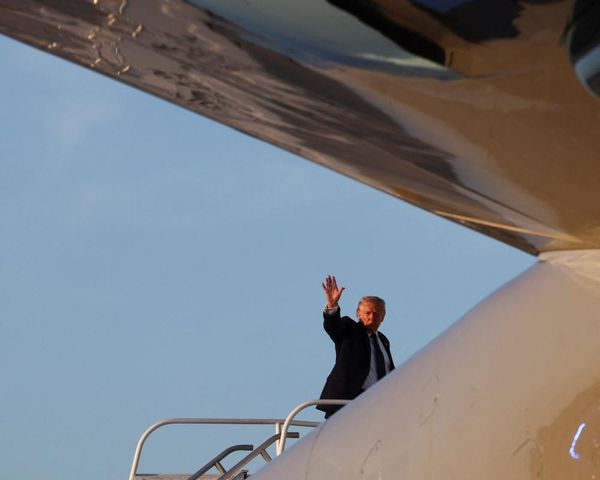
Robert Crawley in Downton Abbey, 2010
Conspiracy theories are for the birds. But even so, the arrival of a primetime drama that rewrote social history to showcase the blameless, even thankless, necessity of aristocratic noblesse oblige did prompt a few raised eyebrows. Mainly because it appeared – freshly created by a Conservative Lord, no less – in the year that an old Etonian Tory reclaimed Downing Street. Downton’s Robert Crawley was a gentle, decent sort of toff, but that was precisely the problem – his existence felt like a televisual Keep Calm and Carry On tea towel flicked in the face of Britain’s post-financial-crisis uncertainty.
JP in Fresh Meat, 2011
JP remains a brilliant comic creation – simultaneously insufferable and impossible to really dislike. Perhaps that was because he was so familiar: everyone who went to university surely remembers a slumming, needy posh kid whose apparently limitless financial wherewithal was matched only by his desperate need for acceptance. Still, JP is many things, but a class traitor isn’t one of them. “The northerner is trusting and loyal, like a gun dog,” he explained to his chum Giles as they sampled the humdrum exoticism of the local supermarket.
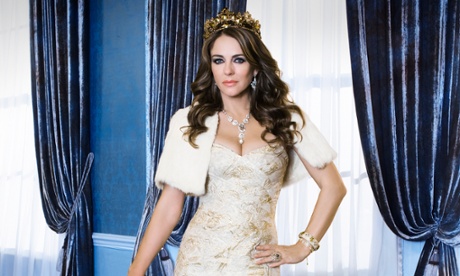
Queen Helena in The Royals, 2015
The British Royal Family have cockroach-like powers of resilience. But can they withstand being the (very approximate) subject of a potentially farcical drama on E! starring Elizabeth Hurley? This show, which premiered to eye-watering reviews in the US, looks likely to cement the union of high society and low culture that is surely the likeliest direction of travel for the hardy Windsor brand. It’s the British aristocracy by way of Made in Chelsea. We await the coming constitutional crisis with some excitement.


.jpg?w=600)