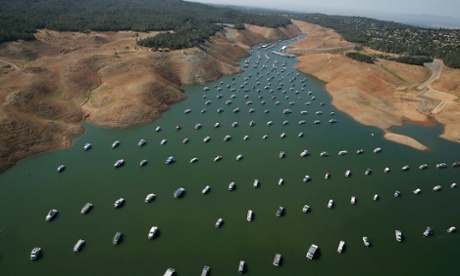
The World Economic Forum has identified ‘water crises’ as one of the risks of highest concern in its 2014 Global Risks report. If climate change and food security are key sustainability concerns in the coming decades, then it is water that sits at the core of both.
What does all this mean for business? The phrase “all politics is local” is equally applicable to water risk. Businesses need to understand their operational and market contexts to manage risk and leverage opportunity when it comes to water resources.
A prime example of this in practice is provided by Nestlé, which last month announced a zero water dairy factory expansion in a water-stressed region in Mexico. Nestlé installed new processes and equipment that enable the effective use of recycled water from its operations, thereby minimising the need for water extraction.
Businesses testing the waters when it comes to managing the risk of this key resource, can follow a simple six step process:
1. Quantify the direct and indirect water footprint
In order to develop a coherent strategy on water, businesses need to first understand the volume of water consumed across the value chain and where this water consumption is located.
2. Map water risks
Once you have the big picture of the water footprint for your business you can then apply this to geographically-relevant assessments of water scarcity, water stress or other applicable water risk factors to develop an overall risk map.
A number of tools and methodologies exist to support the initial water footprinting and risk assessment stages. Among them are WWF’s Water Risk Filter, the Global Water tool developed by the World Business Council for Sustainable Development and the World Resources Institute’s Aqueduct risk mapping and measurement tool to name a few.
3. Identify high priority areas for action
Volkswagen’s Think Blue factory programme, for example, aims to reduce energy and water consumption throughout the vehicle production process. As part of the programme it identified that its upstream manufacturing process was where more than 90% of the water consumption occurs.
As another example, Puma’s environmental profit and loss account identified that its direct operations accounted for just 0.001% of the water consumption analysed, with the rest in the supply chain. Consequently, the company committed to work with suppliers and set ambitious targets to direct and strategic suppliers to reduce their water use by 25%.
4. Identify improvement opportunities in high priority areas
After prioritisation, the next step is to establish what measures can be taken in those high priority areas to minimise impact and mitigate risk. Bayer CropScience, for example, is developing plant strains that can thrive in water stressed areas, and promoting efficient irrigation techniques, as part of its value chain approach to water stewardship.
Many other examples exist of companies that have identified direct and indirect opportunities to influence or impact their water footprint across the value chain, having first identified where those impacts lie.
5. Establishing a strategic framework
A fundamental part of any strategy will involve the establishment of new metrics and targets in order to track performance and drive improvement in key areas.
It is expected that companies will increasingly adopt new ways of reporting overall exposure to water risk, supplementing traditional reporting (consumption, discharge and quality) with more sophisticated risk-based metrics.
6. Establish collaborative partnerships
The complexity of the water landscape, as well as the interconnectedness of global supply chains and that of consumers of water in any given location, means that to address this issue effectively requires a collaborative approach. Leading companies are already demonstrating the value of partnerships in managing water risk in their value chains.
Thames Water’s Waterwisely drought campaign and Unilever’s USLP consumer product water-use campaigns are prime examples of how companies are engaging with the downstream consumer base to promote sustainable behaviour change.
The bottom line is that CSR managers and sustainability professionals should not be complacent on water, as the risks posed are significant. The key to effective water management is to take action now to understand the risks and identify opportunities for your business.
Yohan Hill and George Blacksell, Corporate Citizenship consultancy. For more information please see Water means Business: Corporate Perspectives on Water
Read more stories like this:
- The US, South Africa and Australia are turning wastewater into drinking water
- Water wars: a new reality for business and governments
- Advertisement feature: Green and clean solutions to the dairy industry’s wastewater problems
The water hub is funded by Grundfos. All content is editorially independent except for pieces labelled advertisement feature. Find out more here.
Join the community of sustainability professionals and experts. Become a GSB member to get more stories like this direct to your inbox