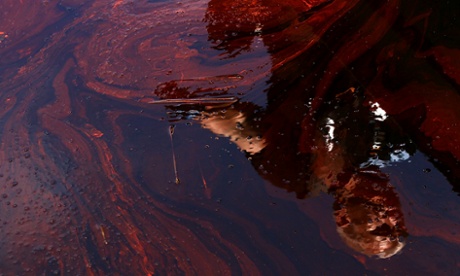
Oil prices are plummeting. The US price for a barrel of crude has fallen to less than $78 a barrel, the lowest level in years. That comes hard on the heels of a summer-long 25% dip in prices that pushed gas at the pump below $3 a gallon – the lowest level since 2010.
It’s not a real crash: the world doesn’t really need more oil. Much of the drop is Saudi Arabia’s latest pricing shenanigans in negotiating with Opec.
A crash in oil prices looks dire. But this may make less difference than you might imagine to your day-to-day finances.
There is one exception: gasoline. Refined from crude oil, the price of gas tends to move in sync with oil. There are regional variables – is there enough refining capacity? What are the local fuel emission regulations? – that can alter those dynamics, and there’s usually a lag before crude oil price declines start showing up at the pump.
Cheaper gas could relieve some of the pressure on our beleaguered household incomes, just in time for the holiday season. And anything that spells relief on the cost front for the 95% of us who have struggled throughout the “recovery” would be welcome news, indeed. The retailers wouldn’t mind a bit, either, given their problems making money from the cash-strapped middle class.
There’s even an argument that lower gas prices at the pump could act as a kind of mini-economic stimulus.
The theory may be sound, but I’m wary of glib suggestions that cheap oil is a panacea. Betting one’s future financial wellbeing, or that of an economy, on a volatile commodity price, seems like a less-than-compelling idea. Especially since, right off the top of my head, I can see several ways in which cheap oil isn’t going to give your personal bottom line a boost.
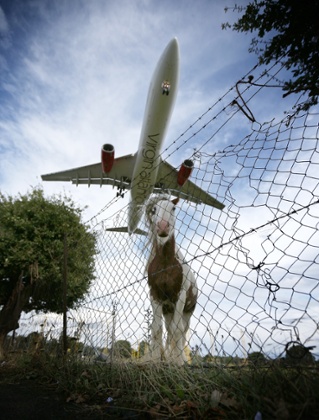
Air travel probably isn’t going to get much cheaper
Yes, just as you pay less for gasoline, airlines will pay less for jet fuel – their single largest operating cost. Just don’t expect them to pass those savings on to you in the form of last-minute Thanksgiving deals or cheaper-than-expected winter ski vacations. On the contrary: American Airlines said the amount passengers paid to fly each mile in its third quarter rose, as fuel costs fell. The industry, after years of financial misery, has consolidated, and it is intent on keeping itself on an even footing rather than sharing the wealth.
If you pay lower heating bills this winter, it will probably be more to do with the weather than with fuel costs
Anyone who relies on heating oil or other refined oil products to heat their home might feel grateful at the idea of spending less this winter. But the Energy Department’s forecast that Americans will spend less on keeping their homes warm this winter rest mostly on forecasts that the weather will be less frigid rather than on any specific outlook for fuel prices. A prolonged cold snap is still likely to leave you gazing at your next utility bill in dismay.
Your gold jewelry is worth less
One reason that gold prices rise is that people worry about inflation and turn to gold instead, believing that the precious metal is more likely to hold its real value when the price/value relationship of other assets breaks down completely. What’s the link to oil prices? Economists see a cause and effect relationship between the two: when oil prices rise, it suggests that the economy is heating up, and that increases the risk of inflation. The reverse also is true: sure enough, gold is hovering at its lowest levels in four years.
Grocery store prices won’t necessarily fall
Generally speaking lower crude oil prices mean lower prices for agricultural products, and indeed, food prices have been falling globally this year. But the relationship isn’t a linear one, with food prices falling at the same rate that oil does – there are just too many other factors at work. And when you buy a box of corn flakes, you buy far more than corn: you’re paying for the packaging, the marketing, the distribution and the retailing. It’s unlikely you’ll pay less for those corn flakes because crude oil and corn are cheaper. And certainly not 20% less.

Farmers won’t necessarily benefit
Even if you see slightly lower food prices, many farmers won’t be better off, especially this year. Most of them bought or contracted to buy their season’s supply of diesel fuel, pesticides and fertilizer – all petroleum-based products – before the rout in oil prices began early in the summer. To the extent that farmers failed to commit to sell their crops, some farmers could end up in the worst of all possible worlds: stuck with costs that were higher than they might have been while earning prices for their crops that are 15% to 20% lower, thanks to the crude oil selloff.
There will be regional slumps
Ask anyone in the Texas oil patch what it was like living through the late 1980s, when crude prices languished below $10 a barrel, and then consider what that kind of regional recession might look like now that the shale oil revolution has created little economic booms in entirely new areas of the country. In North Dakota, some counties have seen populations double, but the drop in prices is causing oil companies to ratchet back expansion plans. If layoffs follow, what kind of toll will this take on state and local government resources?
It’s too soon to tell whether the current crude price move is more than one of those dramatic swings that characterize global commodity markets.
After members of Opec, of which Saudi Arabia is the dominant member, meet in Vienna on Thanksgiving, we should have a little more insight into whether their battle for market share will provide reasons – and not just the emotion of negotiation – to fuel further selling.
But what any oil price decline means to you depends a lot more on where and how you live than those blaring headlines suggest.
Oil prices could well keep falling – and at the very least, they’re likely to remain extremely volatile. But you’ll fare better if you view it as an interesting phenomenon that may prove beneficial to you in some ways, rather than the end of the world.