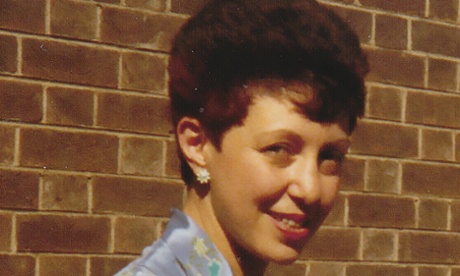
In 1995, my friend Siri Lowe, who has died of cancer aged 68, was afflicted with the auto-immune skin disease pemphigus vulgaris, which forced her to take early retirement and changed the course of her life. Siri assiduously studied the disease, its symptoms and the immuno-suppressant drugs that were customarily prescribed to put the blistering it caused into remission, and set up a pemphigus support network.
She collected, collated, wrote and edited material for the support group’s website and also offered information over the phone every weekday morning. Overturning initial scepticism from medical experts, she won professional recognition, including the praise of the British Association of Dermatologists, for her accuracy and thoroughness. Anthony du Vivier, her consultant at the dermatology clinic of King’s College hospital, in south-east London, became one of her greatest supporters. Siri attended meetings of the parliamentary all-party skin care committee and the British Association of Dermatologists. Her greatest triumph came in organising a conference in London in 2000 for pemphigus patients, bringing together sufferers of this very rare, debilitating and potentially fatal disease, and thus ending their isolation.
She was born Rosalind Lowe, of Jewish heritage in Hackney, London, the only child of working-class communist parents, John, a taxi driver, and Betty. She was a bright child and attended a local grammar, the Skinners’ Company’s school for girls, and from there went to Sussex University in 1964 to read English and French. There she reinvented herself as Siri.
Despite doing well academically, Siri felt that she could not fit in at Sussex, had a breakdown and dropped out after little over a year. After her recovery, and under pressure from her parents, she trained to become a bilingual secretary. She loathed secretarial work and after a few years became a typesetter at a socialist print shop in London. She became active politically at this time, first as a member of the International Socialist Group, and later in the women’s movement. Joining a consciousness-raising group in Clapham in 1973 was a life-changing experience for Siri. She was an ardent socialist-feminist, firmly believing in “the personal as political” and striving for a non-sexist world.
Siri’s interests were wide-ranging, when her health permitted. For more than a decade she served as a bereavement counsellor. She enjoyed opera and theatre and studied theatre production; was a regular visitor to art exhibitions; took an interest in archaeology; and taught herself about gemstones and their properties. Siri had a scintillating wit, which brought fun and delight to those around her; and she took pleasure in the absurdities and inconsequentialities of life.
She also taught herself Italian and enjoyed many Italian holidays with her partner of more than 30 years, John Hutchinson, who survives her.