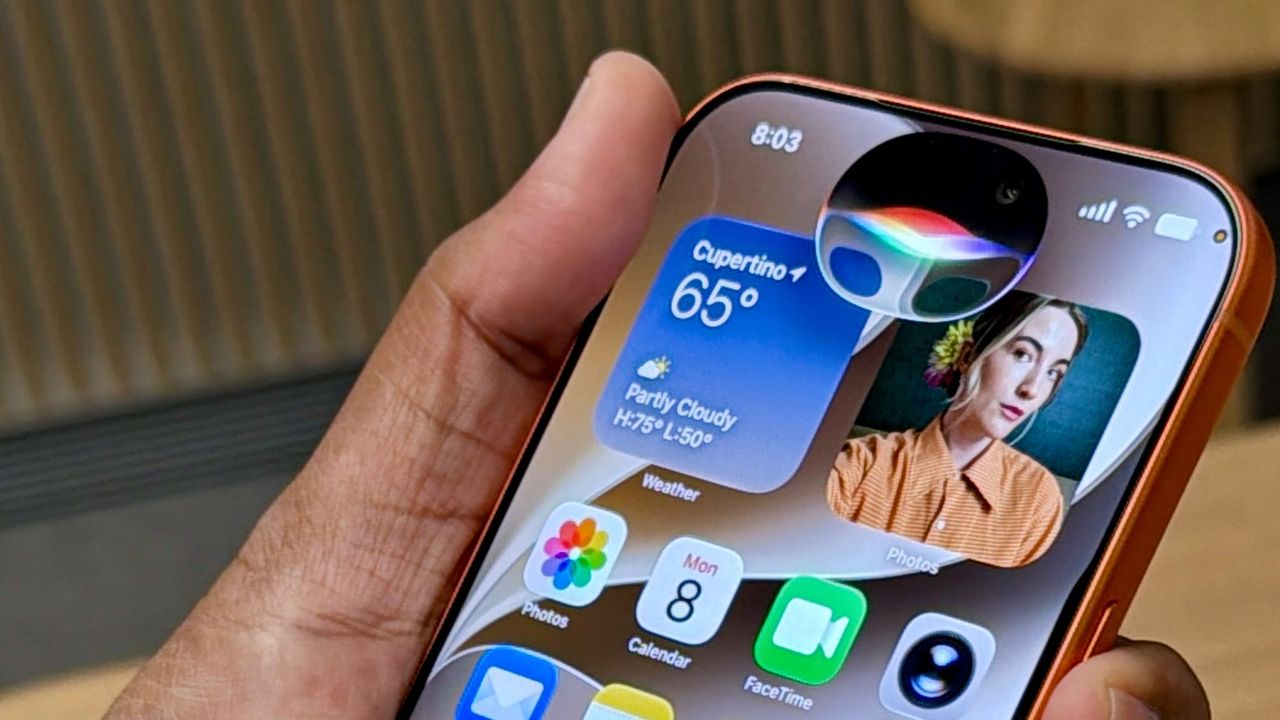
Apple revealed a lot of information about Siri AI during the WWDC 2026 keynote address, but it looks like there are still secrets about the AI waiting to be discovered. For instance, although Siri AI isn't available yet, code found in the iOS 27 beta suggests Apple's chatbot will actually warn users if they're spending too much time with it.
"You've been in this conversation for %1$#@hours@-consider taking a break," the code says, adding "Siri is not a person, but will be here when you're ready to continue."
In iOS 27, if you use the new Siri for too long, you may receive a "take a break messsage""You’ve been in this conversation for
hours - consider taking a break.Siri is not a person, but will be here when you’re ready to continue" pic.twitter.com/X63Vd2ehTSJune 9, 2026
This "Take a Break Message" suggests that Apple is taking steps to ensure people don't get too involved with Siri AI and don't start treating the chatbot as though it's a real person. Believe it or not, this is a very real problem that has appeared over the past few years.
The term "Chatbot psychosis" has been coined to describe people who develop "worsening psychosis, such as paranoia and delusions, in connection with their use of chatbots." Naturally, that's something Apple wants to avoid, and other AI companies have added features to encourage users to take breaks and demonstrate the limits of modern AI tools.
How other chatbots deal with breaks

When asked whether they tell users to take breaks, all three chatbots admitted that they do not.
I asked Claude, ChatGPT and Google Gemini: "What features do you have to encourage healthier use of AI?" All three listed off a long list of things the three chatbots are supposed to do.
Examples include Transparency about not being a real person, encouraging human interaction, fact-checking and care when discussing sensitive topics like emotional well-being and mental health.
When asked whether they tell users to take breaks, all three chatbots admitted that they do not, with variations of the same phrasing. "Not routinely," according to ChatGPT, "not proactively," said Claude and "not automatically" is how Gemini put it.
ChatGPT and Gemini claim that they do suggest users take breaks based on the context of the conversation, such as when they say they're exhausted or have been working for an extended period of time. Claude claims that it doesn't "have the visibility or continuity to do that meaningfully," which makes some sense. Anthropic's AI also added that it tries not to use language to encourage you to keep coming back, and will suggest other possible resources when relevant.
All three also said that the onus is essentially on you to decide how much AI time is healthy. Claude even added that "there's an argument that an AI telling you when to use AI is a bit paternalistic." That actually feels a little dismissive, if you ask me, but the point is still the same.
Apple's always wanted to be different
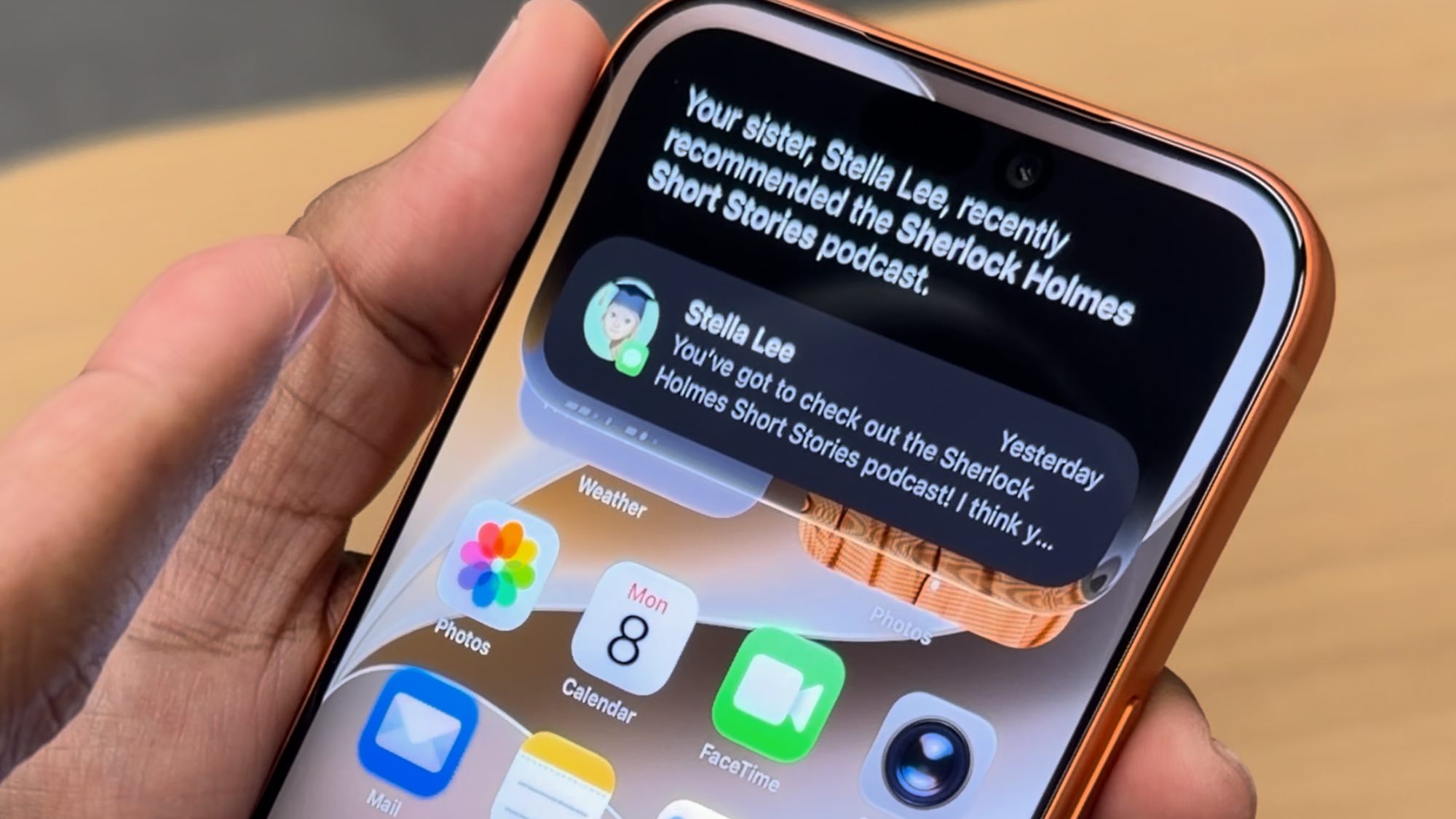
Apple has never really been the kind of company to do something just because its rivals think it's a good idea. Some of you may even remember the slogan "Think Different" that debuted in the late '90s. It's been clear from the beginning that Apple's approach to AI isn't quite as gung-ho as its rivals.
The fact that the delays involved with upgrading Siri to Siri AI obviously played a big part in that, but Apple is making it clear that it's making sure its own AI stands out. This has been most notable with privacy switched on by default, but also apparently with tools that help encourage a healthier relationship with AI.
The big three rivals all say they have measures in place to encourage healthier engagement with AI, but none of them have gone to the same lengths as Apple. While the software obviously can't force people to take breaks, we all know that spending too much time in front of a screen isn't exactly good for us — even as adults.
The fact that Apple does seem to be taking a more proactive approach in user wellbeing, even in the age of AI is going to help it stand out. Whether it comes across as safeguarding users or babying them will likely depend on your own point of view