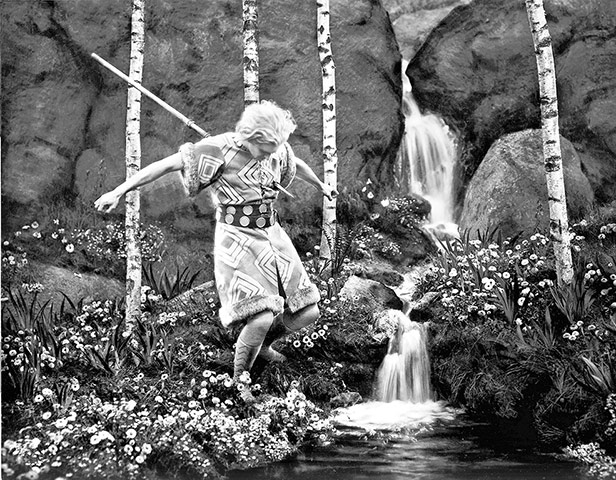
The death of Siegfried (Paul Richter), concludes the first half of Fritz Lang's stylish nationalist epic Die Nibelungen – adapted from the Nibelungenlied by the director and his wife Thea von Harbou, and dedicated 'to the German people'. Early in the first film, Siegfried slays a dragon in the forest and bathes in its blood, which renders him invincible, apart from one small patch on his back, covered by a stray leaf. In this scene, a spear thrown by his enemy Hagen discovers that weak spot … Photograph: Thames & Hudson
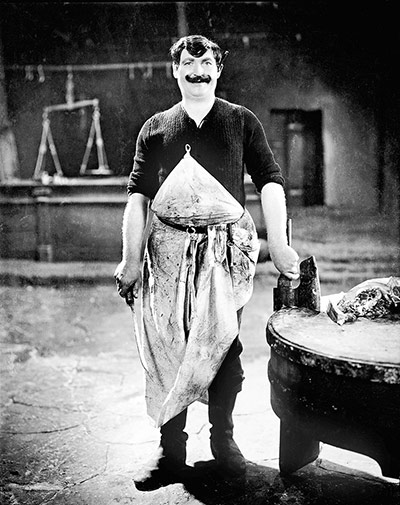
In this grisly realist drama from the director better known for Pandora's Box, Greta Garbo and Asta Nielsen star as women trying to make their way out of the slums. Werner Krauss (pictured), plays the local butcher, who demands sexual favours in exchange for meat Photograph: Thames & Hudson
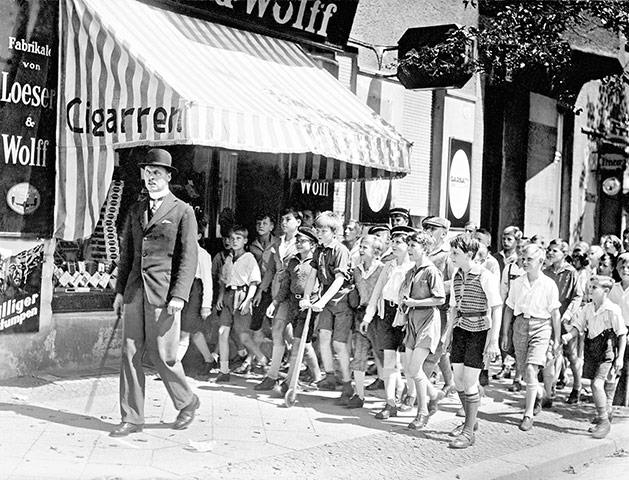
The script for this first film adaptation of a popular children's novel set in Berlin was written by a young Billy Wilder. Fritz Rasp plays the mysterious Grundeis, here shadowed by a gaggle of boy-sleuths Photograph: Thames & Hudson
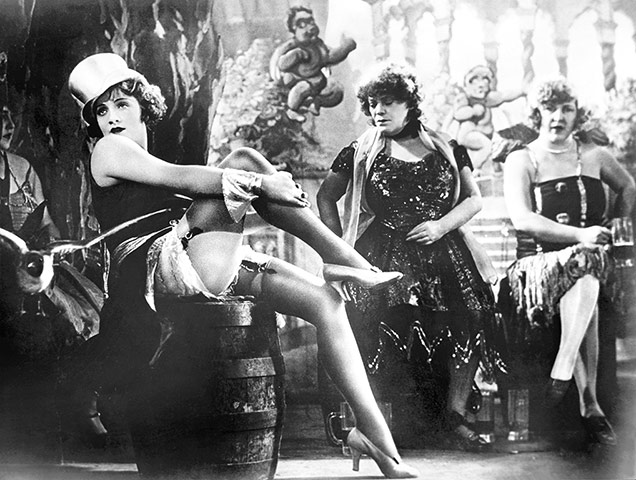
In perhaps the ultimate Weimar film, Marlene Dietrich plays Lola-Lola, a cabaret star, and Emil Jannings the professor who ruins himself for her. Dietrich's performance of Falling in Love Again, or Ich bin von Kopf bis Fuß auf Liebe eingestellt (the film was shot in both English and German-language versions), is the highlight of the film, and of her distinguished career Photograph: Thames & Hudson
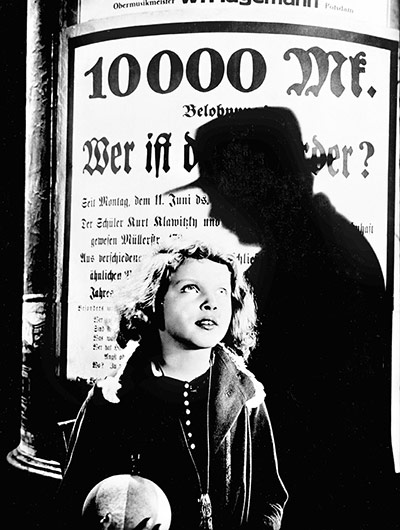
The shadow belongs to a child-killer, played by stage star Peter Lorre (who went on to find success in Hollywood), and Inge Landgut is the young girl in peril. Director Fritz Lang presents her death obliquely: her rubber ball bounces along the ground, her balloon is trapped in the telephone wires. M was Lang's first sound film and he considered it to be his best work. Photograph: Thames & Hudson
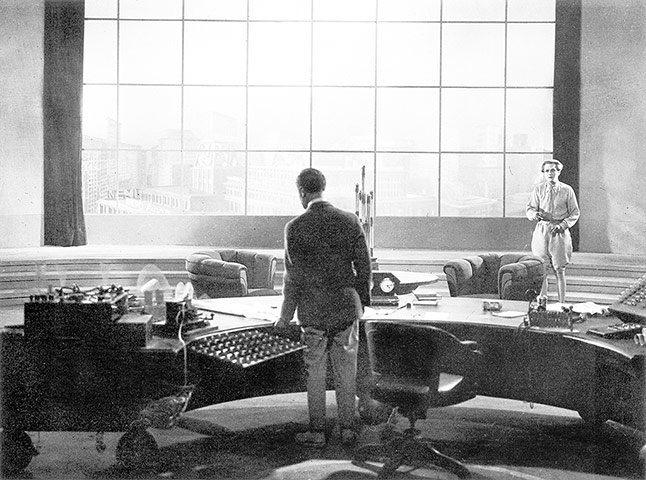
The influence of Fritz Lang's gothic-futurist fantasy Metropolis continues to make itself felt – the discovery in 2010 of a near-complete print has only enhanced its reputation. In this scene, idealistic Freder Fredersen (Gustav Fröhlich) is horrified by the way his industrialist father (Alfred Abel) manages his workers. You can glimpse the film's famous high-rise cityscape through the mammoth window Photograph: Thames & Hudson
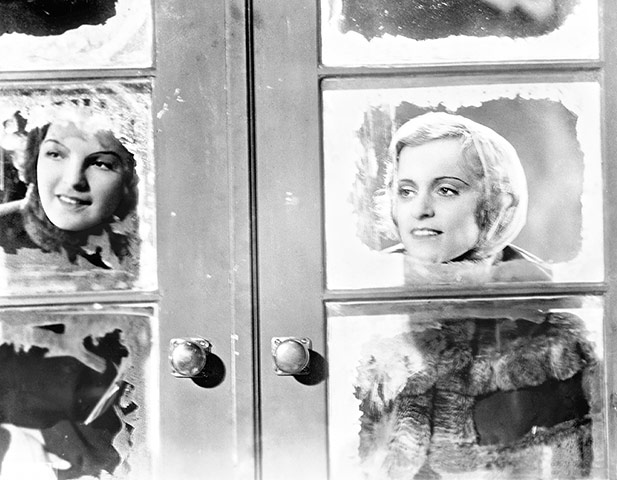
Max Ophüls made films in Germany and the US, but he is most famous for those he directed in France in the late 1950s. The most critically esteemed of his German films is romantic tragedy Liebelei, an adaptation of an Arthur Schnitzler play. Magda Schneider (pictured) plays Christine, a musician's daughter in love with a soldier. Her daughter Romy Schneider played the same role in the 1958 French-language adaptation Christine Photograph: Thames & Hudson
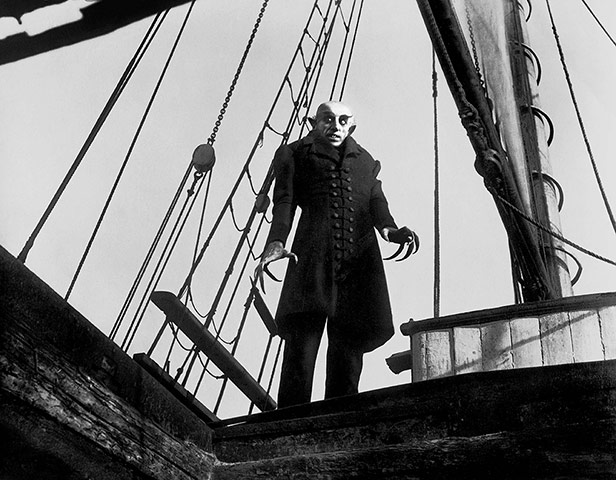
FW Murnau's expressionist favourite is an adaptation of Bram Stoker's Dracula in all but name, in which Max Schreck plays Count Orlok, the 'bird of death'. Schreck was a former stage actor who had worked with Max Reinhardt and Bertolt Brecht. Despite the theory popularised by cult film Shadow of a Vampire (2000), Schreck was almost certainly not actually a vampire himself Photograph: Thames & Hudson
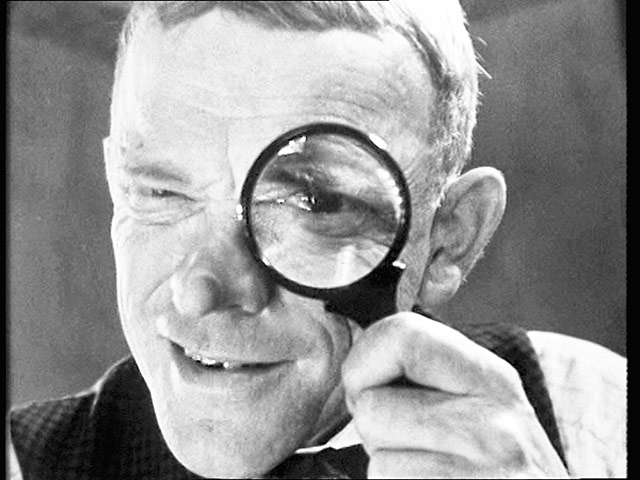
Comic, clown and cabaret star Karl Valentin stars in this silent caper, which wrings its humour from the search for a rare stamp. Valentin, sometimes known as 'the Charlie Chaplin of Germany', was best known for his cabaret routines; Bertolt Brecht was a fan, and the two men worked together too Photograph: Thames & Hudson
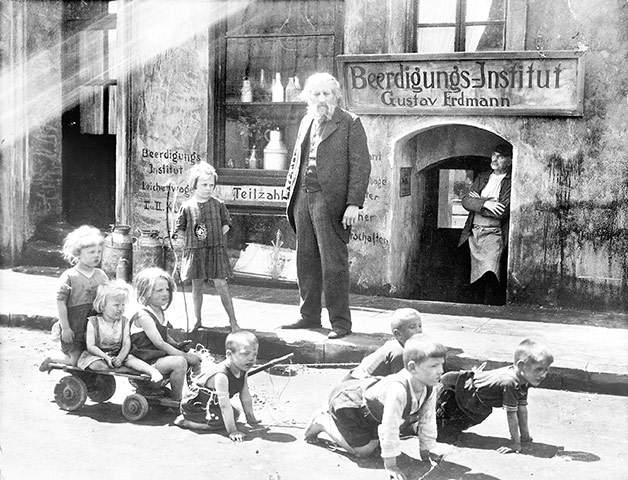
Gerhard Lamprecht's realist drama traces the downfall and redemption of a man (Bernhard Goetzke) who leaves prison to find he has lost his girlfriend and his family have turned their back on him. In this still, Eduard Rothauser appears as Rottmann, an elderly photographer who offers the hero some work Photograph: Thames & Hudson