Sir Mervyn King prepares to leave the Bank of England - in pictures
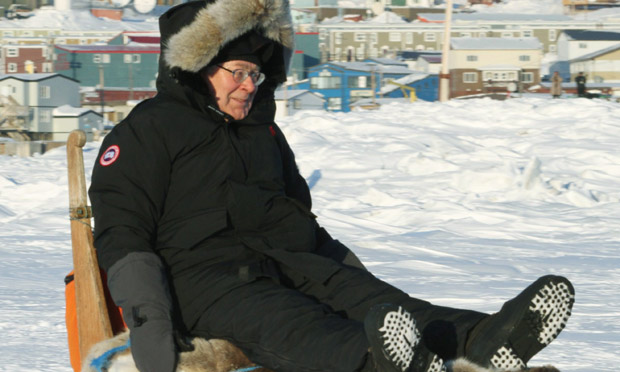
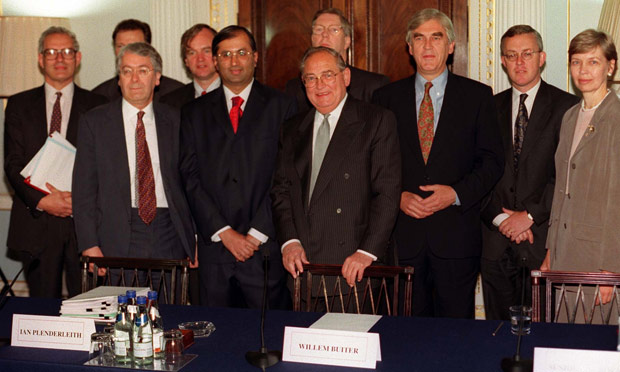
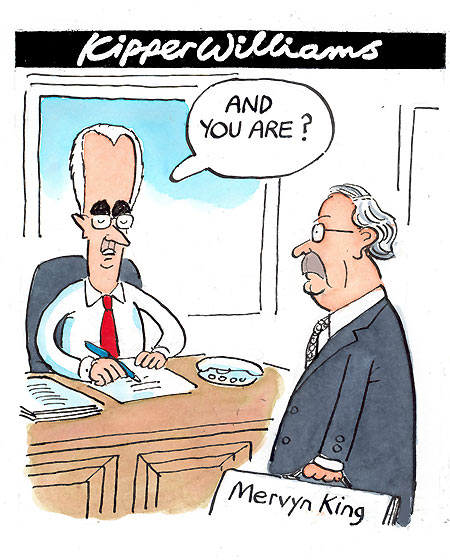
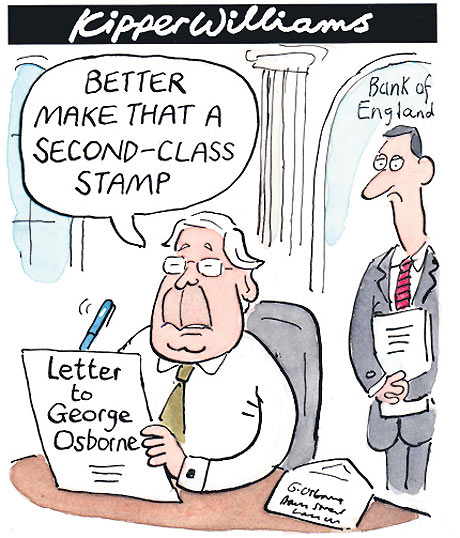
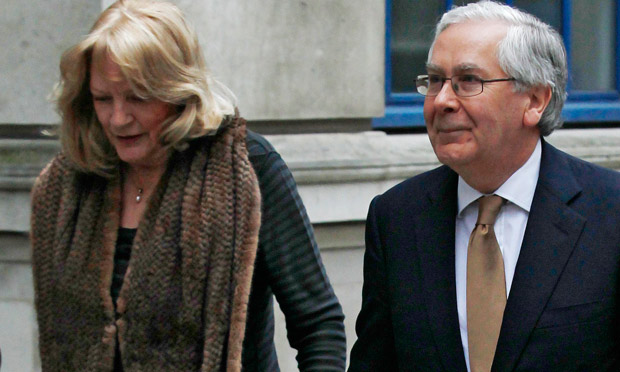
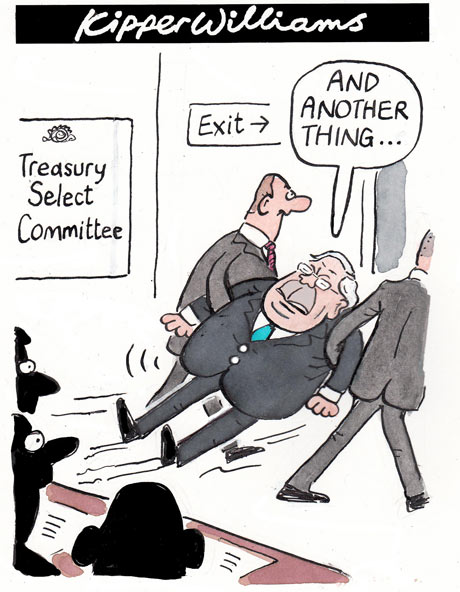
The picture the papers love to reproduce. King found the time to go for a ride on a dog sled during the summit of G7 finance ministers held in Canada back in 2010, declaring the experience 'wonderful' and prompting suggestions he had a whale of a time. The 65-year-old is to become one of the growing number of high-profile business and finance figures to take a so-called 'grey gap year', announcing on Desert Island Discs that he would take a holiday of at least six months after he steps down and had promised his wife he would take up dancing lessonsPhotograph: Fred Chartrand/APMervyn King has been with the Bank of England for almost quarter of a century, as the economy has staggered through two recessions, one boom and a global financial crisis. He joined as non-executive director back in 1990 and was made deputy governor under Eddie George – or Steady Eddie – in 1998, stepping up to replace his mentor in 2003Photograph: Matthew Fearn/PARelations between the Bank of England governor and the chancellor of the exchequer will always be fraught, but King’s tenure under first Gordon Brown and then Alistair Darling was particularly tense. After clashes with Brown over breaking up the banks, things deteriorated further when Darling moved into Number 11. Darling called King 'amazingly stubborn and exasperating' in his memoirs and suggested he would have been sacked had the government been able to find a viable alternative in 2008. Despite some criticism of George Osborne’s policies, it is thought he leaves on good terms with the current chancellorPhotograph: Kipper Williams/Guardian
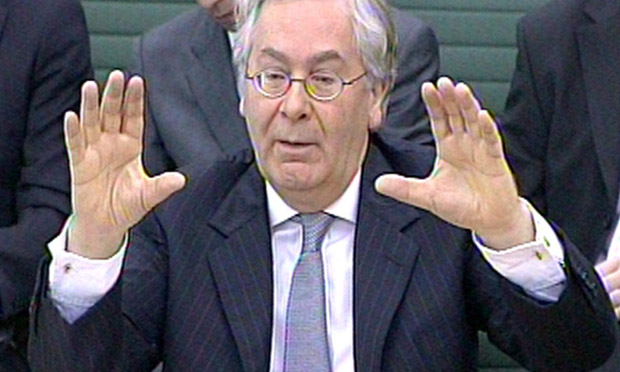
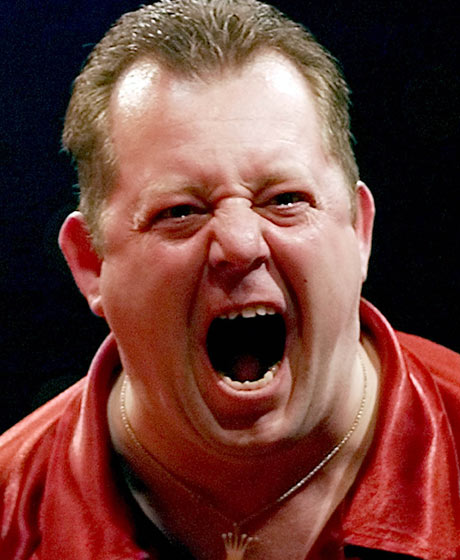
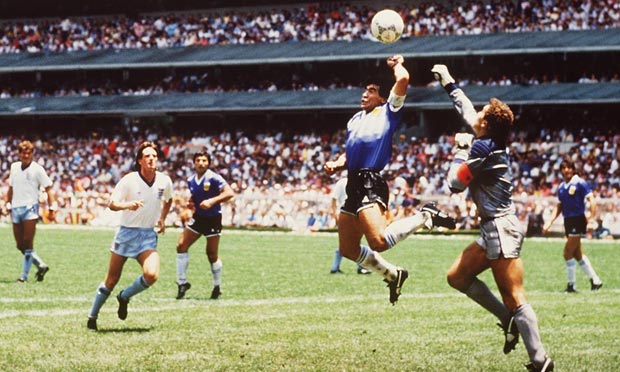
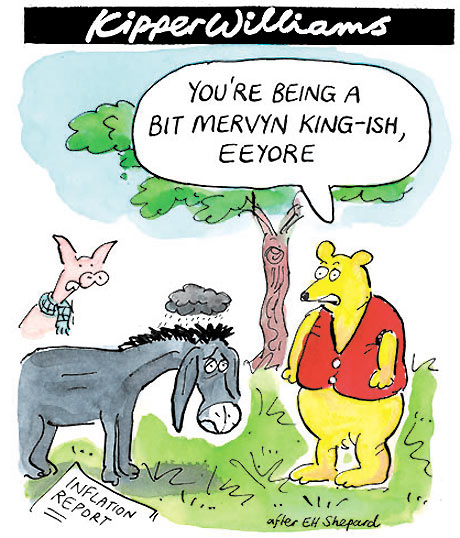
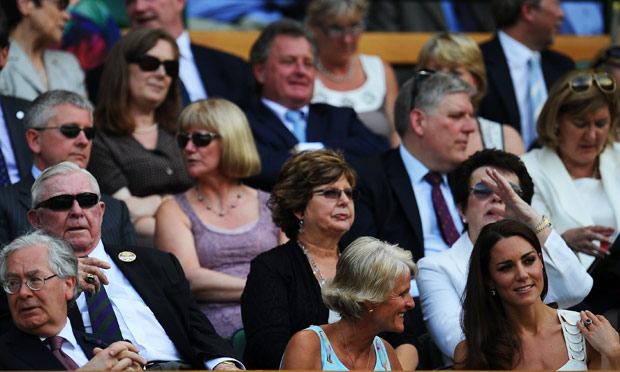
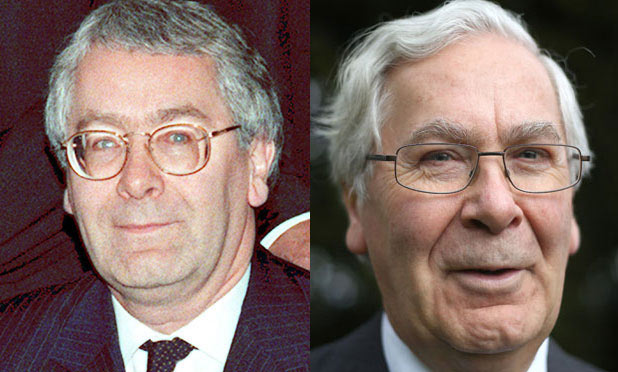
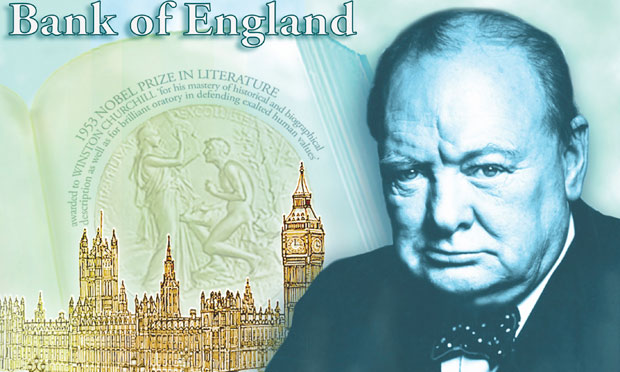
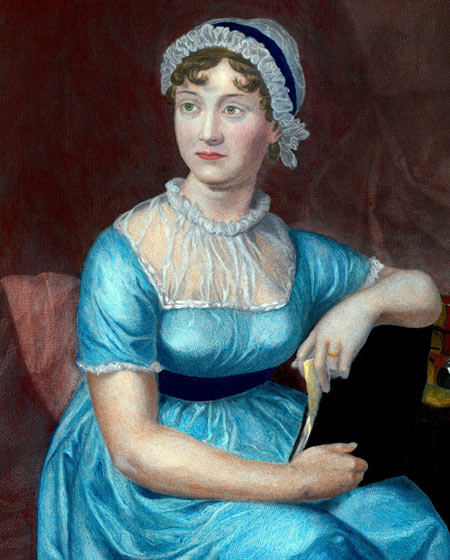
King has appeared in front of parliamentary committees a staggering 102 times and his impatience with the MPs’ questioning only seems to mount over the years. His responses are characterised by a barely concealed contempt for the parliamentarians and he has certainly never demonstrated the degree of contrition they have been pushing for. The financial crisis was, variously, the fault of the banks, regulators, politicians and an entire global financial system addicted to debt. But, although he acknowledges that the Bank of England must accept 'some' responsibility for the financial crisis, he said it was never in his power to put a stop to itPhotograph: PA Wire/PAAccording to a rather quaint rule, the governor of the Bank of England must write an open letter to the chancellor of the day if inflation moves more than 1% above or below its 2% target. Suffice to say, King has got plenty of practice in his letter-writing skills over the past few years, explaining away a more than two-year period when the annual inflation rate was higher than 3% Photograph: GuardianBank of England governor not to be confused with … England’s professional darts player Mervyn King, who won the World Masters in 2004Photograph: Max Nash/APOne of King’s most memorable sporting analogies – of which he is very fond – was his reference to Diego Maradona’s two goals against England in the semi-final of 1986 World Cup. King said the first goal, where Maradona blatantly batted the ball into the net with his hand, was a clear example of breaking the rules to achieve an objective. A central bank could similarly exploit low inflation expectations to boost growth temporarily, but could not get away with it repeatedly, he said. The second goal saw Maradona dribble half the length of the pitch before scoring, proceeding largely in a straight line while defenders anticipated a move to either side. King said a central bank could also achieve its objectives with relatively little policy movement, because its potential moves are anticipated by the markets Photograph: Bongarts/Getty ImagesOnce described by the Guardian’s Simon Hoggart as 'Eeyore on a bad haircut day', King is not known for his sunny outlook. His annual inflation report has traditionally been a chance for him to share his greatest fears for the economy with the rest of us, predicting doom and gloom for years to come. So it was something of a surprise when he said last month that the outlook for the UK economy had improved and inflation was likely to fall faster than expected, his mood perhaps lightened by the prospect of those dancing lessonsPhotograph: GuardianKing admitted on Desert Island Discs that he had sacrificed a home life and a family to focus on his career. But he always remembered Barbara Melander, who he fell in love with at Cambridge University in the 1970s, before they lost touch when she returned home to Finland. Three decades later his phone rang 'completely out of the blue' and on the end of his line was his former girlfriend, by then a divorced mother of two. “The moral of this story is never change your telephone number,” he jokedPhotograph: Luke Macgregor/ReutersKing is a fixture at the Wimbledon tennis tournament for which he has often been lambasted by the press. Notably in 2011, the governor joined chancellor George Osborne in the in the royal box – where spectators are required to turn off their Blackberries – while European leaders held crisis meetings to stave off the implosion of the euro. A spokesman for the governor said at the time: 'On the days he goes to Wimbledon he always works at the Bank in the mornings and works again at home in the evenings. During the Wimbledon fortnight he has maintained his normal heavy workload.' This year, however, he is free to join the ranks of retirees flocking to the tournament as he steps down just as the crucial second week beginsPhotograph: Clive Mason/Getty ImagesIt has been 10 long years but King has not noticeably aged. The hair is now uniformly silver and better coiffed, the glasses a little more stylish. Overall, it seems that two recessions and a global economic meltdown have been relatively kind to the 65-year-oldPhotograph: John Stillwell/Philip Toscano/PAOne of King’s last tasks was to pick the picture to go on the new five-pound note. In 2016, off goes social reformer Elizabeth Fry and in comes Sir Winston Churchill. Perhaps inevitably, King was criticised for replacing the only female figure on a banknote with a man but he stood by his choice. 'Our banknotes acknowledge the life and work of great Britons,' he said. 'Sir Winston Churchill was a truly great British leader, orator and writer. Above that, he remains a hero of the entire free world. His energy, courage, eloquence, wit and public service are an inspiration to us all'Photograph: APKing chose his final select committee hearing to reveal that Jane Austen could be the face of the new £10 note. The author is 'quietly waiting in the wings', he told the Treasury select committee, although a final decision will be taken by his successor, Mark Carney. The governor ovoked a storm of protest when he announced that the only woman to appear on an English banknote other than the Queen – the prison reformer Elizabeth Fry – would be replaced by Winston Churchill in 2015. Campaigners have threatened to take the Bank to court for discrimination under the 2010 Equality Act. A group of 46 Labour MPs and peers, including former ministers Harriet Harman, Yvette Cooper and Labour leader of the Lords Baroness Royall, called on the Bank to review its decision to drop Fry. Photograph: Courtesy Everett Collection / Re/Courtesy Everett Collection / ReFor 10 long years King has been a regular at these parliamentary grillings as governor of the Bank of England. But, as Thurso might be musing, it's all over now. King marked the occasion by firing a parting shot at the banks, attacking the lenders for running to No 11 and even on occasion to No 10, to put 'tremendous pressure' on the most senior politicians to lean on the Prudential Regulation Authority to water down demands to raise capital strength. For his part King reflected on the important part the Treasury committee played in holding the Bank of England to account. The hearings were 'always important,' he said, 'sometimes enjoyable, sometimes less so'.Photograph: Guardian
Sign up to read this article
Read news from 100's of titles, curated specifically for you.