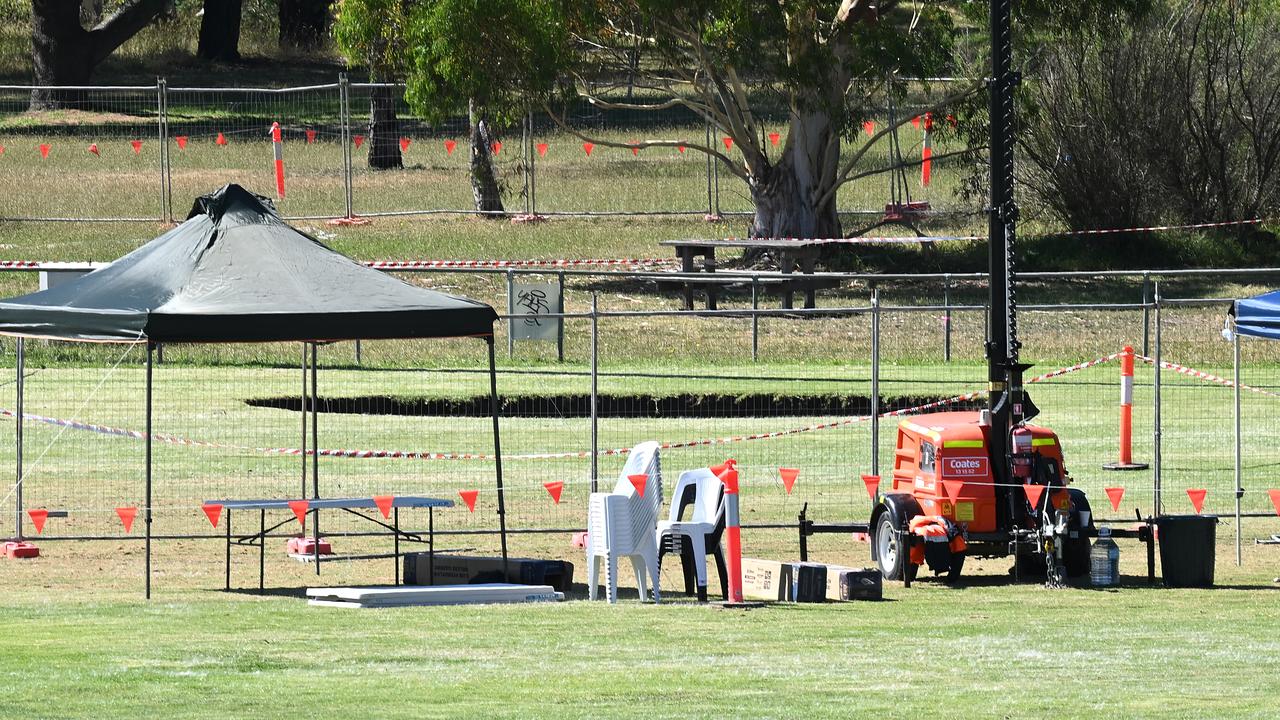
A massive sinkhole in the middle of a local park might have raised eyebrows, but geology experts say the cavities are far from uncommon.
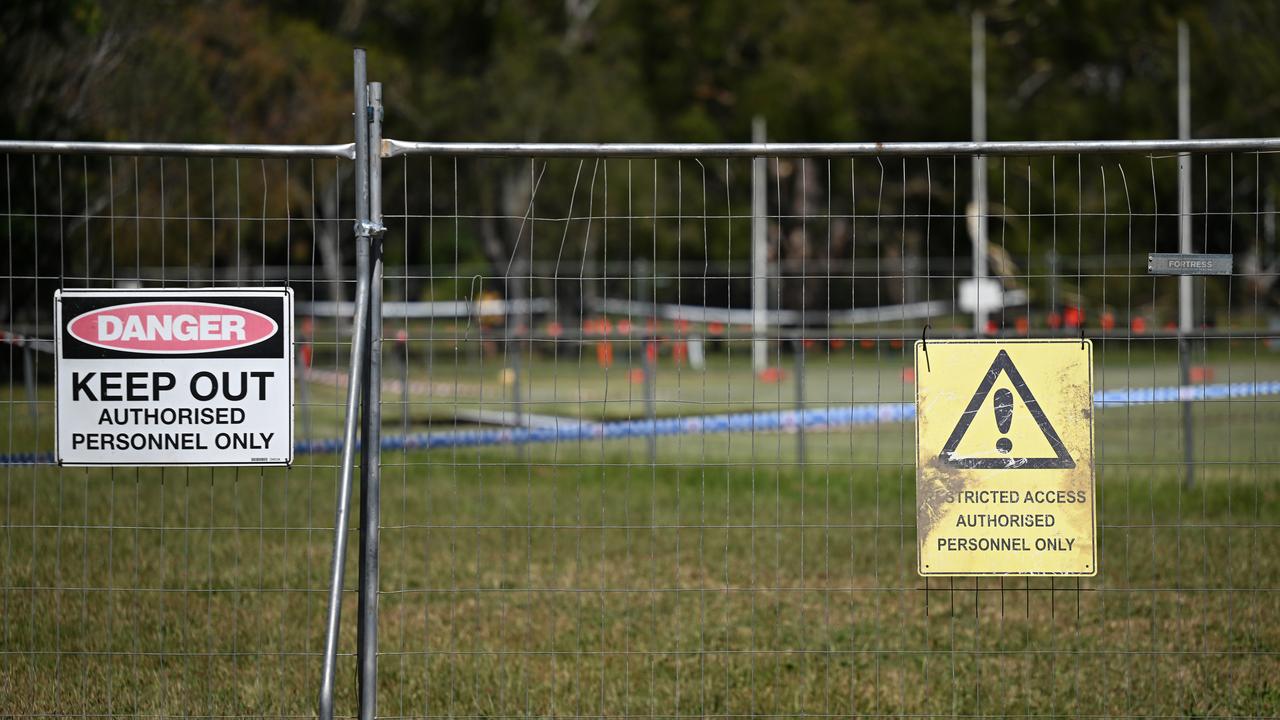
The sinkhole, which is several metres wide, was discovered at AJ Burkitt Oval in Heidelberg, in Melbourne's northeast, on Tuesday close to where tunnel-boring machines are digging the $26 billion North East Link project.
VIDA Roads, the Victorian government organisation behind the project, has acknowledged the machines likely contributed to the issue.
"We are actually confident that the tunnel boring machines have been a contributing factor, not necessarily caused the problem, but certainly a contributing factor," chief executive Duncan Elliott said.
Human activities including tunnelling could speed up the formation of holes and sinkholes, Melbourne University infrastructure engineering expert Guillermo Narsilio told AAP.
But sinkholes occurred everywhere and were relatively unreported internationally compared with Australia, Professor Narsilio said.
"Sinkholes happen everywhere, but we tend to notice those in urban settings just because we are here to see them," he said.
"As population grows and infrastructure ages, like leaking water pipes, together with changes in weather patterns and heavier rainfall, we are going to learn of more sinkhole appearances globally."
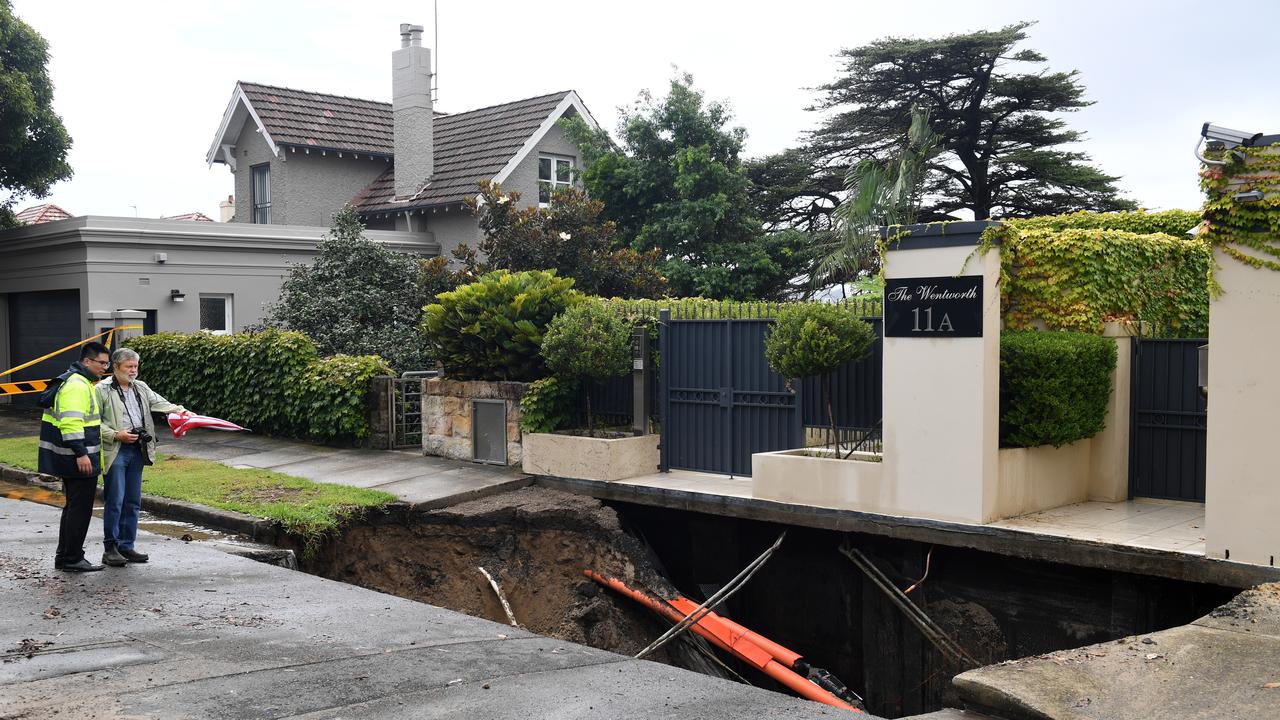
A similar sinkhole opened up near former prime minister Malcolm Turnbull's house in the well-heeled Sydney suburb of Point Piper in 2017.
No one was injured from the hole, which measured about 15m by 3m and about 2m deep, although four properties were evacuated.
University of Sydney geotechnical engineering expert Francois Guillard said sinkholes were underground holes that remained hidden until pressure became too much.
"When the cavity is large enough, the ceiling becomes too weak to be able to sustain the hole underground, and you have this sudden collapse of the ceiling of the cavity," Dr Guillard told AAP.
"That's usually when you see the sinkhole emerging at the surface, basically, and when you realise that there was a hole in the ground."
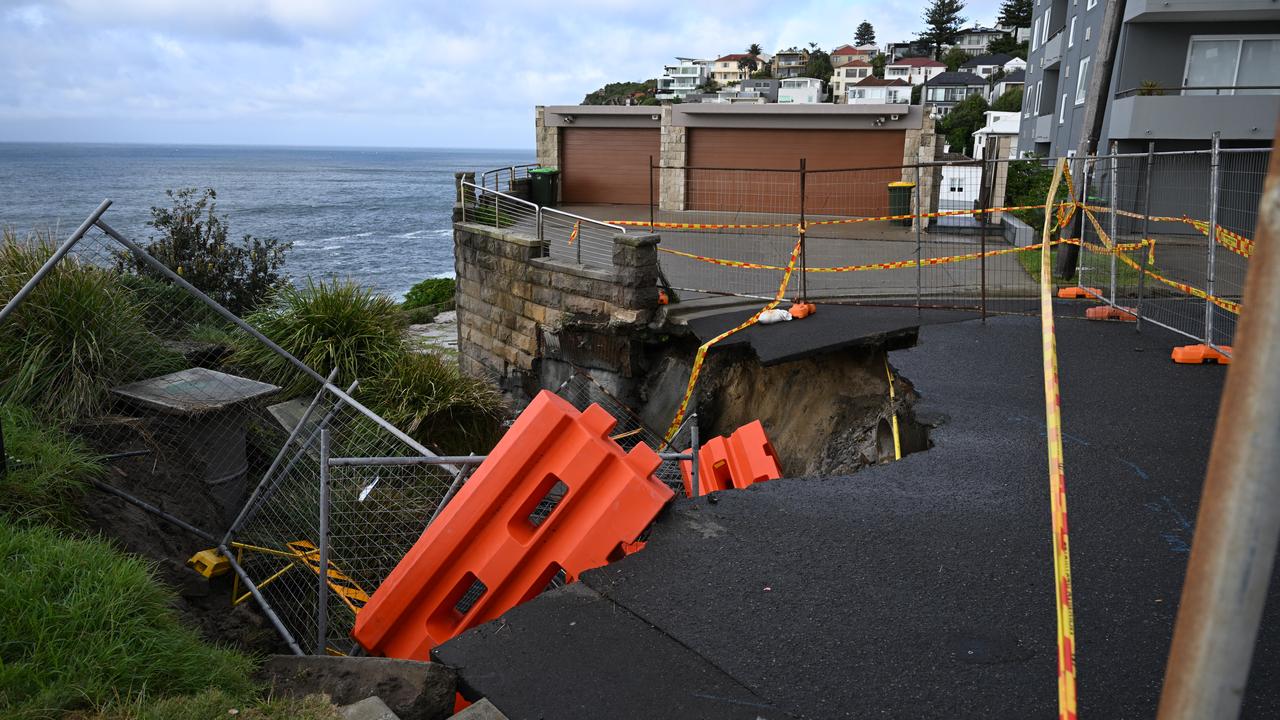
Sinkholes are most commonly formed due to the dissolution of soluble rocks like limestone or dolomite, where water slowly dissolves them over a long period of time.
Much of Australia lacked widespread soluble rock near the surface, Prof Narsilio said.
More sinkholes could be seen in wet and tropical environments where more water was dissolved and in turn sped up rock dissolution and internal erosion, he said.
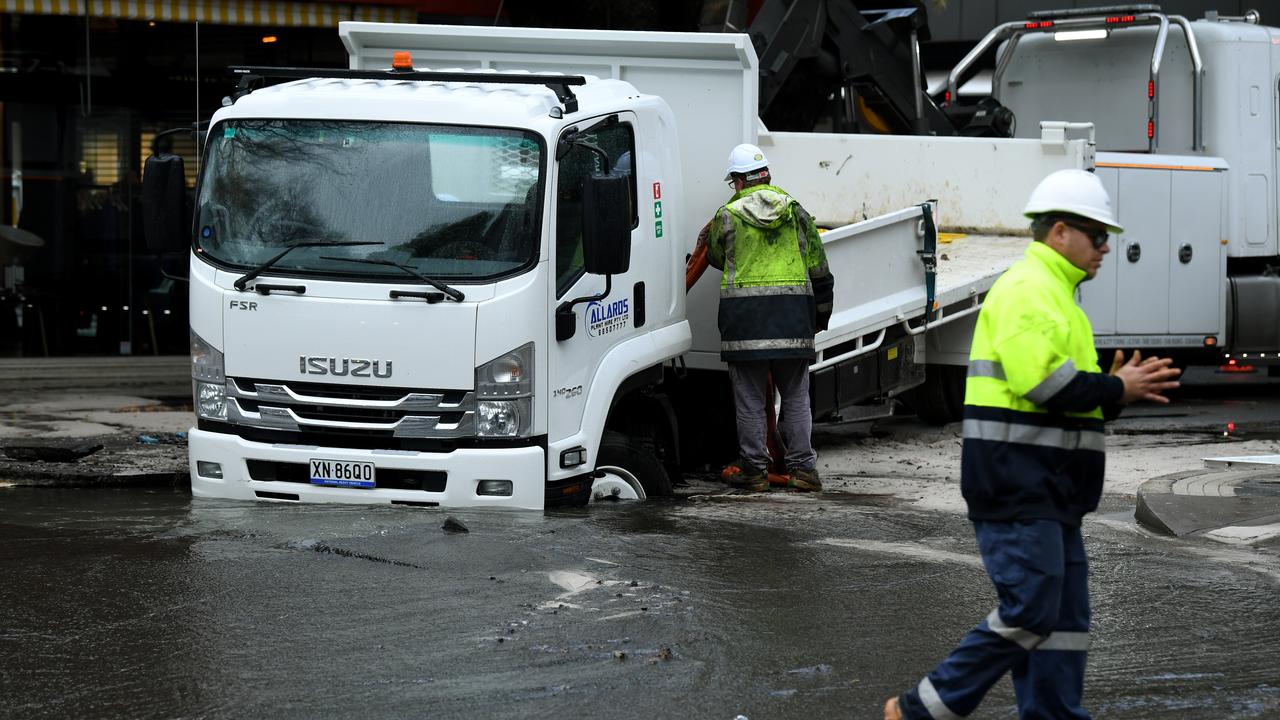
No one was injured when the sinkhole in Melbourne opened up.
It's near the North East Link road tunnel, whose works began in 2024, and is being built under Banyule Reserve.
Once completed, the 6.5km tunnels will run 45 metres underground.