A GP who was diagnosed with breast cancer has urged others to “listen to your body” after returning to hospital when she felt “something was wrong”.
Throughout her career, Clare Whitney, 45, from Dumfriesshire, Scotland, has seen numerous patients who had or suspected a breast cancer diagnosis.
But in the summer of 2022, the single mother of two young children, aged seven and 10, felt a “very small lump” in her left breast.
She was initially told there was “nothing of concern”, but after feeling as though “something was wrong”, 18 months later, Clare returned to hospital. An MRI scan revealed cancerous lumps in both of her breasts, and she was diagnosed with breast cancer in January 2024.
Clare underwent a double mastectomy and a breast reconstruction surgery on the same day in February 2024, followed by a five-day course of radiotherapy.
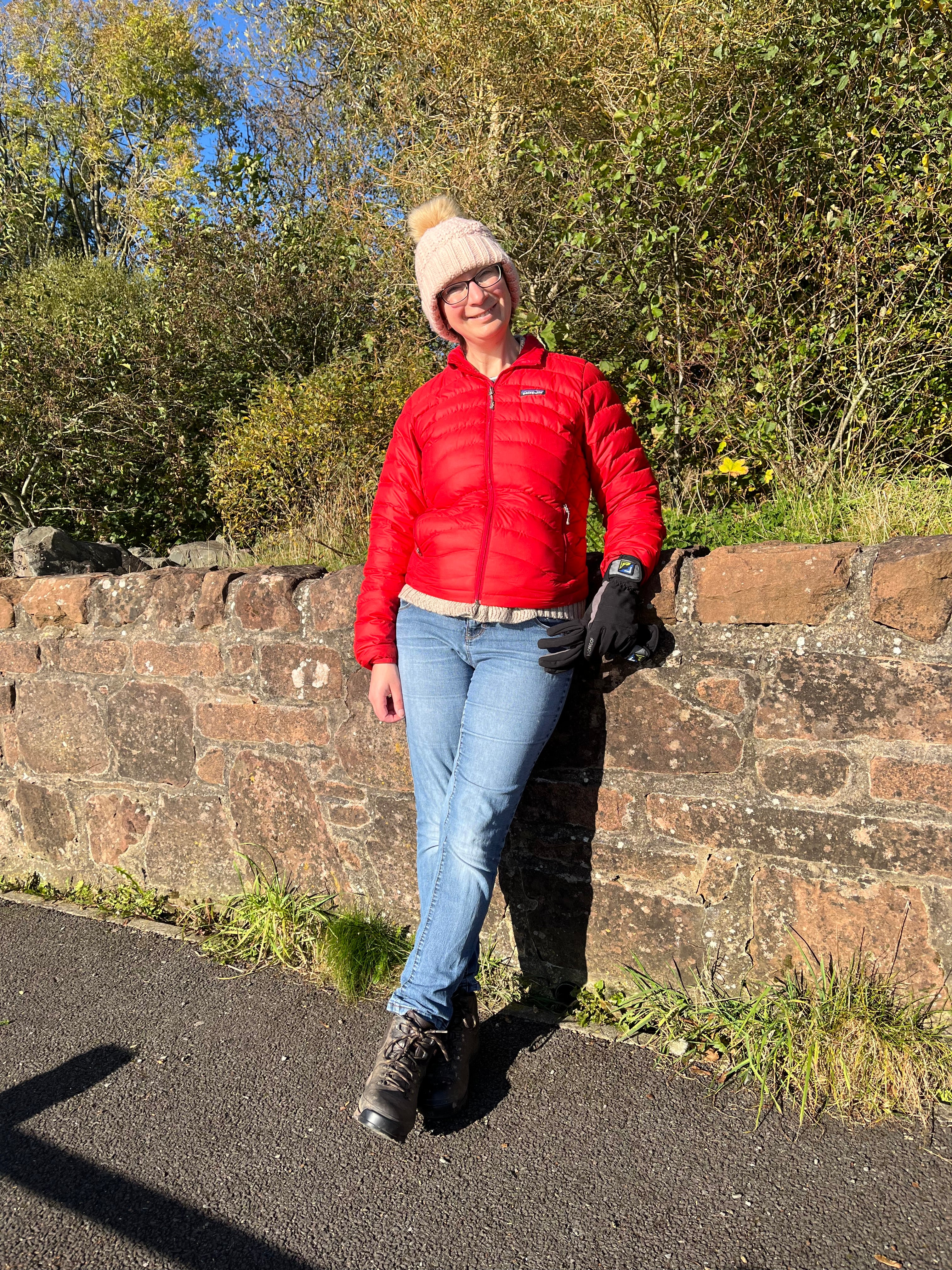
After undergoing her own diagnosis and treatment, Clare feels her experience has allowed her to be more in tune with her patients’ emotions – and her very first patient on her return to work was a lady with a breast lump.
“It’s always really difficult as a health professional to be objective for yourself,” Clare said.
“But I knew I could feel a difference, I knew I didn’t want to ignore it and I just followed my gut.
“There’s a reason why we feel the way we do, and I would just encourage people to listen to that, to listen to your own body.
“Even if you’ve been told a lump, for example, is fine, but it has changed, get it checked and checked again.”
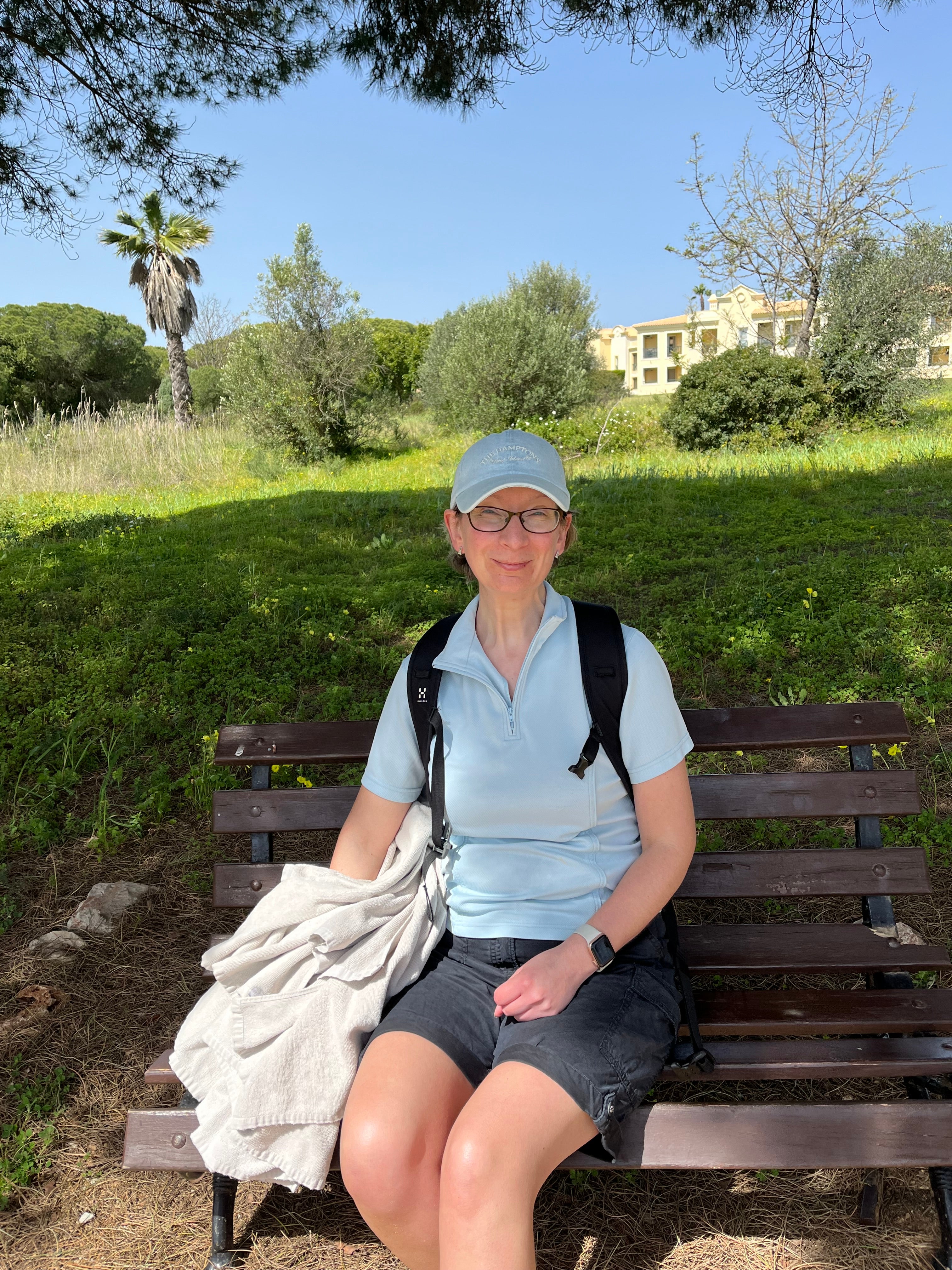
Clare said she knew she wanted to work in medicine from the age of 13.
After completing her A-Levels, she went to a clinical medical school for three years in Manchester, where “strangely”, in light of her later diagnosis, she worked on a breast unit.
“It was the first place I had contact with patients, and it sparked so much inspiration in me,” she said.
“My part-time job there was assisting in theatres, doing things like breast reconstruction surgeries.
“I was really keen to be a surgeon, but I chose being a GP because it gives you the opportunity to roll everything together, from paediatrics to palliative care.”
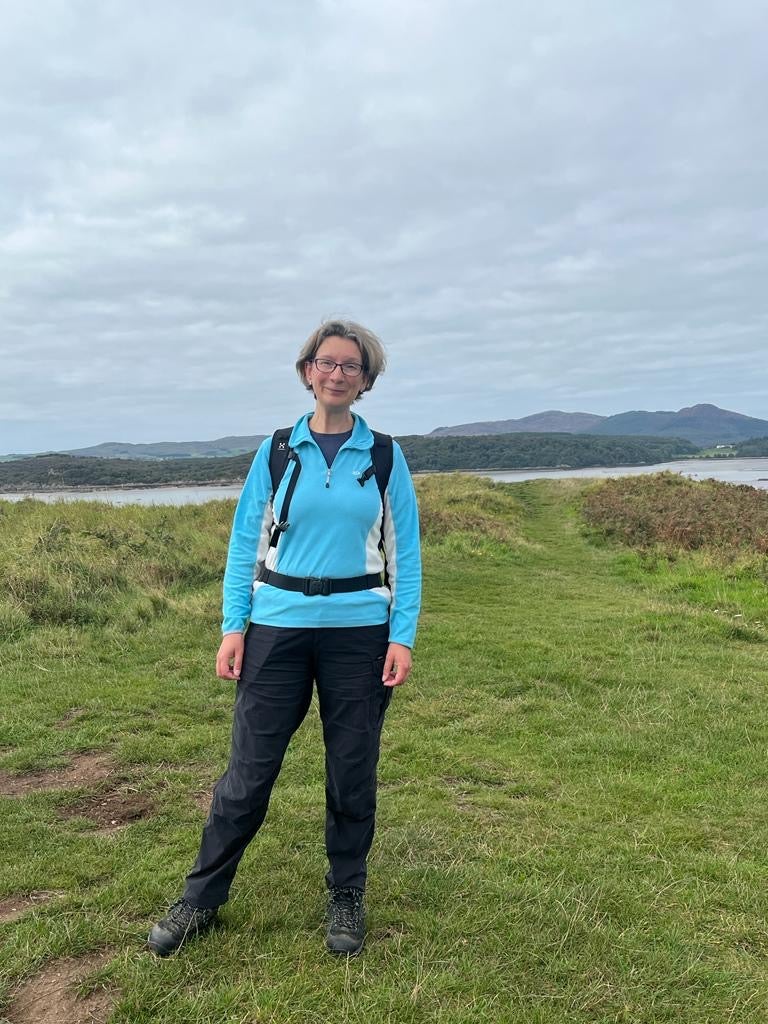
Clare said she qualified as a GP in 2010 and since then, she has seen numerous patients who had or suspected a breast cancer diagnosis.
“Your GP is the first person you go to, you should go to, if you find any lumps or changes,” she said.
Prior to her diagnosis, Clare said she was working “long days” at her GP practice in Dumfriesshire.
She held the role of a GP partner – a self-employed GP who, alongside other GPs, nurses and healthcare staff, is responsible for running their own practice.
“I think that was having a huge impact on my work-life balance,” Clare said.
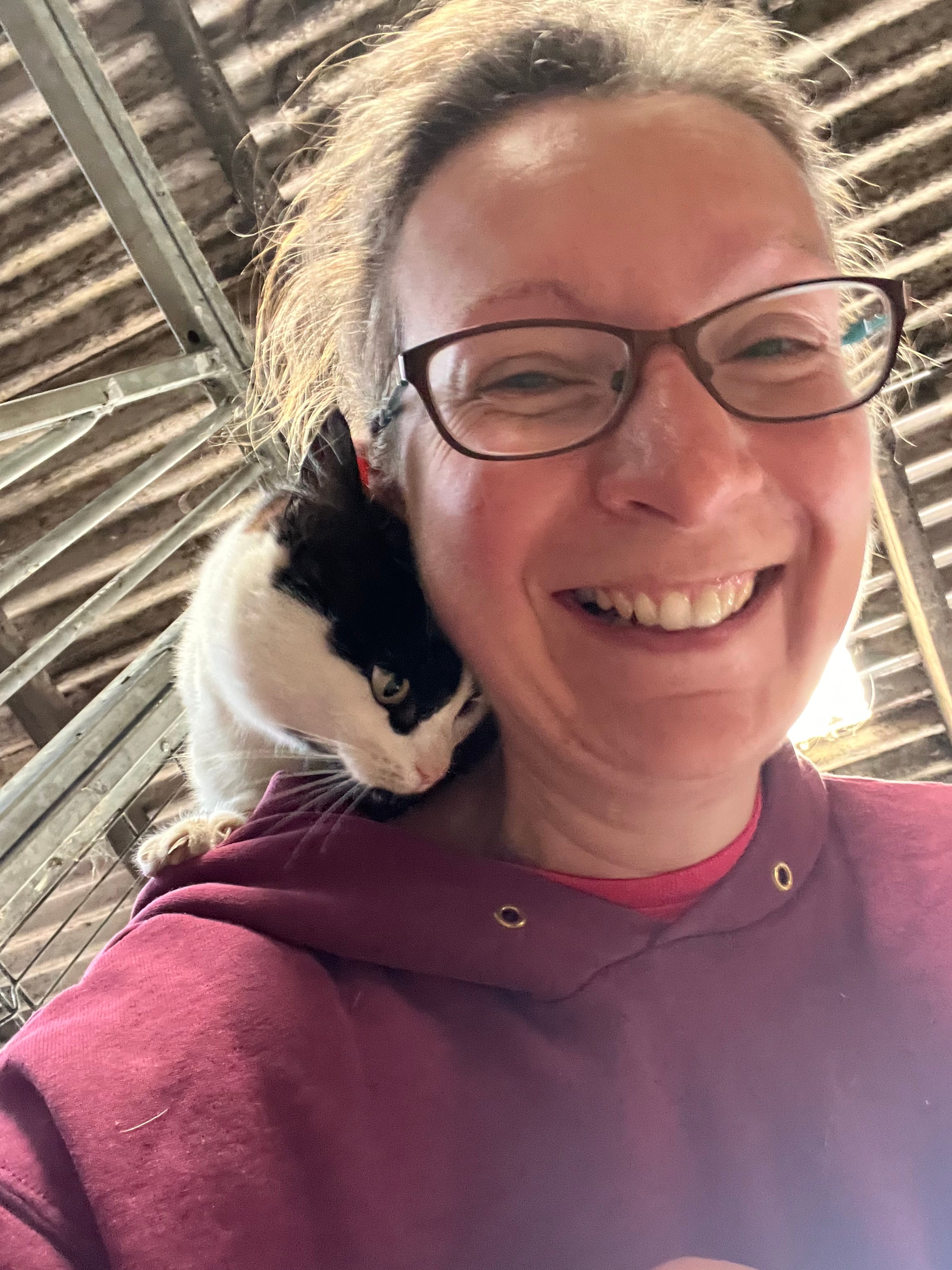
“I knew I wanted to make some changes and right in the midst of that, I got my cancer diagnosis.”
In the summer of 2022, Clare said she felt a “very small lump” in her left breast, and she initially thought to leave and monitor it, saying, “breasts do get lumpy”.
Two months later, Clare said she went to see her GP, who “immediately” referred her to hospital, but she said “nothing of concern” was detected at the time.
Clare said it was 18 months later that she went back to hospital after feeling as though “something was wrong”.
“I was feeling so tired, something wasn’t right,” she said.
Her doctors found the lump appeared to be “more suspicious” and after having biopsies in January 2024, Clare said “pre-malignant changes” were detected.
An MRI scan then revealed further lumps – two in her left breast and one in her right – and she was diagnosed with breast cancer on January 23, 2024.
“My children were my immediate priority, I’ve always been a very practical person and I’m a single parent, so I just threw myself into organising everything,” she said.
“The overthinking and the worry came about six months after treatment – at the time you’re going through it, you just carry on.”
Clare said she was advised her treatment would be a double mastectomy followed by a course of radiotherapy, saying “there wasn’t really any other option”.
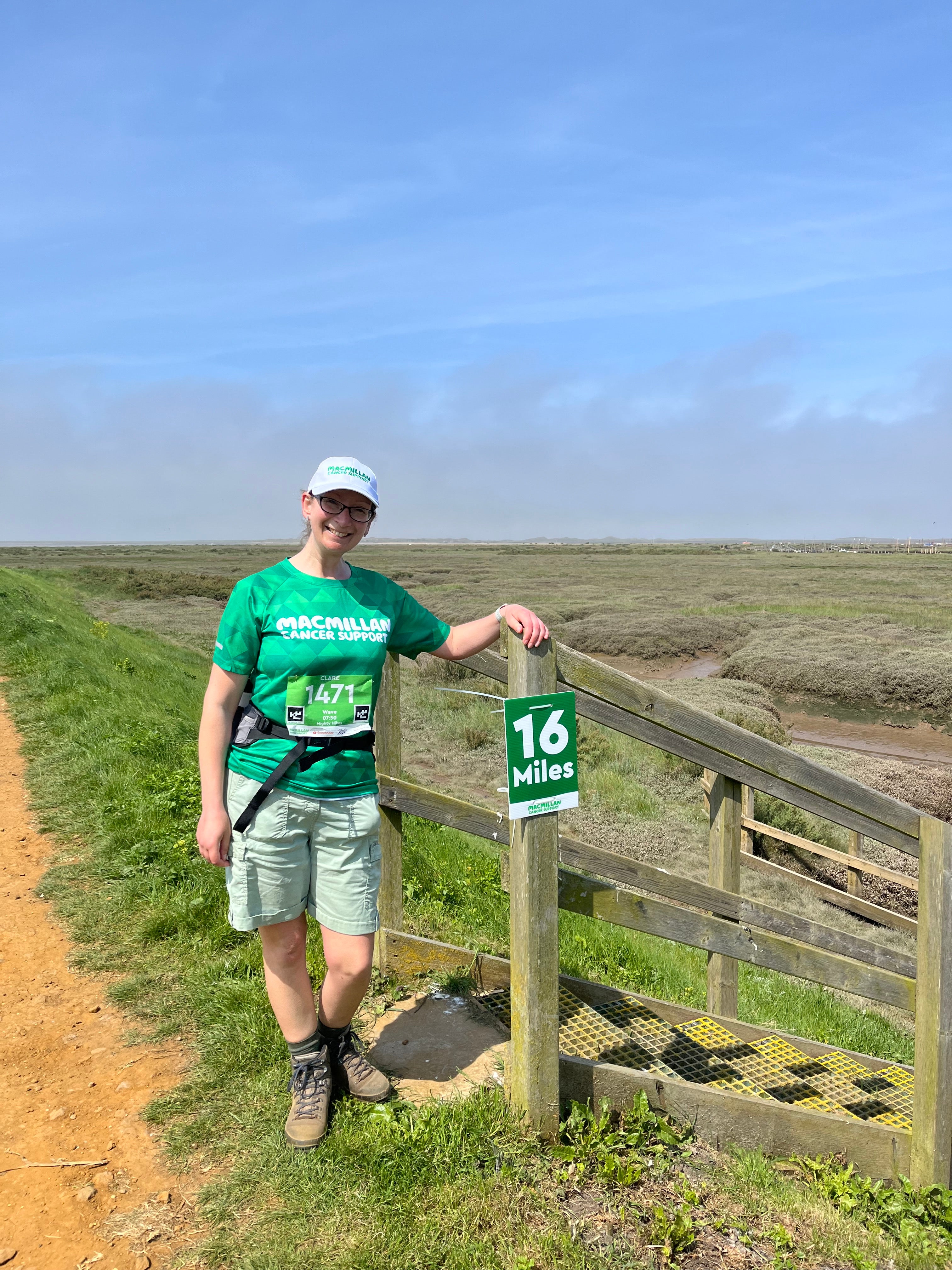
She received the surgery in Edinburgh, as well as reconstructions on both breasts using implants on the same day – February 28 2024.
Clare said her knowledge in healthcare was “incredibly helpful in a lot of ways”, as she knew “what would be happening” and what her “predicted recovery times would be”.
She said “nothing could prepare (her)” for radiotherapy, however, of which she received a five-day course in April 2024.
“They warned me I would feel tired, but about three weeks after, it was like someone just pulled the plug on me. The exhaustion was phenomenal,” she said.
Clare said it took her a few months to recover, and she will now have annual appointments with a breast surgical team.
Main symptoms of breast cancer in women
NHS
Symptoms of breast cancer in women may include:
- a lump, or swelling in your breast, chest or armpit
- a change in the skin of your breast, such as dimpling (may look like orange peel) or redness (may be harder to see on black or brown skin)
- a change in size or shape of 1 or both breasts
- nipple discharge (if you are not pregnant or breastfeeding), which may have blood in it
- a change in the shape or look of your nipple, such as it turning inwards (inverted nipple) or a rash on it (may look like eczema)
- pain in your breast or armpit which does not go away – breast pain that comes and goes is usually not a symptom of breast cancer
Her diagnosis prompted “enormous changes” to her lifestyle, she said, and Clare now works as a salaried GP at a different practice, where she has fixed hours and works four days a week.
“Now, I’ve not got the responsibility of running a practice and all that entails, and now I’m always there to pick up my children from school,” she said.
Her experience with breast cancer has given her “a greater understanding” around her patients’ emotions, such as stress and uncertainty.
She said her first patient on her return to work was a lady with a breast lump.
“I have diagnosed cases of breast cancer since my own diagnosis, and I have been supporting other ladies who have been going through treatment,” she said.
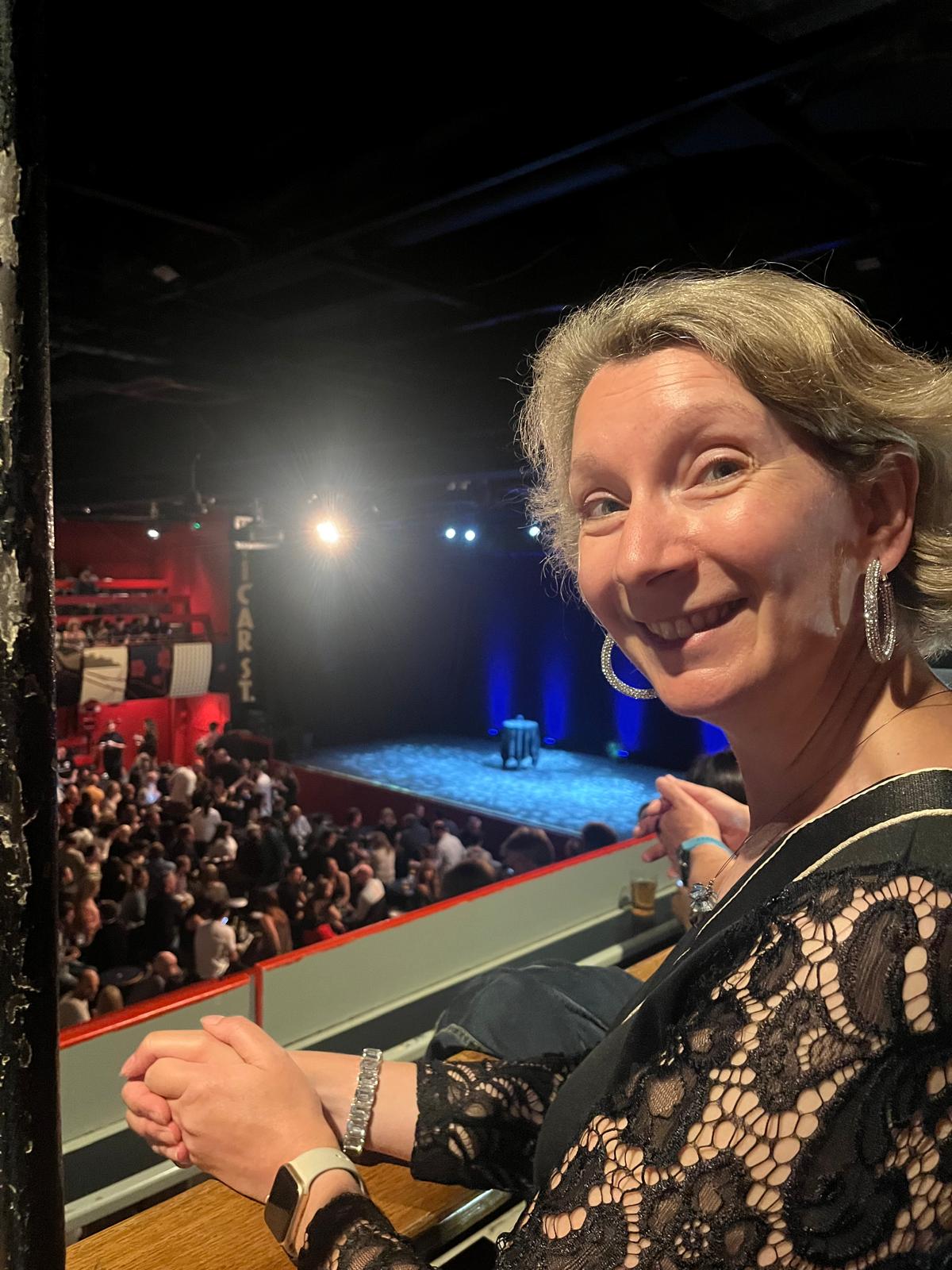
“I was wondering beforehand how I would handle it but professionalism kicks in and you go through your routine.”
In August last year, Clare attended a Breast Cancer Now conference in Glasgow, where she heard from a dietitian on how lifestyle changes can support breast cancer recovery.
There, she was introduced to the Eat Well, Live Well Programme – a joint venture by Perci Health, the UK’s leading virtual cancer clinic, and Field Doctor, which provides dietitian-designed ready meals.
Clare has since made several changes to her diet and lifestyle with the programme.
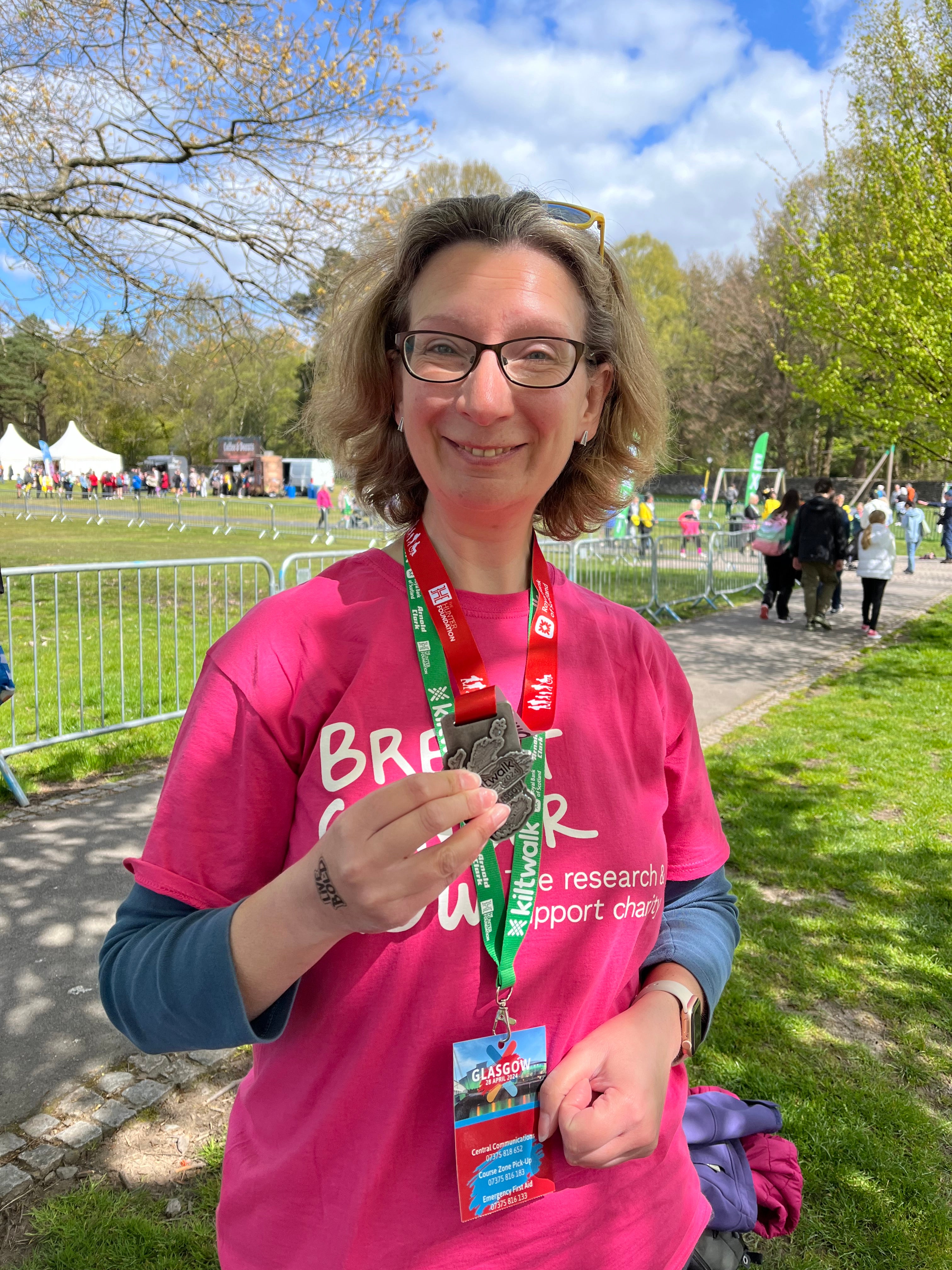
“I’ve always enjoyed my food, I enjoy cooking and I think I really missed being able to do that with a combination of working and looking after my children,” Clare said.
“For me, my meals used to be a case of grabbing something out the freezer, lunch was a supermarket sandwich and breakfast was something out of a packet.
“The knowledge the programme gave me has had a big shift on my diet, and I now have a really healthy variety.”
For more information about the Eat Well, Live Well Programme, visit: fielddoctor.co.uk/range/breast-cancer.
5 signs of frailty later in life and how it’s diagnosed
Top mispronounced words of 2025 from The Louvre to popular medication
5 subtle and showy options for your festive manicure
These foods could be the secret to a good sleep
How to manage children’s expectations if you’re short of money this Christmas
The physical exercises that boost memory and don’t require much effort