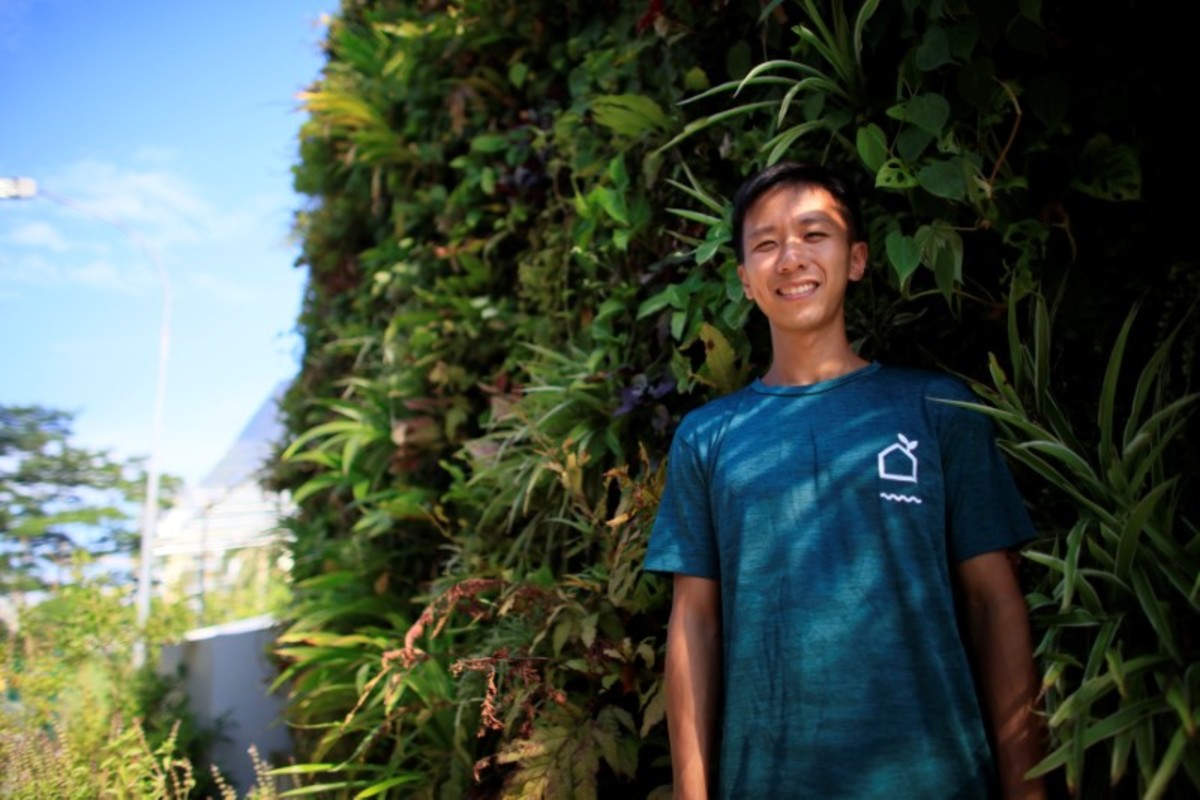
Head of farmers at Citizen Farm Darren Ho poses in front of an urban farm in Singapore June 20, 2017. REUTERS/Thomas White
SINGAPORE (Reuters) - Resource-scarce Singapore is turning vacant pockets of land into space for urban farming as the island city strives to ease its reliance on imported food.
The wealthy Southeast Asian city-state imports more than 90 percent of its food, much of it from neighboring countries, which can leave it exposed to potential supply chain disruptions.
Edible Garden City, a company with a grow-your-own-food message, has designed and built more than 50 food gardens in the tropical city for clients ranging from restaurants and hotels to schools and residences.
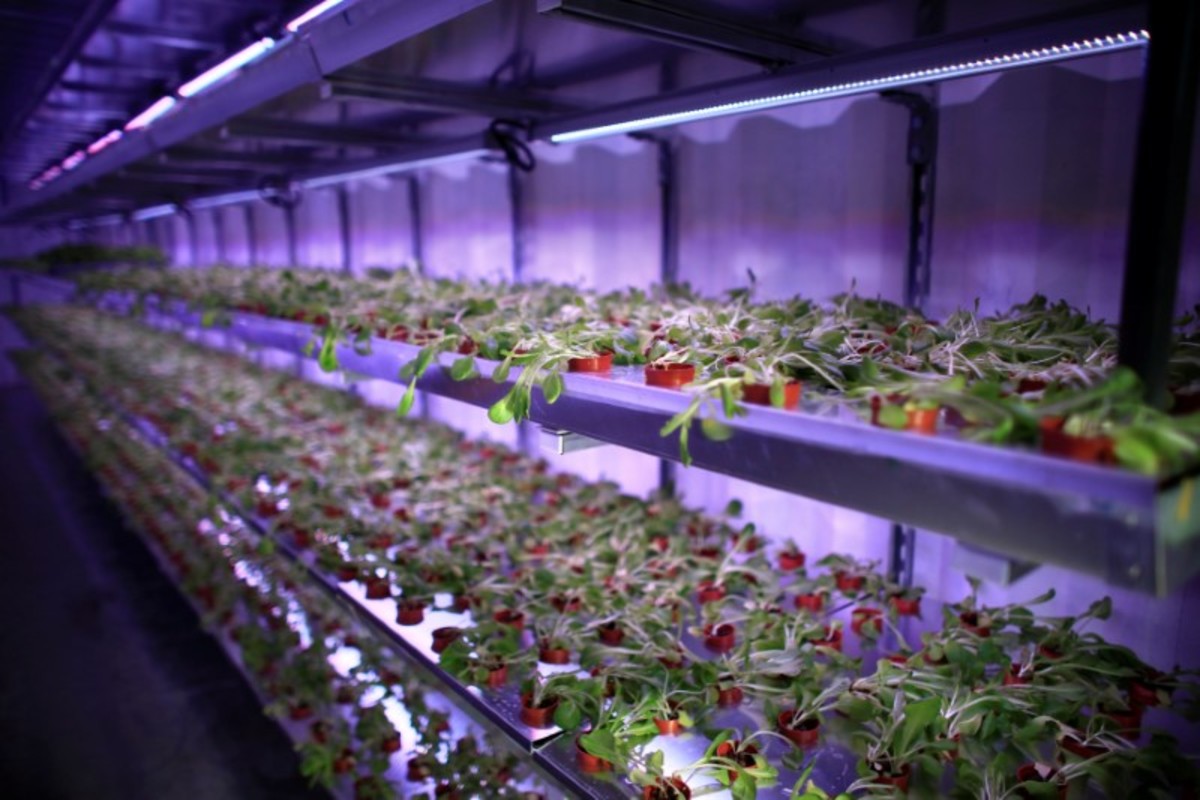
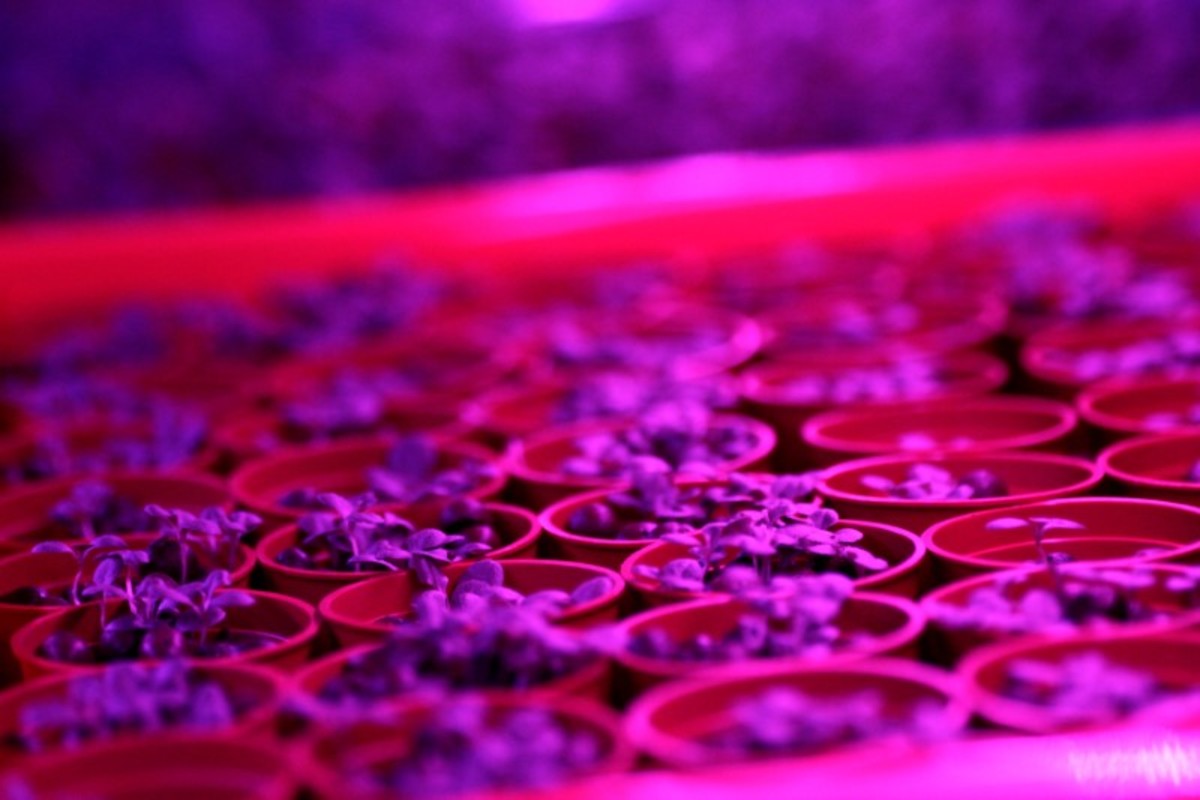
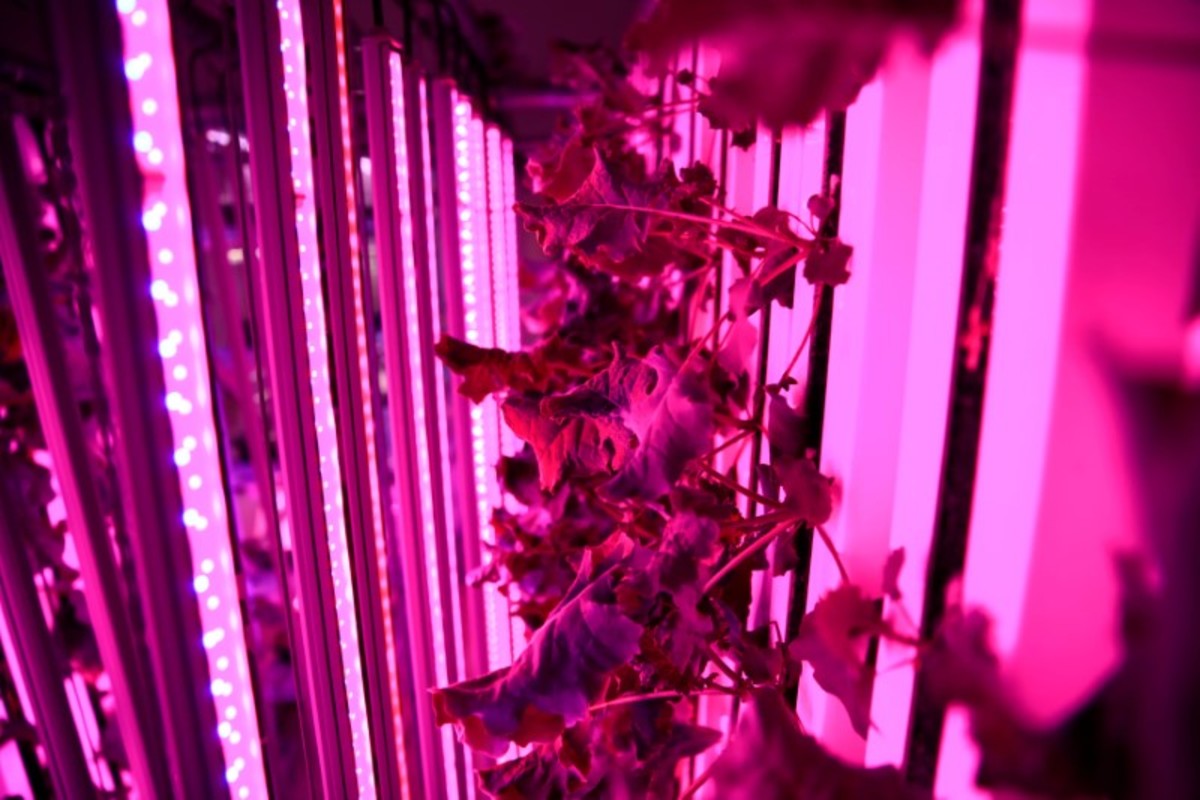
An indoor hydroponic growing system is seen at an urban farm in Singapore June 20, 2017. REUTERS/Thomas White
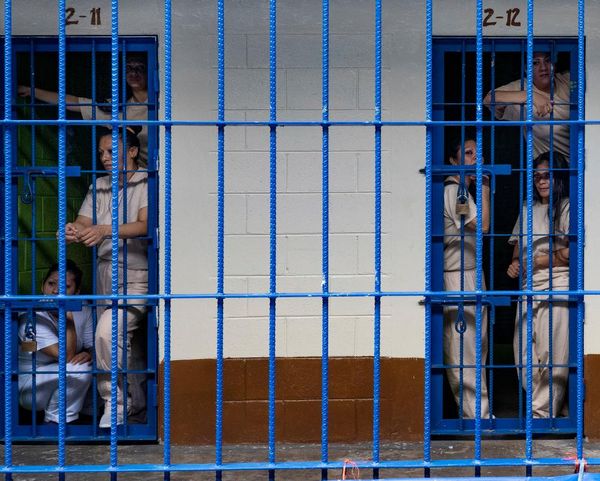
One of its projects is Citizen Farm, an 8,000 square meter plot that used to be a prison, converted into an urban farm "where the local community can learn and grow together", according to the project website.
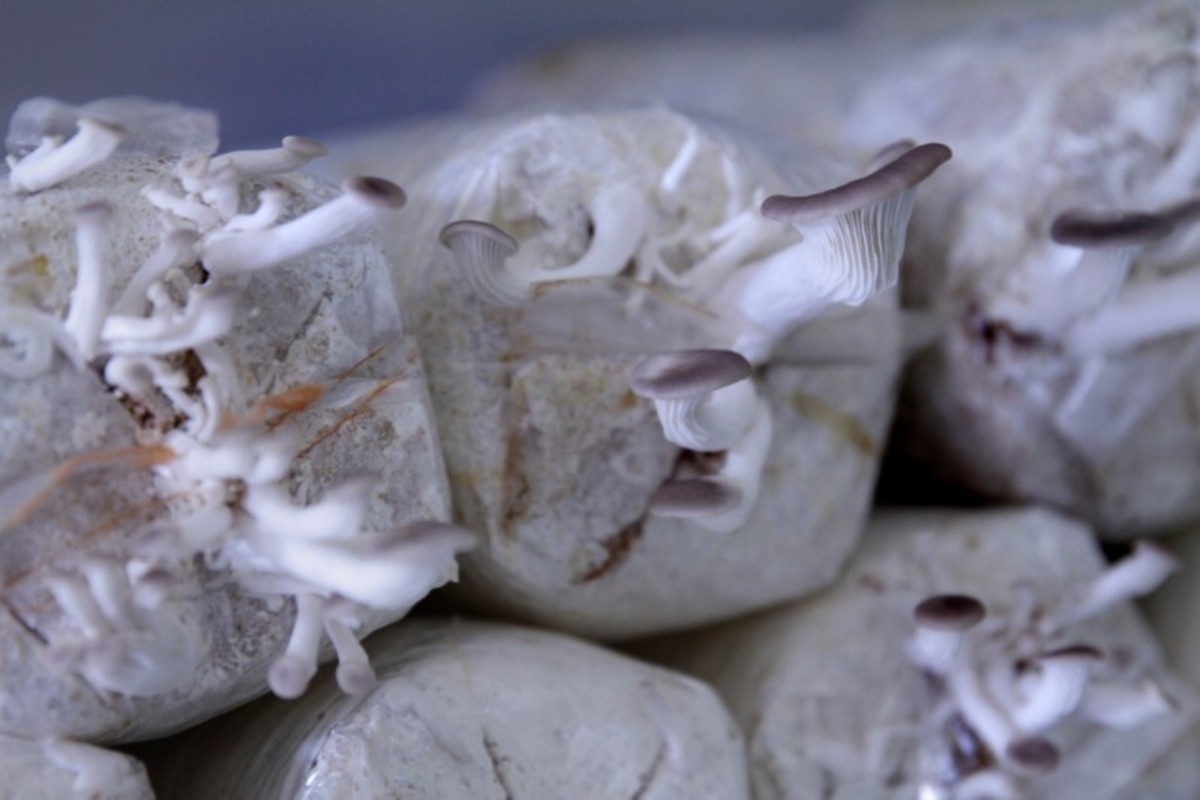
Citizen Farm produces up to 100 kg of vegetables, 20 kg of herbs and 10-15 kg of mushrooms - enough to feed up to 500 people - a day.
It's tiny compared with demand for food in the country of 5.5 million people, but it's a start, said Darren Ho, head of the Citizen Farm initiative.
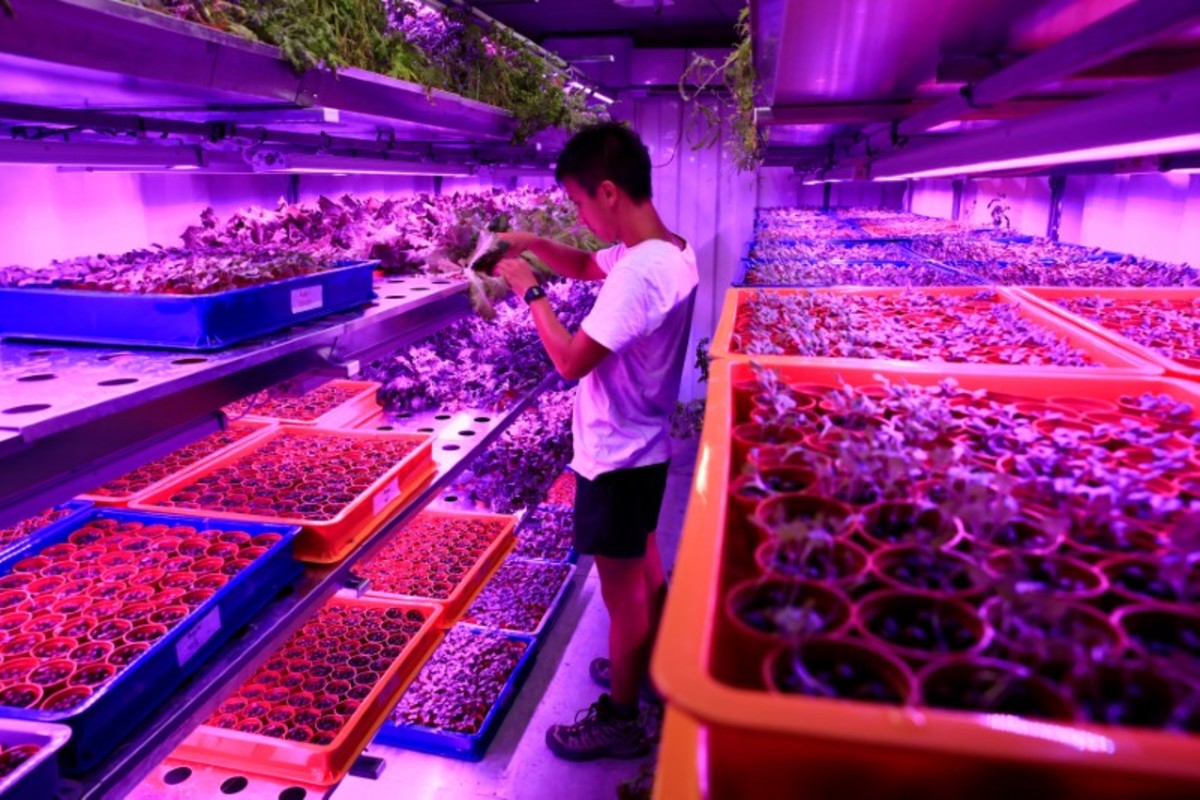
An indoor hydroponic growing system in a rack designed for leafy vegetables & herbs such as kale, lettuces and rocket is seen at an urban farm in Singapore May 30, 2017. REUTERS/Thomas White
"No system will replace imports, we are here to make us more food resilient," said Ho, adding that it was "up to the community" to decide how self-sufficient it wants to be.
Government agencies are considering the company's urban farming concept for other parts of the city, including spaces around high-rise public housing.
Citizen Farm head of farmers Darren Ho inspects an indoor hydroponic growing system at an urban farm in Singapore May 30, 2017. REUTERS/Thomas White
(Reporting by Fathin Ungku)
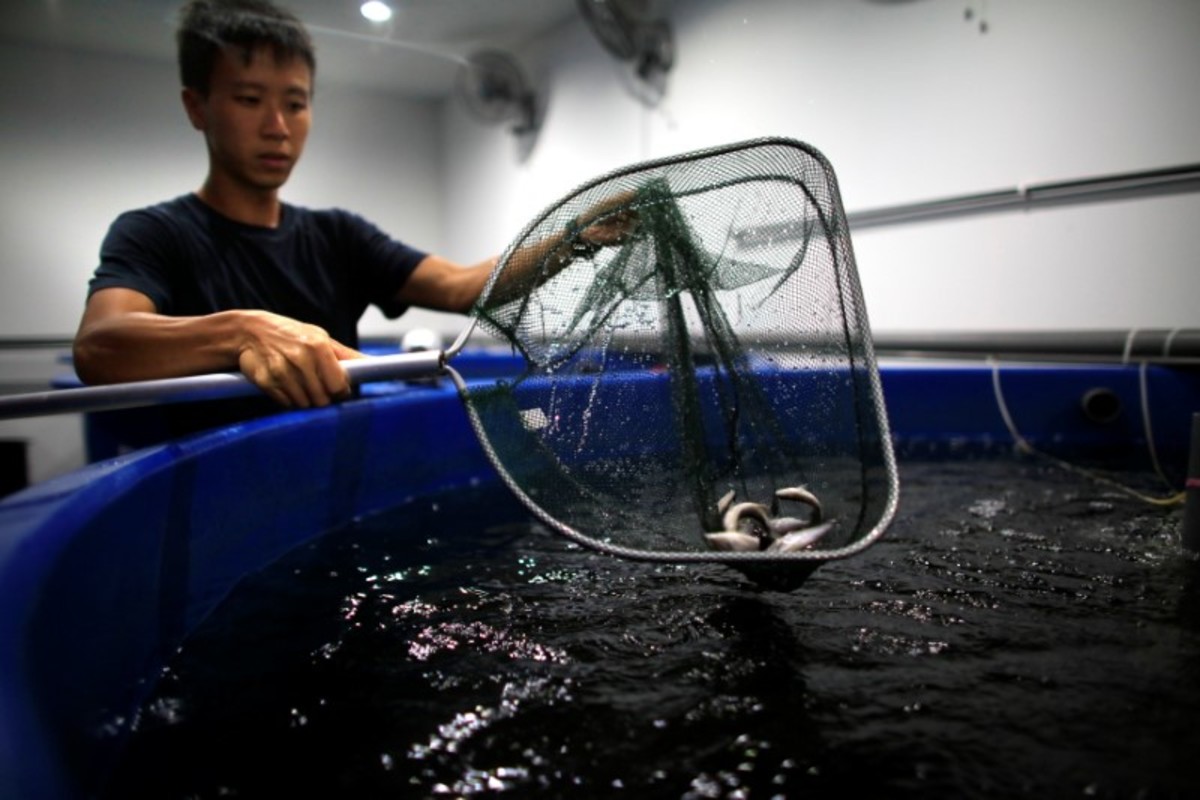
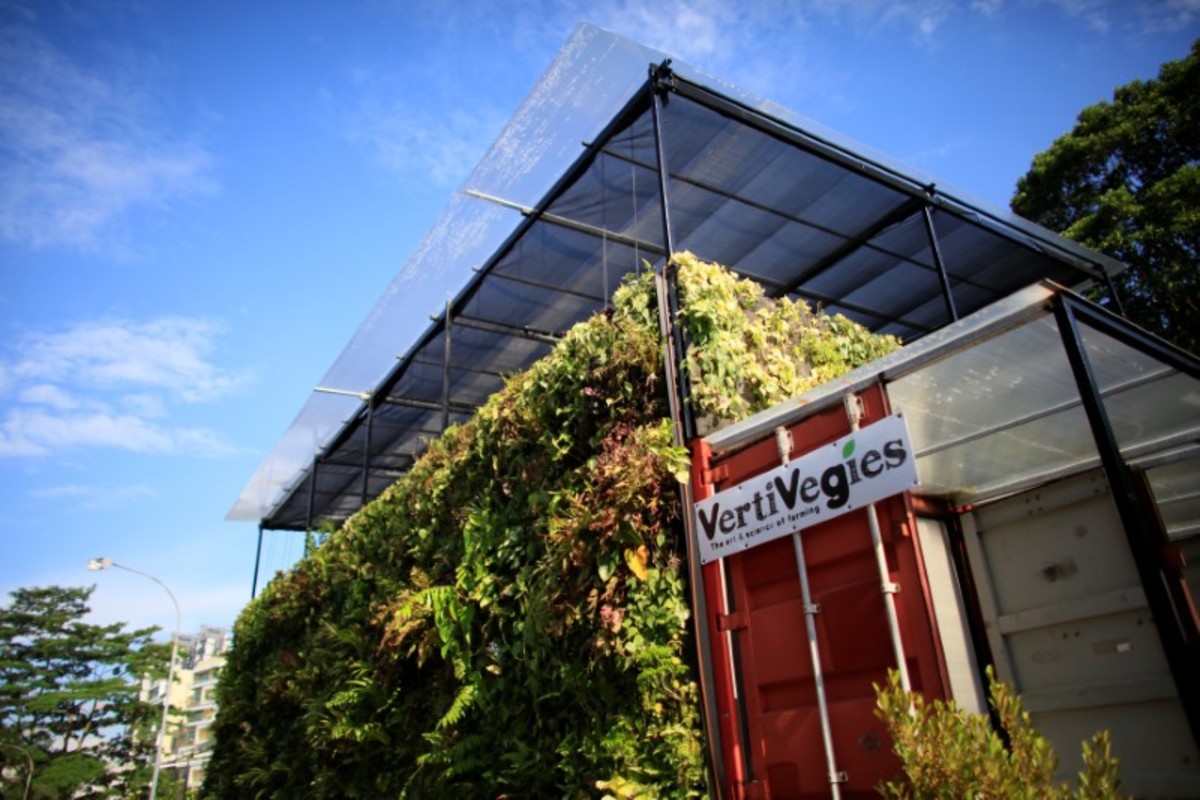
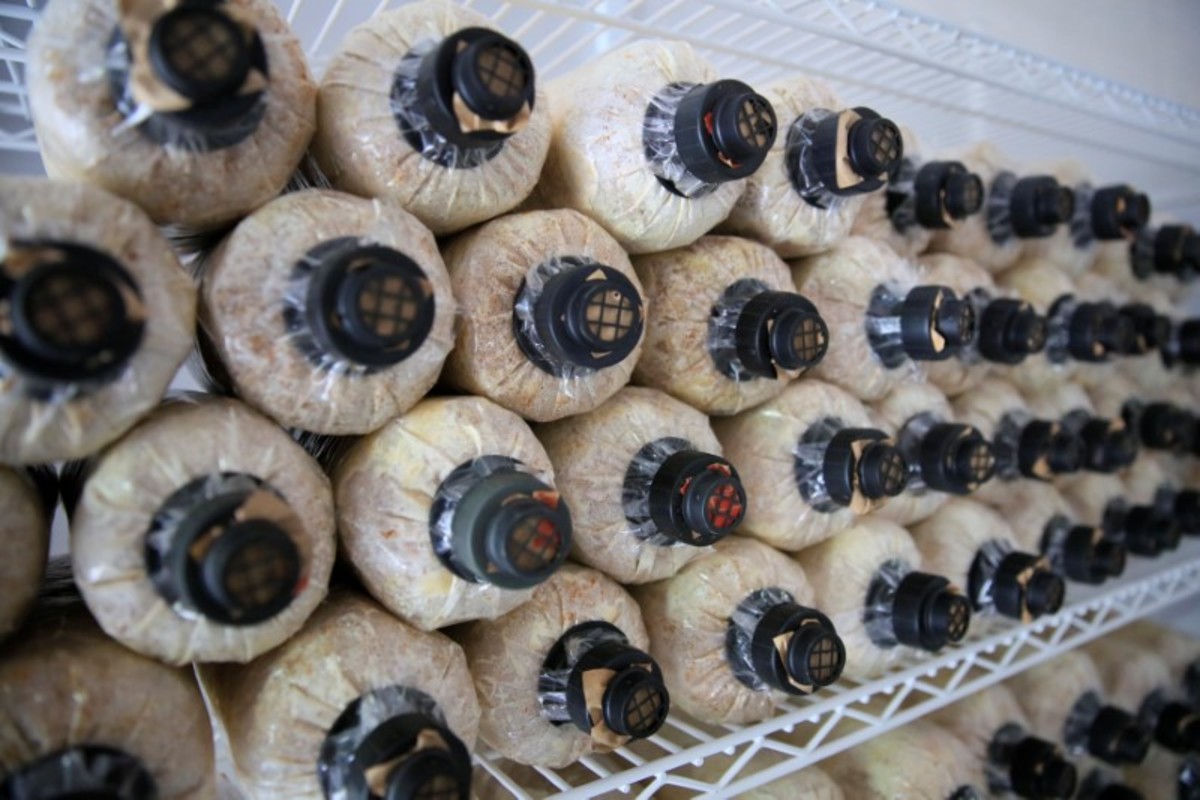
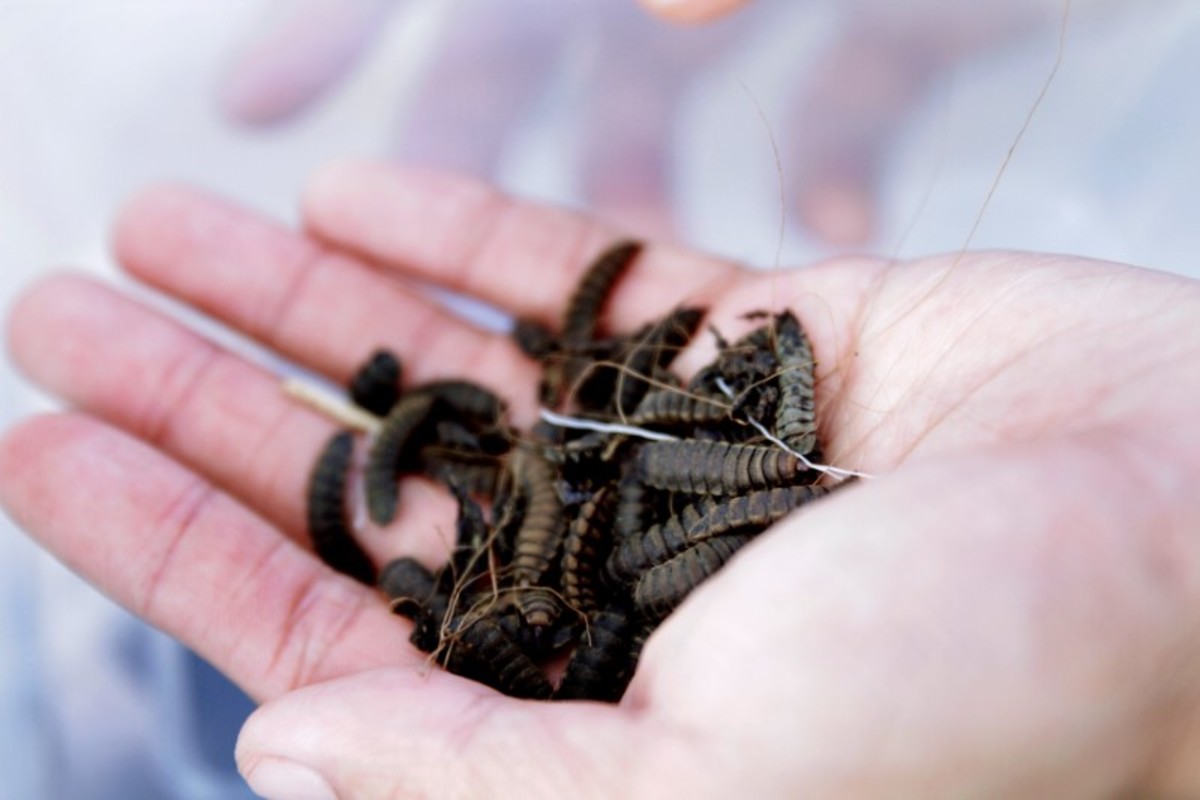
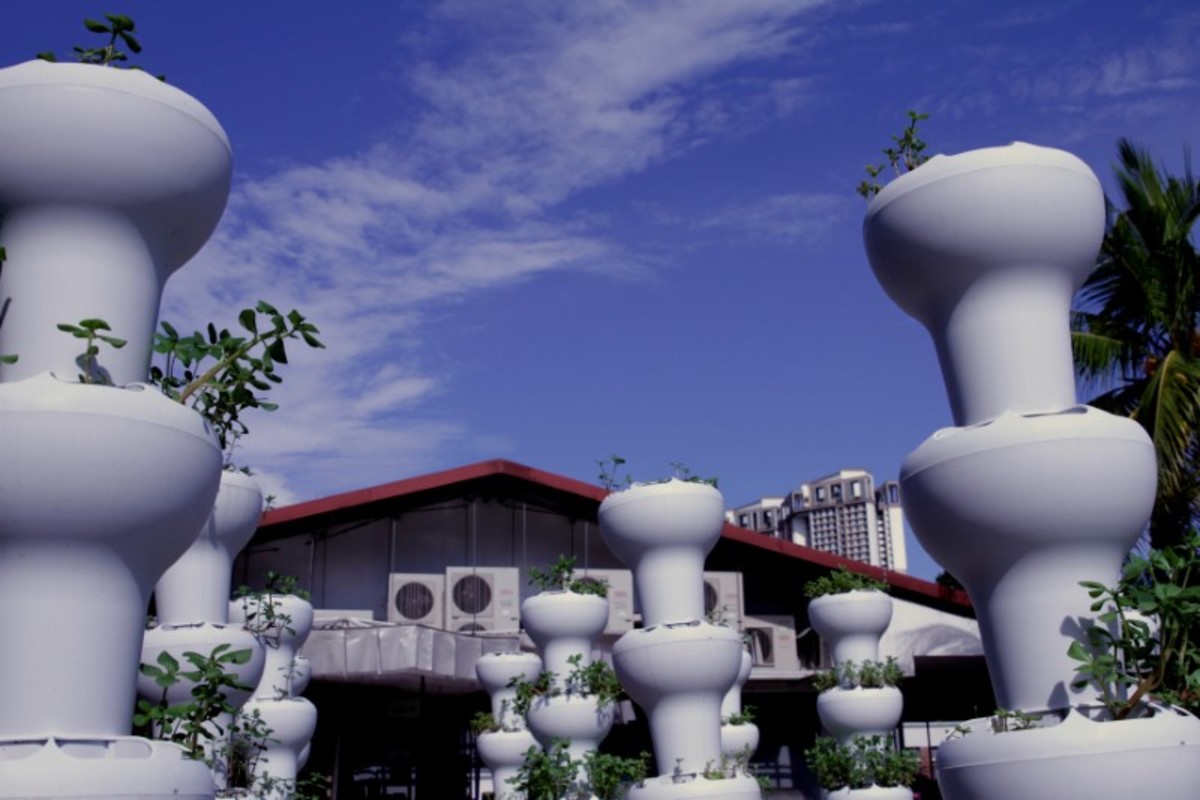
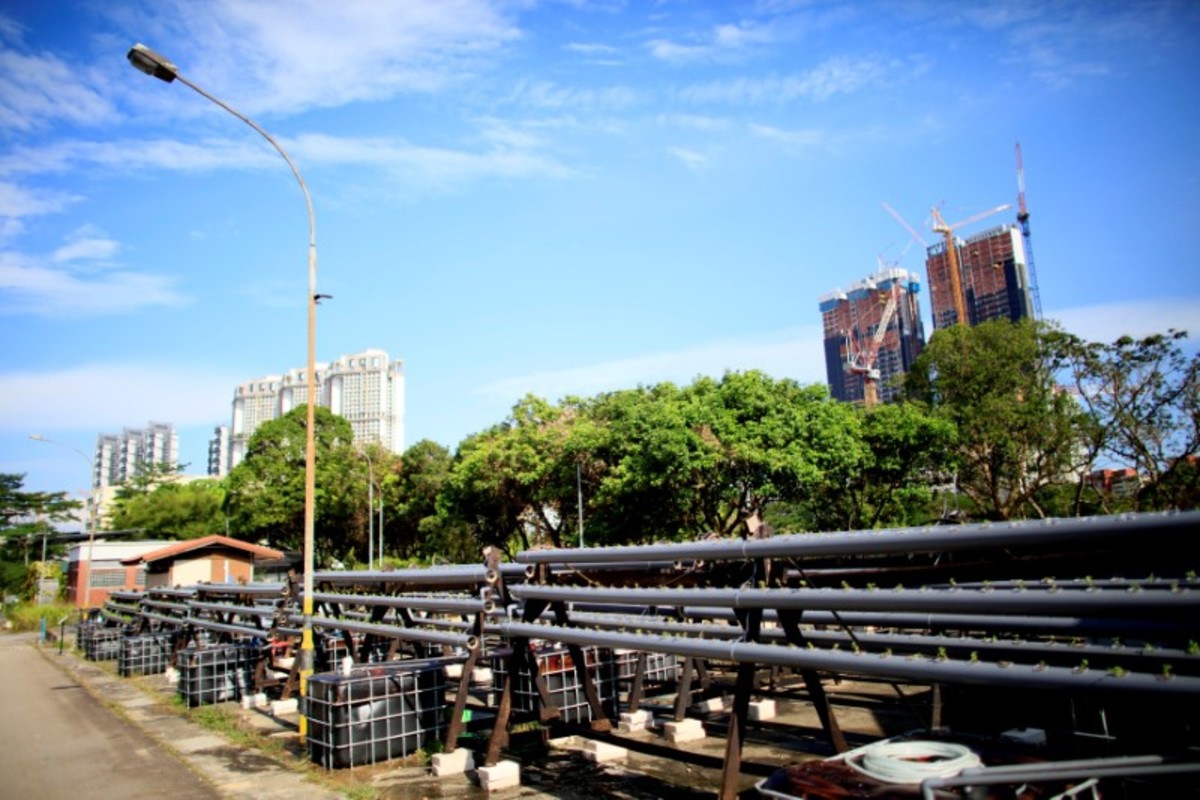
Head of farmers Darren Ho shows fish used in aquaponics at an urban farm in Singapore June 20, 2017. REUTERS/Thomas WhiteAn indoor hydroponic growing system in a tower designed for leafy vegetables is seen at an urban farm in Singapore May 30, 2017. REUTERS/Thomas WhiteThe Citizen Farm urban farm is seen in Singapore June 20, 2017. REUTERS/Thomas WhiteAn outdoor hydroponics nutrient film technique (NFT) system growing herbs such as mint, basil and rosemary is seen at an urban farm in Singapore June 20, 2017. REUTERS/Thomas WhiteMushroom fruiting bags made out of saw dust, coffee grounds and gypsum are seen at an urban farm in Singapore May 30, 2017. REUTERS/Thomas WhiteMushroom fruiting bags made out of saw dust, coffee grounds and gypsum show mushrooms growing at an urban farm in Singapore June 20, 2017. REUTERS/Thomas WhiteA farmer holds black soldier fly larvae in their pupae stage right before they hatch into flies in Singapore June 20, 2017. The flies eat food waste and produce fertiliser for the urban farm. REUTERS/Thomas WhiteFood towers with multiple planting points are seen at an urban farm in Singapore June 20, 2017. REUTERS/Thomas WhiteAn outdoor hydroponics nutrient film technique (NFT) system growing herbs such as mint, basil and rosemary is seen at an urban farm in Singapore June 20, 2017. REUTERS/Thomas White
Sign up to read this article
Read news from 100’s of titles, curated specifically for you.