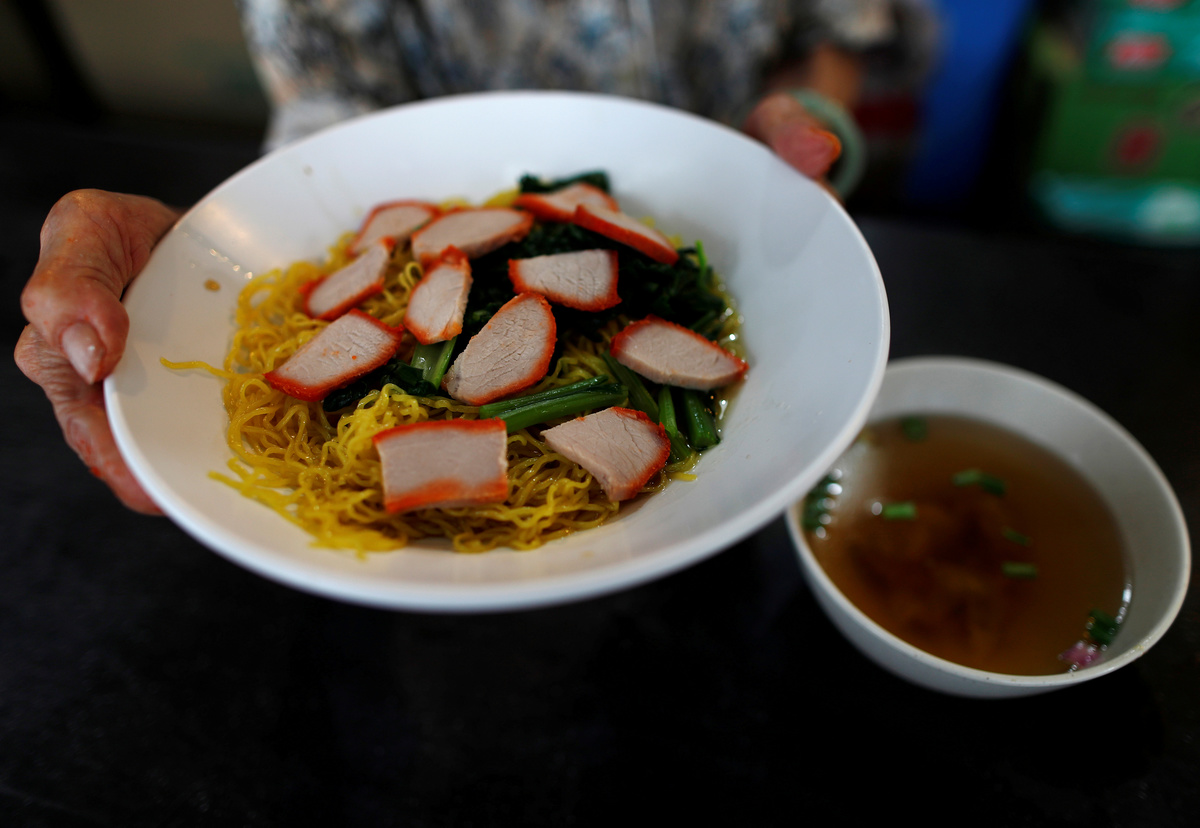
Singapore's tradition of communal dining at hawker centres, open air food courts popularised by celebrity chefs and hit films such as 'Crazy Rich Asians', has been recognised by UNESCO for its cultural significance.
The United Nations' cultural agency announced late Wednesday it had added the city-state's "hawker culture" to its Representative List of the Intangible Cultural Heritage of Humanity, nearly two years after Singapore submitted a bid to be included in the list.
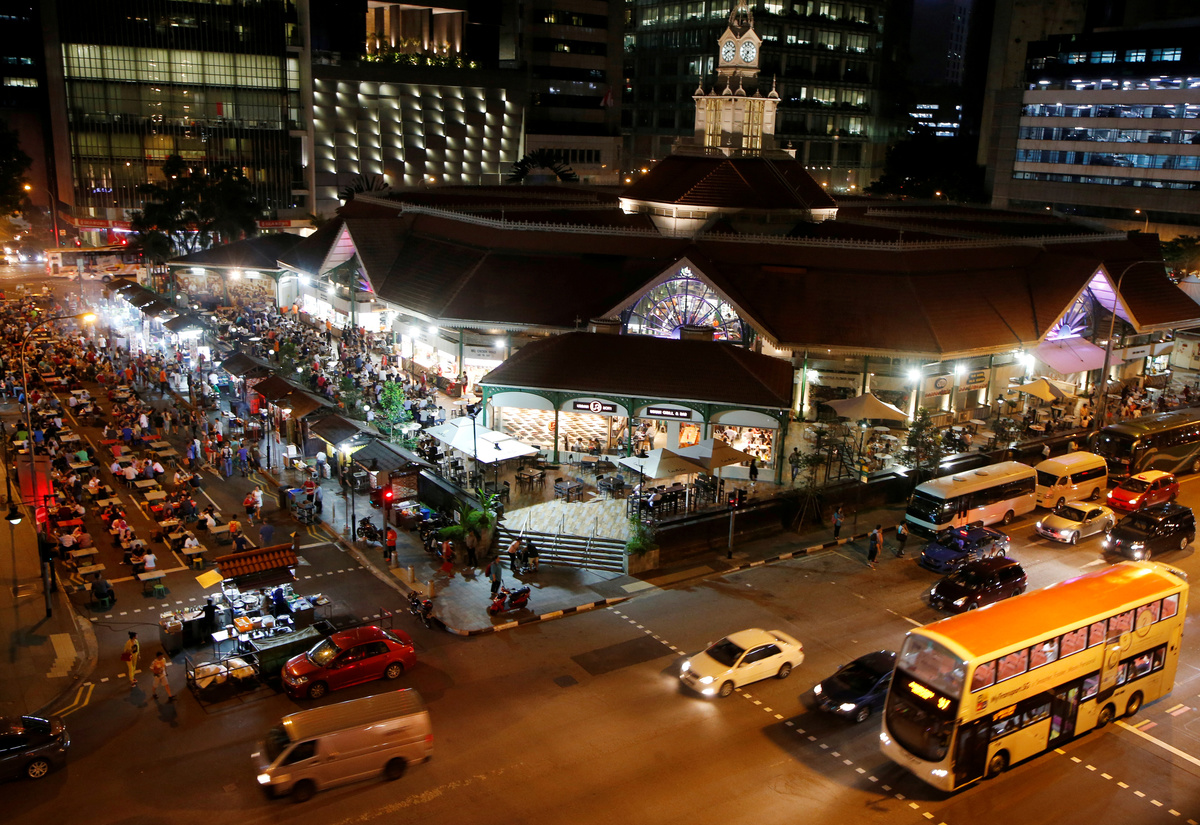
Singapore's hawker centres were set up to house former street vendors, or "hawkers" in an effort to clean up the island in the 1970s and serve a variety of cheap, no-frills dishes to locals as well as providing a social setting.
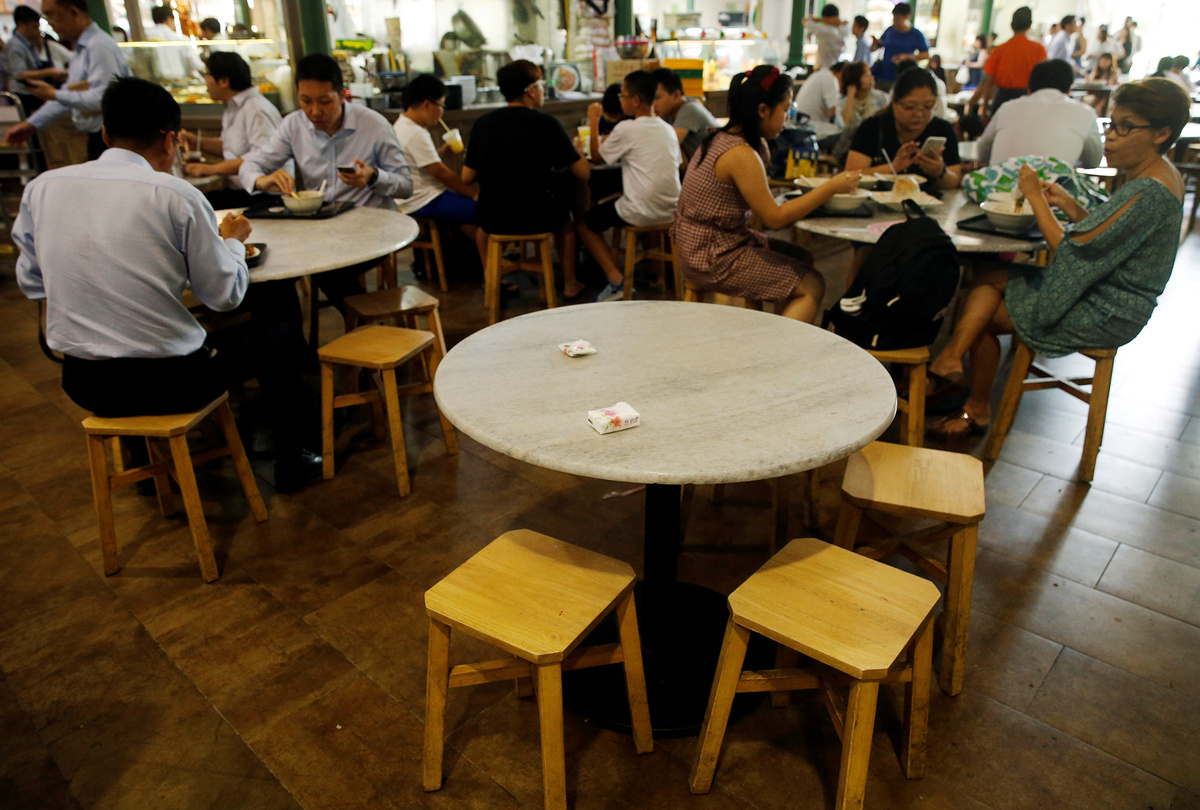
"These centres serve as 'community dining rooms' where people from diverse backgrounds gather and share the experience of dining over breakfast, lunch and dinner," UNESCO said.
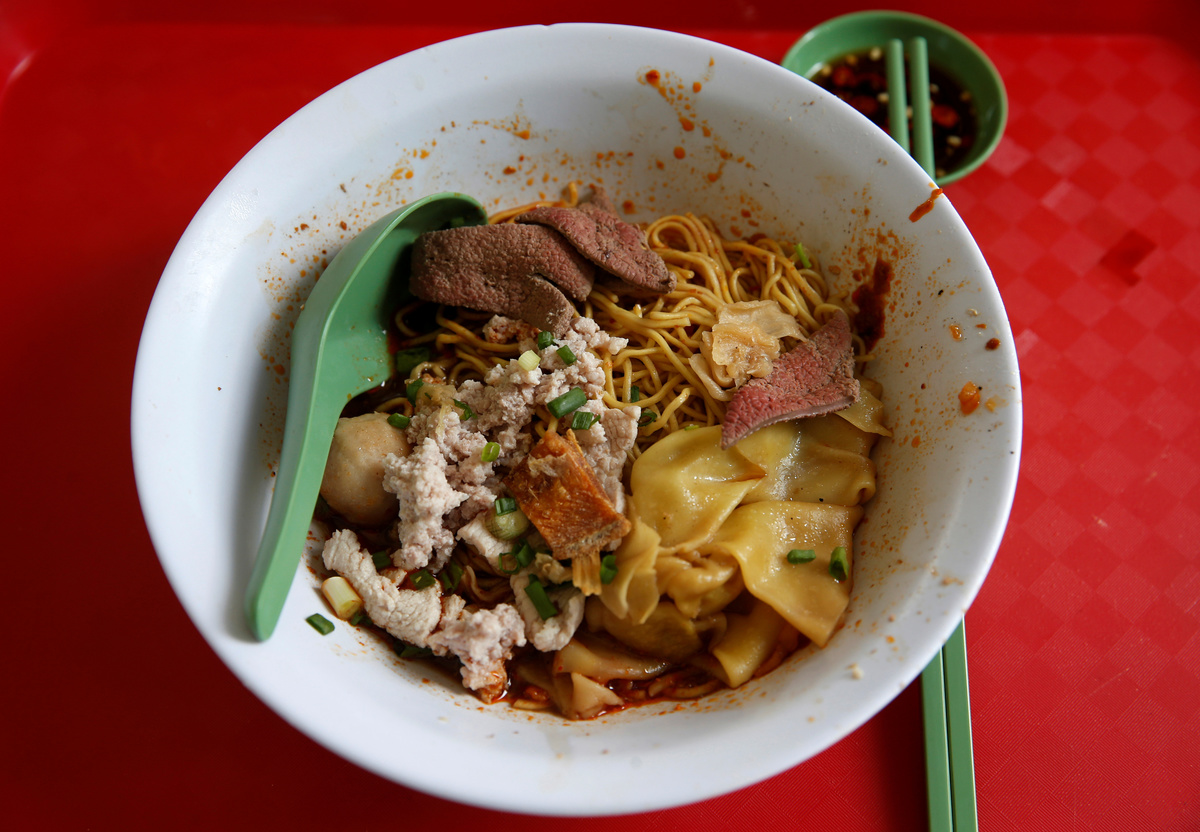
Celebrity chefs including Anthony Bourdain and Gordon Ramsay have effused over favourite hawker centre dishes such as chicken rice. The 2018 film Crazy Rich Asians showed its stars tucking into heaped plates at a famous night market, and some stalls even gained Michelin stars for meals costing only a few dollars.
However, Singapore's hawker culture does face its challenges.
The median age of hawkers in the city-state is 60, and younger Singaporeans are increasingly shunning cramped, sweaty kitchens for office jobs. The COVID-19 pandemic also dealt a blow, halting the usual train of tourists to the centres, while even locals were prevented from dining out for a few months during a lockdown earlier this year.
Singapore must submit a report every six years to UNESCO, showing the efforts made to safeguarding and promoting its hawker culture.
(Reporting by Chen Lin; Editing by John Geddie and Lincoln Feast.)