SINGAPORE (Reuters) - Singapore's pharmaceuticals business, among the pillars of the city-state's manufacturing sector, is set to return to strength this year as big global drugmakers ramp up output and advance automation at their production sites across the country.
A recovery from dismal 2017, which marked the sector's worst contraction in two decades, would underpin Singapore's economic growth. Pharmaceuticals is the No.2 contributor to the country's manufacturing output and accounts for 3 percent of its GDP.
The sector will see a "robust" 2018, Singapore's Economic Development Board (EDB) told Reuters.
"The opening of new sites like AbbVie's biologics manufacturing facility and the ramp up of others including Amgen and Novartis reflect strong fundamentals ... we expect the manufacturing activity to remain robust for 2018," said Ho Weng Si, director of biomedical sciences for EDB.
"Outlook for the industry as a whole remains positive for the next few years," Ho added, citing the pace of new drug approvals by the U.S. Food and Drug Administration that hit a 21-year high in 2017.
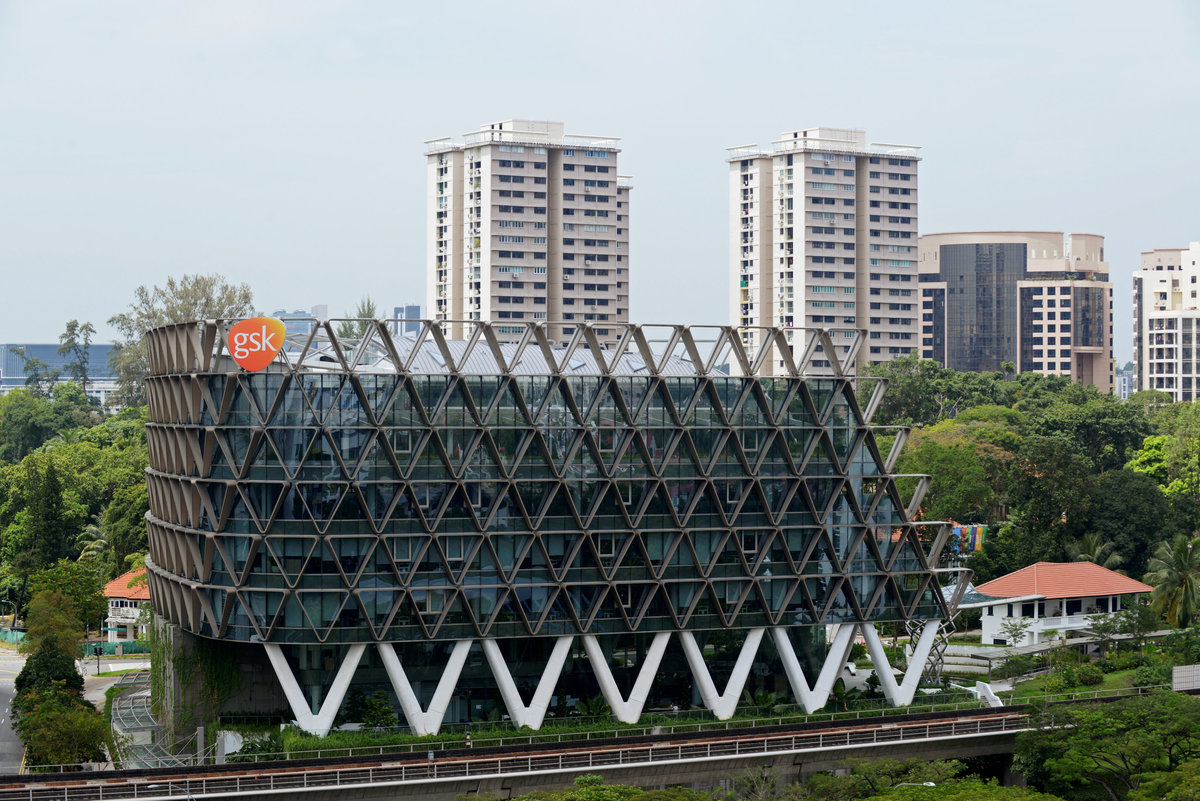
Singapore is well placed to benefit from this uptick in approvals as it hosts facilities of eight of the world's top 10 drugmakers - such as Roche, GlaxoSmithKline, Pfizer and Sanofi.
Sanofi, which in Singapore mainly produces ingredients for blood-thinning drugs shipped globally, told Reuters it expects production "to be relatively stable to slightly increasing in coming years" as it invests to upgrade capacity.
A quarterly EDB survey of the manufacturing sector shows the pharmaceuticals industry is the most optimistic about production over January-March, with a net weighted balance of 56 percent of firms expecting output to rise from the preceding three months.
EDB's Ho and the survey did not provide a specific forecast.
Data shows pharmaceutical production dropped in January, albeit at a milder pace, and rose 15.2 percent from a year ago in February, bringing gains so far this year to about 7 percent.
Output shrank 15.6 percent in 2017, the largest annual contraction since at least 1993.
Singapore's pharmaceutical output has risen more than three-fold since the start of this century, with the sector generating S$17 billion ($13 billion) worth of products last year.
ADVANCEMENTS IN TECHNOLOGY, AUTOMATION
The outlook for recovery, however, is not free of headwinds.
Output in pharmaceuticals is inherently volatile because production happens in batches, which can take anywhere from a few days to weeks to make.
But thanks to advancements in technology, industry players are hoping to achieve more consistent production levels.
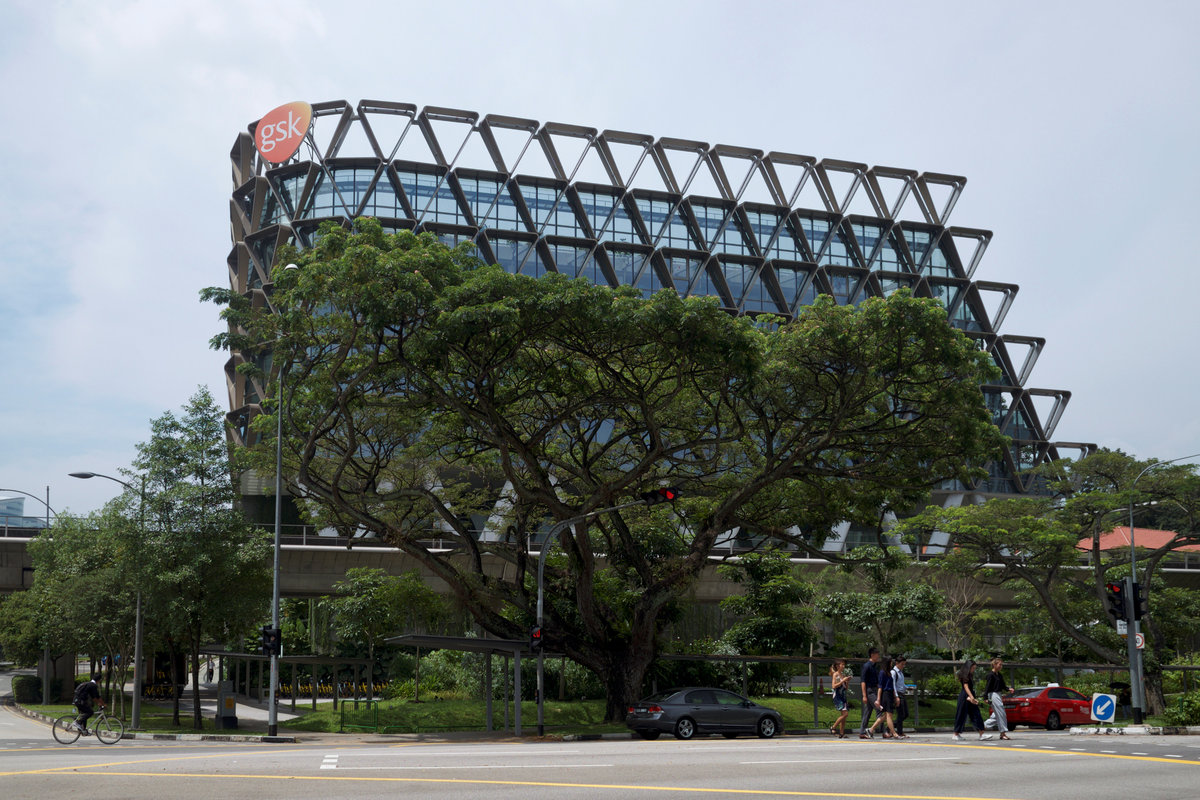
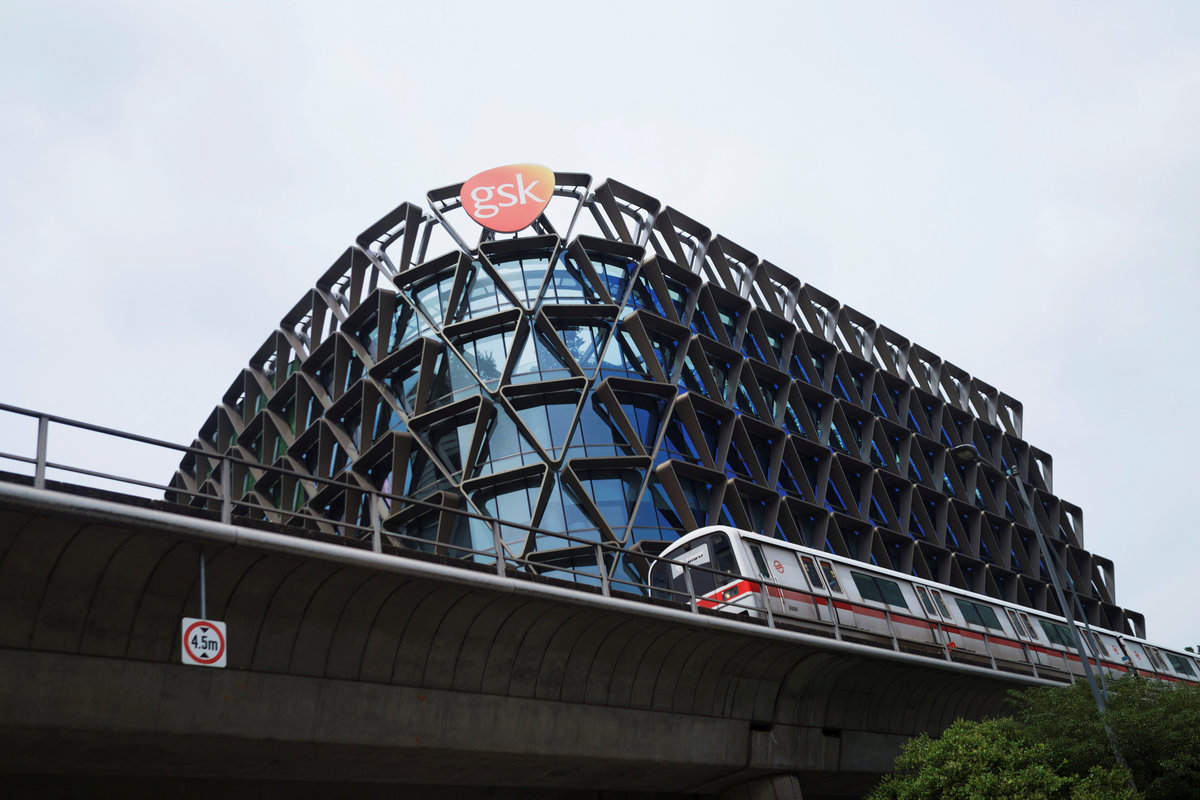
GSK, which has been manufacturing in Singapore for nearly 50 years, has been pioneering a technology called continuous manufacturing where instead of making products in batches, materials are constantly added and products removed.
Last year, for the first time products were commercially made using this technology.
"The pharma industry has to progress on the technology front ... to ensure we increase productivity," said Lim Hock Heng, a site director in Singapore for GSK.
Mundipharma hopes to start commercial production of antiseptics at its new plant in Singapore as early as the fourth quarter of 2019 - which according to CEO Raman Singh "will be the most automated plant in the world compared to any other competitors".
(Reporting by Masayuki Kitano and John Geddie; Editing by Jack Kim and Himani Sarkar)