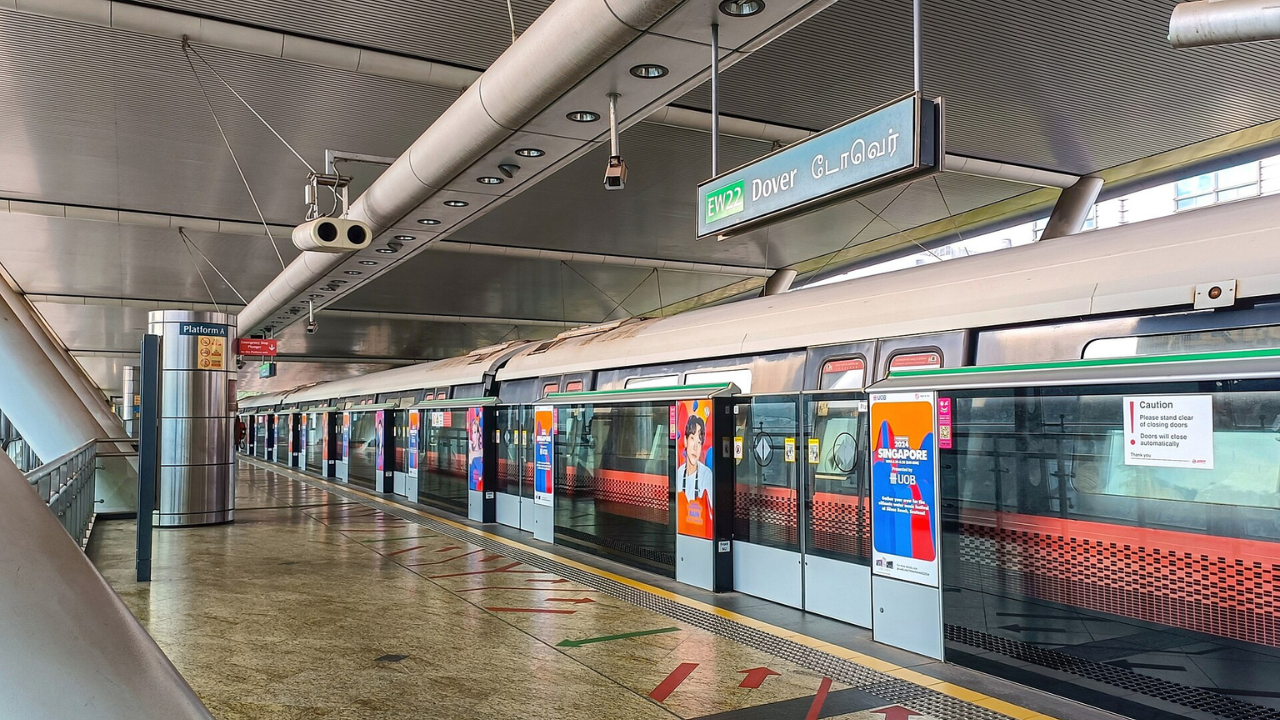
Singapore is famous for its strict public cleanliness laws, but one of its most talked-about policies was introduced for a surprisingly practical reason. In 1992, the government banned the sale and import of chewing gum after years of dealing with gum litter in public spaces and repeated cases of vandals sticking used gum onto the door sensors of the country’s newly built Mass Rapid Transit (MRT) system. Although the incidents were relatively rare, they caused expensive service disruptions on infrastructure that had only recently begun operating, prompting officials to conclude that prevention was easier than constant repairs. Today, chewing gum itself is not illegal to consume in Singapore, but its commercial sale remains tightly restricted, with exceptions for therapeutic and dental gum introduced in 2004. According to Singapore’s Attorney-General’s Chambers , therapeutic, nicotine and certain oral dental chewing gums may now be imported and sold under specific health regulations.
Get breaking news anytime, anywhere. Download the TOI app now!
A small piece of gum became a big public infrastructure problem
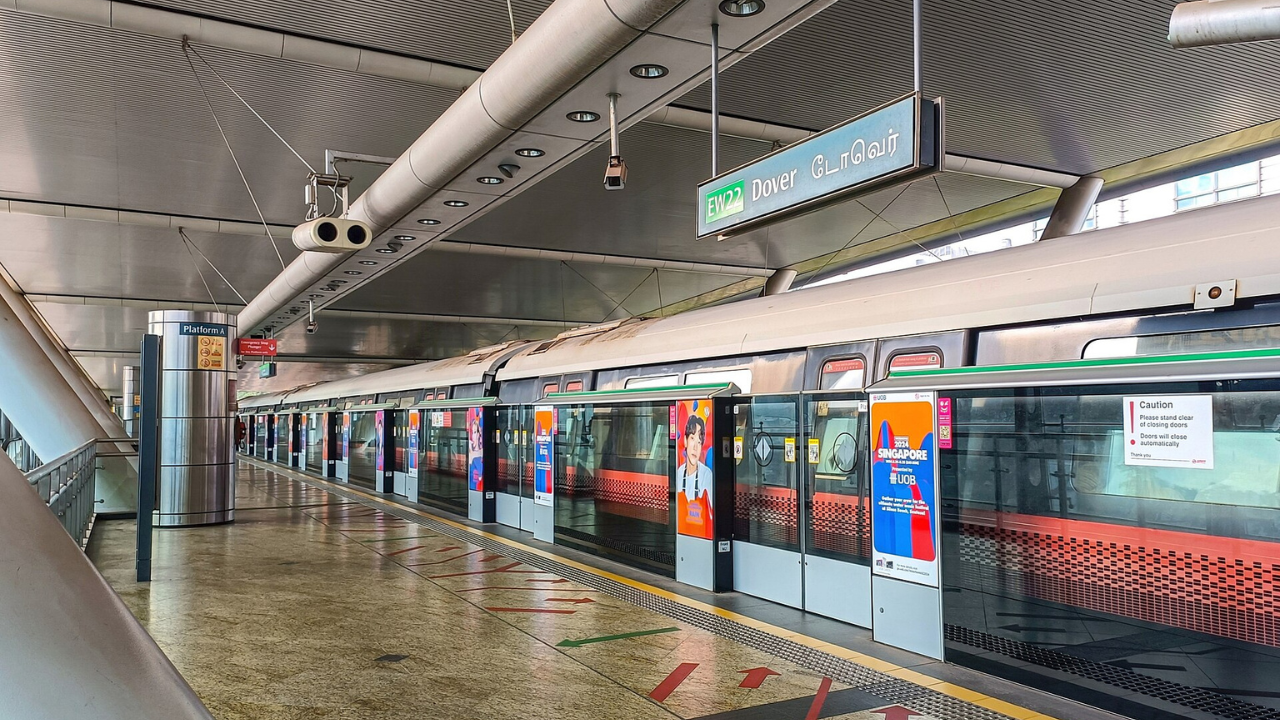
Singapore’s MRT network began operating in 1987 after billions of dollars were invested in creating a modern public transport system, and within a few years, maintenance crews found themselves dealing with an unexpected nuisance. Discarded chewing gum was being pressed onto train-door sensors, preventing doors from closing correctly and forcing delays while engineers identified and removed the obstruction. Gum was also routinely found stuck inside lift buttons, keyholes, mailboxes, bus seats, and public walkways, increasing cleaning costs across the city.
The government had previously considered banning chewing gum but viewed the proposal as too extreme. That changed after repeated MRT disruptions highlighted how a small act of vandalism could interfere with critical infrastructure. According to Singapore’s Centre for Liveable Cities , incidents involving gum stuck on MRT door sensors during 1991 contributed directly to the government’s decision to prohibit chewing gum sales from January 1992, and officials later reported a sharp decline in gum-related maintenance problems.
The ban evolved, but Singapore never abandoned it completely
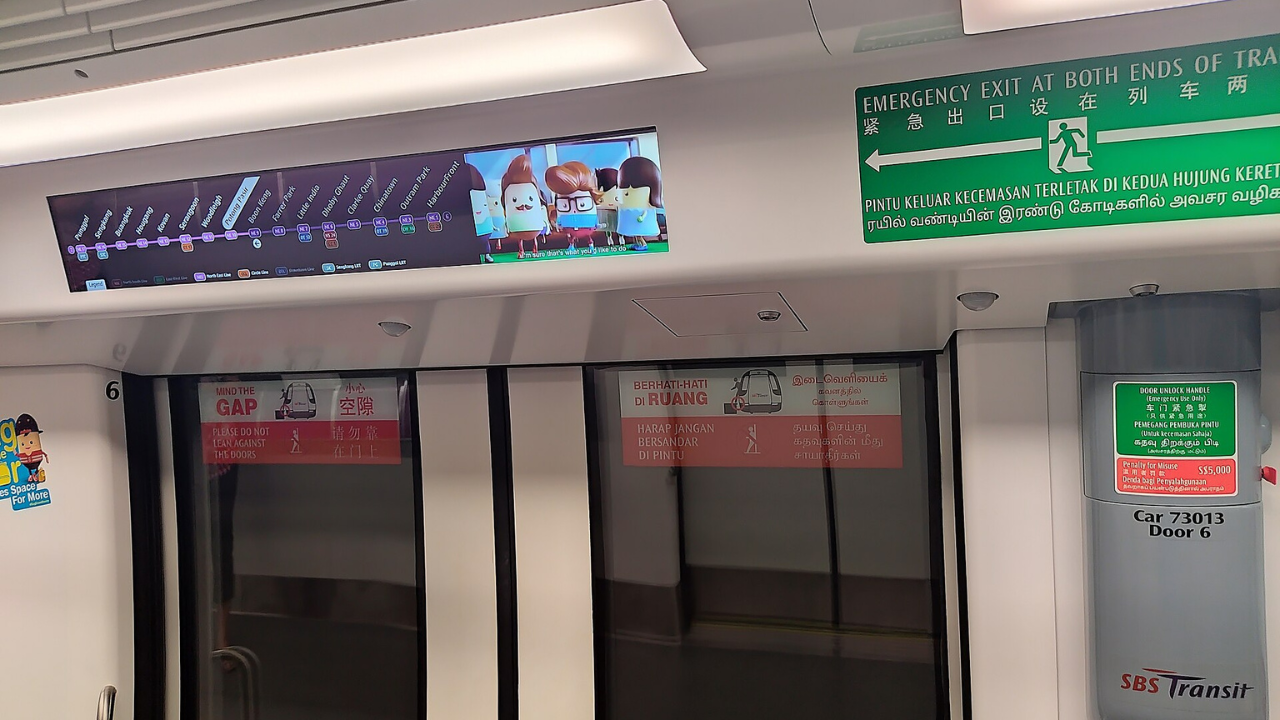
The policy generated international headlines and was often portrayed as an example of Singapore’s tough approach to public order. In reality, the law focuses on restricting the manufacture, import, and sale of chewing gum rather than criminalising the act of chewing it. Visitors may carry limited quantities for personal use, while littering remains punishable under separate laws.
The rules were partially relaxed in 2004 during negotiations surrounding the U.S.-Singapore Free Trade Agreement, allowing pharmacists and dentists to supply approved therapeutic, nicotine-replacement, and certain dental chewing gums. Even so, ordinary confectionery gum remains unavailable in most shops because authorities continue to argue that the public costs associated with gum litter outweigh the convenience of unrestricted sales.
More than three decades later, Singapore’s chewing gum policy remains one of the world’s most unusual examples of legislation shaped by public infrastructure rather than public health. It began as an effort to protect train doors and has become an enduring symbol of the country’s wider philosophy that keeping cities clean, efficient and functional sometimes requires regulating even the smallest everyday habits. According to Singapore Statutes Online , the import of chewing gum remains prohibited except for approved therapeutic and oral dental products that meet specific legal requirements.