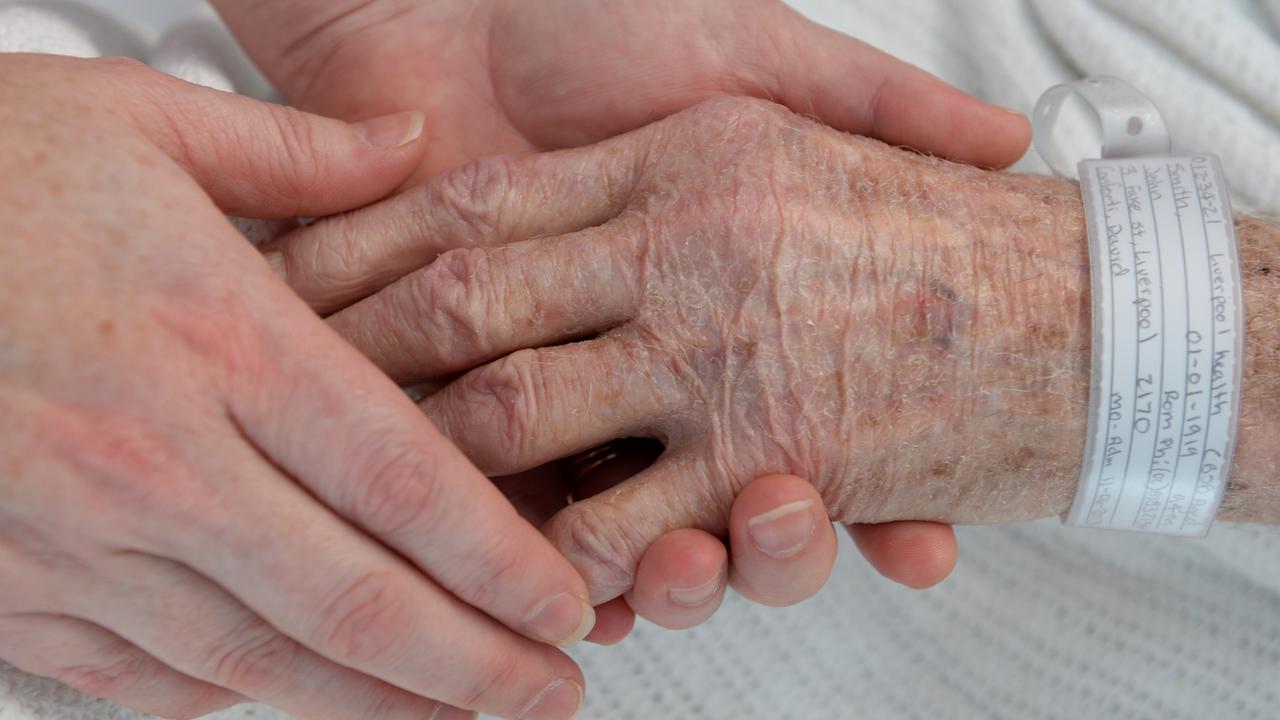
Dr Joanna Czerwinski's patient had been vomiting for five days straight before she was able to end their life.
"They started vomiting on a Saturday, made contact with me on the Monday ... and I couldn't have (the prescription) collected until the Thursday," she told AAP.
An Adelaide haematologist who has helped patients voluntarily end their lives, Dr Czerwinski has had to duck and weave through the tangle of regulations separating the terminally ill from a dignified death.
She is part of the chorus of health practitioners who want video conferencing, or Telehealth, to be part of the process of voluntary assisted dying.
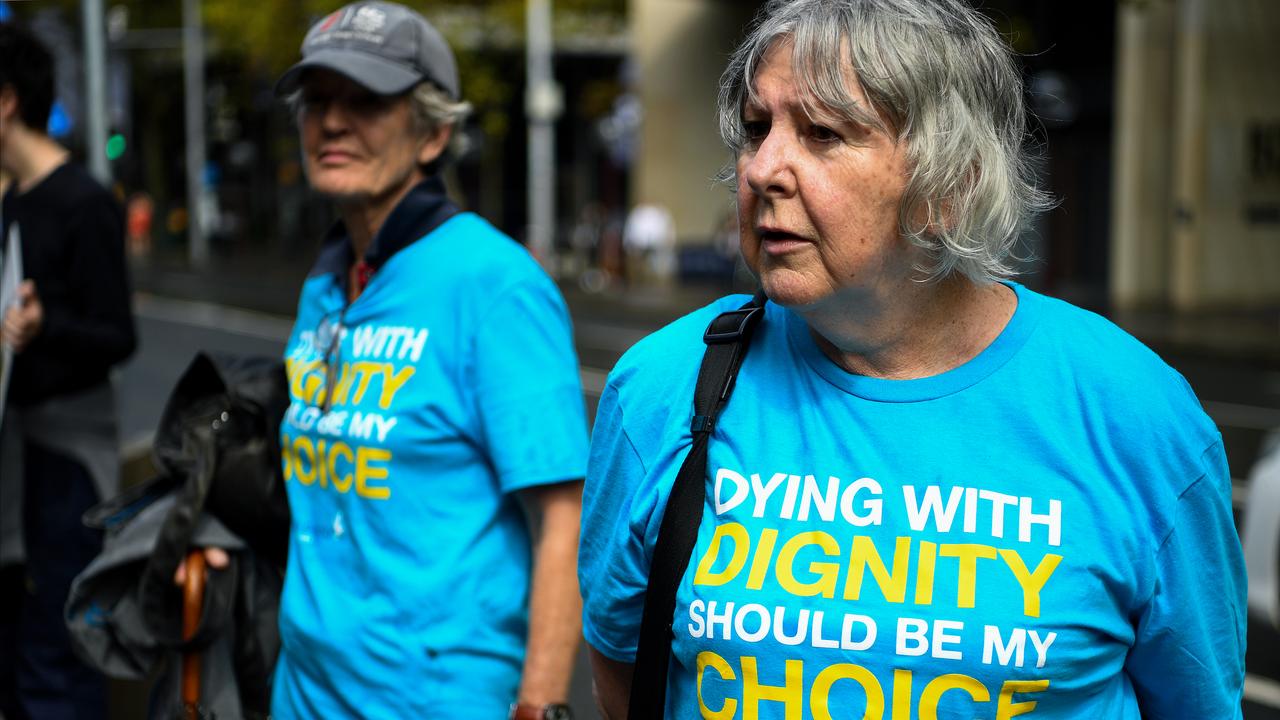
Since 2019, terminal patients have been allowed to end their lives voluntarily everywhere in Australia except the Northern Territory.
But doctors cannot talk to patients about voluntary assisted dying by any electronic means under threat of a $300,000 fine, thanks to a 20-year-old law criminalising the encouragement of suicide in online chat rooms.
"We're not allowed to fax, we're not allowed to email, we're not allowed to do e-scripts," Dr Czerwinski said.
"It's just an unnecessary prolongation."
Her patient who waited for five days to see her while vomiting was eligible for voluntary assisted dying but needed to alter how they took the life-ending medication, which meant getting a new prescription.
It's a routine request, but can take days because the communications ban encapsulates all voluntary assisted dying prescriptions, which must be mailed or delivered by hand.
"By the time that I was having to administer (the patient's medication), they were incredibly dehydrated, very difficult to get a line in," Dr Czerwinski said.
"Obviously it was a highly anxious time for myself and it was quite stressful for the family as well."
Years-old debate on Telehealth and voluntary assisted dying blew open in July when Labor let its members off the leash during its national conference.
Labor MPs can now vote to lift the ban if they want to, although Prime Minister Anthony Albanese has spoken out against that idea since the triennial party gathering.
Greens Senator Sarah Hanson-Young has pledged to introduce a private bill to strike down the prohibition in parliament's next two sitting weeks which start Tuesday, with independent MP Kate Chaney possibly preparing to dust off her three-year-old proposal in September.
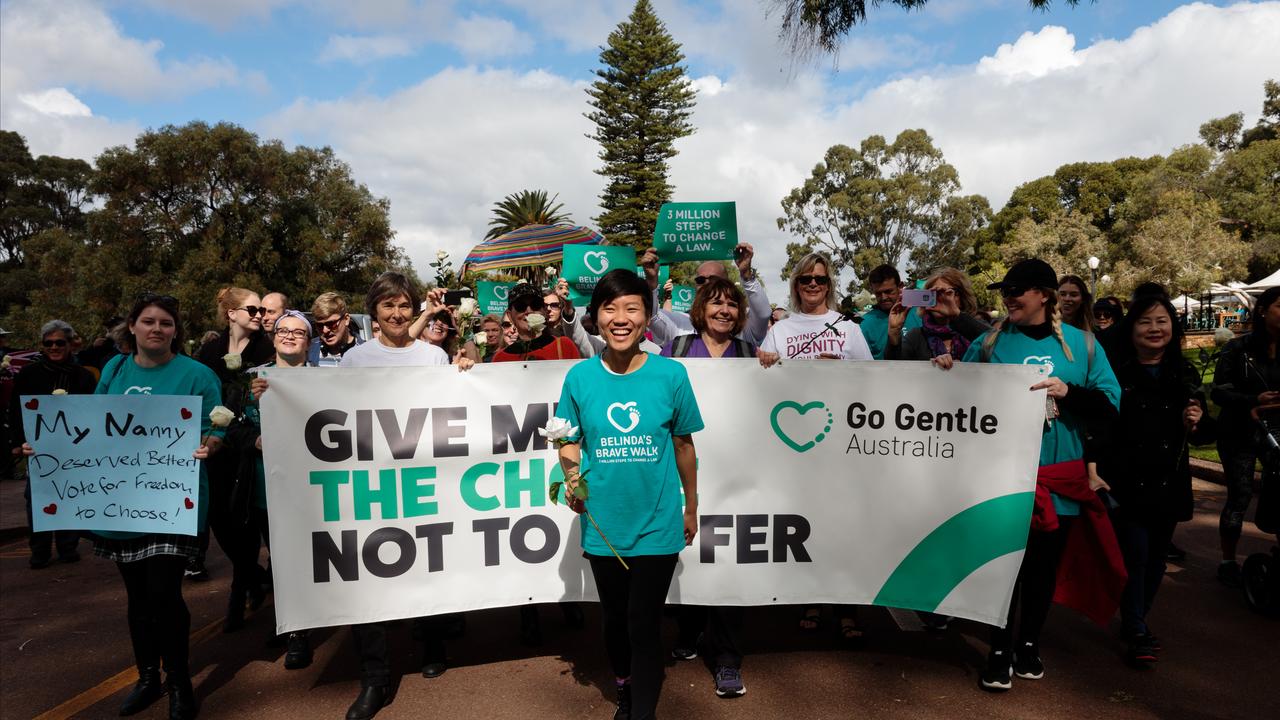
But having to rely on federal politicians to act on the issue is part of the problem, according to the chief executive of voluntary assisted dying advocacy group Go Gentle, Dr Linda Swan.
"It's a health service wrapped in legislation," Dr Swann told AAP.
"Whenever we want to make sensible changes because standards of care change ... unfortunately, often that's going to require us to go back to a legislative process.
"There's 1000 other priorities."
Telehealth guidelines are strong enough for voluntary assisted dying to work like any other kind of health care, Dr Swan said.
"We're not asking for special treatment," she said.
"It is leading to unnecessary suffering, and it is a simple fix."