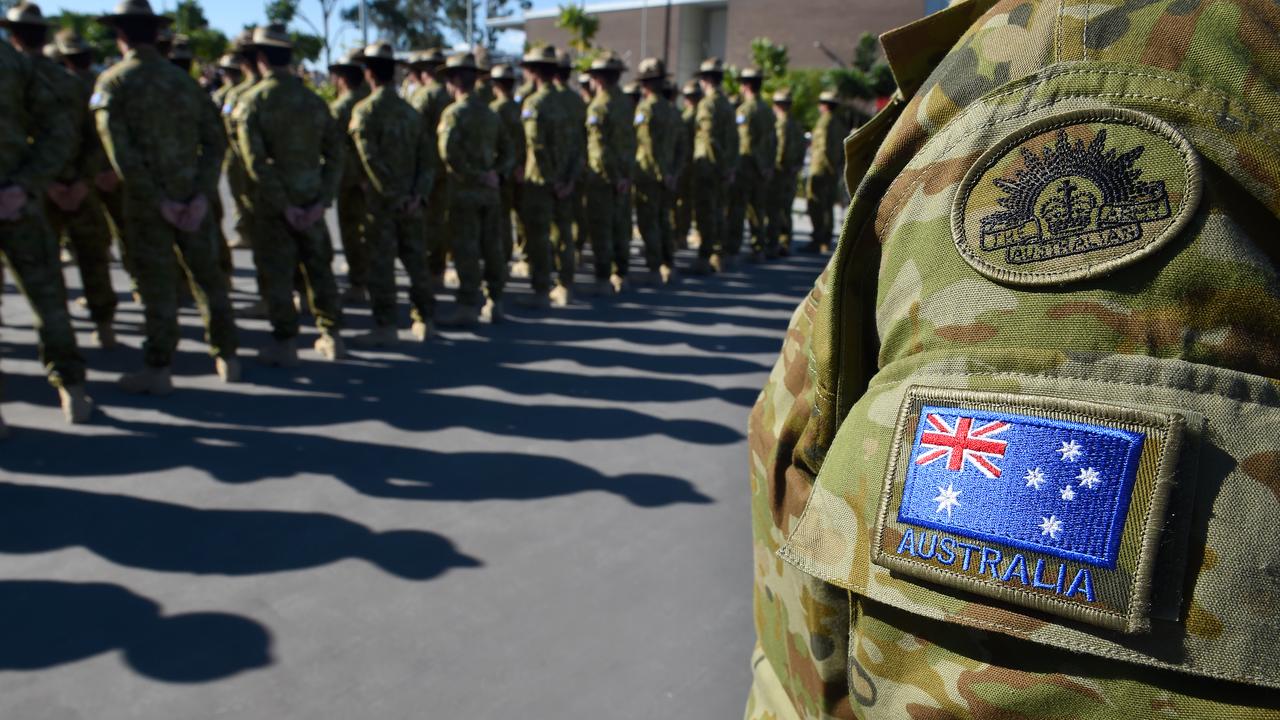
Veterans want the defence force to release people who have experienced sexual assault and harassment from non-disclosure agreements so they can control their stories.
Athena Project vice chair Nikki Coleman criticised the use of non-disclosure and confidentiality agreements, saying they were used to protect the reputation of the defence force and prevented people from moving on.
The project helps veteran survivors of sexual violence and Dr Coleman had heard firsthand how damaging the practice was to many people.
Dr Coleman, a former Air Force chaplain, detailed how she was physically and sexually abused and harassed, bullied and subject to abuses of power through threats of administrative and disciplinary action by her abuser.

After leaving the defence force, she made a separate complaint about comments the chief of the air force made about her at a parliamentary hearing.
The allegations were so damaging, she ended up in hospital on suicide watch.
The restorative process involved mediation, but she refused to sign a confidentiality agreement with restrictions she called horrendous.
Dr Coleman's lawyer advised her not to sign the agreement under any circumstances, given its breadth.
She couldn't meet with the chief or receive an apology from him because she didn't sign it.
"NDAs and confidentiality agreements are very damaging to victims," she said.
"I believe they are quite coercive."
The defence force was committed to addressing sexual violence, a department spokesperson said in a statement.
An agreed deed of settlement may be signed by both parties over a claim about sexual assault, but both parties need to agree to the terms.
"In circumstances where sexual violence has occurred or is alleged, Defence places considerable weight on the wishes of the claimant, including where the claimant wishes to maintain their privacy," the spokesperson said.
Another problem is that while the agreements may not prohibit seeking legal and medical advice or participating in inquiries like a royal commission, women say they're not sure what they signed and are too scared to mention their story to anyone due to the power disparity with defence.
Women have detailed the trauma of being locked into agreements, including being too scared to seek mental health help or see medical professionals, including for corrective surgeries for injuries sustained during sexual assaults that occurred while they were serving.
Dr Coleman said a common concern was "how am I going to pay to fight against the whole of the defence force, when they have an entire army of lawyers?"
"If defence is serious about historical sexual abuse, what is stopping them expunging NDAs?"
One woman, granted anonymity to speak about her experience with a non-disclosure agreement, said it restricted her medical treatment and she was "completely incapacitated" as a result.
She said she received no support from the defence force following seven years of grooming, sexual assault and stalking during her tenure.
A later settlement with defence prevented her from disclosing her compensation or talking about her experience.
The woman had to get legal advice to participate in the Defence Abuse Response Taskforce in 2012.
She said her lawyer told her she had never seen an agreement so tight, as it stated she couldn't even show it to another lawyer apart from the one who acted for her in a 1992 equal opportunities complaint.
The woman had pushed defence to acknowledge her sexual assaults and fought for an apology, both of which she received but under the proviso of a gag clause.
Dr Coleman challenged Defence to free people from historical agreements after it softened its stance on using them.
"You need to wipe all the NDAs you had in the past, because that's harming a large number of women and men who were abused, particularly in the 80s and 90s," she said.
"These were documents signed by very traumatised people in a very traumatic situation.
"It just goes to show the lengths defence had gone to in the past to cover up abuse. If they're serious about tackling sexual abuse, they need to wipe those NDAs."
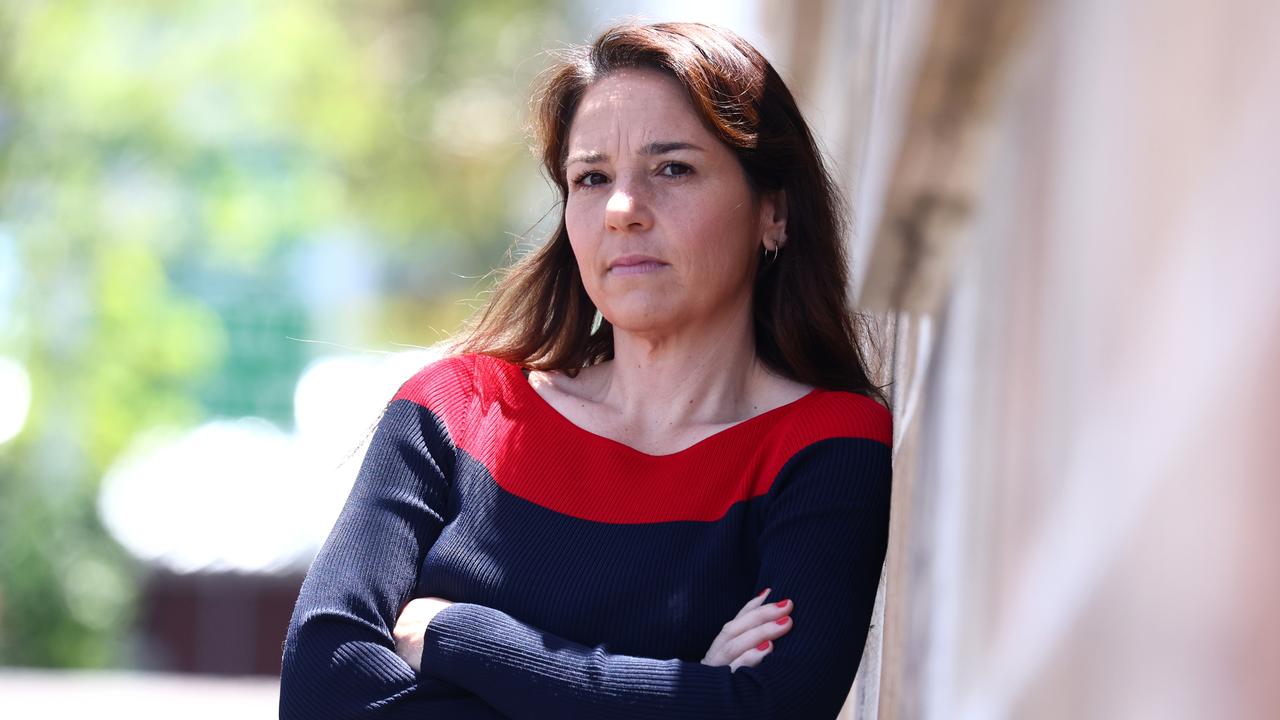
Her call has been echoed by Julia Delaforce, who had legal restrictions on her ability to tell her story altered in 2025 by Defence in a landmark move spurred by the intervention of the Human Rights Law Centre.
Ms Delaforce was sexually harassed at knifepoint at a military base by a drunken, machete-wielding male corporal. She was instructed to drive her perpetrator home by her superiors.
She complained internally and to the Australian Human Rights Commission, which sparked an inquiry into the treatment of women in the defence force.
But she was gagged from speaking about her experience due to an out-of-court settlement.
"Our ADF has been shaken by repeated cultural reviews and allegations of military sexual violence but true reform cannot happen while NDAs continue to operate as a tool of secrecy," Ms Delaforce said.
"My hope is to start a national conversation: if Australia wants safer workplaces and institutions worthy of public trust, then the era of silencing NDAs must end."
Human Rights Law Centre senior lawyer Anneliese Cooper welcomed the federal government moving away from using non-disclosure agreements as standard practice when resolving claims.
"But too many people are still bound by historical NDAs that would never be agreed to today," she said.
"It's time for the Albanese government to retrospectively lift these NDAs that continue to silence people and give them power back over their own cases."
Ms Delaforce is spearheading a push for national reform to ban the use of such agreements rather than a state-by-state approach following Victoria restricting their use in workplace sexual harassment cases.
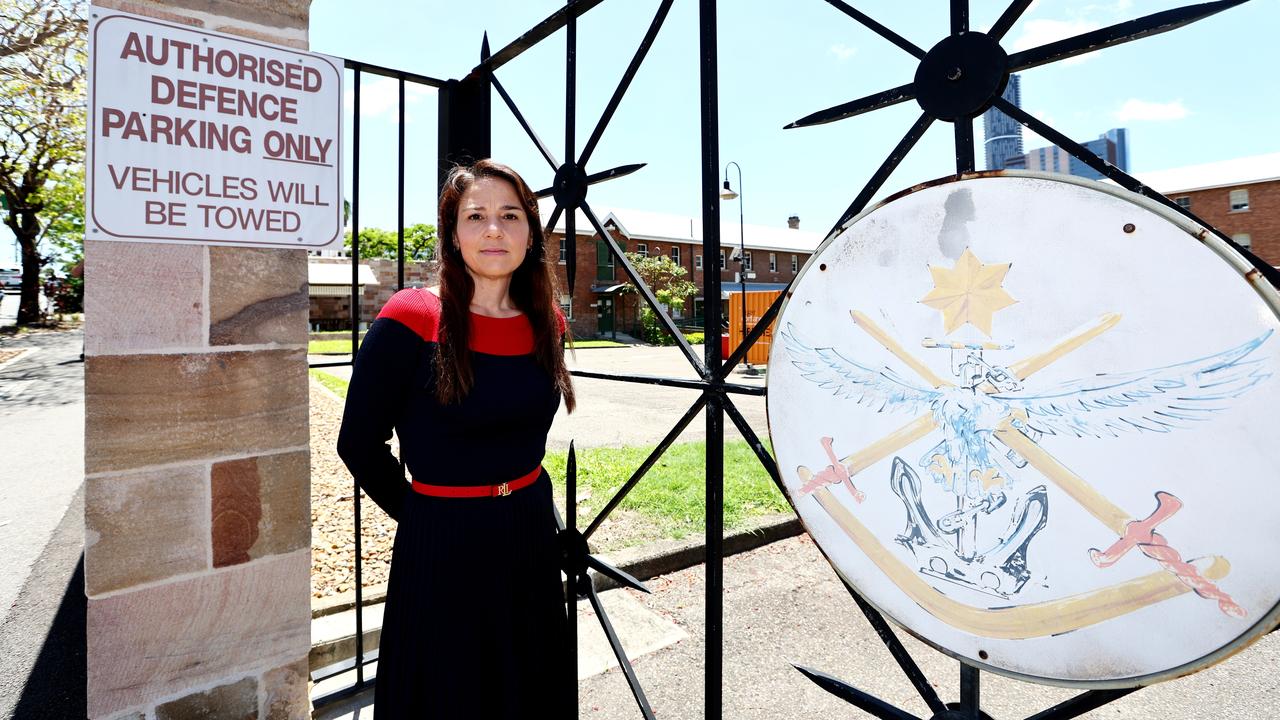
A class action against Defence by law firm JGA Saddler alleges systemic sexual harassment, violence and discrimination against women.
It says non-disclosure agreements can't restrict a person's right to a confidential discussion with a lawyer.
Lawyer Joshua Aylward said the firm is hopeful the legal action would follow the same path as similar actions against the mining industry, which resulted in women who previously had non-disclosure agreements being able to speak publicly about their experience.
The amount of compensation paid would still be subject to non-disclosure.
"This was a significant win for women who had previously been gagged by legal threats from the mining companies. We expect the same will happen in Defence," he said.
Lifeline 13 11 14
Open Arms 1800 011 046
1800 RESPECT (1800 737 732)
National Sexual Abuse and Redress Support Service 1800 211 028
beyondblue 1300 22 4636