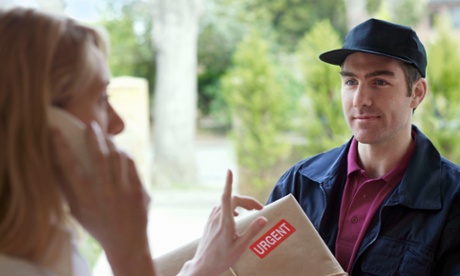
Are we really so “time-poor” that we need to book someone to collect our laundry and return it freshly washed and folded? Or that we need a cleaner who can whizz round in the next 60 minutes at the tap of our smartphone? Well, yes, according to the number of startups that have launched on-demand apps.
Whether it’s cleaning, taxis or parking, we’re seeing the emergence of apps across many sectors that bring us services and products at breakneck speed – all from our smartphone. Perhaps we didn’t know we needed it (remember life before Uber?) but there are plenty of tech companies muscling in to disrupt the status quo.
And it’s no surprise that startups have got their eye on this market. With Brits downloading more than 250m apps a month, the app market in the UK is expected to be worth nearly £31bn by 2025, up from £4bn last year, according to research commissioned by Google.
One such business is Blow Ltd, the beauty bar with outposts in Covent Garden and Canary Wharf. This month, the company will launch Fast Beauty To Go, letting clients book a blowdry, manicure or makeover in the comfort at their own home, office or even event venue – all by tapping a few buttons on their mobile.
The concept is fast beauty in 30 minutes, and like all the apps in this space – at the consumers’ convenience. Blow Ltd co-founder Dharmash Mistry says it is part of the trend of consumers wanting on-demand services and products.

“There’s been a shift towards this area with the launch of a whole range of services from housekeeping to cleaning or ordering a taxi through Uber or Hailo,” says Mistry. “It’s the ability to order what you want and when you want through your mobile. If people want a delivery before they go out or to have their flat cleaned or get spruced up before going out for dinner [there’s an app for it]. This kind of concierge service is going to increase.”
One area that’s attracting startups is the laundry market. Armed with £1.5bn in seed funding, Laundrapp is one of the small businesses that has swept into the market. It offers two types of services: dry cleaning and laundry, both charged at a set price and collected and delivered across several UK cities.
Founder Ed Relf set up Laundrapp in a bid to disrupt the dry cleaning and laundry market using smartphone technology. It officially launched in London in January this year and has since rolled out to Edinburgh and Birmingham.
“The dry cleaning industry reached its peak in the 1980s but it hasn’t changed in the decades since,” Relf says. “We see our competition as the washing machine. We’re trying to re-educate people with a new way of managing their dry cleaning and laundry. We’re not competing with people who like to go to the dry cleaners and chat with the business owner there. We’re trying to get away from people putting on three or four washloads. It’s pure convenience, just like Uber and Just Eat.”
The delivery app Jinn could be the answer to everyone’s prayers at some point in their life. For £5.95 plus 10% of the cost of the product bought, Jinn will deliver whatever you want (within the law, of course) to you in London within 60 minutes of placing the order.
Co-founder Mario Navarro says his lightbulb moment came on a trip in New York, where it’s considered the norm for people to order takeaways from restaurants. “I was considering launching a car share app but instead of doing that, I thought why not launch an app where products are brought directly to you.”
Couriers pick up the items from a store or restaurant and deliver them to the customer. Navarro won’t discuss user numbers but he says the app has so far delivered about £1m worth of goods since its launch last April, with early adopters and young professionals driving the growth.
Navarro believes the app has a positive impact on the high street and small businesses. “Some people who use the app would have been buying online at retailers such as Amazon. Instead they’re buying from a store and helping the local economy.”
Another app that claims to help small businesses is Bizzby, which sends a professional such as a local handyperson or cleaner to your door within 60 minutes. The company vets each of the professionals on its books before partnering with them.
“We’ve become the modern day Yellow Pages for customers and the modern Google for connecting businesses to customers,” says founder Rohan Luvaglio. “We work with a lot of businesses that have spare slots or work part-time, and we act as an extra source of revenue for them.”
But one of the hardest barriers for the on-demand companies to overcome is trust, with consumers having to get accustomed to a stranger coming into their home.
“It’s about building and earning that trust,” says Relf. “Once they’ve used it and understand how it works, they’ll repeat order.”
So what advice do these existing on-demand businesses offer to startups looking to tap into this burgeoning space?
“Like anything, you need to spend time understanding your customer,” says Mistry. “Secondly, think about the end-to-end customer experience; it’s critical you think about the whole of the service and experience and not just focus on the tech working.”
Relf suggests startups keep things small and lean, and focus on getting the product to market as quickly as possible – presumably before others trump it ( several other laundry apps have launched in recent months).
“Don’t worry as much about aesthetics,” he says. “The goal is to get the product to market and learn about your consumers and what they want. Have your soft launch open to a limited number of people then start with small-scale advertising, and look for ways to improve then refine your product for the bigger launch.”
While there’s already a wave of businesses in this market, the potential is ripe for new entrants to join them and give customers want they want in return for a low cost – and look at making traction in cities beyond London.
As Relf says: “As more people become accustomed to this model, we’ll see more growth in this area. And as more services launch, it’ll help drive this whole on-demand economy.”
Sign up to become a member of the Guardian Small Business Network here for more advice, insight and best practice direct to your inbox.