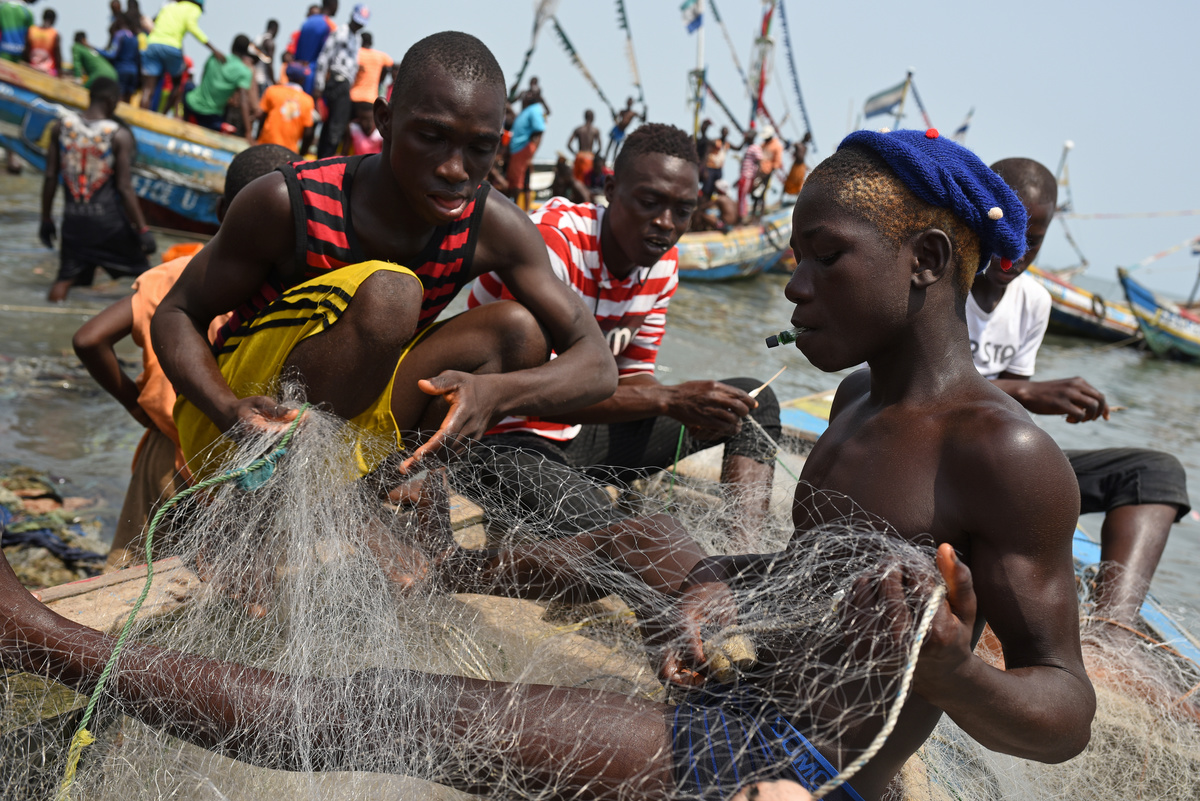
TOMBU, Sierra Leone (Reuters) - Sierra Leone is nearing the end of a one-month ban on industrial fishing that local fishermen hoped would replenish stocks but whose impact has been limited by its short span and the financial muscle of foreign companies.
The government imposed the moratorium at the start of April on industrial boats, most of which are owned by Chinese and South Koreans. Local fishermen complain that these trawlers damage their nets and disrupt schools of fish in shallow water.
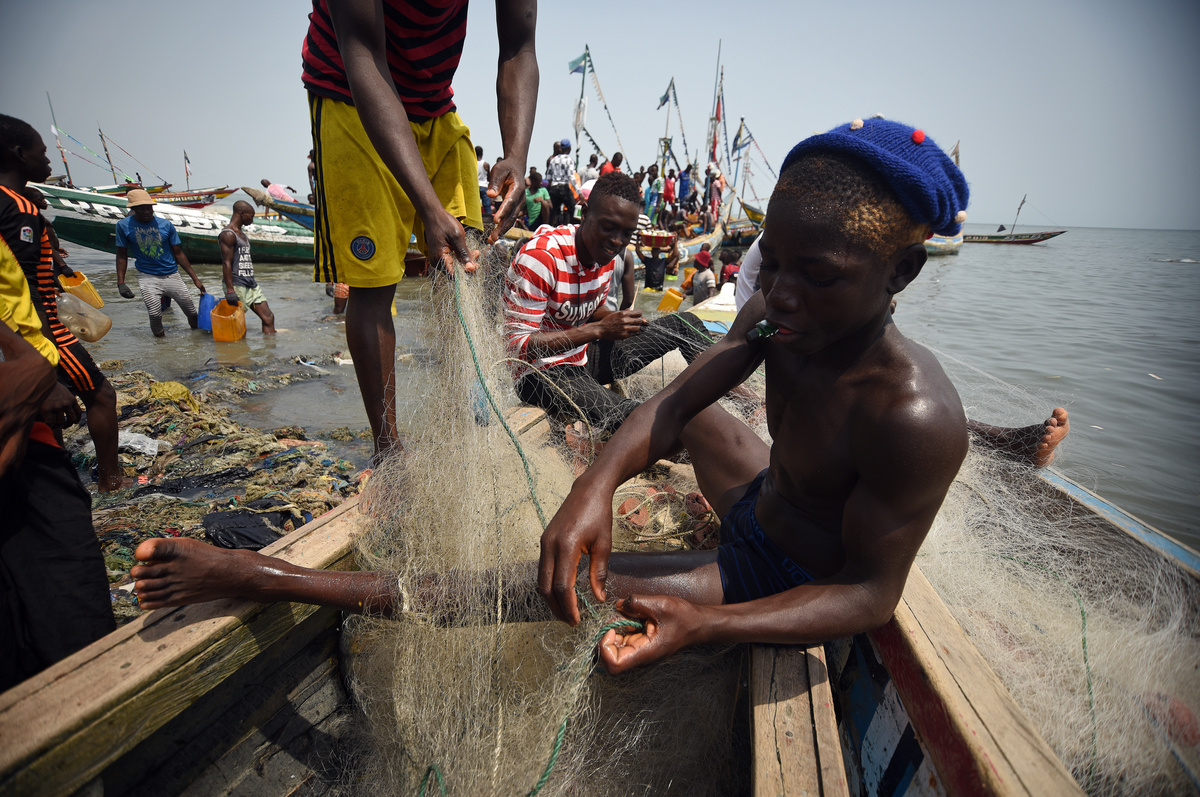
West Africa is in the midst of an overfishing crisis as foreign companies pour into the region to meet increasing demand for fishmeal and tropical fish, particularly from Asia.
“We consulted with many experts and environmentalists and believe one month without them should be enough time to help replenish our stocks,” Ibrahim Turay, the country's Deputy Minister of Fisheries, said in an interview earlier this month.
But advocacy groups say one month is too short to make a major impact, and that regional governments need to bolster their policing of illegal fishing, which Greenpeace estimates costs West African governments more than $2 billion per year.
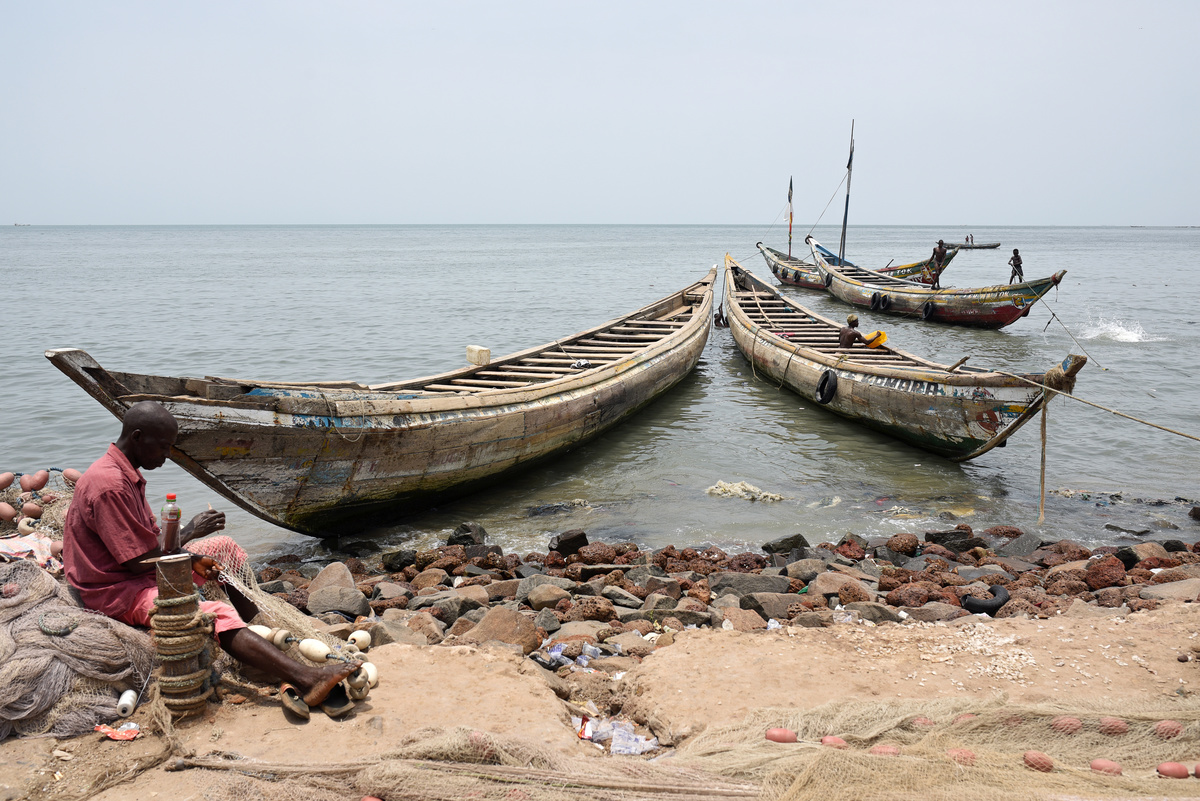
“The fact that there is a measure to try and reduce the pressure on resources is salutary, but this is insufficient,” said Ibrahima Cisse, senior oceans campaign manager for Greenpeace Africa. "The means at the disposal of the department in charge of surveillance are very weak."
Turay declined to comment this week when asked if the ban had been successful.
FOREIGN COMPETITION
Nor does the moratorium, which also requires that fish be sold exclusively on local markets during the month-long period, appear to be shielding local fishermen from foreign competition, as many had hoped.
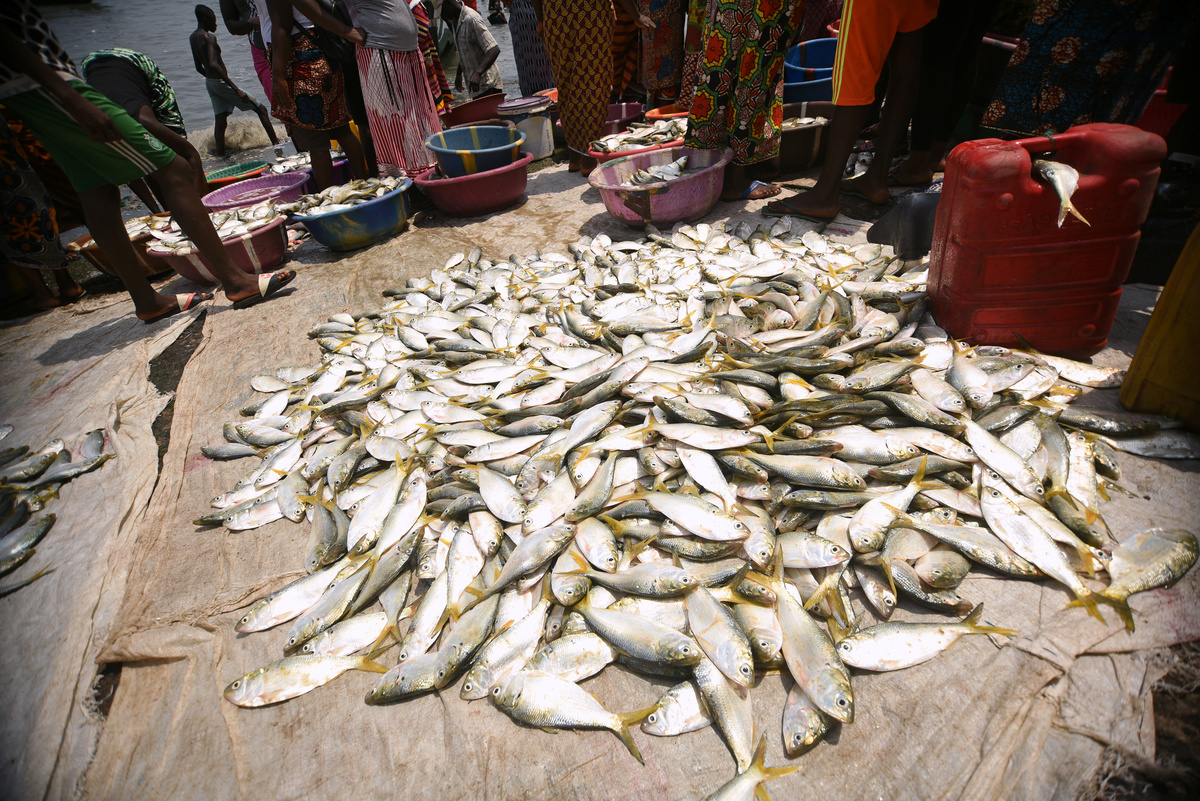
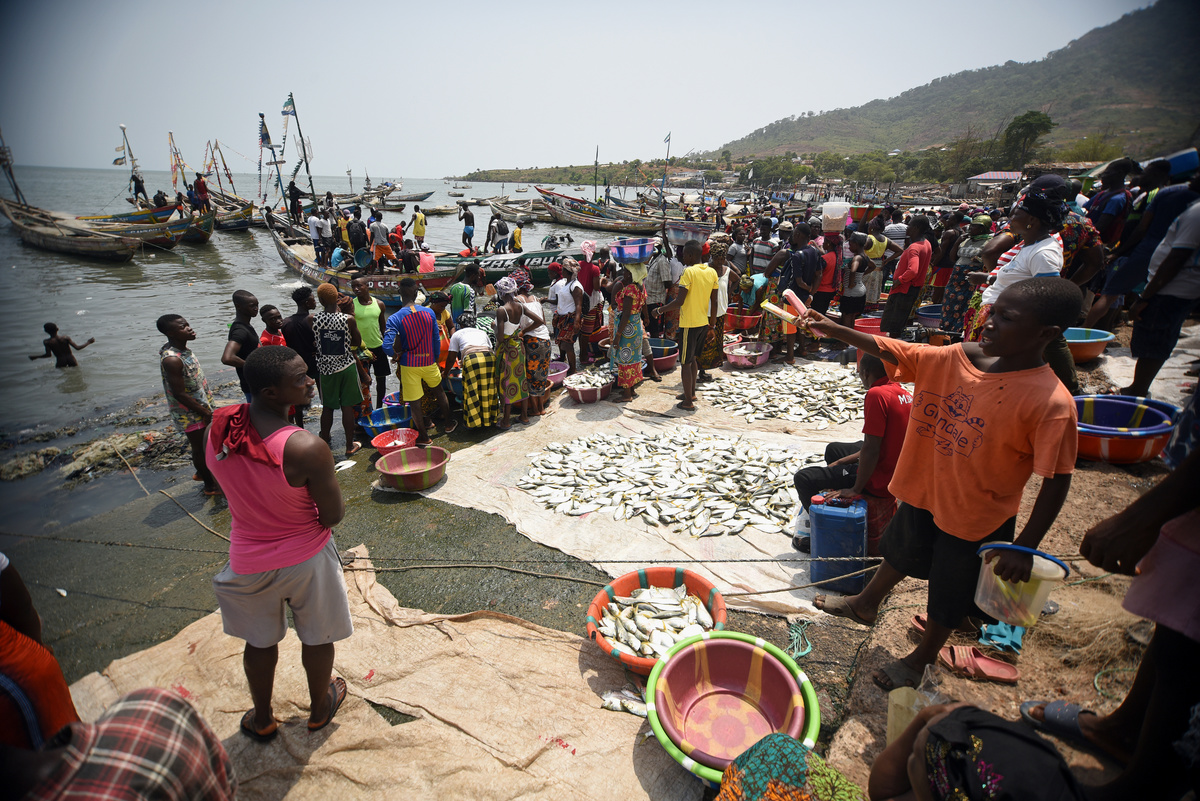
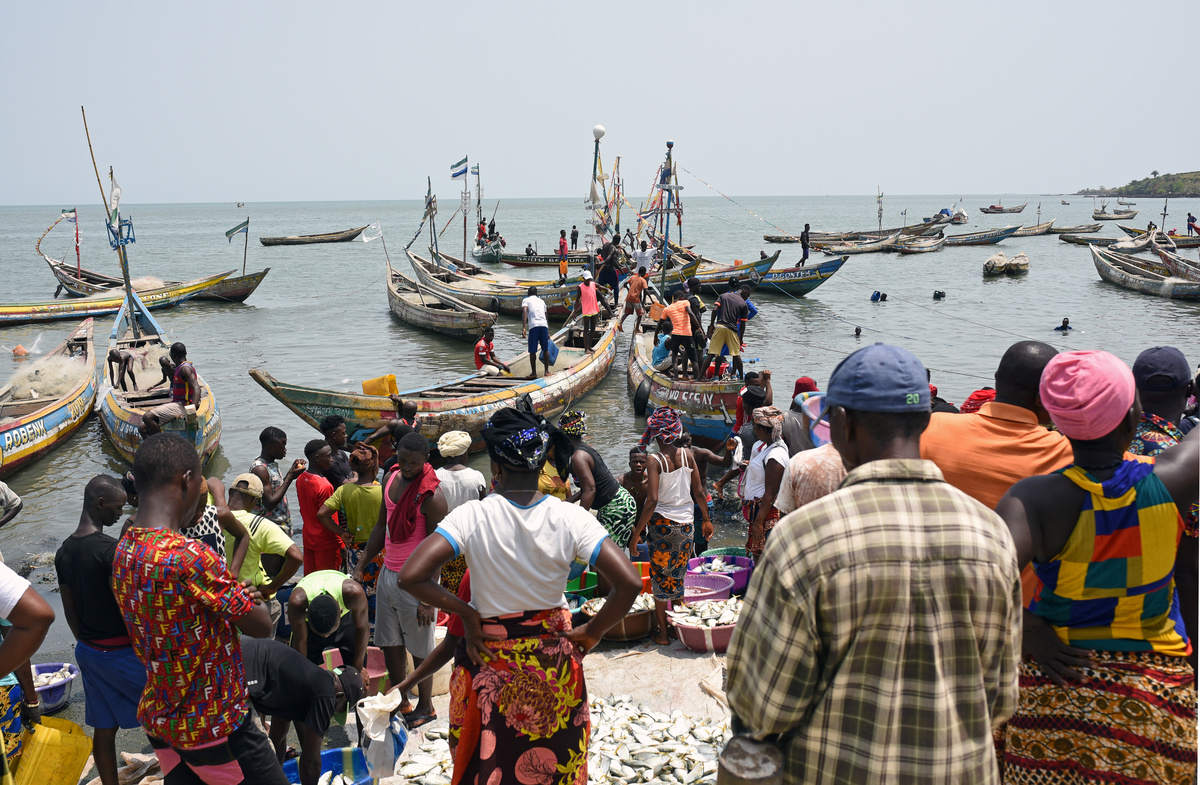
Fishermen working the bustling Tombu harbor, lined with plastic buckets and jerrycans filled with the day's catch of croaker, told Reuters that fluid seasonal migration patterns made it hard to judge whether fish stocks were recovering.
But several said big trawling firms seemed to have responded to the ban's announcement in March by stepping up their use of what the fishermen describe as predatory lending schemes that allow the companies to secure local fishermen's entire catches.
According to fishermen and harbor management staff, fishermen must reimburse the loans, which go toward nets and other expensive equipment, with their daily catch, which the companies undervalue by as much as a factor of four.
Many local fishermen say they have great need for such loans, often to replace nets damaged by the trawlers.
One such contract seen by Reuters between a fisherman and a South Korean-owned company called Chung Gang Fishing was signed on March 13, three days after the ban was formally announced. It gives the company exclusive rights to anything the fisherman catches until he has paid back a $600 loan.
Chung Gang Fishing representatives declined to comment.
“There's no other way that I can have so much cash in my hand at once, so of course I'm not going to say no,” said Sheik Sawyer, a Tombu fisherman who is still repaying a $700 loan he took out from a Chinese firm last month.
(Editing by Aaron Ross/Mark Heinrich)