Sierra Leone: law and order meets traditional justice – in pictures
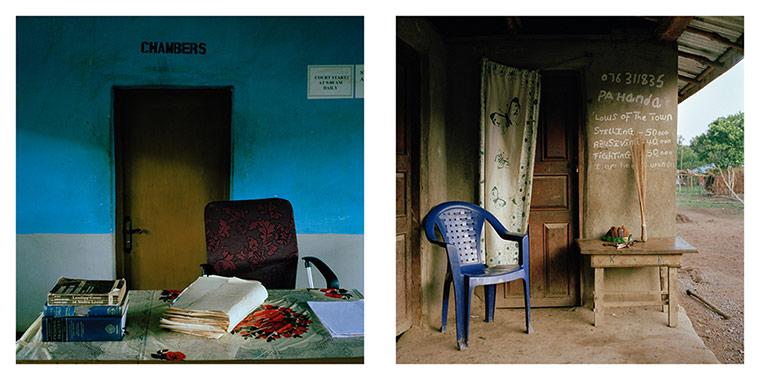
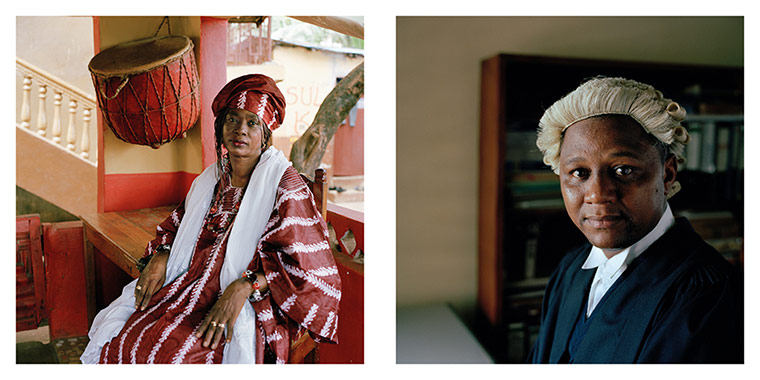
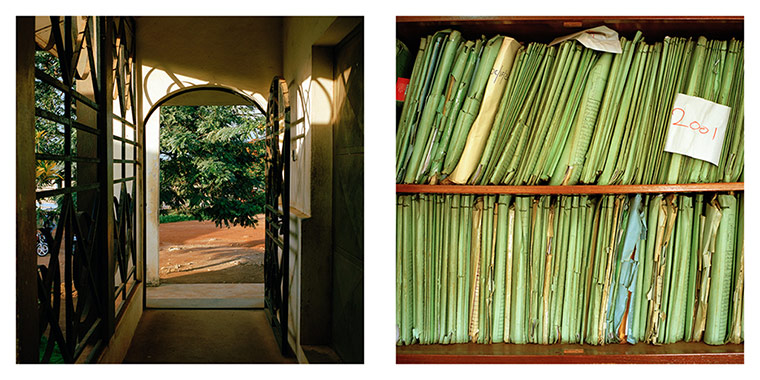
Left, case files and reference books sit on a desk during a recess at the magistrates court in Makeni. Right: The laws of the town written on the wall of Pa Kapr Wanda's house, the ceremonial chief of Masethele, in Bombali district. Daniel Sesay, programme officer at the NGO Namati, says: 'In Sierra Leone, we have a lot of places people go to seek justice. One of the places is to the traditional chiefs. About 70% of people rely on their traditional chiefs, because they’re just next door. You don’t need any protocol, you don’t need to write anything. You go to them and then the same day you have justice. And then you go back about your business'Photograph: Aubrey Wade/NamatiLeft: paramount chief Ya Alimamy Manu Kargbo presides over an informal court in Freetown. The court does not have jurisdiction to operate but remains popular and deals with cases daily. Right: Benedict Jalloh Esq, director of the Access to Justice Law Centre, in Makeni. Jalloh says: 'Historically, everyone relied on them [chiefs] for protection. And you cannot contest the one who protects you. In our work with paralegals, we have learned that when intervening in the justice systems in local communities, we have to involve the chiefs' Photograph: Aubrey Wade/NamatiLeft: The entrance to the high court in Makeni. Right: Paper records in the office of the investigator at the headquarters of the anti-corruption commission in FreetownPhotograph: Aubrey Wade/Namati
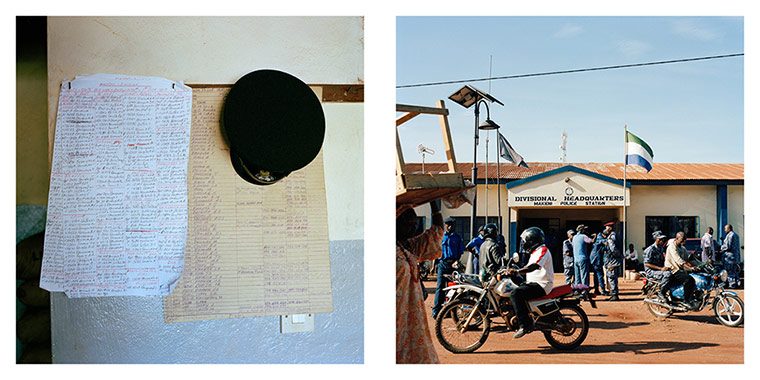
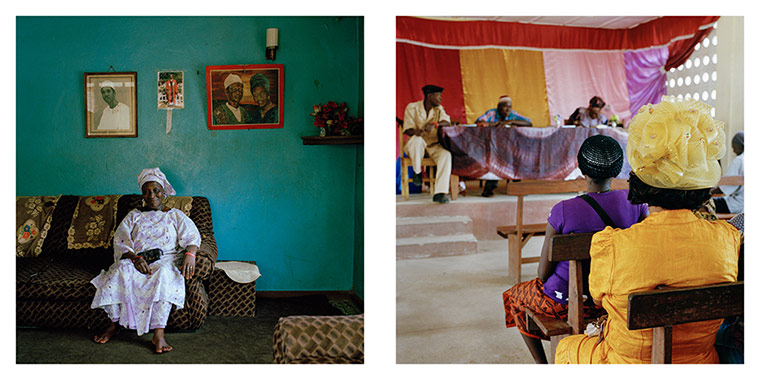
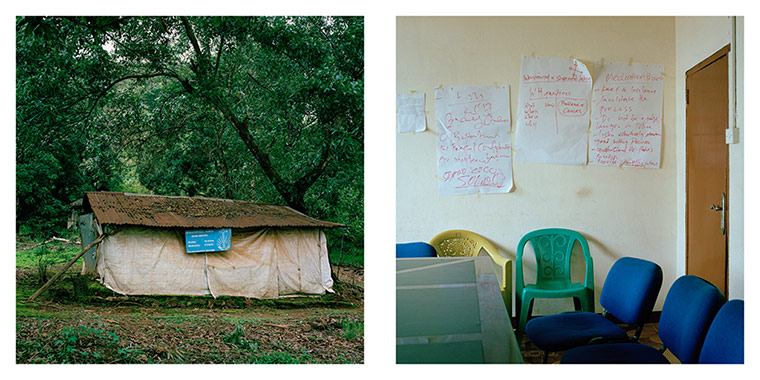
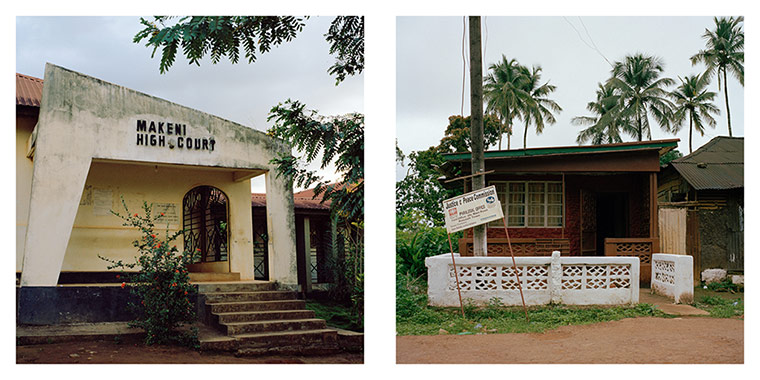
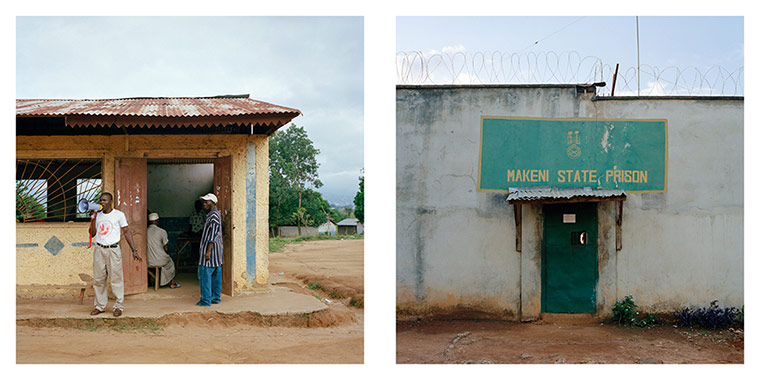
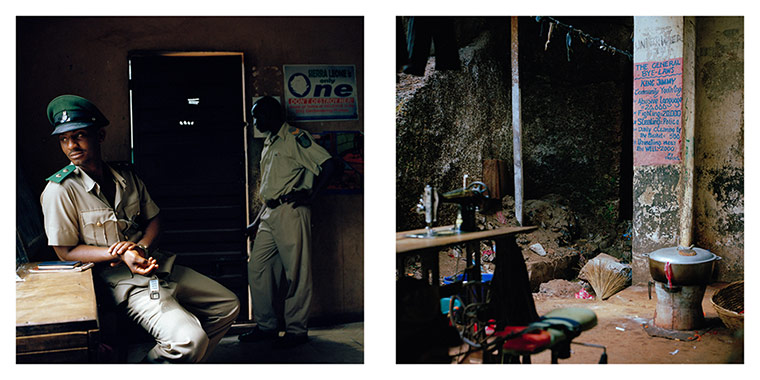
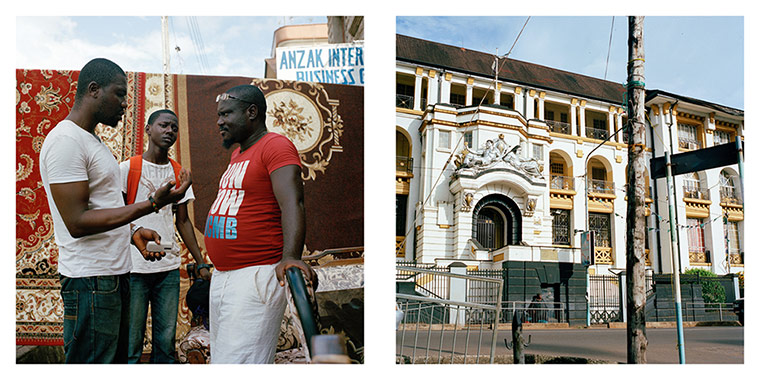
Left: A duty roster hangs on the wall at the divisional headquarters and central police station in Makeni. Right: The national flag flies at the entrance of the same building Photograph: Aubrey Wade/NamatiLeft: Yalmamie Sesay, the 'Mamie Queen' of Kissy Brook in Freetown, sits beneath portraits of her late husband in the living room of the apartment he built. Right: A local court, which hears matters of customary law, sits in Makeni. 'The truth is that lawyers don’t want to do everything that a paralegal will do. A lawyer will not travel for two hours to a village as part of a case. A lot of lawyers are not necessarily good at client care, they’re not able to spend that time in a prison supporting someone, or explaining a legal process, or make sure that a pregnant woman who’s in prison gets to go to hospital for medical treatment. That’s really the kind of work that community paralegals do,' says Sabrina Mahtani, co-founder and executive director of AdvocAid in Sierra Leone.Photograph: Aubrey Wade/NamatiLeft: The new apostolic church in the western region of Sierra Leone. Right: The conference room where mediations are conducted at the Access to Justice Law Centre, a Namati partner organisation, in MakeniPhotograph: Aubrey Wade/NamatiLeft: Entrance to the high court in Makeni. Right: The justice and peace commission's paralegal office in Kossoh. Andrew Kponeh, lead paralegal at the justice and peace commission in Kossoh, says: 'Us paralegals, we have some knowledge in community laws, customary law, and also we have some knowledge in formal law. So we interface between these two justice sectors.'Photograph: Aubrey Wade/NamatiLeft: A community member uses a megaphone to call people to attend a community rights meeting organised by paralegals in the village school in Rogbangba. Right: Entrance to the Makeni state prisonPhotograph: Aubrey Wade/NamatiLeft: Prison officers in the entrance hall of the Makeni state prison. Right: A sign painted on the wall of the old King Jimmy market place indicates the bylaws of the King Jimmy Youth organisationPhotograph: Aubrey Wade/NamatiLeft: The chairman of the Belgium Sellers Association hears concerns from two members before passing judgment on a dispute. Right: Law courts building in FreetownPhotograph: Aubrey Wade/Namati
Sign up to read this article
Read news from 100’s of titles, curated specifically for you.