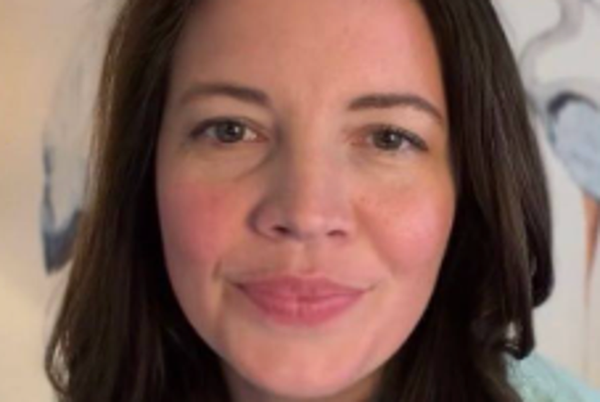
It’s great when your side hustle complements your day job, but it’s more rewarding when it has a positive effect on your community. To this end, Farah Sheikh, project manager at Squarespace, founded Feed & Foster (F&F).
A quarterly dinner series Sheikh runs in her New York City home, F&F connects diverse women working in fast-paced industries – such as technology, design and advertising – for peer mentorship. Here, she discusses her inspirations and challenges, and gives advice on building a community.
What motivated you to start F&F?
I’ve worked at tech-focused companies where I respected leadership, but felt they couldn’t give me career advice that was actionable and true to my experience as a young woman of color. I knew outspoken, smart, strong women who felt similarly. I’ve always been passionate about food and cooking and believe the best way to bring people together is to share a meal. It’s more intimate than after-work drinks or a networking event.
What has surprised you most during the process?
When I first started, I worried that I might annoy people or that they would just participate out of courtesy. But at every dinner, we have at least two or three new women. The feedback has been overwhelmingly positive with people eager to return. It’s surprising when people get something out of a project that is so dear to you. You realize it’s not just for you, that there’s a need for this community and connection.
How structured are these dinners?
The first was unstructured, because I didn’t know how to direct the conversation and worried that too much structure would be intimidating. It ended up going very well, but we got away from talking about careers and more about our personal lives.
Now, I write career-focused questions on slips of paper and leave them on the table. As the night goes on, everybody selects one and people are encouraged to share their experiences. I try to focus the conversation with questions like: “How do you manage feedback that you don’t find helpful?” The dinner is career-focused, but there’s a lot of flexibility in how people interpret and answer the questions.
Do you send out a guest list beforehand?
No, because that feels like a networking event. I want people to come because they genuinely want to build a community.
What challenges have you faced?
When things in my life get really busy, maintaining a positive approach to the planning process is difficult. Not only am I cooking for ten people, I’m also opening my home. That can be a very exhausting thing if you’re not in the right frame of mind. The logistics are a challenge. I can’t fit more than ten people in my apartment, but I also don’t want to give up the small feel of it. It’s this weird balance of growing responsibly while maintaining the feel and intent in a way that isn’t too much for me to take on.
How do you overcome the challenges?
The conversation that happens during these events makes it worth the effort. I have a friend who’s come to all three and every time we hang out outside of F&F, she wants to talk about what it’s going to grow into and what my vision is. Having those conversations and thinking how amazing it would be if I could make F&F exactly what I wanted is something that keeps me inspired.
Do you know anyone else who is doing something similar?
There are tons of women in tech and [at] networking events, but F&F is different, because it’s based on peer mentorship and shared experiences. With networking, I feel like a shark hunting one influential person. I shake their hand, give them a business card, and it never comes to fruition. F&F, on the other hand, has a different approach to mentorship. Instead of having someone senior to you give advice, you have allies who are going through what you are, whether it’s a challenge or positive thing.
Given the well documented issues surrounding women in tech, how do you keep conversations positive?
A conversation doesn’t need to be positive to be productive. To simply be heard and to feel a sense of camaraderie in response to a shared struggle is already so great. The conversations are always productive because everybody shares concrete personal examples, and how they dealt with them. Everybody is invested in giving advice as well as asking for it.
What advice would you give other women who are interested in building a community?
To build a strong community, just look at yourself, see how you identify, what you need more of in your life, and then go from there. Don’t push it to be something that doesn’t feel natural, because it becomes much harder to create and maintain that community.
This content is brought to you by Squarespace. Receive 10% off your new Squarespace signup with offer code SIDEHUSTLE