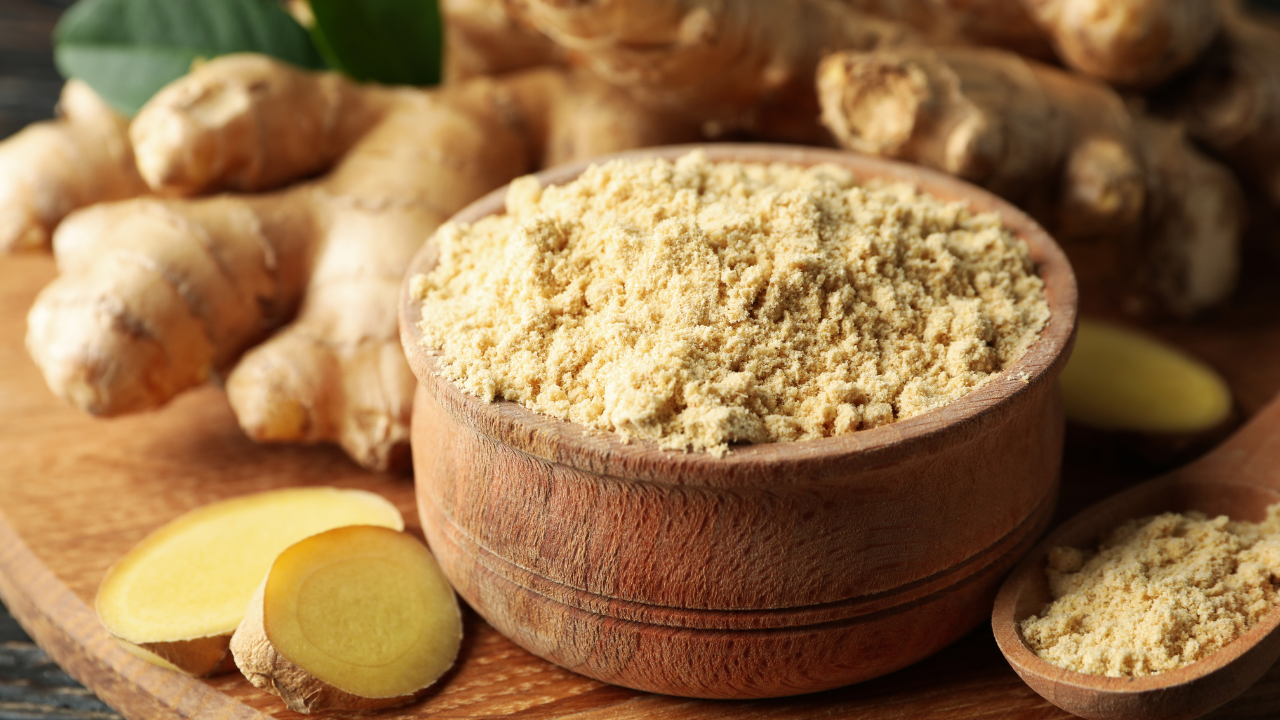
People praise ginger for its health advantages, which range from relieving gastrointestinal problems to lowering inflammation. Like every natural therapy, there are drawbacks to this one as well. Few are aware of the possible negative consequences of ginger, despite the fact that many like it for its flavour and therapeutic qualities. Knowing about these impacts is important, particularly if we routinely eat ginger.
Potential for blood thinning
Ginger is known for its anti-inflammatory properties, but it also has blood-thinning effects, which can be a double-edged sword. According to a study published in ‘Plos One’, ginger can inhibit platelet aggregation, which is the process that helps blood clot. While this can be beneficial in preventing heart attacks and strokes, it can also increase the risk of bleeding, particularly in people taking blood-thinning medications like aspirin.
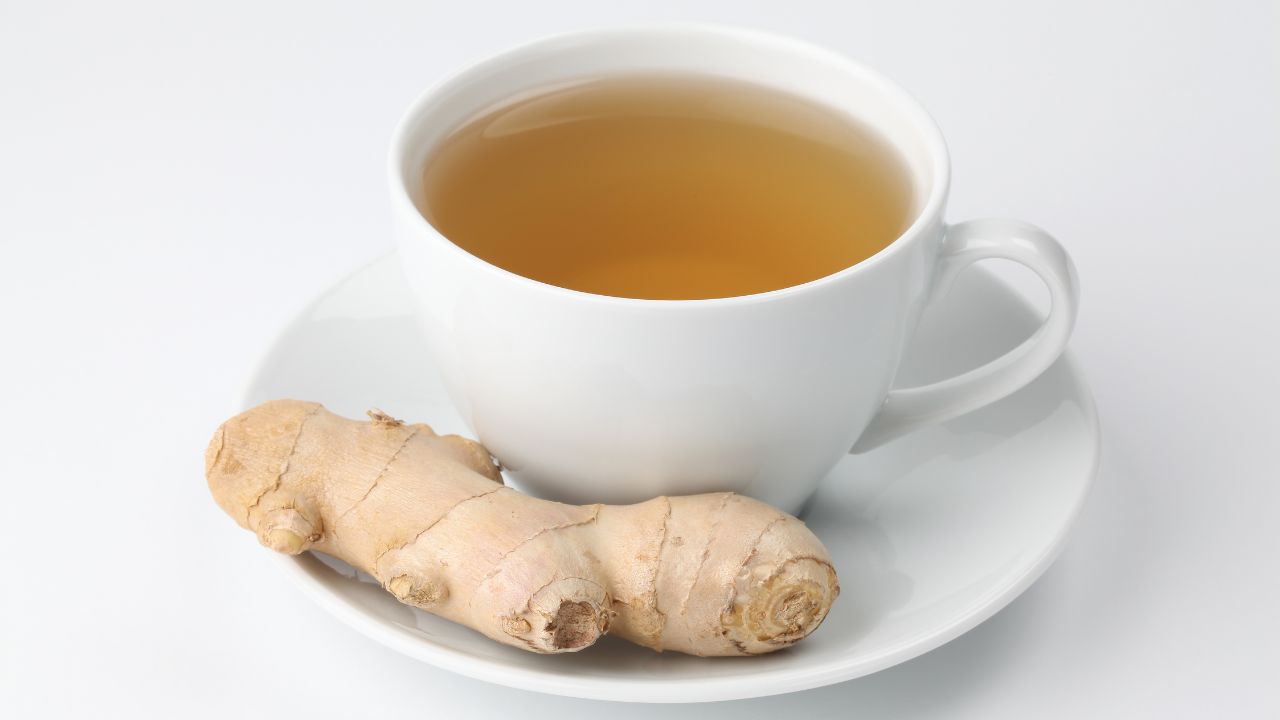
May cause digestive discomfort
Ginger is often praised for its ability to soothe the stomach, but in some cases, it can have the opposite effect. Consuming ginger in large quantities can lead to digestive discomfort, including heartburn, gas, and diarrhoea. A study published in Food Science and Nutrition highlighted that while ginger aids digestion for many, it can irritate the stomach lining in sensitive individuals, leading to gastrointestinal distress.
Possible interaction with medications
Ginger can interact with various medications, leading to unintended side effects. According to research in the International Journal of Endocrinology and Metabolism, ginger may interfere with drugs that regulate blood sugar and blood pressure. It can enhance the effects of diabetes medications, potentially causing hypoglycemia (low blood sugar). Ginger may lower blood pressure too much in people already taking antihypertensive drugs, leading to dizziness or fainting.
Risks of an allergic reaction
Though rare, some individuals may be allergic to ginger. Symptoms of a ginger allergy can range from a mild rash to more severe reactions like difficulty breathing. It's essential to be cautious if you suspect you might be allergic to ginger.
Potential issues during pregnancy
Ginger is often recommended to pregnant women to help with nausea and morning sickness. Excessive consumption can lead to complications. According to a study in the US National Library of Medicine, while moderate amounts of ginger are generally safe, consuming high doses may increase the risk of miscarriage or affect fetal development. The study suggests that pregnant women should limit their ginger intake to avoid these potential risks.