
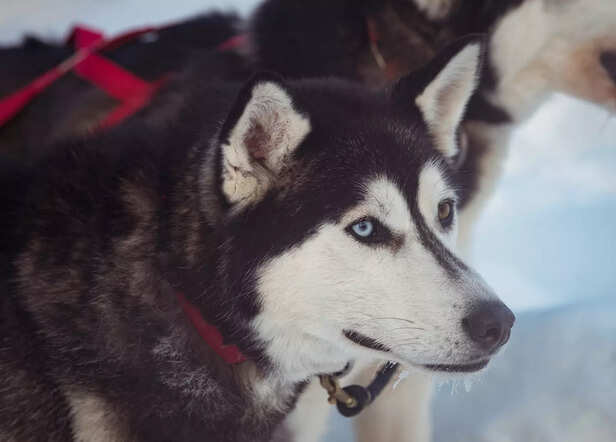
Husky Traits and Characteristics
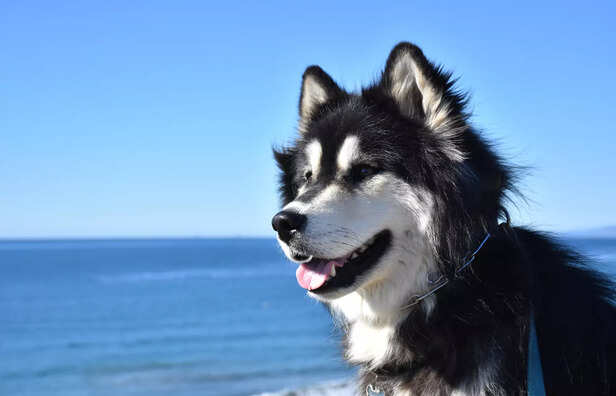
- Extremely energetic. Loves to run (they make great jogging companions).
- Weight: Male 45–60 pounds (20–27 kg), Female 35–50 pounds (16–23 kg).
Height: Male 21–24 inches (53–61 cm), Female 18–20 inches (46–51 cm).
- Coat: Thick double coat – thick undercoat and soft outer coat. We cannot stress this enough.
- Color: White, Agouti, Black, Piebald, Black & Tan, Splash, Black & White, Silver, Red, Copper, Brown, Sable, Grey. Amazing physical endurance.
- Life span: 12–15 years.
- Highly social : huskies are quick to make friends with complete strangers.
- High predatory instincts : Preys on smaller animals like squirrels and birds but does not exclude cats (depending on the individual dog some have been known to live happily alongside a feline companion)
Siberian Huskies are independent, athletic, and intelligent. Despite their relatively gentle demeanor and affectionate behavior, they are not easily trained.
Siberian Husky Eyes
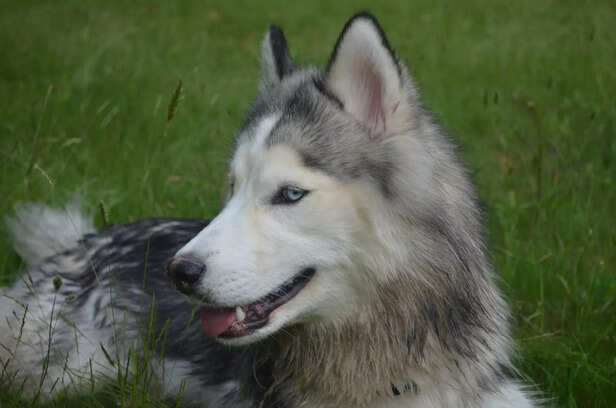
In addition to the splendid variety of coat colors available, Siberian Huskies may also have a variety of eye colors. As with coat color, all colors and color combinations are acceptable, no color should be given preference in the show ring. Perhaps their most enchanting feature is their eyes blue, brown, or one of each. This distinctive trait adds to their mystical charm, captivating the hearts of all who meet them.
Siberian Husky Coat Types and Colors
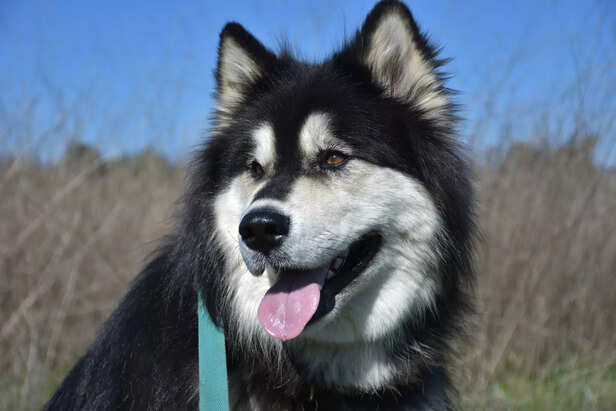
A Siberian Husky’s coat is thicker than that of most other dog breeds, comprising two layers: a dense undercoat and a longer topcoat of short, straight guard hairs that require grooming. It protects the dogs effectively against harsh Arctic winters, but the coat also reflects heat in the summer. It is able to withstand temperatures as low as −50 to −60 °C (−58 to −76 °F). The undercoat is often absent during shedding. Their thick coats require weekly grooming. Siberian Huskies come in a variety of colors and patterns, usually with white paws and legs, facial markings, and tail tip. The most common coats are black and white, then less common copper-red and white, grey and white, pure white, and the rare “agouti” coat, though many individuals have blondish or piebald spotting. Striking masks, spectacles, and other facial markings occur in wide variety.
Siberian Husky Behavior
Siberian Huskies howls rather than barks. They have been described as escape artists, which can include digging under, chewing through, or even jumping over fences. Because the Siberian Husky had been raised in a family setting by the Chukchi and not left to fend for themselves they could be trusted with children. The ASPCA classifies the breed as good with children. It also states they exhibit high energy indoors, have special exercise needs, and may be destructive “without proper care”. Siberian Huskies have a high prey drive due to the Chukchi allowing them to roam free in the summer. The dogs hunted in packs and preyed on wild cats, birds, and squirrels, but with training can be trusted with other small animals. They would only return to the Chukchi villages when the snow returned and food became scarce. Their hunting instincts can still be found in the breed today. Huskies are known for a few other distinctive characteristics as well. They’re notorious howlers you can hear a Husky’s voice carry for miles. And these dogs often have striking blue eyes.
Celebrate the bond with your pets, explore Health & Nutrition, discover Breeds, master Training Tips, Behavior Decoder, and set out on exciting Travel Tails with Times Pets!
Frequently asked questions (FAQs)
-
Can Siberian Huskies live in warm climates ?
Yes, Siberian Huskies can live in warmer regions if they receive proper care. They need plenty of shade, fresh water, and limited activity during hot weather because their thick coat is designed for cold climates.
-
Are Siberian Huskies good family dog ?
Yes, Siberian Huskies are friendly, playful, and social dogs. They usually get along well with families and children, but they require regular exercise and attention due to their high energy levels.
-
Are Siberian huskies good sled dogs ?
Yes, Siberian Huskies are one of the best sled dog breeds. They are known for their endurance, teamwork, and ability to pull sleds over long distances in harsh Arctic environments.