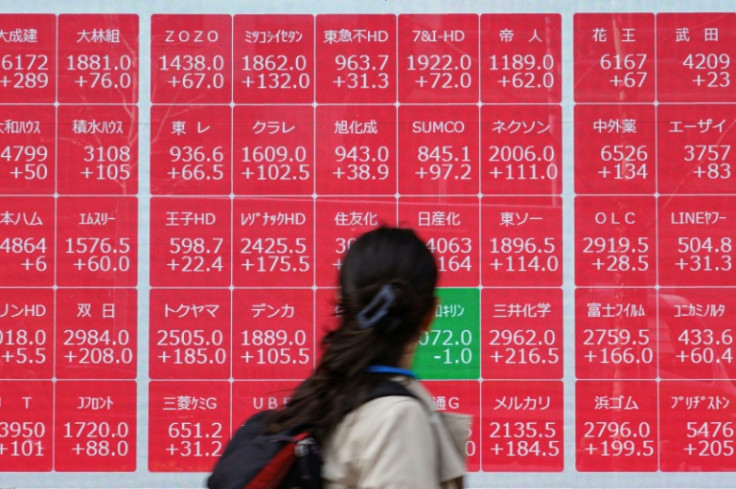
Global markets turned higher Thursday after Washington reopened for business. The 43-day federal shutdown, the longest in U.S. history, ended late Wednesday, giving traders some relief and removing a major political risk that had weighed on sentiment for weeks.
In Asia, investors reacted with cautious optimism. Japan's Nikkei index rose slightly, supported by a weaker yen that helped exporters. Mainland Chinese stocks gained as investors bet on consumer spending and infrastructure growth. Hong Kong's Hang Seng fell, pulled down by weakness in property and technology shares. The uneven performance reflected a market still on edge after weeks of volatility.
The yen slipped against the dollar, prompting talk among traders about whether Japan might step in if the decline continues. The dollar was firm across most Asian currencies as risk appetite improved. Gold prices steadied near recent highs, showing that some investors remain wary despite the rebound in equities.
The end of the shutdown means long-delayed U.S. economic reports will soon return, including inflation, jobs and retail sales data. Those numbers will help shape expectations for the Federal Reserve's next policy meeting. With data missing for much of the past month, analysts say policymakers face uncertainty as they gauge how the economy has weathered the disruption.
While the reopening ends a period of gridlock in Washington, investors are already focused on what comes next. Economists say the shutdown likely slowed U.S. growth in the final quarter as consumer spending cooled and federal paychecks were delayed. That could affect Asian exporters who rely on American demand.
Traders across Tokyo, Seoul and Singapore described the mood as one of relief but not celebration. The resumption of federal operations removes a key drag on confidence, yet markets are braced for potential surprises once fresh U.S. data start rolling out.
For now, investors see the end of the shutdown as a temporary reprieve rather than a turning point. The global rebound may extend through the week, but its strength will depend on whether the world's largest economy can prove it is truly back on track.