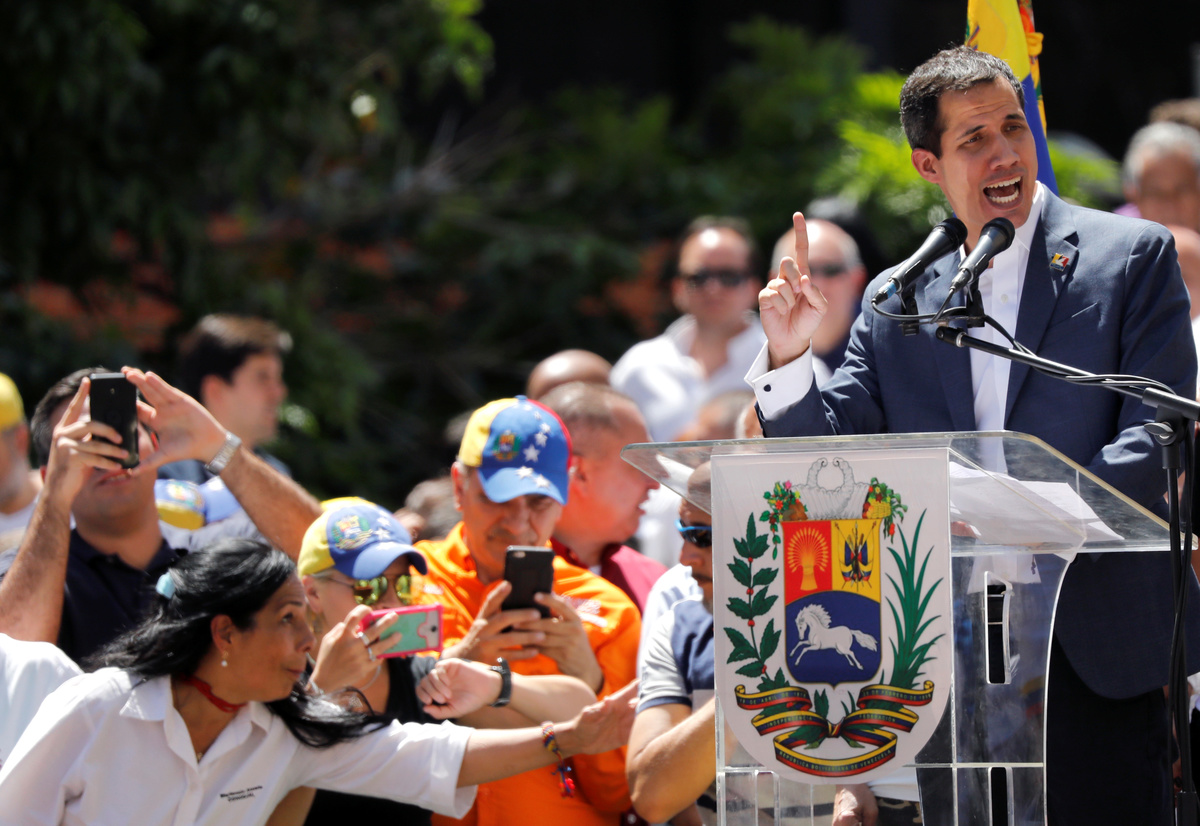
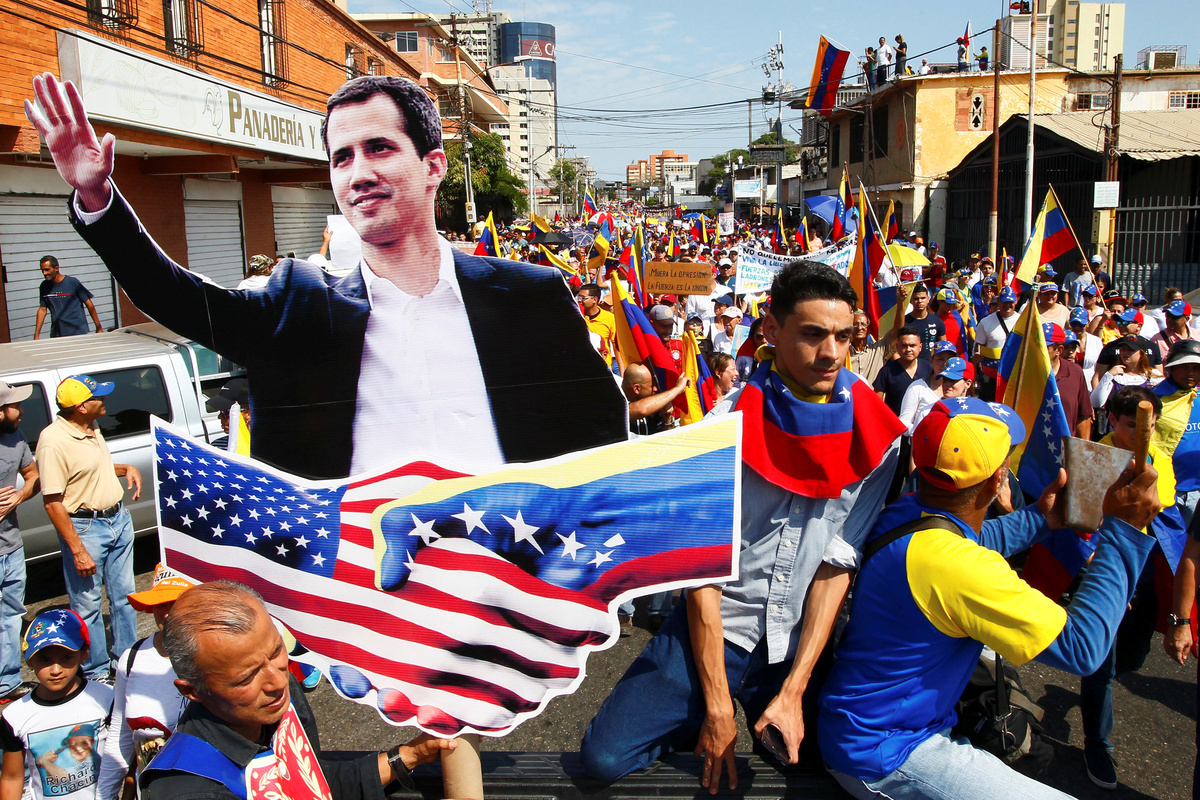
CARACAS (Reuters) - Venezuelan opposition leader Juan Guaido told a huge rally of supporters on Tuesday that humanitarian aid would enter the country on Feb. 23, setting the stage for a showdown with President Nicolas Maduro who has refused to let supplies in.
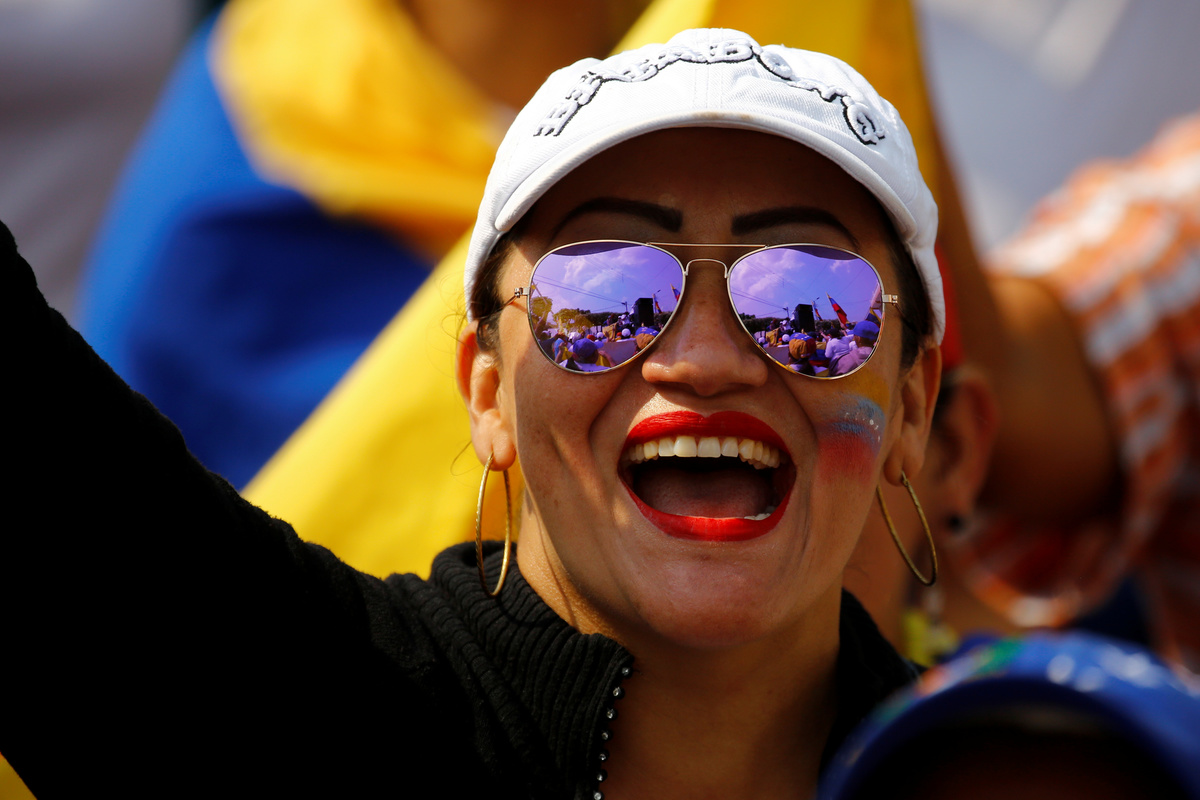
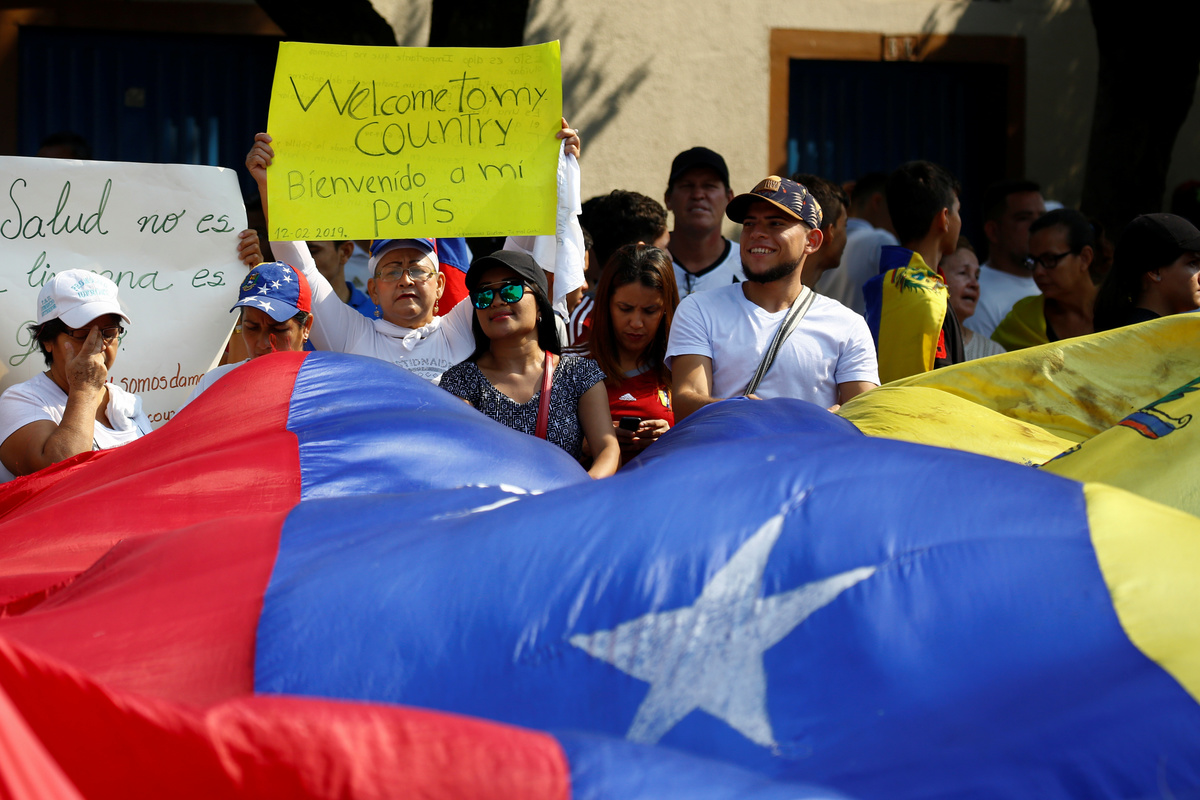
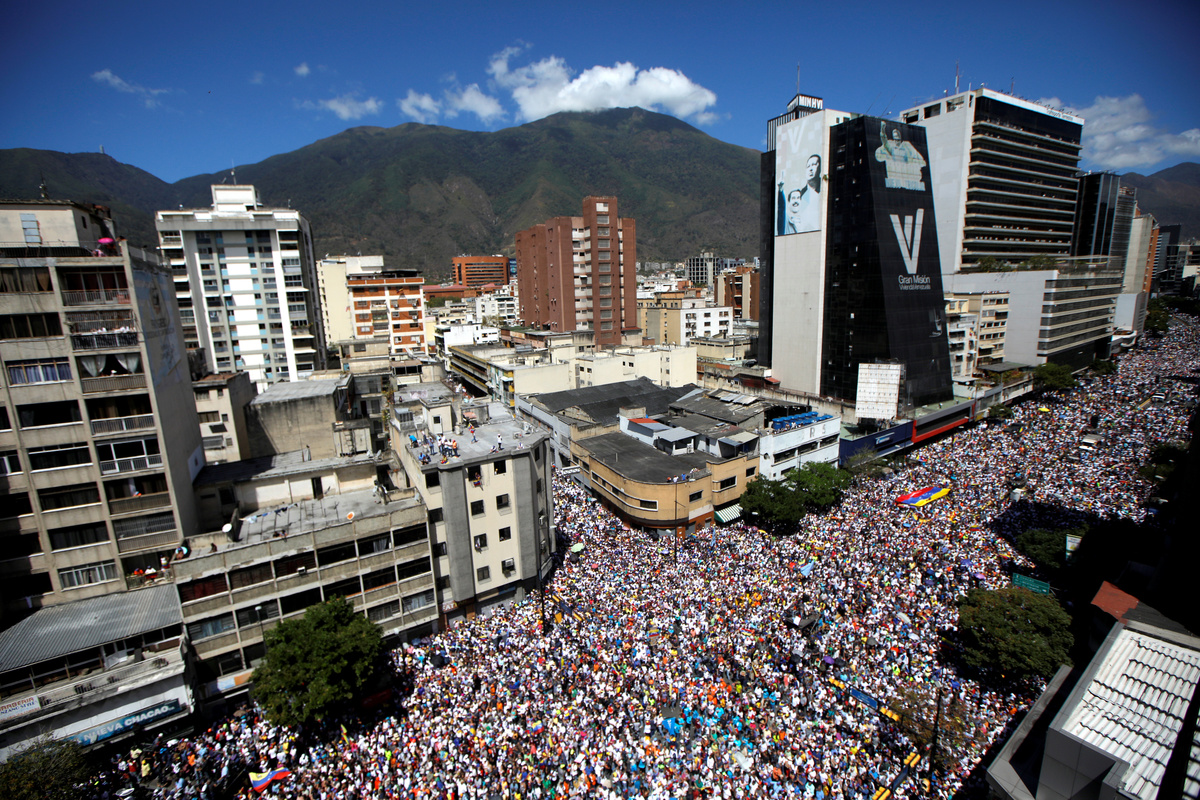
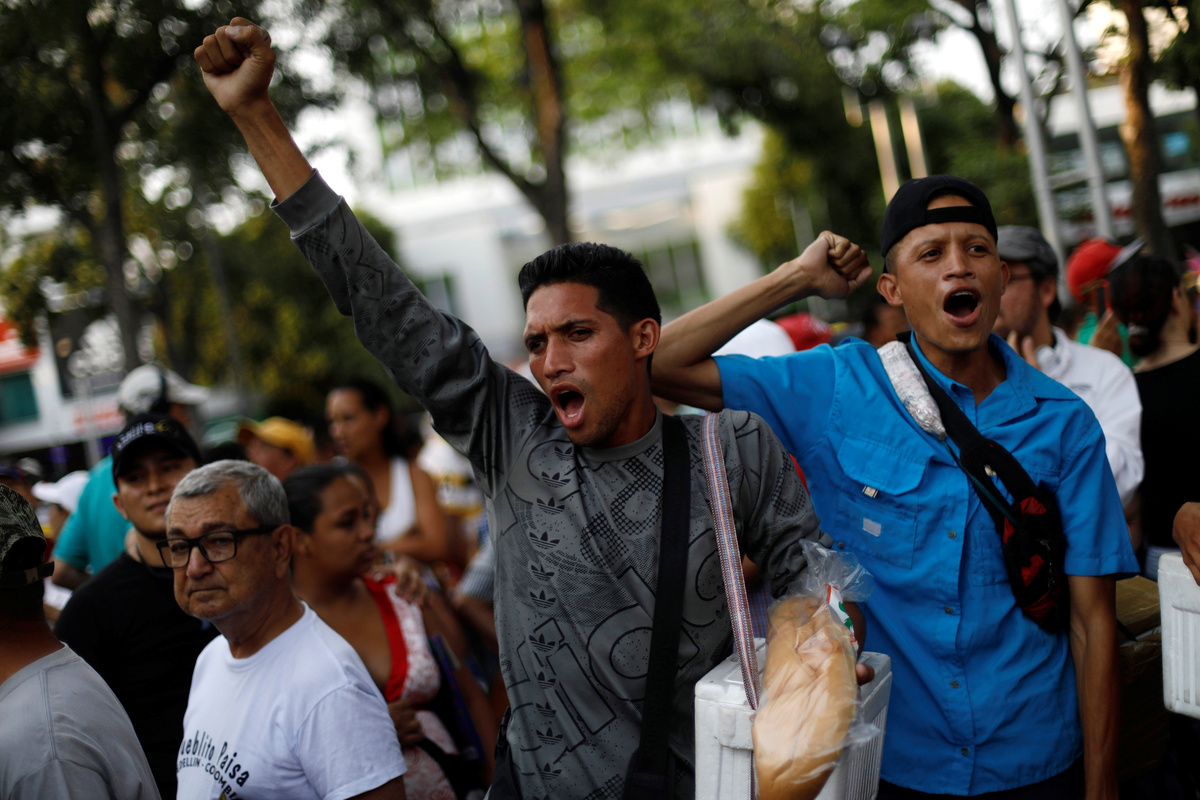
Tens of thousands of protesters had taken to the streets to demand that Maduro allow aid into Venezuela, where food and medicine shortages are rife.
Guaido invoked a constitutional provision to assume the presidency three weeks ago, arguing that Maduro's re-election last year was a sham. Most Western countries, including the United States, have recognised Guaido as Venezuela's legitimate head of state, but Maduro retains the backing of Russia and China as well as control of state institutions including the military.
An aid convoy supplied by the United States and Colombia arrived in the Colombian border town of Cucuta last week, where it is being held in warehouses. A Venezuelan opposition envoy has also said Brazil's government would try to get humanitarian aid to the border.
Maduro has denounced the aid as a U.S.-orchestrated show to overthrow his socialist government and said it will not be let into the country. He has demanded instead that Washington lift economic sanctions that it has ratcheted up in recent weeks.
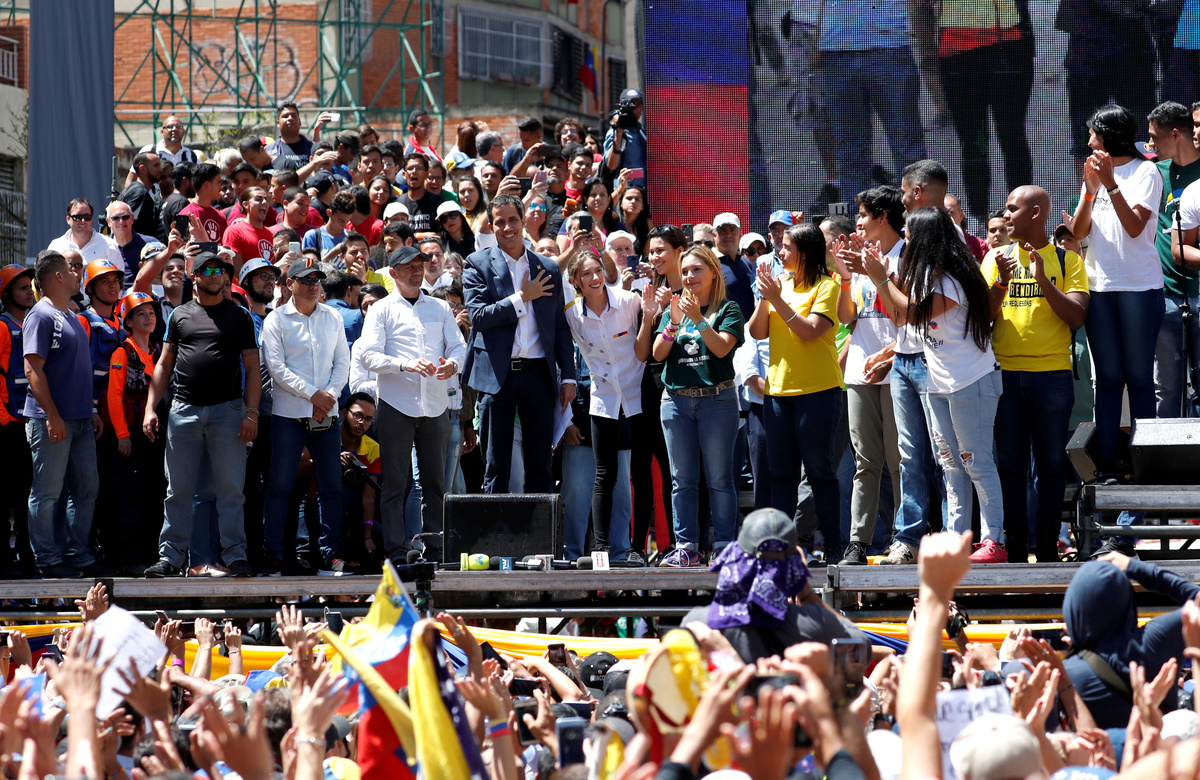
On Tuesday, Guaido said he was issuing a "direct order" to the armed forces to allow the aid in, though so far there are not clear signs the military would disobey Maduro. Guaido did not specify from where aid would enter, but said the opposition would go in a convoy to safeguard the supplies.
"Put yourselves on the side of the constitution, but also on the side of humanity," Guaido said, in a message directed at the military. "Feb. 23 will be the day for the humanitarian aid to enter Venezuela, so from today we will have to get organised."
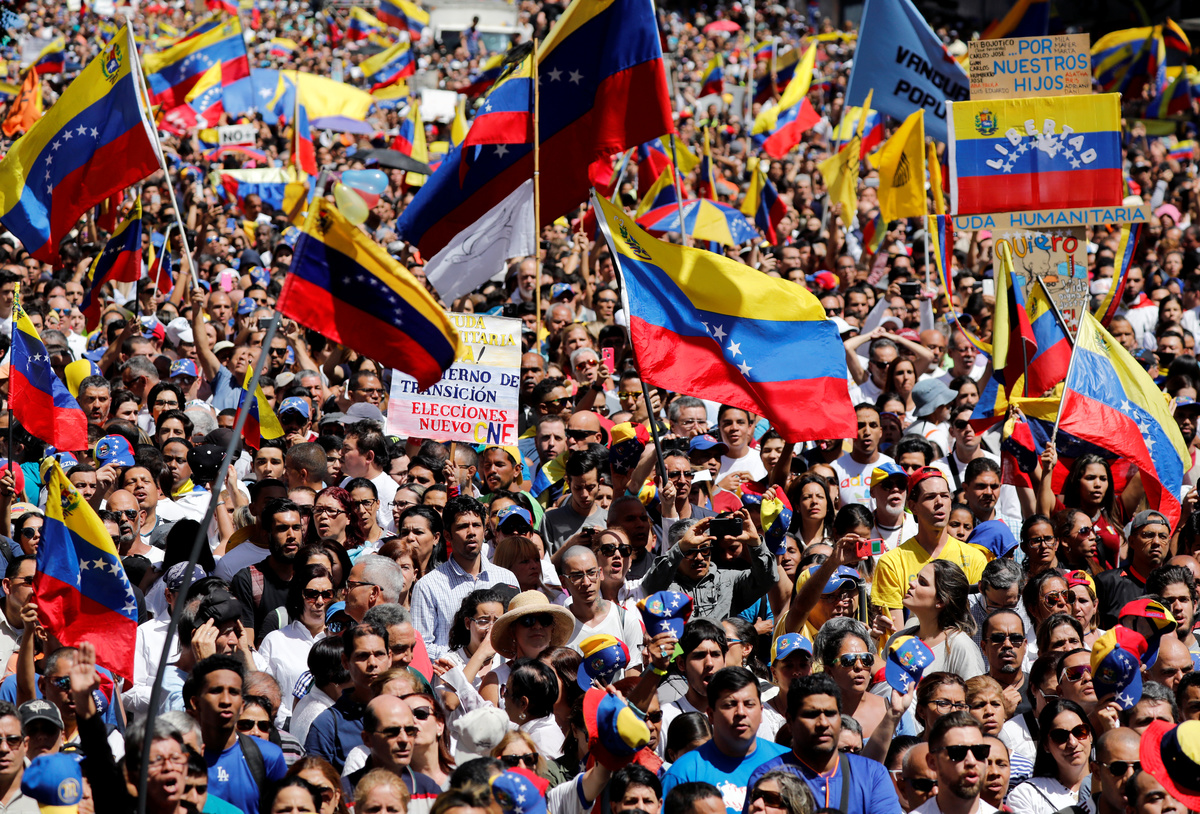
Draped in Venezuelan flags, his supporters carried signs saying "No more dictatorship," and "Leave the country, damned tyrant." One bore a wooden cross to symbolize how Maduro was "crucifying the Venezuelans," he said.
Juan Carlos Bolivar said he wanted the government out, adding that his 49-year old sister had uterine cancer and had not been treated for six months because of a lack of medicine.
"We have brought her home because the hospitals are collapsed. We are waiting for humanitarian aid to see if this medicine arrives," he said.
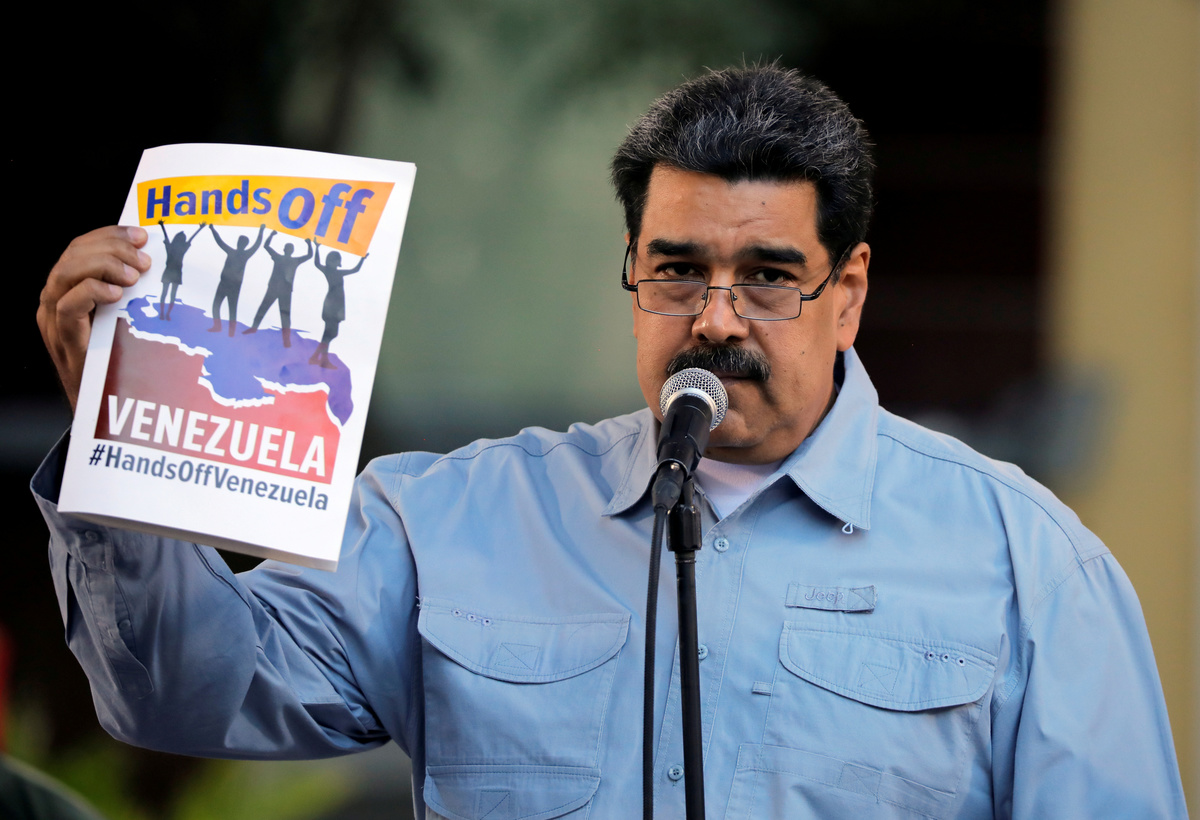
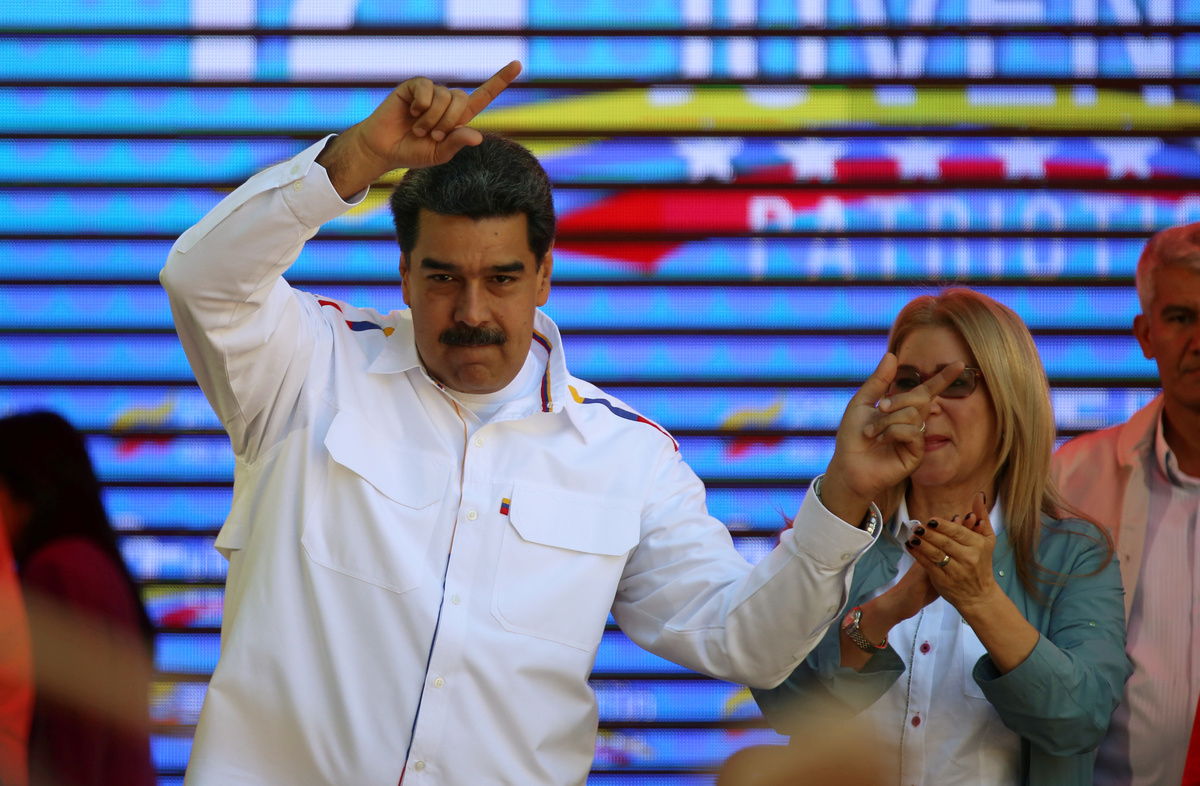
Maduro denies there is a humanitarian crisis and says Venezuelans are not beggars. He addressed a smaller rally of several thousand government supporters in Caracas on Tuesday.
"We all want peace for Venezuela and for the drums of war to go away," he told a crowd that included many public employees, some holding "Defend the Country" banners.
The administration of U.S. President Donald Trump has said all options are on the table for Venezuela and has not ruled out military intervention, although it says its aim is "a peaceful transfer of power."
"We are here supporting the revolution, we are against the invasion the gringos want," said Marcos Velasquez, 32, a worker at the food ministry.
POLITICIZING AID?
Guaido, who has galvanized the opposition after several years of in-fighting and government crackdowns, vows to keep calling protests to pressure Maduro to step down so new presidential elections can be held.
"I'll be on the streets until this is over," said Cecilia Navarrete, 50, at his rally on Tuesday. Her brother, sister and father are among the estimated several million who have emigrated in recent years, fleeing the crisis.
On Venezuela's border with Colombia, smaller opposition protests formed. In the town of Urena, across from Cucuta, several hundred people dressed in white danced in the streets, waving flags and chanting profanities against top government officials.
"We want a prosperous Venezuela, as it was before," said Mery Marin, a 25-year-old electrician.
Maduro's adversaries say he has run roughshod over democratic institutions and ravaged the nation's economy through nationalizations and a corruption-riddled exchange control system. Maduro's government counters that it is victim of an "economic war."
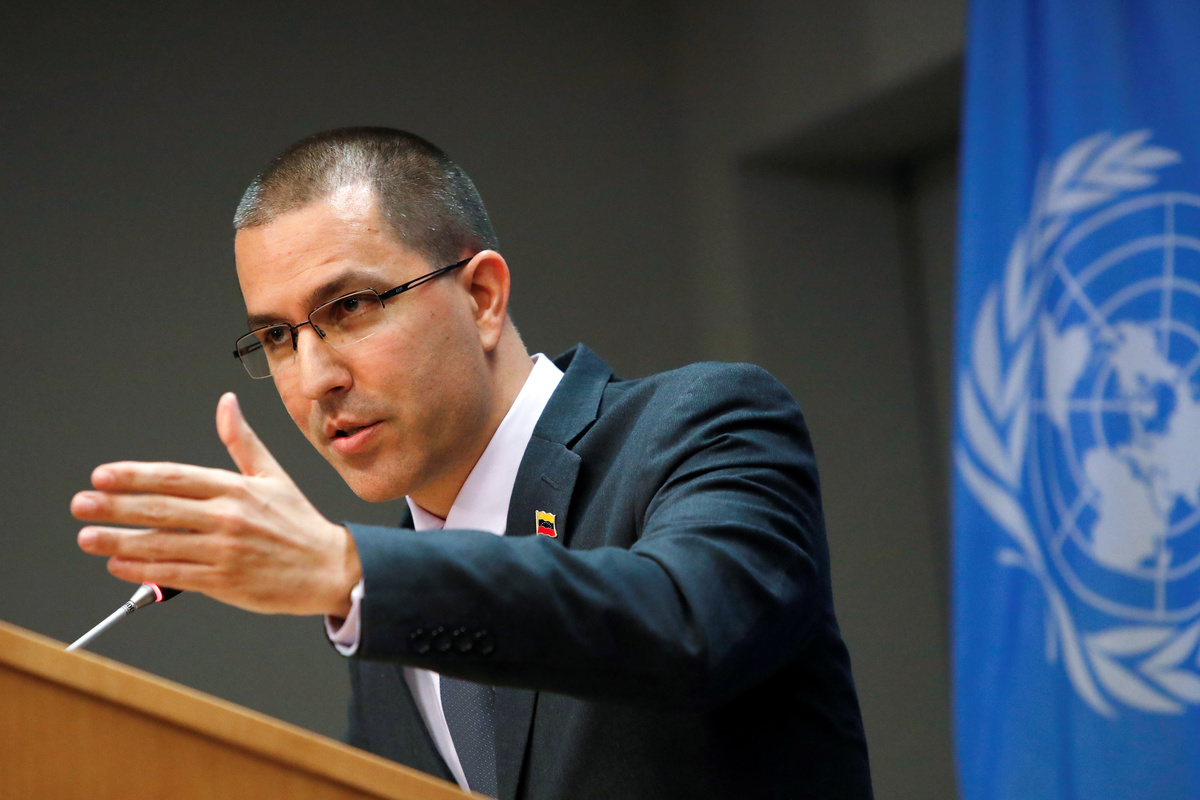
"We have asked the U.N. and the world to promote the lifting of sanctions and to get rid of the blockade against Venezuela," Foreign Minister Jorge Arreaza told a news conference on Tuesday, after meeting with United Nations Secretary-General Antonio Guterres.
Last week, the U.N. warned against politicizing aid in Venezuela after the United States accused Maduro of blocking the delivery of food and medicine.
(Reporting by Sarah Marsh and Deisy Duitrago; Additional reporting by Anggy Polanco in Urena and Michelle Nichols at the United Nations; Writing by Angus Berwick; Editing by David Gregorio and Rosalba O'Brien)