
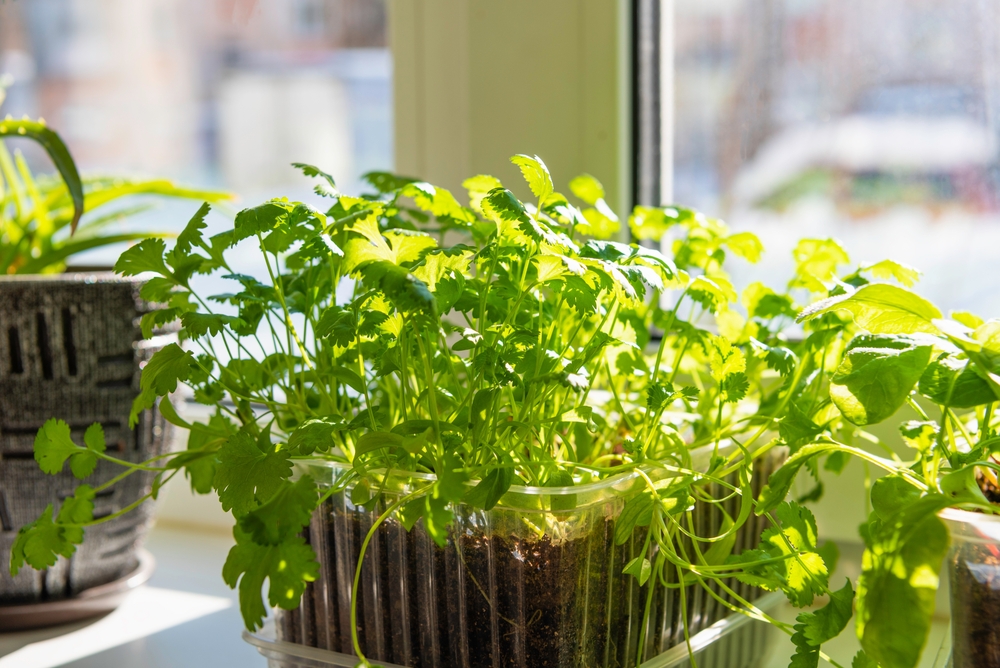
Cilantro has a reputation for making a sudden exit when summer temperatures climb. One week, the plant looks lush and ready for tacos, salsa, and a heroic amount of fresh garnish. The next week, it shoots upward, produces delicate flowers, and seems determined to turn the entire garden into a seed-production facility. So, should you stop it, or should you let cilantro go to seed in hot weather? The answer depends on whether the goal involves more leafy cilantro right now or more cilantro plants later.
Hot weather usually pushes cilantro toward flowering and seed production, a process gardeners often call bolting. Once the plant makes that shift, the leaves often become smaller, more delicate, and less appealing for regular harvests. That does not mean the plant has failed. In fact, those flowers and seeds can give the garden another useful harvest, especially if the gardener knows when to stop picking leaves and start collecting seeds.
Hot Weather Changes Cilantro’s Priorities
Cilantro prefers cool growing conditions, and warm weather can quickly push it toward reproduction. As temperatures rise, the plant starts sending up taller flower stalks instead of continuing to produce the dense leafy growth that makes it so useful in the kitchen. The leaves may develop a stronger flavor, and the plant can look lanky rather than lush. Once flowering begins, cutting off every flower stalk rarely turns the plant back into the compact herb it once was. The plant has already shifted gears, and summer has essentially rung the dinner bell for seed production.
That shift frustrates gardeners who planted cilantro for fresh leaves, but it also creates an opportunity. Small white or pale pink flowers can attract pollinating insects, adding a little activity to an otherwise hot garden bed. If the plant produces seeds, those seeds can become the spice commonly known as coriander. In other words, one plant can provide leafy cilantro first and a completely different kitchen ingredient later.
Let It Go to Seed When Seeds Matter
Letting cilantro flower makes sense when the goal involves collecting seeds for future planting. Allow the flowers to finish and watch the developing seed heads as they gradually change from green to tan or brown. The seeds need time to mature, so harvesting too early can leave the gardener with seeds that fail to germinate well. A dry day makes the best harvesting opportunity because damp seed heads can complicate storage. Once the seeds look mature and dry, snip the seed heads into a paper bag or container and let them finish drying in a cool, dry spot.
Cilantro also drops seeds easily, which can create volunteer plants in the garden. That outcome can delight gardeners who enjoy a little surprise greenery, although it can also produce plants in inconvenient locations. A plant that drops mature seeds near a garden path may produce a new crop later, while another might appear between pavers where cilantro has no business conducting business. Letting a few plants reseed can create a useful cycle, but collecting the seeds gives gardeners more control over where the next crop grows.
Pull It Out When Fresh Leaves Matter Most
If the main goal involves keeping a steady supply of tender cilantro leaves, letting every plant go to seed may not make sense. Once a plant starts flowering heavily, gardeners should harvest any remaining usable leaves and decide whether to remove the plant. The plant will not keep producing the same kind of leafy growth forever once it commits its energy to flowers and seeds. Pulling the plant also creates space for a new sowing, which often offers a better chance at fresh leaves than trying to force an aging summer plant to reverse course. That simple reset can keep the herb garden productive instead of turning it into a graveyard of tall, wiry cilantro stems.
Succession planting offers a much better strategy than expecting one cilantro planting to last through an entire hot season. Gardeners can sow small amounts at intervals, then harvest the plants while they remain young and leafy. In warm climates, choosing a cooler growing period can make a major difference, while some gardeners grow cilantro in partial shade during warmer weather. Afternoon shade can help slow the heat stress, although it cannot guarantee that cilantro will ignore its natural urge to flower. The trick involves treating cilantro as a short-season crop instead of demanding that it perform like a heat-loving basil plant.
Save the Seeds, But Harvest Them at the Right Time
Cilantro seeds need to mature fully before gardeners collect them for future planting. Immature seeds often look green and may not provide the same reliability as mature seeds that have dried on the plant. As the seed heads dry, the seeds develop the familiar round shape associated with coriander. Gardeners can cut the heads when most seeds look dry and tan, then place them in a paper bag to finish drying. A gentle shake later can release many of the seeds without much fuss.
Store completely dry seeds in a cool, dry place and label the container with the plant name and harvest date. That small label can prevent a surprising amount of future head-scratching, especially when several seed varieties share similar appearances. Gardeners should also remember that cilantro can cross with other coriander varieties flowering nearby, so saved seeds may not always produce plants identical to the parent plant. For most home gardens, however, saving seed remains a simple and satisfying way to keep the crop going.
The Smartest Cilantro Move Depends on the Harvest
Letting cilantro go to seed in hot weather makes sense when the gardener wants coriander seeds, pollinator-friendly flowers, or a chance to encourage volunteer plants. Pulling the plant makes more sense when the priority involves fresh, tender leaves and the plant has already started flowering heavily. Neither choice represents a gardening mistake. The real mistake involves expecting a cool-season herb to ignore hot weather forever and keep producing perfect leaves on command.
A practical garden can make room for both outcomes. Keep a few healthy plants for seed production while harvesting leafy plants aggressively and replacing them with new sowings when conditions allow. That approach turns cilantro’s famous bolt into a planned handoff rather than a summer surprise. The next time a cilantro plant shoots upward in the heat, grab the last good leaves, inspect the flowers, and decide which harvest matters more. Sometimes the best answer involves salsa today, coriander later, and a fresh batch of cilantro waiting in the wings.
What does cilantro do in the summer garden: bolt immediately, reseed itself everywhere, or somehow keep producing leaves long enough to become the garden’s overachiever? Give us your experiences and stories below in the comments.
You May Also Like…
Don’t Let Your Herbs Bolt—Pinching Tricks to Keep Cilantro and Basil Going
Foraging Gardens: RHS Says Plant Borage, Sorrel and Herbs You Can Eat Straight from the Yard
Why More People Are Growing Herbs Instead of Buying Them
Transform Your Side Yard into a Food Forest: Edible Perennials That Require Little Maintenance
5 Reasons Tabletop Vegetable Gardens Work Well for Renters
The post Should You Let Cilantro Go to Seed in Hot Weather? appeared first on Frugal Gardening.