
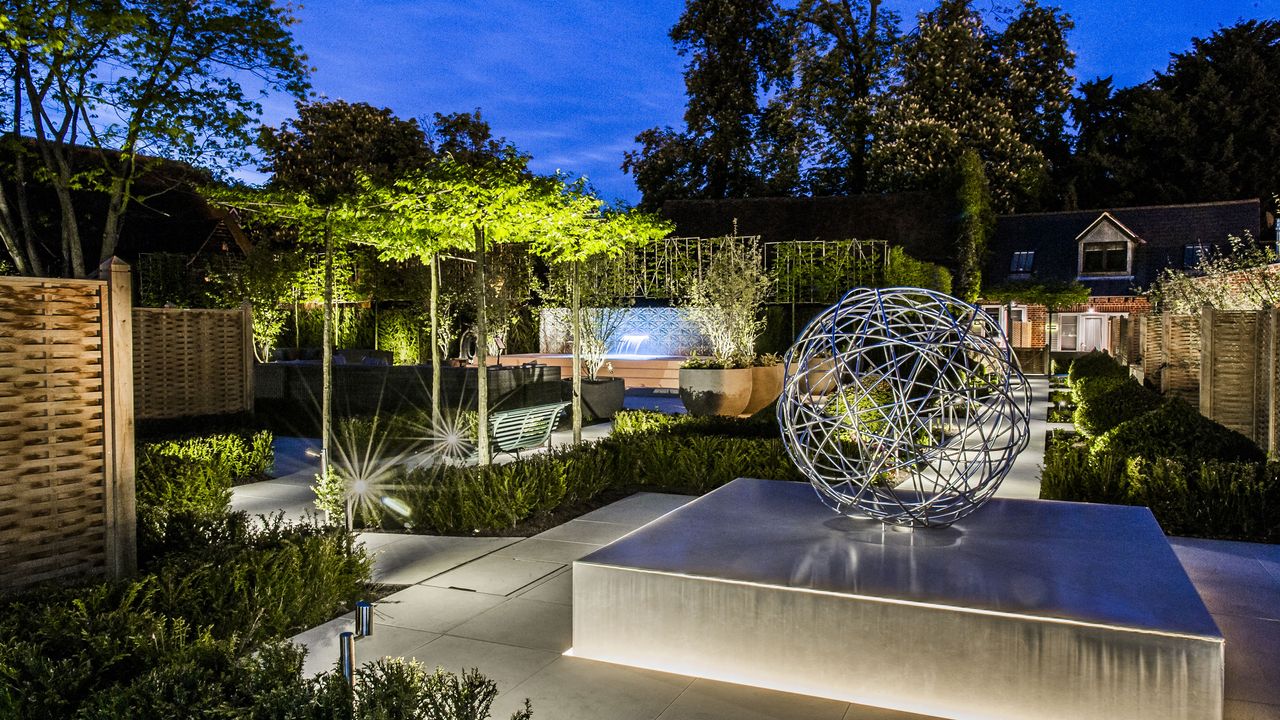
Leaving the porch light on is one of those habits that feels almost instinctive. The illuminating glow of an outdoor light no doubt creates a more welcoming home when light fades, but we're also led to believe it makes our homes more secure. According to experts, however, leaving your outdoor lights on all night may not be doing your home any favors. In fact, it could be having the opposite effect.
We might be more concerned with the aesthetic impact of garden lighting ideas here at Livingetc, but there's no escaping the fact that they're practical as well as pretty. Whether heading away for the weekend, returning after dark, or simply settling in for the evening, keeping outdoor lights on overnight has long been seen as an easy way to deter intruders besides lighting your path to the front door.
And yet, there's a growing consensus among security and lighting experts alike that keeping your exterior lights on could do more harm than good. "While it can feel like a simple way to improve visibility or security, it is often unnecessary and can actually take away from the overall atmosphere of the space," says James Kendall, operations director at KES Lighting. Are you in the habit of leaving your outdoor light on all night? Here are four reasons you might want to think twice.
1. High Energy Use and Running Costs
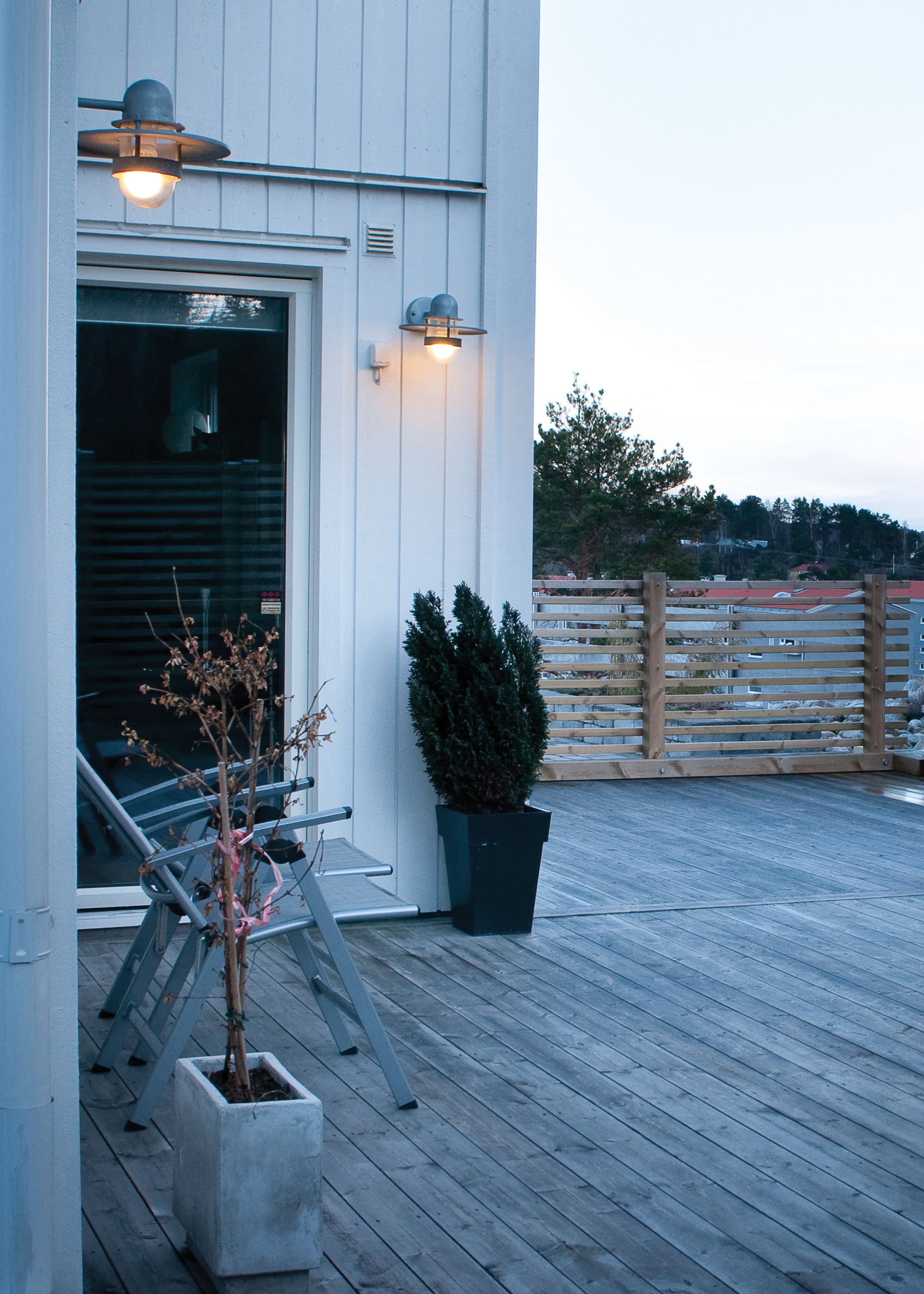
Like most things in life, the most obvious case against leaving your outdoor lights on all night comes down to finances. Unless you rely on solar-powered lights (which are far from reliable, especially under a sheltered porch), leaving your lights on inevitably incurs a cost.
You can pay a couple of pounds a month to keep a single bulb on all night, depending on your tariff and the technology of your light source. It might not sound too expensive, but that can add up considerably when you have patio lighting, porch lights, and path spotlights running all night.
While modern LEDs don't use as much energy, "leaving lights on all night will always increase running costs over time," says KES Lighting's operations director, James Kendall. So, to keep costs down, be sure to turn your outside lights off when you go to bed.
2. It May Not Improve Security as Much as You Think
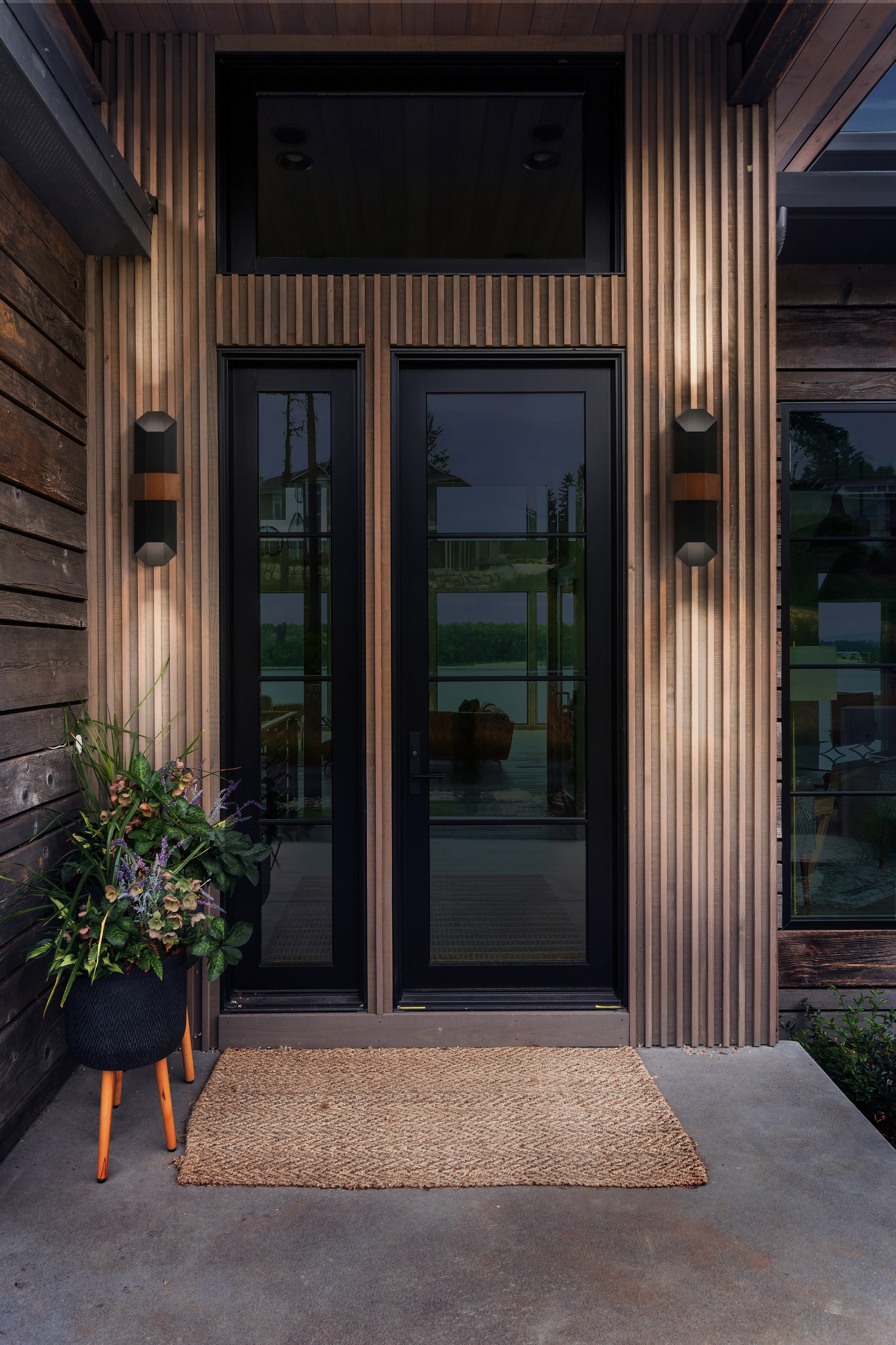
If finding your way in the dark is the primary reason for keeping outdoor lights on, securing a home is a close second. Intuition tells us that burglars or home invaders would be deterred if they can't hide under the veil of darkness, but when lights are permanently kept on, it can actually invite unwanted criminals.
"Firstly, constant lighting can actually work against you from a security point of view, as it removes contrast and makes everything equally visible," James explains. "Continuous lighting may also suggest a lack of attention or routine," adds Veronica Moturi at home security specialists Brinks Home. "If a porch light is on continuously, especially during daytime hours or when it’s obvious there’s no activity inside the home, it can signal to observant intruders that the home may be unoccupied."
3. They Still Contribute to Light Pollution
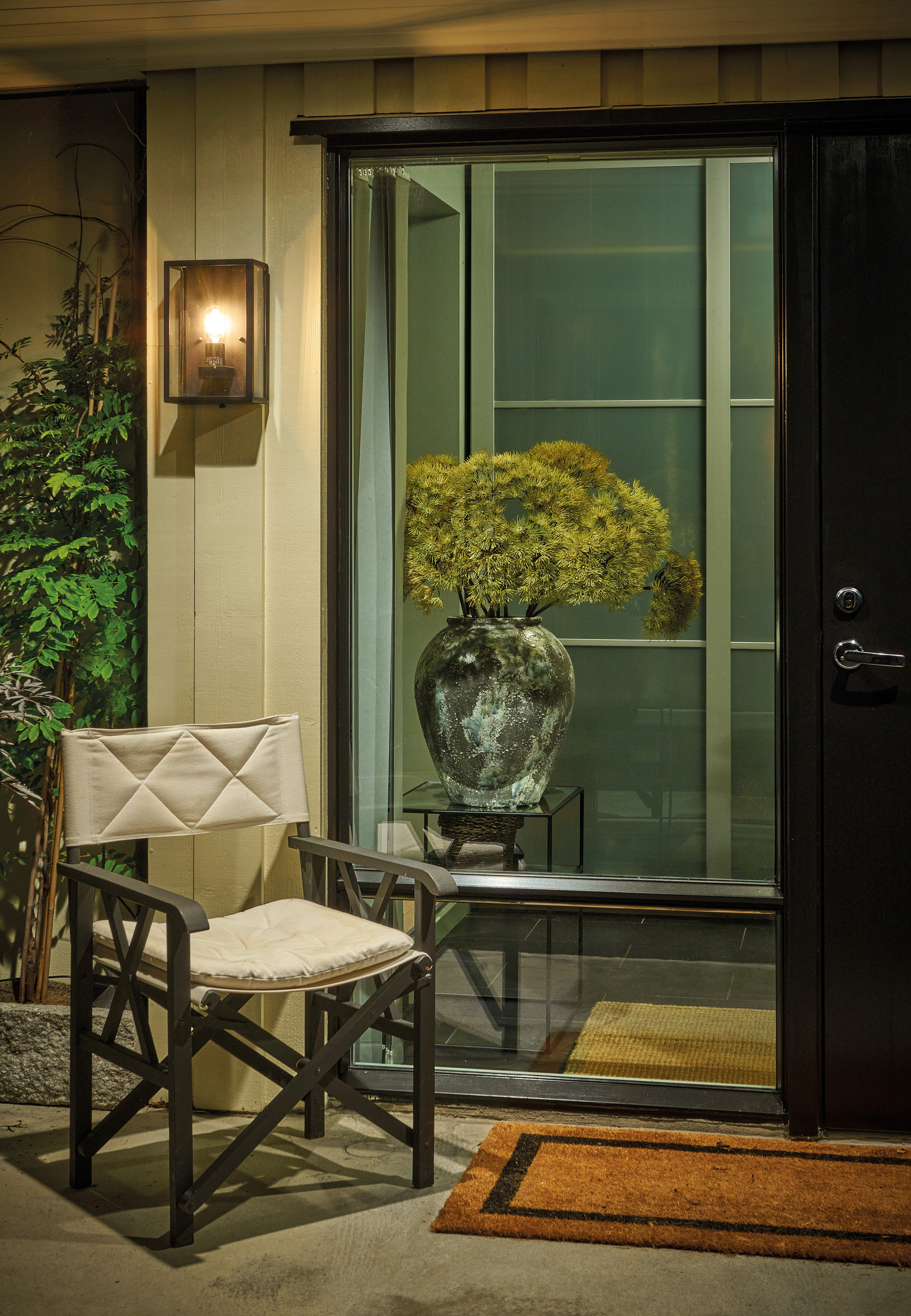
Here at Livingetc, we're the first to be swayed by outdoor lighting trends. We understand wanting to illuminate your outdoor space with festoon lights, decking lighting ideas, and stylish spotlights, but there's no escaping that they contribute to light pollution, especially if left on all night.
Even if you're in a rural area, too many lighting sources will floodlight your entire home, which could disrupt your sleep as well as the wildlife surrounding you. If you want to admire those starry skies and maintain your circadian rhythm, it's best to turn your lights off when not in use.
4. It Can Make a Garden Look "Flat" and Overlit
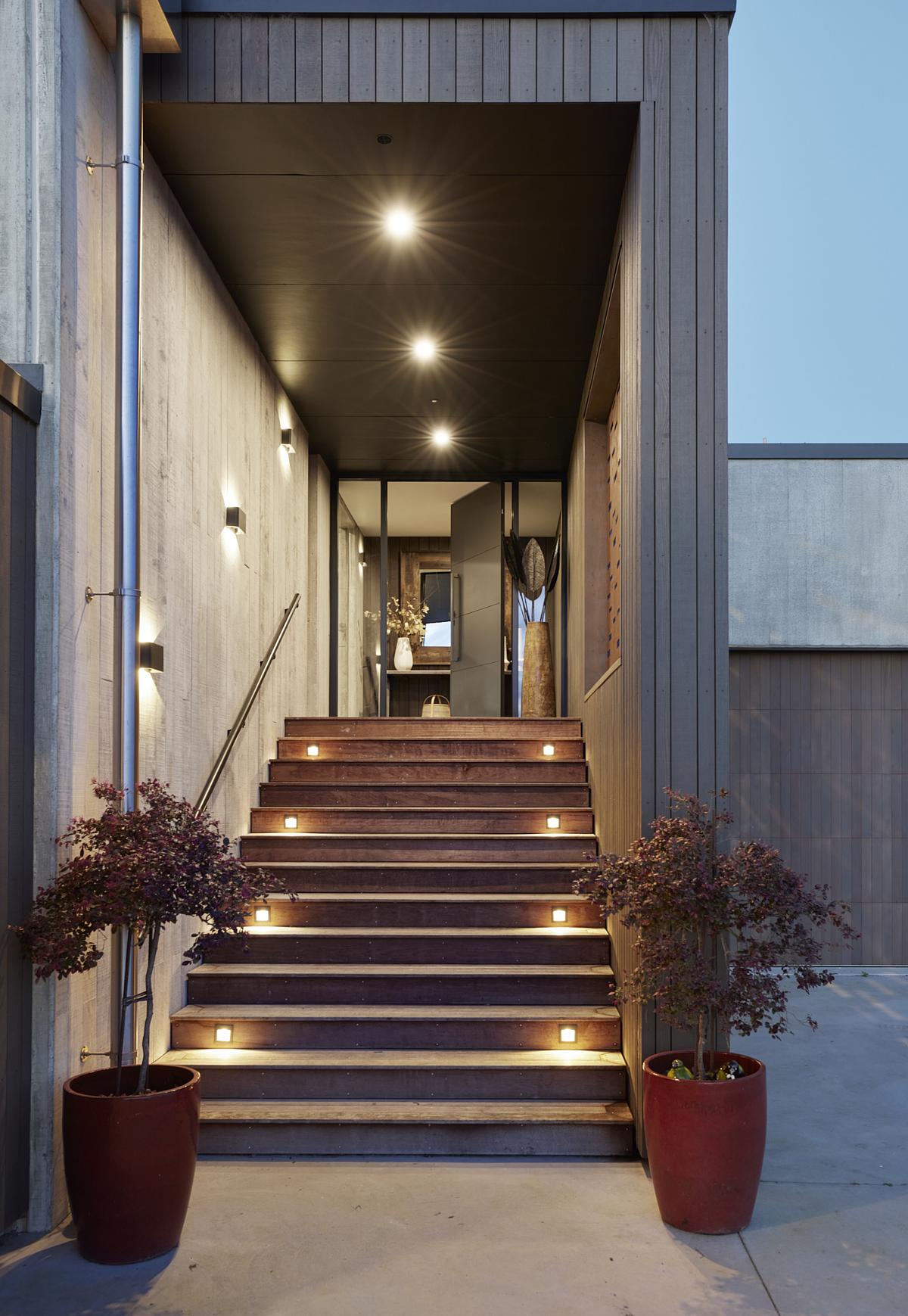
Keeping too many outdoor lights on through the night isn't a good idea from an aesthetic standpoint, either. "It can make a garden feel flat and overlit, especially if it relies on a single light source," says James. "A more effective approach is to think in layers and use lighting more intentionally."
Rather than flooding the entire garden with light at all hours, he recommends focusing on key areas such as pathways, steps, and entrances for safety. "You can then introduce softer feature lighting to highlight planting, trees, or architectural details," he says. "This creates depth, interest, and a much more inviting feel, both outdoors and when viewed from inside the home."
What's the best alternative to leaving outdoor lights on all night?
Of course, outdoor lighting exists for a reason. No one wants to be navigating their garden in the dark when returning home late at night. To avoid racking up your electricity bill, damaging the environment, and inviting unwelcome visitors, however, motion-sensor lights are the best option. "These provide light exactly when it is needed, while timers or smart lighting systems allow you to set zones and schedules, so the garden feels welcoming in the evening without unnecessary energy use overnight," James notes.
At Brinks, Veronica and the team also recommend smart outdoor lighting for maximum security. "We recommend using a mix of timed lights, motion sensors, and smart home automation to create the appearance of normal household routines, which can make your home less of a target," she says. "If an intruder approaches, motion-activated lights will alert them that their movement has been detected, adding another layer of deterrence."
Solar-powered garden lights aren't always reliable, especially through winter, but they do have the advantage of being completely free to operate. They also run out of energy pretty quickly, which means they'll likely fade throughout the night.
The trick with outdoor lighting is not to overdo it. A simple up/down lit wall light is a stylish, contemporary addition to a porch, and these have an A+ energy rating and are also easy to install.
The advice from experts is to avoid lighting up your whole garden when it's dark, so choose discreet lighting options like this one. The adjustable angle of this light also allows for a brighter beam up or down as required.
So, if you're in the habit of leaving your outdoor lights on all night, you may want to think twice. Instead of permanently illuminating your home, opt for timed or motion-sensed lights instead. "By combining smart them with a comprehensive security system, you can increase the effectiveness of your porch lights and increase your overall home security," says Veronica.
Finally, if you're wondering where to buy outdoor lighting, you can visit our buying guide for the most stylish and practical picks on the market.