Now that brutal and bloody footage is available on line, where should TV news broadcasters draw the line on what they should show?
John Hodgman, a one-time editor with an international TV news agency, asks “how much do we need to see?” in the latest issue of the British Journalism Review.
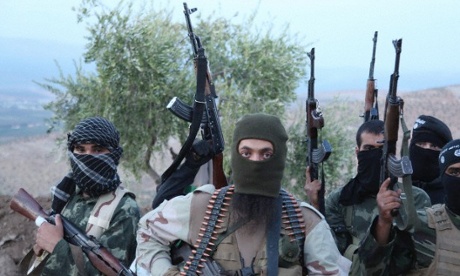
He argues that the murderous activities of Isis (Islamic State) have reopened the journalistic debate on press freedom because the group seeks to publicise their executions.
“What”, he asks, “is censorship and what is common sense?” In fact, he goes on to asks many similar questions, such as:
Does violence shown on TV create violence? What determines that one country shows blood and gore while another does not? If more gory detail of filmed tragedy was shown in Britain how would viewers react? With secret excitement, or helplessness, or compassion fatigue (aka apathy)?
The fact that he doesn’t answer these questions does not negate the value of his article. It’s a good read. But I don’t think he comes anywhere close to tackling the overarching question about the impact of the internet.
People now have the freedom to decide for themselves what they will and won’t see. That is not to say that the decisions made by “big media” publishers, editors and journalists about what we should and shouldn’t witness are irrelevant.
Within their distinct cultures, journalists can set editorial standards of taste and discretion for their mainstream news bulletins, just as they did in pre-internet days.
What they cannot control, of course, is that what they show may well whet the appetite of viewers to seek out material editors have decided to withhold.
So there is no need for people - the public, the viewers - to view editorial decisions as censorship. Editors are, to borrow Hodgman’s phrase, exercising common sense.