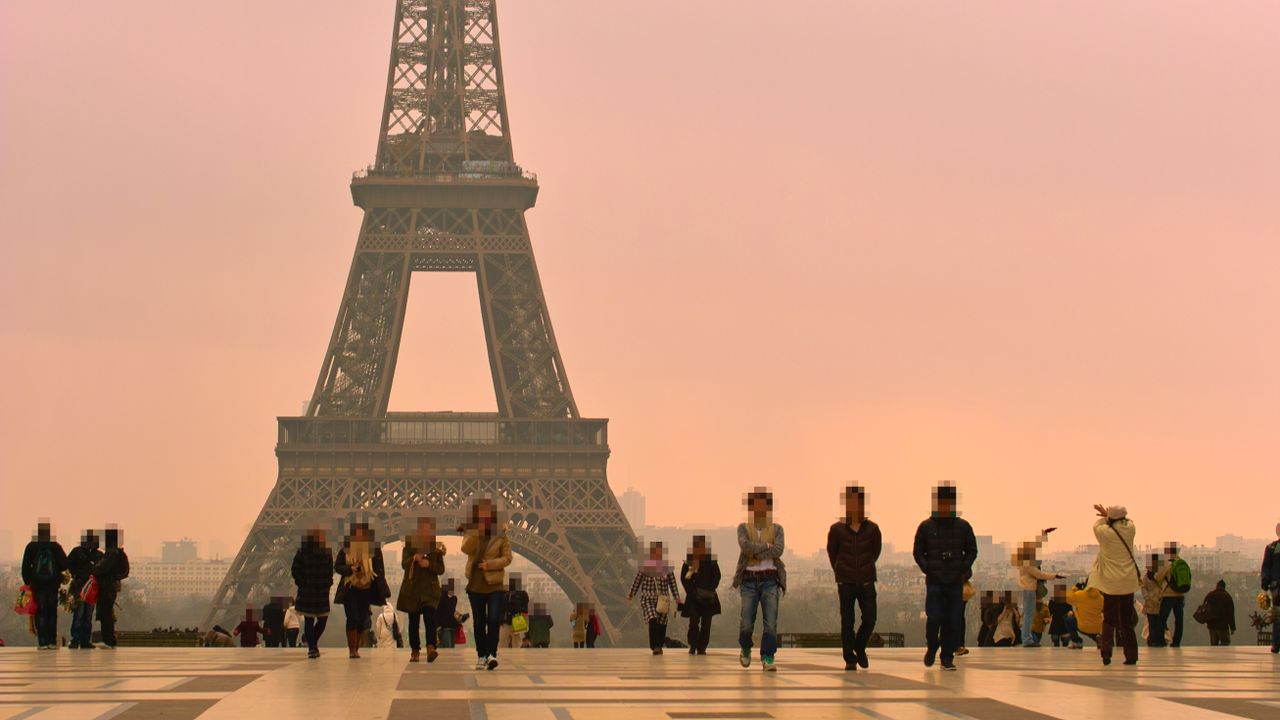
Over here in Blighty, where I’m based, and in much of the Western world including the States, we’re allowed to take pictures of people out in public to our heart’s content, something that makes it much easier for us street photographers to take our shots.
This is because in a public place you don’t have a right to privacy – you’ve stepped out into public and are therefore presenting yourself how you’d like to be seen by the world. You can be recorded on CCTV cameras as you walk down busy city high streets with no need to give consent, and the same goes for us photographers taking people pictures, too.
If you don’t want to be caught on camera there are things you can do such as wearing hats, glasses, scarves, face masks to cover up if you really want to take your privacy seriously and with AI-powered face recognition cameras becoming more popular, I have no doubt we’ll see more people using these tactics to cover up more as the years go on.
So what’s the difference between a public and private place? A public space is somewhere intended for common use and social interaction and could include a sidewalk, public street, park and library. A private space however, is owned and maintained by an individual, family or corporation and you would expect a degree of privacy here. A private space could include a person’s home, private yard or ticketed concert venue to name but a few.
Not all countries around the world adopt the same policy when it comes to taking pictures of people in a public place. In countries such as France, you need to have the express permission of the person (or people) in your images before you can publish them.
Staying with strange laws within France, there’s the curious case of The Eiffel Tower, too. The famous monument in the heart of Paris belongs to the public domain as it’s been over 70 years since the creator died, however what many photographers and tourists won’t realise is that its lights which come on after dark are copyrighted under European copyright law, so you aren’t able to use pictures of The Eiffel Tower when it’s lit up without permission.
The truth is, even in the UK, our laws aren’t too dissimilar – though we have the ability to publish images editorially without consent. If you wish to use your images commercially, for example, putting them on a massive billboard in Times Square, or selling the image on an image stock library such as Getty, then you’ll need written consent, usually in the form of a model release. However, it’s best practice to always check what the copyright laws are when travelling to a new country as it’s something that’s easily forgotten.
You might also like…
Want to know more? Check out our article If I had to start my camera setup from scratch tomorrow, this is the body and lens I'd buy.