Each day from Monday to Thursday between 4 and 6pm, the Royal Palace in Madrid sees a surge in visitors. Between those hours, EU citizens – as well as Latin Americans – are admitted free. The rest of us must pay €18 (£16).
This is just one of countless examples of price discrimination for tourist attractions around the world: how much you pay depends on where you live. From 14 January, it will cost non-EU citizens €10 more to visit the Louvre.
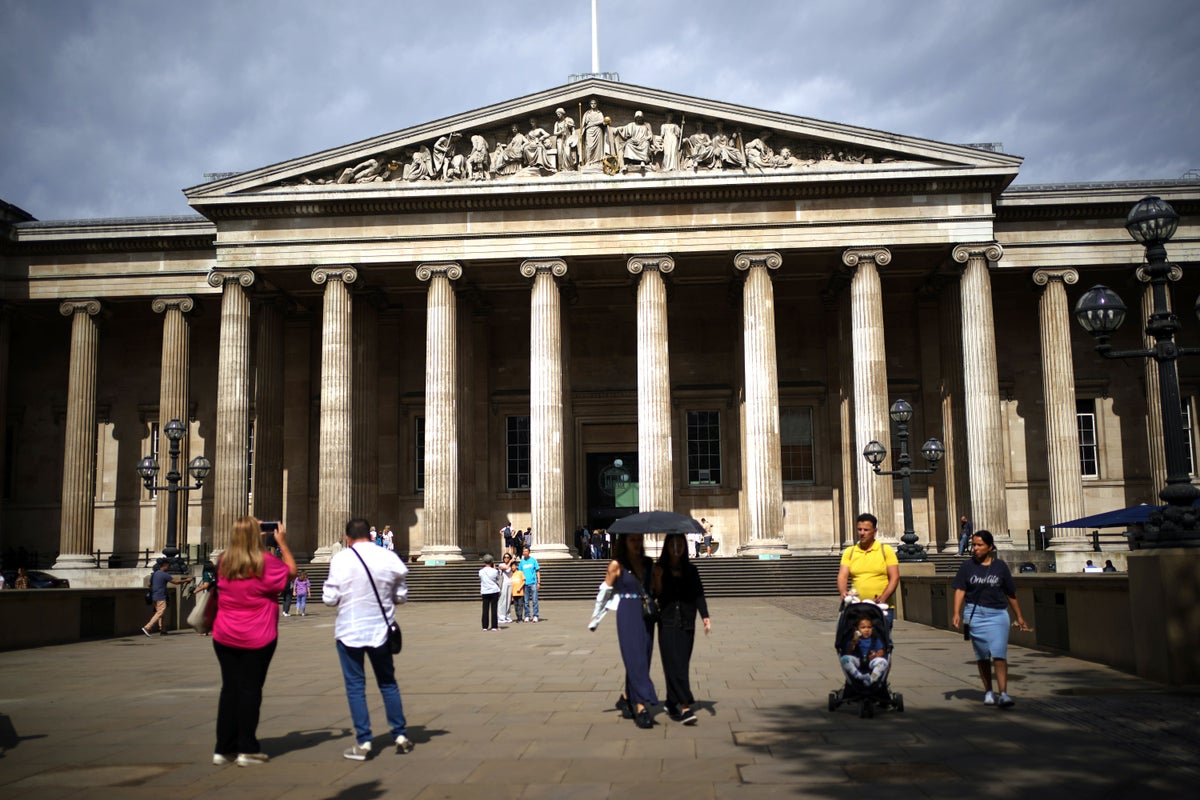
Limited examples exist in the UK. For example, residents of York get free admission to the Minster year-round, while the rest of us pay £20. Yet many of the great British museums (including, of course, the British Museum) are free to all comers – courtesy of the taxpayer.
Reader Wayne Mills asks: “In these times of austerity, shouldn’t tourists to the UK also have to pay a fee for entry to museums and other attractions which are currently free?”
When I posed that question in Friday’s newsletter, the response was swift and overwhelmingly in agreement with the notion.
“It is a reasonable approach to give the local population a preferred rate to the tourist,” says David Howson. “It compensates to some extent for the burden being placed on the state or local community. When you visit the amazing national museums we have, the crowds invariably are significantly made up of tourists, who I genuinely do not believe would be put off visiting the UK if they had to pay an entry fee.”
Michael Lawrence would be happy if some tourists were deterred by admission charges. He writes: “I live in London and I am often put off visiting many of our great museums as they are just too busy. If by charging it reduces the number of visitors, raises funds for the museum and makes it a more pleasant visit, then I only see this as a win-win situation.”
I contend it would constitute a loss of enjoyment for visitors who decide not to go to the British Museum, and potentially a financial loss for the UK, too.
Inbound tourism, as I have argued before, is the closest thing that any country can get to free money.
From a purely financial perspective, whether to impose admission charges depends on what economists call “elasticity” (normal people might call it “emotion”): how much does a price change affect demand? Do prospective visitors care so much about a few pounds here or there that they will stay away, or will they simply accept that the British Museum is behaving in the same way as almost every other major collection?
Let us assume the average inbound tourist spends £600 during the course of their visit (the actual figure is likely to be higher than this, but current statistics are the subject of some dispute). Charging “market rates” for a couple of museums could rake in, say, £30 more. That is potentially an uplift of 5 per cent – although some visitors will change their plans to avoid the charge, and others could stay away entirely, causing a significant loss.
Introducing a charge is itself a costly business; even if everyone books online, there needs to be checks, with British visitors proving through some means that they qualify for free admission. These stages add friction, too, which diminishes the experience.
Neil Fitch, writing from Brussels, recommends simple contactless access: “A ticketing system can be expensive and clumsy. A very simple and smaller fee of £5 or £10, taken electronically in the same way as entering the London Underground (or a motorway toilet over here) could be a way to avoid off-putting people and collecting revenue with lower maintenance costs.”
I don’t know the answer, but there is one way to find out: run a trial, preferably one where there is sufficient scope to allow for free entry on particular days or times (see, it’s getting complicated already). And if you are visiting a motorway service area in Belgium, you have been warned about the charge for using the facilities. As with the Louvre, so with the loo.
Simon Calder, also known as The Man Who Pays His Way, has been writing about travel for The Independent since 1994. In his weekly opinion column, he explores a key travel issue – and what it means for you.