
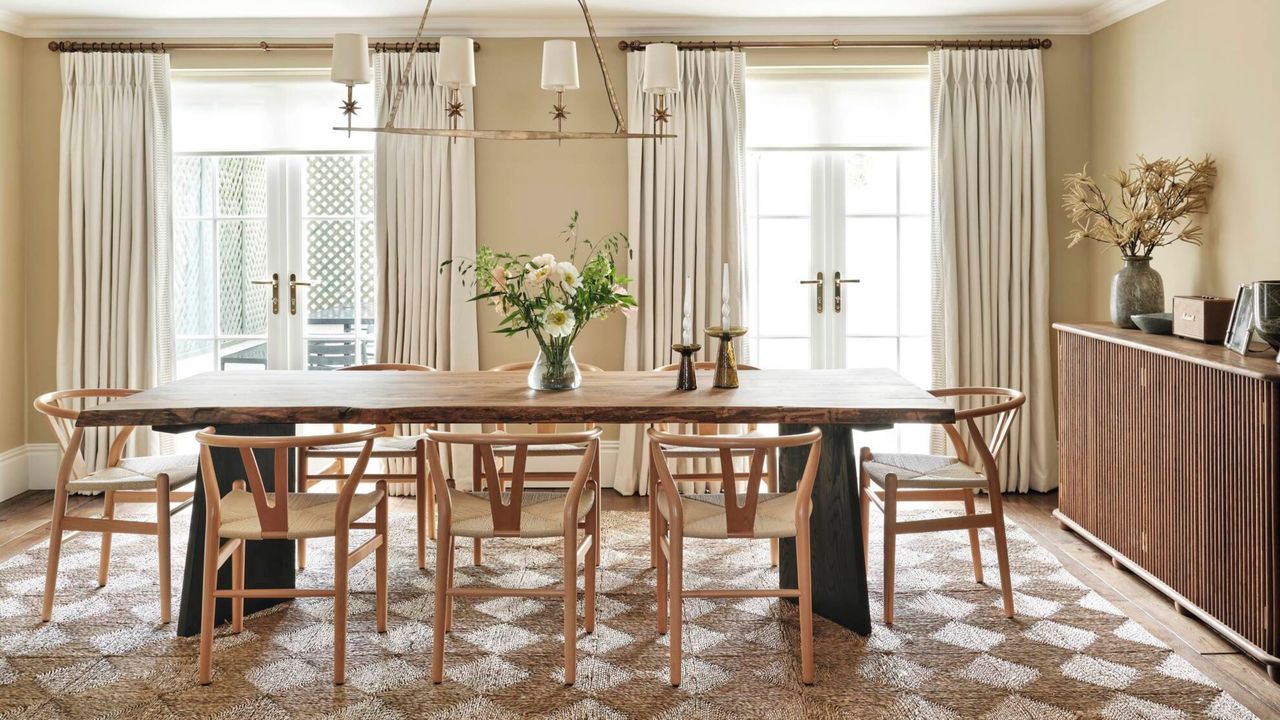
As more of us than ever before live in open-concept homes or spaces without the square footage for a dedicated dining room, the question of choosing a rectangular dining table vs a round one comes up more often than it used to. The shape of your table matters most, of course, when space is at a premium or rooms are used for more than one purpose.
Whether you’re tapping into the latest dining table trends (who wouldn’t want to eat breakfast on a glossy lacquer surface?) or hoping to perfect the art of table setting, several considerations come into play when deciding between a rectangular vs round design. “Choosing one shape over another really matters,” agrees interior designer Andrew Griffiths from A New Day Design. “A dining table isn’t just an object; it dictates how a room flows as well as how people gather within it.”
So, what are the key considerations when deciding on a rectangle vs square dining table? I asked leading interior designers to weigh in on the debate and serve up some practical advice. So, pull up a chair and get comfortable.
When Does a Rectangular Dining Table Work Best?
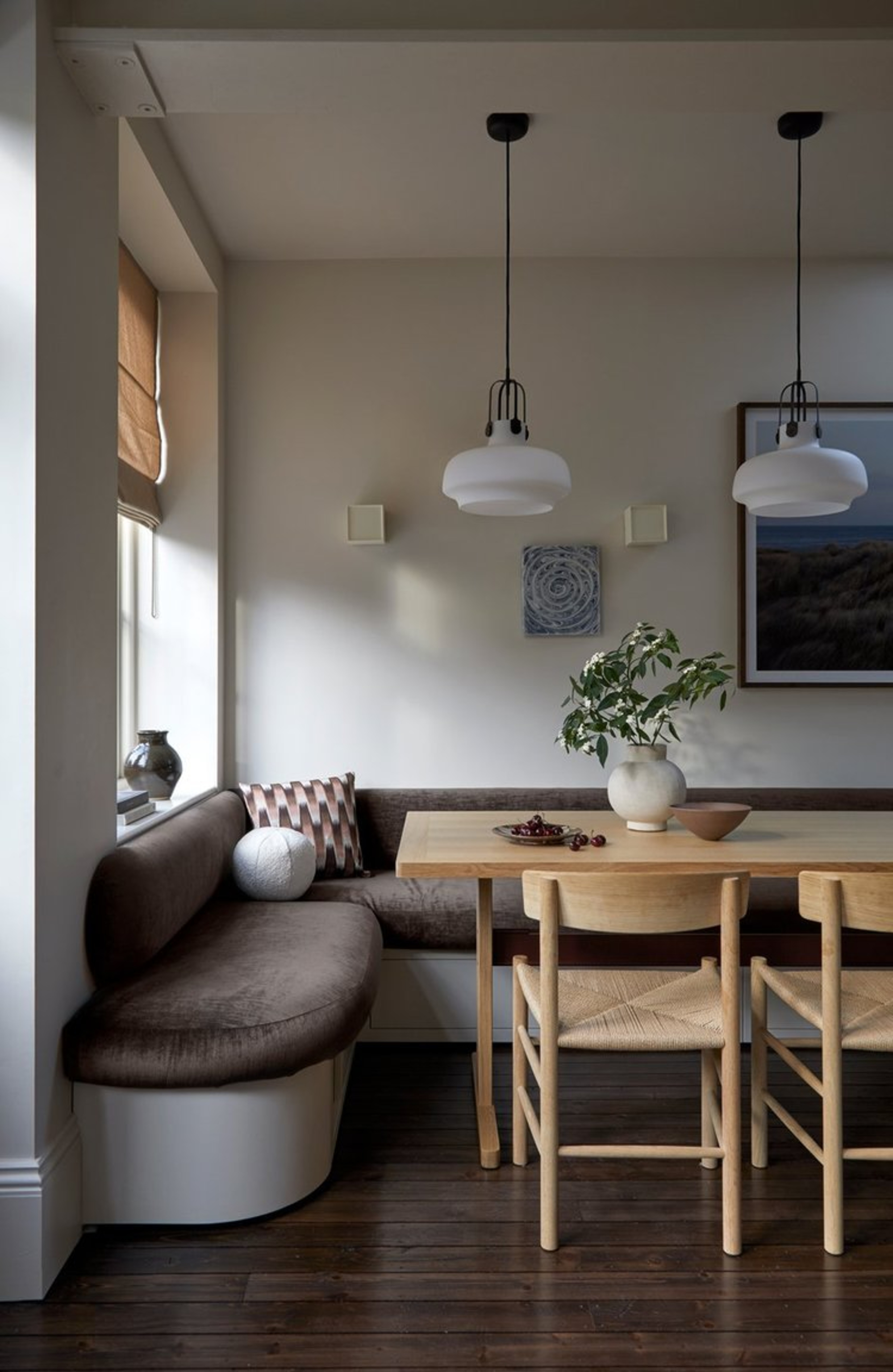
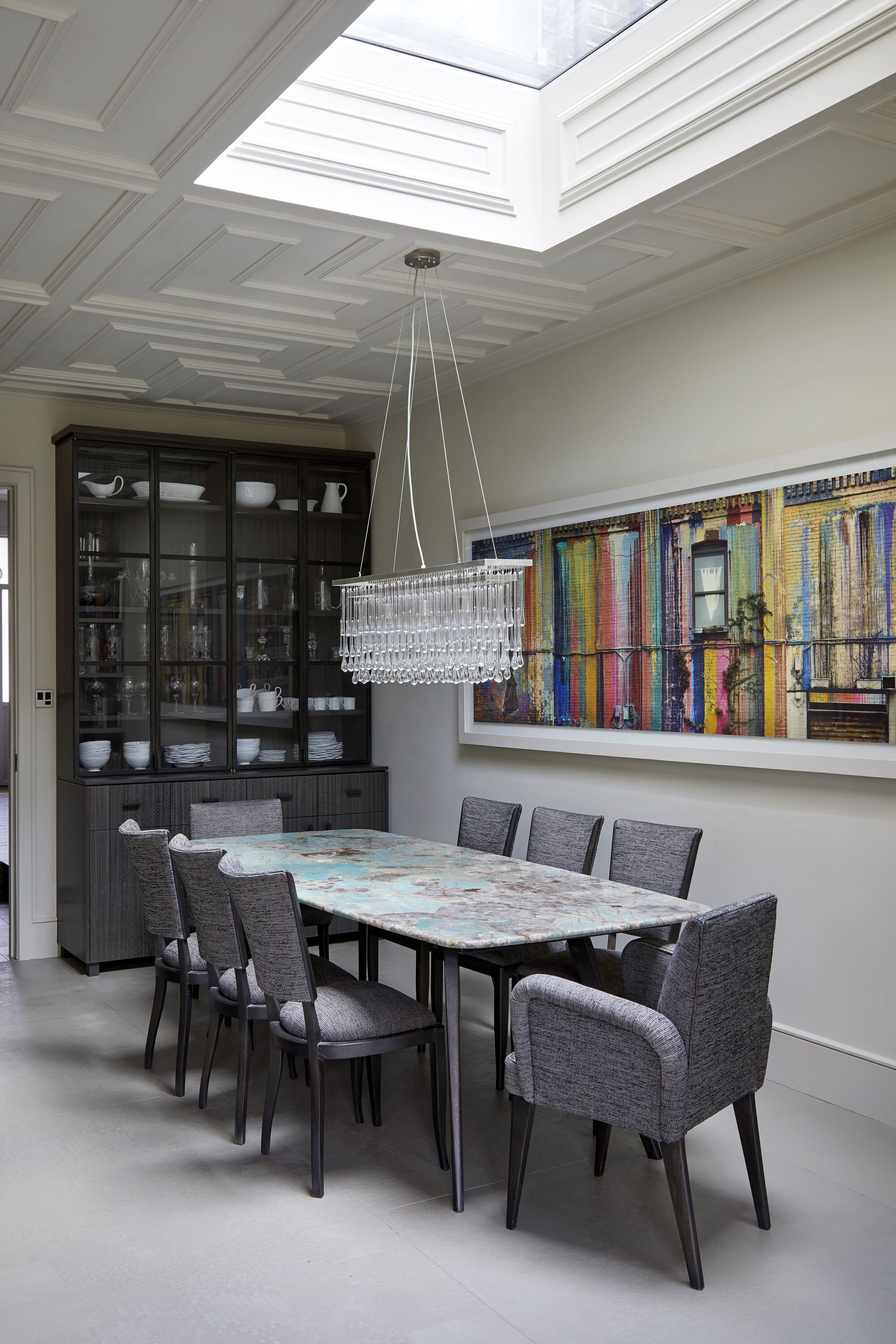
Rectangular dining tables are a particularly effective design choice in larger rooms. “They remain a timeless design choice because they echo the linear proportions of traditional dining rooms,” believes Caroline Milns from Zulufish. “They often feel most harmonious and comfortable in rooms that are more rectangular than square, where their clean lines can create a cohesive and tailored look. They can also be placed against a wall without compromising flow.”
The shape is also effective for hosting, as it’s usually much easier to squeeze an additional place setting or two along a straight surface than on a round one. “They generally make excellent use of a space, and can easily accommodate more guests without feeling cramped,” agrees interior designer (and fellow advocate for the rectangular silhouette) Rebecca Hughes.
“Rectangular dining tables tend to perform best in rooms that are longer, or where you want a clear focal point anchoring the layout,” Rebecca adds. “They’re also ideal for a variety of dining room seating styles. Whether you’re using benches, chairs, stools, or a mix of all three, a rectangular shape offers a more flexible canvas.”
“The one potential downside to rectangular tables is that they can feel a bit formal or directional,” notes A New Day Design’s Andrew Griffiths. “To keep things welcoming rather than rigid, soften this effect by choosing a table shaped with rounded corners or made from warmer materials.” Livingetc's comprehensive dining tables edit includes suitable pieces made from stained walnut and grainy mango wood.
The minimal metal frame makes this table a super versatile choice.
Made from poplar wood with an oak finish, this table is all about its playful legs.
When Does a Round Dining Table Work Best?
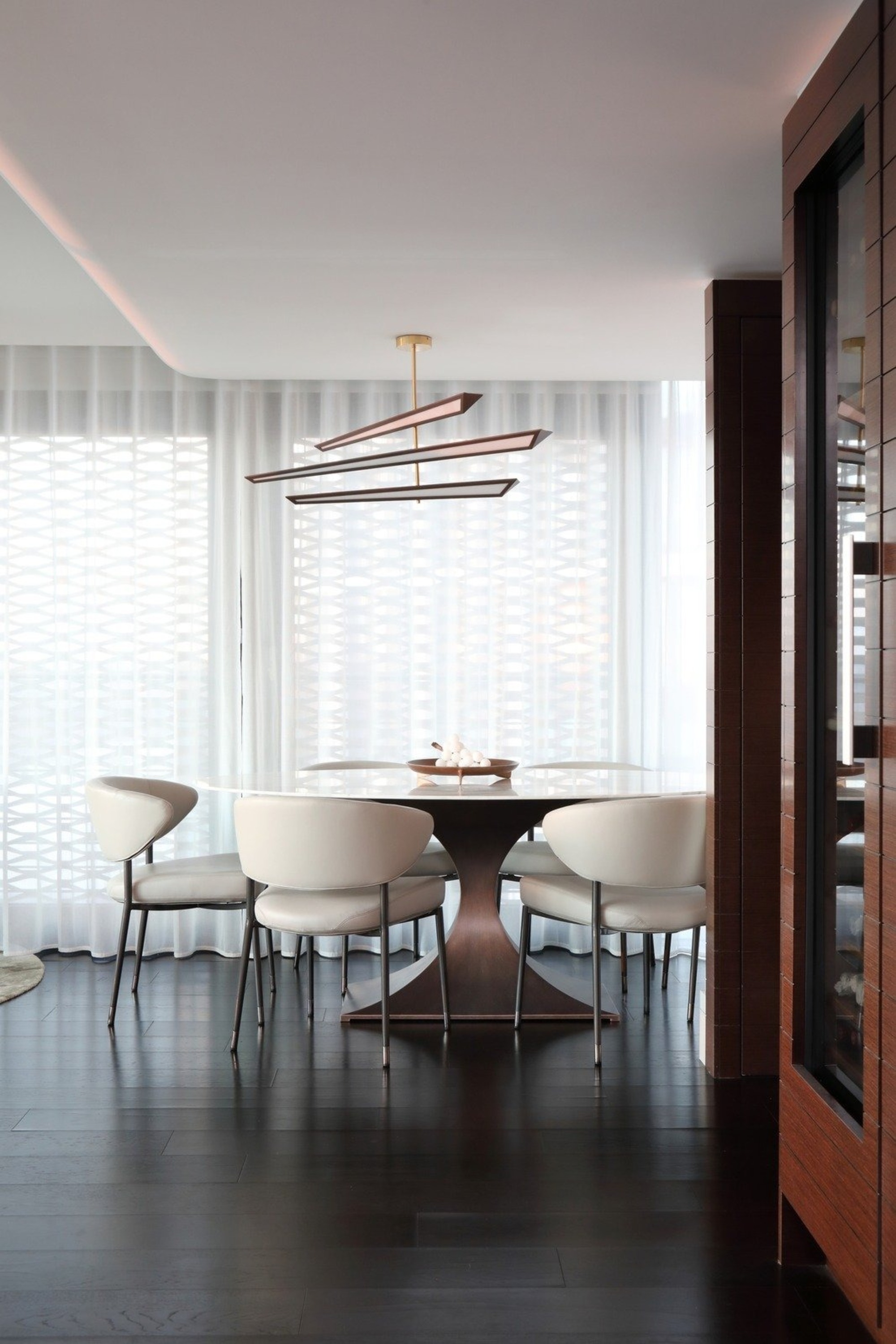
“Choosing a round dining table is one of the most versatile design decisions you can make,” says interior designer Juliette Byrne. “They’re especially ideal in spaces with tight corners or that suffer from awkward traffic flow, but work well in any room with lots of clean, straight lines, where the gentle curved shape always brings harmony and contrast.”
“Round tables improve flow by reducing visual bulk and eliminating corners,” agrees K’Arte Design’s Katerina Tchevytchalova. “They’re a space-efficient option that works best in open-concept rooms or those with multiple entry points, as the shape improves circulation and helps to soften awkward dining room layouts.”
The shape also makes an excellent canvas for trending materials, with the rounded edges adding nuance to your chosen material — smoked glass, colorful marble, and matte concrete are all having a moment. Don’t forget the base, either. “The base of your circular table presents a real opportunity for artistry, and the more sculptural the better,” says Juliette Byrne.
A round dining table can have social benefits, too. “A circular dining table immediately encourages conversation and creates a clear sense of conviviality as the shape removes the ‘head of the table’ position,” says Emma Deterding from Kelling Designs. “This means they really encourage interaction and create a more intimate feel. If your priority is socializing, go for a round dining table.”
Made from solid wood with a slatted base, this round dining table is a smart buy.
In limestone and mango wood, this circular dining table is a tactile treat.
Earthy green Brazilian quartzite makes this round dining table an instant showstopper.
So, Which Shape of Dining Table Is Best for My Space?
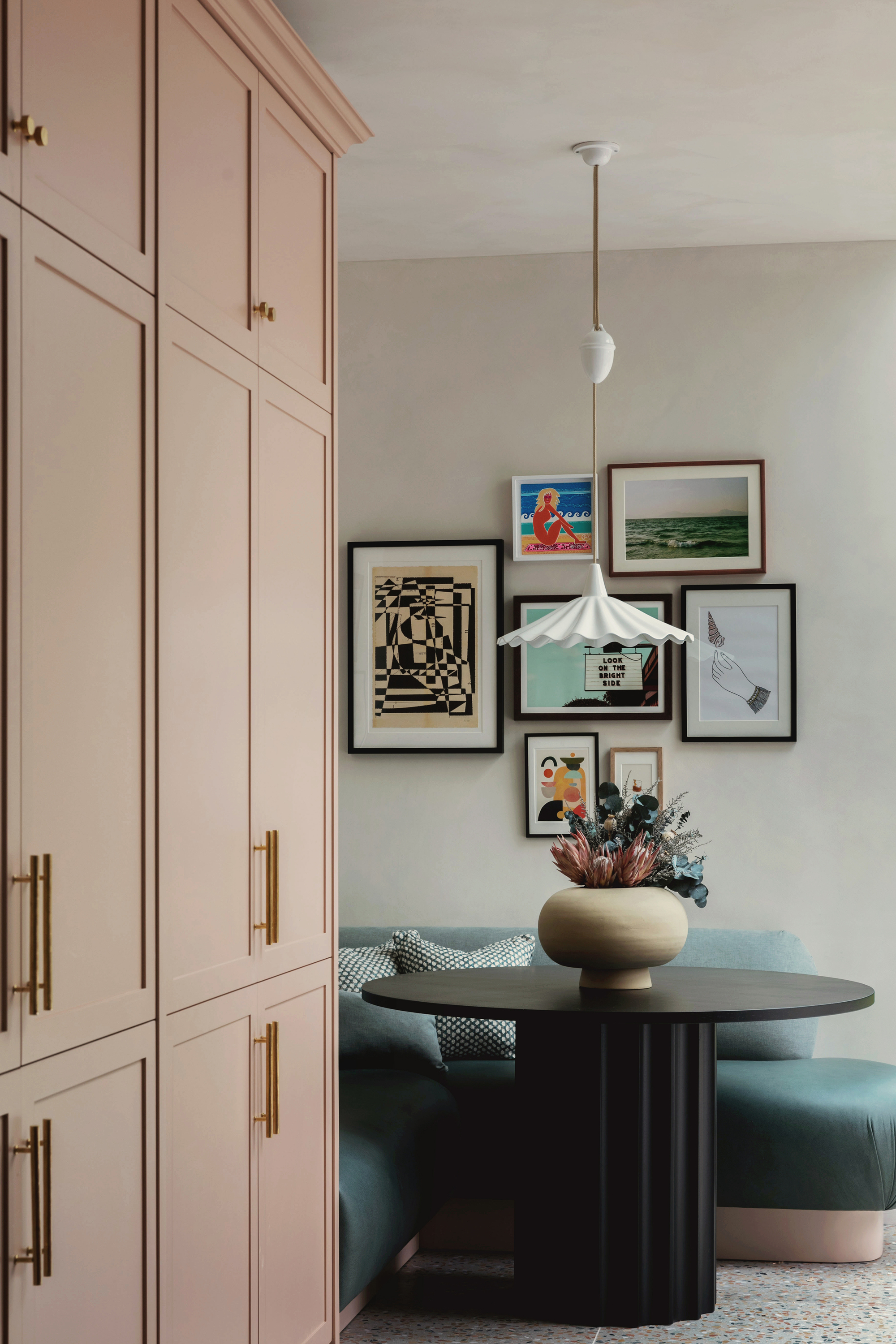
“If you’re unable to decide between a rectangular vs round dining table, start with your room’s footprint,” suggests interior designer Rebecca Hughes. “If the space is narrow or directional, a rectangular dining table is usually the most efficient and visually coherent choice. If the room is more open or you want a softer, more conversational layout, opt for a round table instead.”
Still struggling? If you have a more practically minded brain, take to the floor. “A very simple but effective trick is to tape out the outline of the table on the floor, or cut a piece of cardboard to the exact shape and size,” says Andrew Griffiths. “We do this ourselves on design projects — it may sound basic, but it immediately helps you sense the scale, circulation, and comfort of the space without having to bring the table in physically.”
Whether you’re in the midst of a full remodel or simply considering replacing your existing design, the dining table is a crucial piece of furniture in your home. Whether you choose a rectangular vs round dining table, it’s not just a surface for eating, but in today’s flexible way of living, it’s also somewhere to entertain, work, and study. That makes deciding on the right shape and style very important as you consider your dining room ideas.