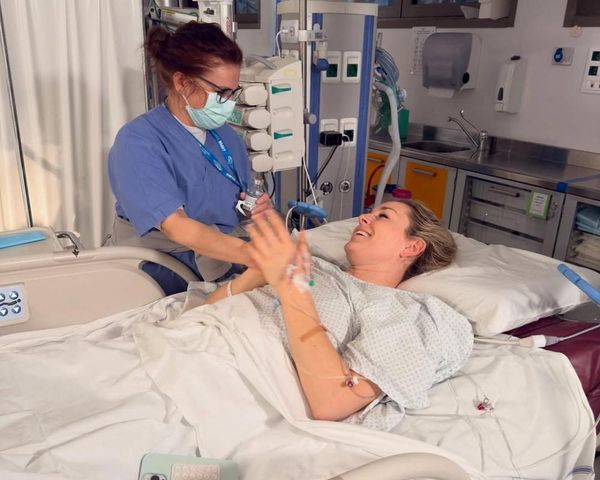
The use of complementary therapies on the NHS will be explored in a More 4 documentary tonight, which will reveal that £12m has been spent on homeopathy over the last three years.
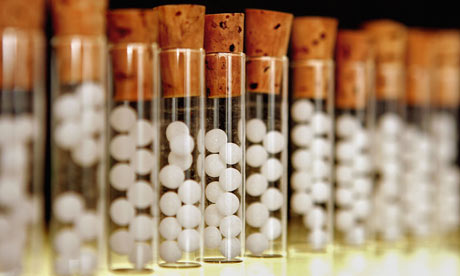
Why does it matter? Homeopathy – where patients are treated with a diluted dose of the substance that caused their original symptoms – has been widely discredited as little more than "sugar pills" by scientists.
After a six-year campaign by Professor David Colquhoun at University College London, the last BSc in homeopathy was suspended by Westminster University in March after it failed to recruit enough students. Five homeopathy degrees have been scrapped since 2007.
But there are still plenty of complementary and alternative medicine (Cam) courses available in universities, and the NHS continues to offer a variety of therapies, including homeopathy, despite a lack of research evidence to show their effectiveness.
The Liberal Democrat science spokesman, Dr Evan Harris, says the NHS is wrong to spend money on unproven treatments and effectively to give them a "stamp of approval" by doing so.
But Dr Peter Fisher, of the Royal London Homeopathic hospital, argues that there is strong evidence that patients benefit in the long term.
What do you think? Should universities be allowed to run such courses, or the NHS to provide patients with these alternative therapies?