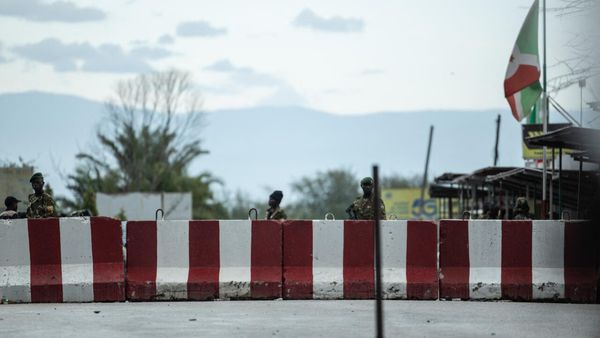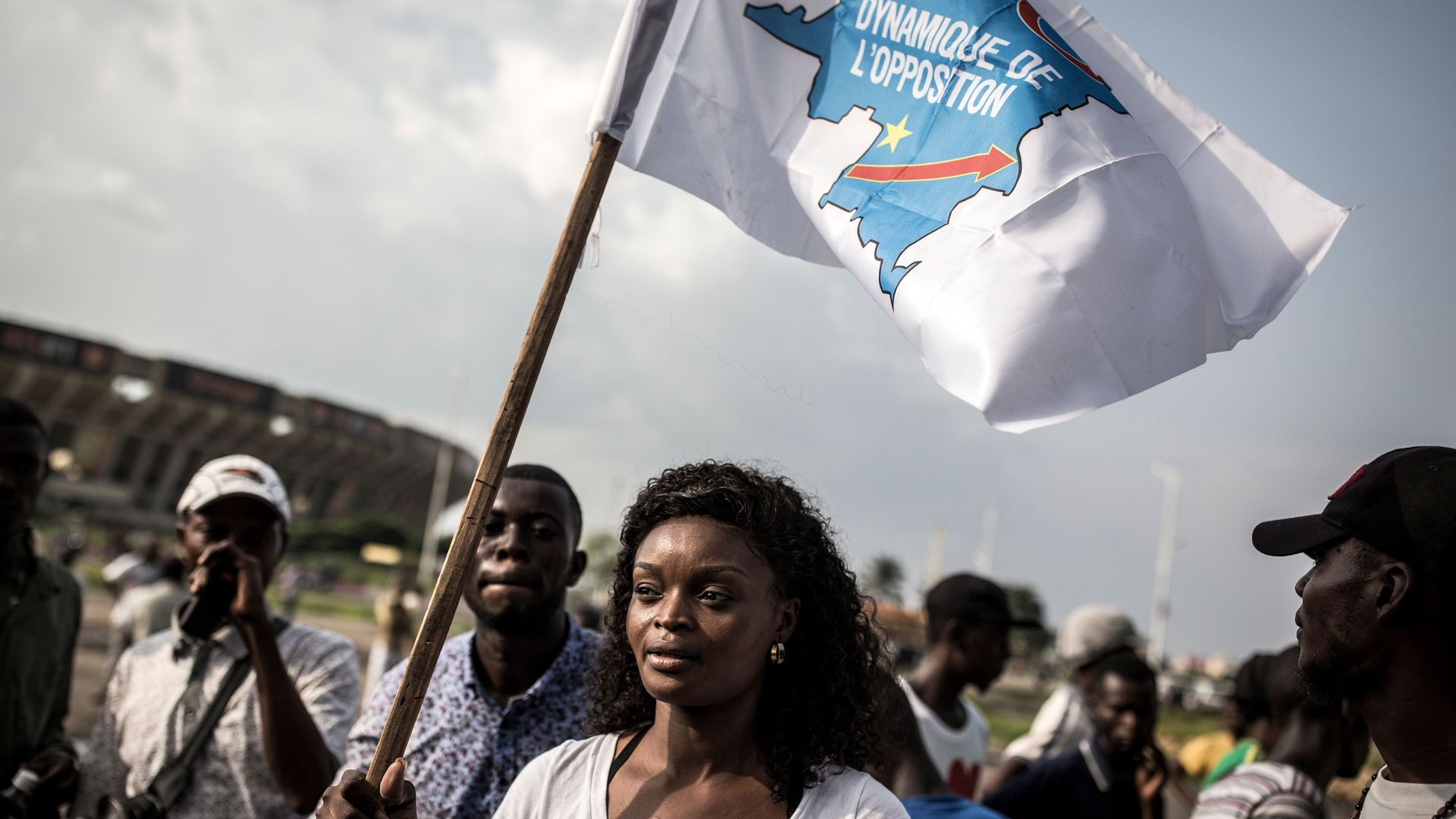
The new year is off to a rocky start for African countries: Democratic Republic of the Congo held a disputed presidential election tainted by allegations of fraud; protests in Zimbabwe over a 150% hike in fuel prices have sparked a violent government crackdown; and a horrific terrorist attack that hit an upscale hotel and commercial real estate complex two weeks ago in Nairobi, Kenya, killed 21 people.
Why it matters: Recent and potential civil unrest will result in lower investment in a region of the world that needs it most. Foreign direct investment flows into African markets fell by 21% to $42 billion in 2017 and are predicted to decrease further over the next three years.
Background: Investors are already pulling back from emerging markets because of growing concerns over political tensions, which likely contributed to sub-Saharan Africa’s absence on the 2018 A.T. Kearney FDI Confidence Index.
- Further exacerbating the political risk outlook, over a dozen high-profile elections are taking place in Africa this year, including the continent’s two largest markets, Nigeria and South Africa.
Yes, but: Investors’ perceptions of Africa's high political risk need to be put into perspective, assessed within the local context rather than generalized to the whole continent. Broad perceptions of political risk blind investors to opportunities in Africa, which hosts half of the world's fastest-growing economies. Over the next five years, 20 African economies are expected to grow at 5% or higher, outpacing the 3.6% rate for the world economy.
Moreover, political dysfunction has become a global trend. The U.S. just grappled with its longest government shutdown in history, while in the U.K. Theresa May has faced two no-confidence votes in Parliament, impeding her ability to pass her Brexit plan.
The bottom line: Perceptions of risk in African markets need to be better calibrated to global realities and cross-border uncertainties. Many African countries — such as Ethiopia, which is expected to grow by 8.5% this year, and Guinea, which is expected to grow by nearly 6% — remain promising places to do business and will continue to attract savvy investors with a nuanced approach to risk assessment.
Paulo Gomes is the founder of Constelor Investment, an investment management firm, and a co-founder of New African Capital Partners.