
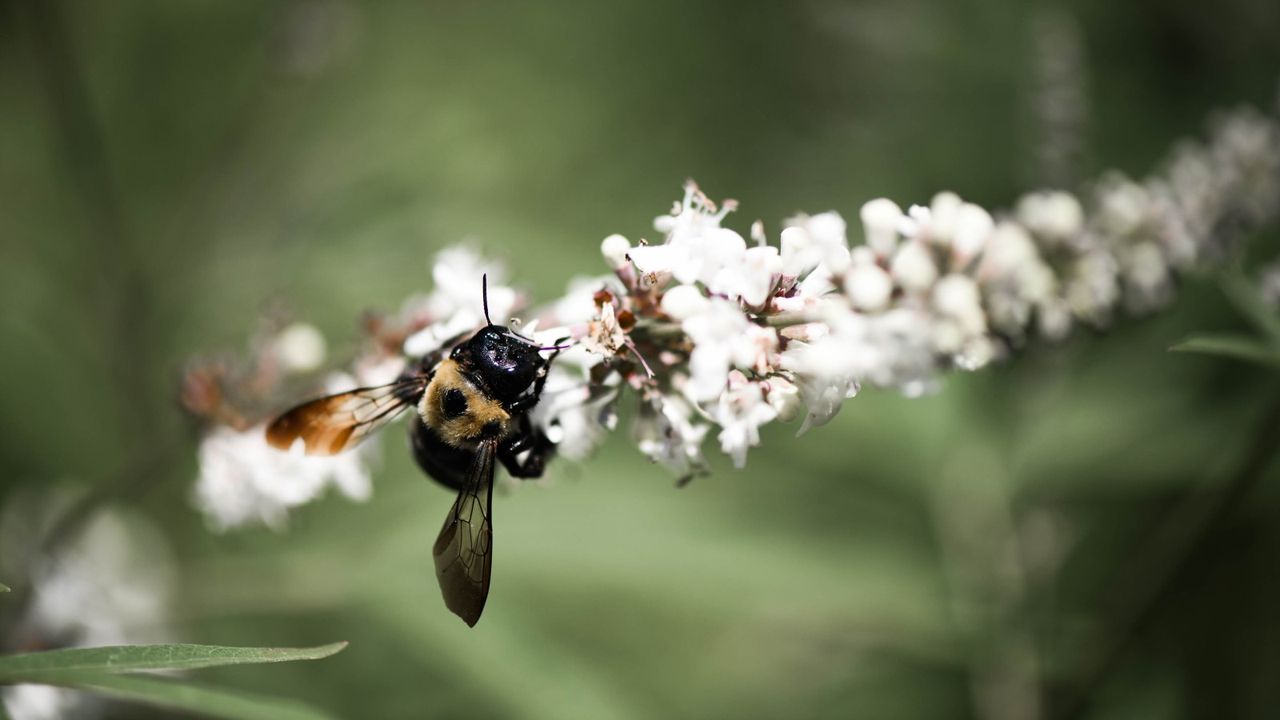
A Virginia sweetspire is not traditionally a shrub for a container, but there are compact varieties that can bring seasonal interest and attract pollinators into a smaller space. The native shrub will make a strong impression in a container on a deck or patio, but will require a little extra maintenance.
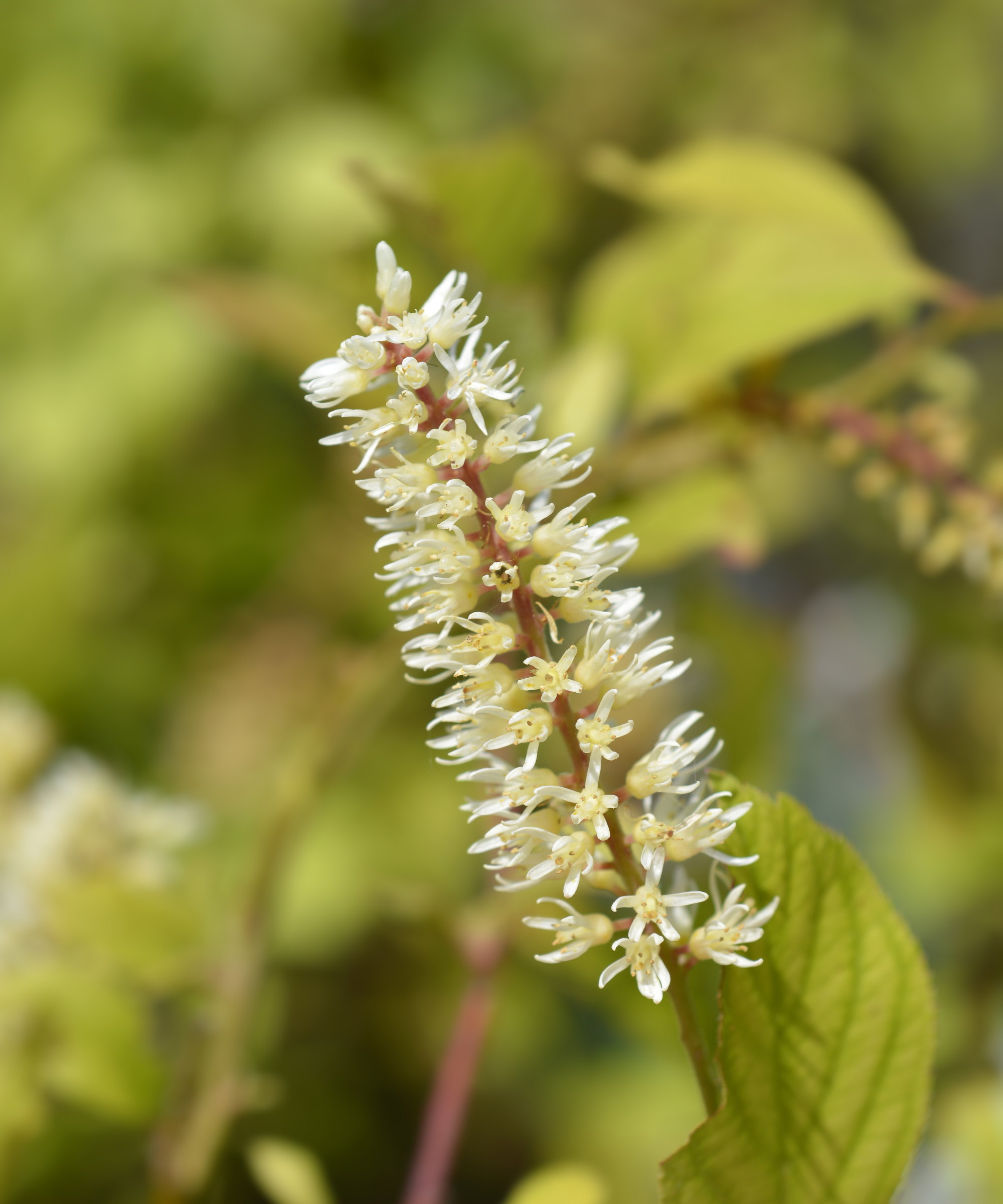
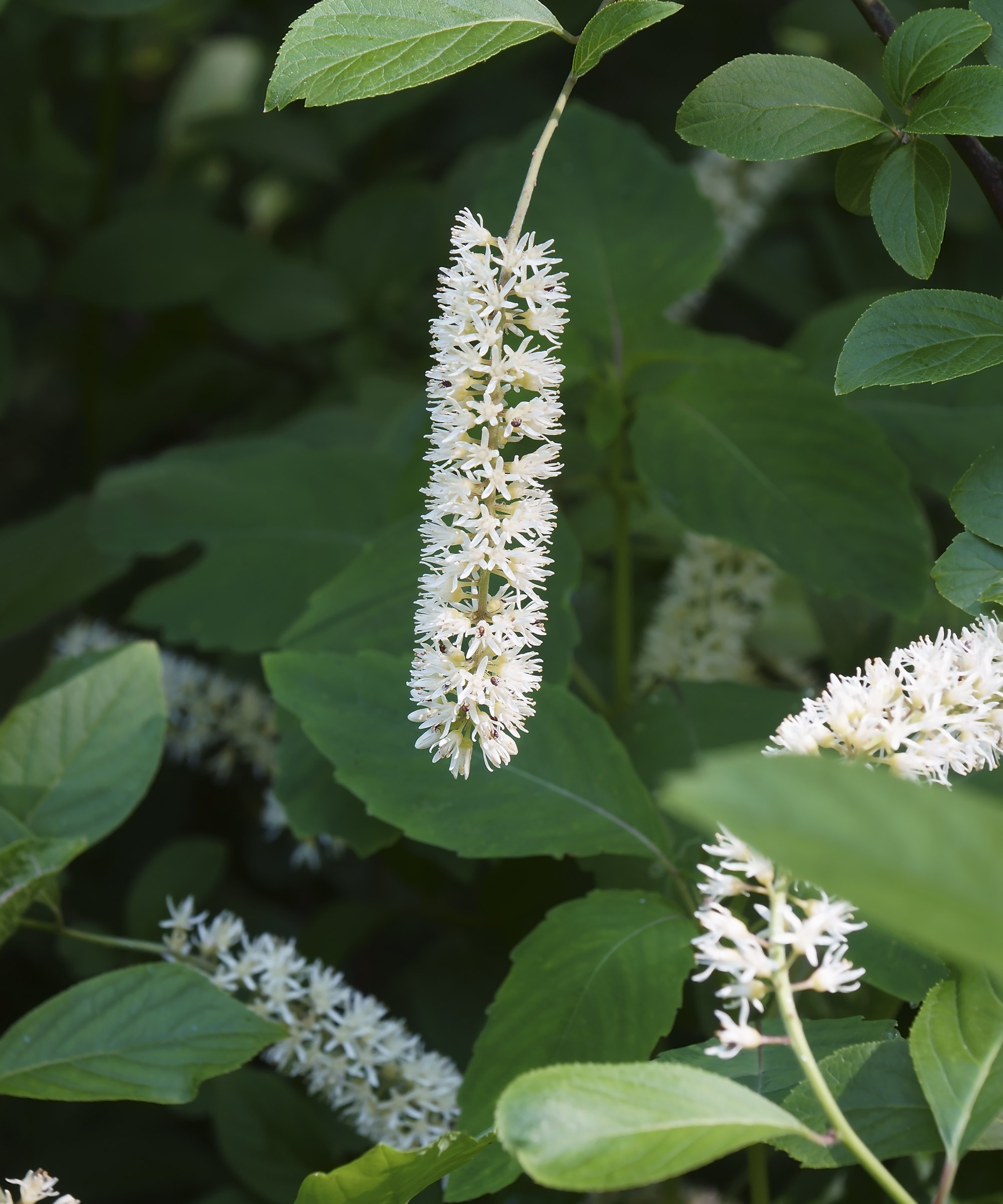
When you grow Virginia sweetspire in pots, it stays more compact and contained, rather than spreading and suckering like it does when growing in the ground. It can offer white, fragrant, arching blooms in late spring to mid-summer, followed by fiery shades of fall foliage.
If you want a low-maintenance shrub that offers year-round interest and is popular with bees, butterflies, and hummingbirds, why not consider a Virginia sweetspire? Here we look at how to grow Virginia sweetspire in pots, including five key areas to get right for happy shrubs and stunning displays.
1. Pick a Compact Variety
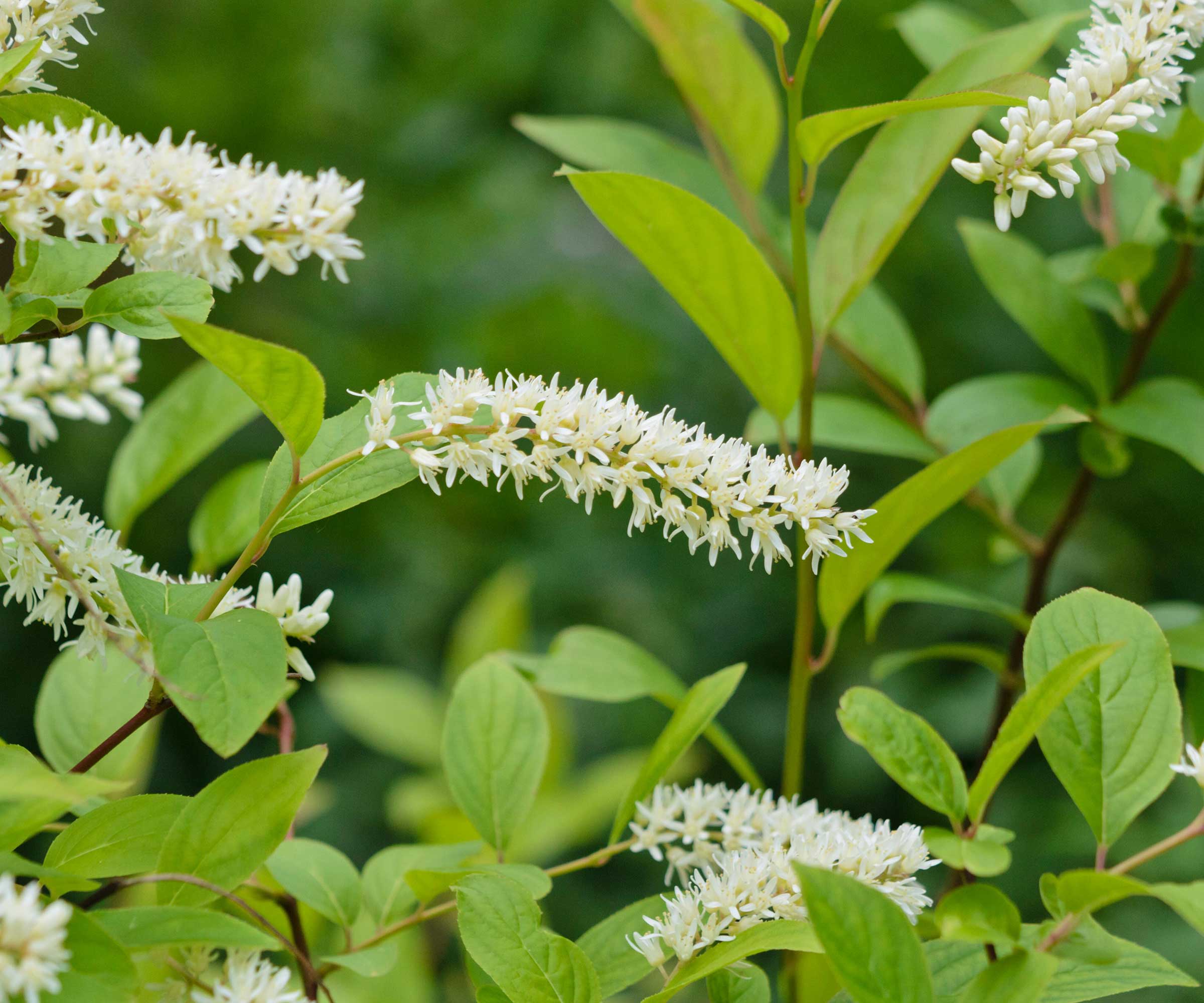
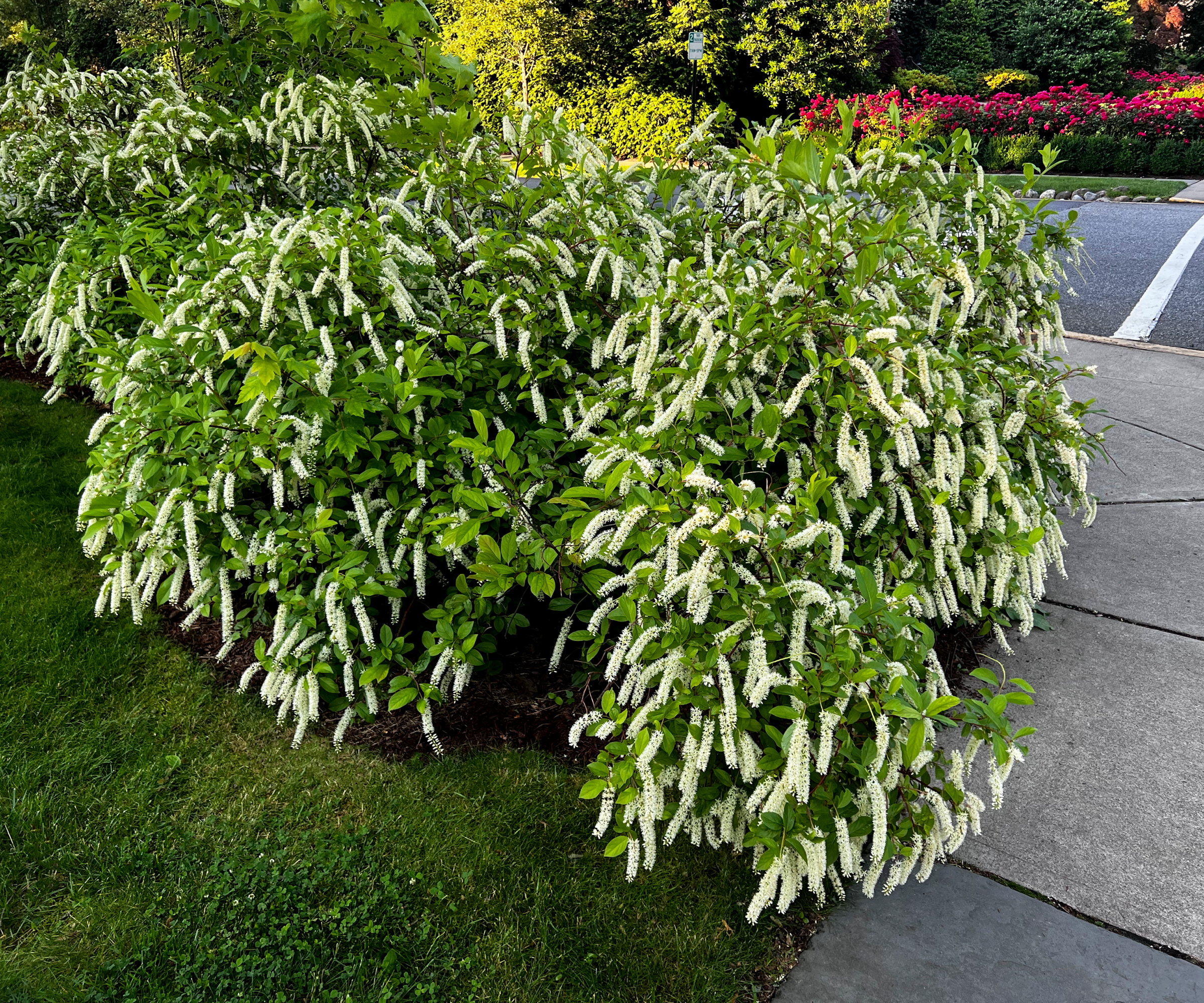
Virginia sweetspire (Itea virginica) is a native plant to North America. There are various cultivated varieties to pick from that can grow up to eight feet tall.
However, if you want to grow Virginia sweetspire in pots, there are fantastic compact varieties suitable for smaller gardens and more suited to container growing.
This includes the likes of ‘Little Henry’, ‘Merlot’, and ‘Scentlandia’.
You can get a Virginia sweetspire ‘Little Henry’ plant at Nature Hills that reaches 2-4 feet and is popular thanks to its white blooms in late spring and dramatic fall foliage.
2. Fill a Large Container With Quality Soil
Start with a container at least 12 inches wide and deep. You can pot up the shrub into larger containers as it grows, but start smaller and work up. If you put it straight into an oversized pot, the soil can hold too much moisture, and cause root rot.
The container can be any material, but it needs a drainage hole in the bottom so that excess moisture can escape.
Fill the container with a light, moisture-retentive, well-draining potting mix.
Virginia sweetspires can grow in various soil types, but in a container, fertility and drainage are key. Pick a soil-based potting mix (like this organic potting mix at Amazon) or add some compost to a soilless potting mix.
3. Give the Plant Light
Where you place a Virginia sweetspire will affect flowering and the fall color, so it is an important aspect to get right.
An advantage of Virginia sweetspire in pots is that you can move the container around the yard to ensure the shrub gets as much sun as possible throughout the seasons.
The plant does best growing in full sun, but can tolerate partial shade. It wants at least 4-6 hours of sunlight a day. Though the more you can give it, the better.
More sun will reward you with better flowers and a more vivid fall color. However, if you live in warmer climates, such as the hottest southern US hardiness zones, the shrub will benefit from some afternoon shade. In such zones, pick a spot with morning sun and some respite from the intense afternoon sun.
4. Water and Feed It Regularly
There are advantages to growing Virginia sweetspire in pots. But the compromise to being able to enjoy the seasonal displays and attracting pollinators to smaller spaces is that you will need to be more hands-on with maintenance.
Watering and fertilizing are two key areas that will need a bit more attention than when the shrubs are growing in the ground.
The shrub typically grows in wetter soils, such as near riverbanks or swamps. This preference for moister soil means gardeners will need to water regularly when the shrubs are in a pot. In summer, it may mean deep watering every day or two to keep the soil consistently moist during hotter months.
To fertilize the shrubs, use a balanced granular fertilizer in the spring, such as this all-purpose plant food at Burpee. Continue to feed with a liquid fertilizer (like this water-soluble plant food at Amazon) when you water plants every two weeks through the rest of spring and summer.
5. Prune to Keep It Compact
You can prune Virginia sweetspire in pots to keep them more compact and looking shapely in the container.
As the shrub flowers on old wood, you prune it after flowering in early summer. This gives the shrub time to develop wood and buds to carry next year’s display. You don’t want to prune in spring, as you’ll just remove that year’s flowers.
Use a pair of clean, sharp pruning shears to remove any dead, diseased, or damaged branches, and gently trim back branches to keep a neat, compact shape.
What to Shop
'Scentlandia' is a compact sweetspire that grows 2–3 feet tall and wide. It also has bigger, more fragrant flowers than other varieties, which are cold-tolerant to zone 5.
A classic planter handmade from premium Tuscan clay that will bring a refined look to any deck, patio, or courtyard. It has a drainage hole in the bottom.
A quality pair of pruning shears is essential for trimming shrubs. These bypass pruners are made of Japanese-grade, high-carbon steel to make clean, consistent cuts.
Gardeners should consider pollinators in all their backyard ideas, from pots on a deck to flower beds to boundaries. When it comes to hedging plants, our guide to the best hedges for pollinators reveals the best options for any bustling wildlife garden.
Love inspiring garden ideas, outdoor advice, and the latest news? Sign up for our newsletter and get the latest features delivered straight to your inbox.